


Site Renewables Right
To help accelerate the deployment of wind and solar energy in a way that helps people and nature thrive, The Nature Conservancy is providing the award-winning Site Renewables Right map.

Clean Energy TNC is helping catalyze a rapid renewable energy buildout that safeguards nature and supports equitable transition for communities. © Dave Lauridsen
The Nature Conservancy (TNC) is committed to creating a clean, reliable and equitable energy future. To get there, we know the world needs at least a nine-fold increase in renewable energy production to meet Paris Agreement climate goals—and much more to achieve net zero emissions by 2050.
That’s why TNC is helping catalyze a rapid renewable energy buildout that safeguards nature and supports equitable transition for communities. We’re delivering innovative strategies grounded in leading science, partnerships, public policy and market-based approaches. We are working with institutions and partners around the world to share knowledge and influence commitments to support a low-conflict, low-carbon and community-friendly renewable energy future.
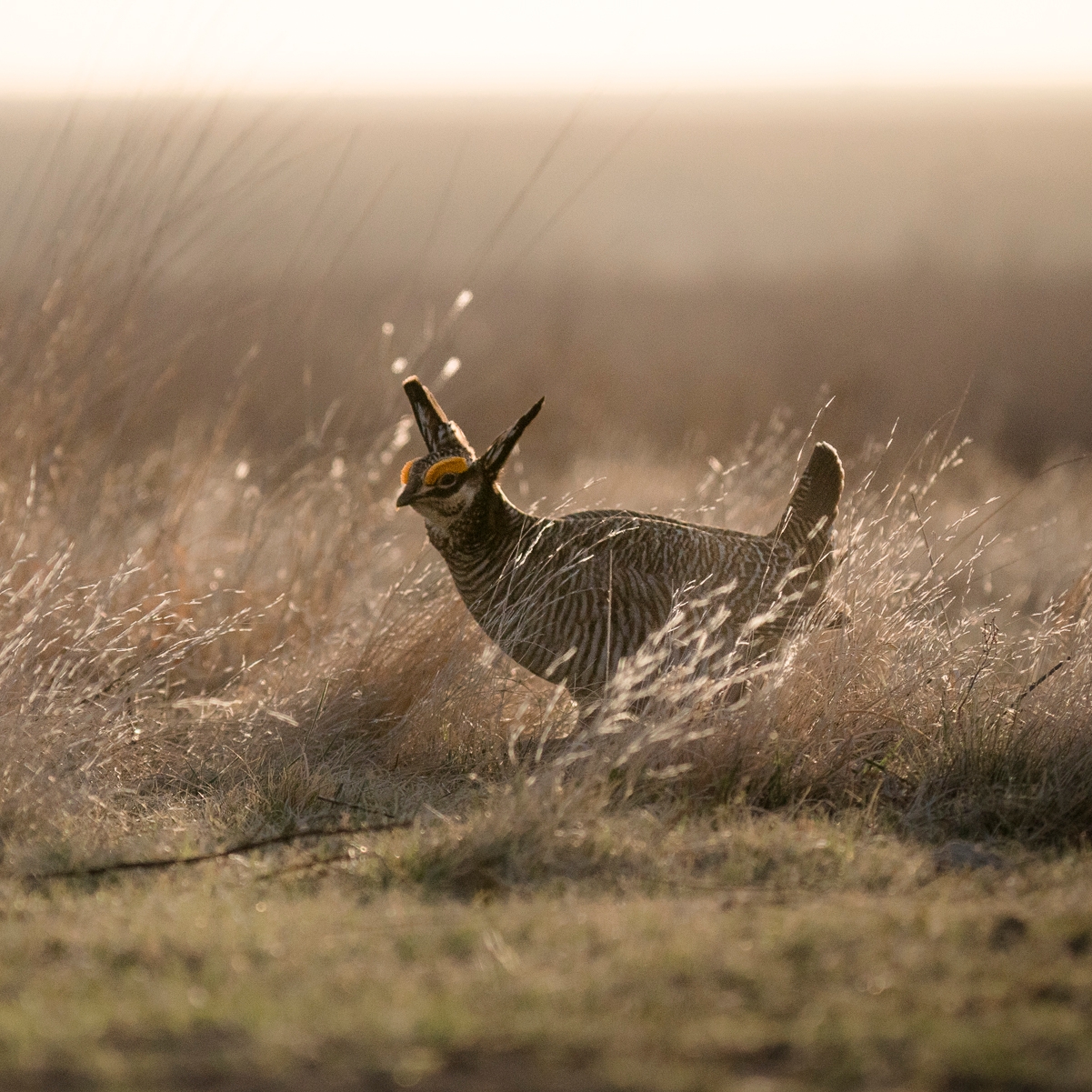
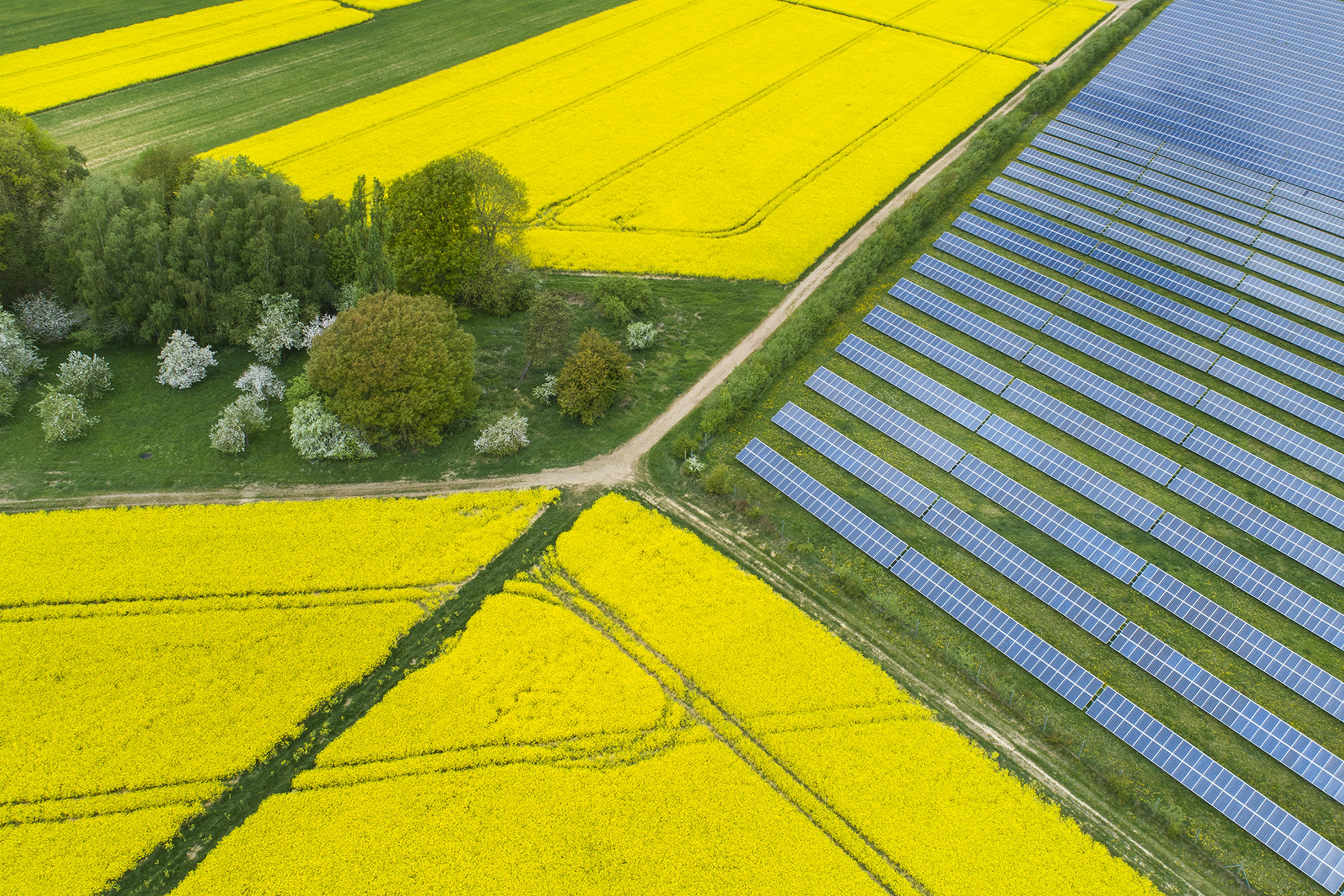
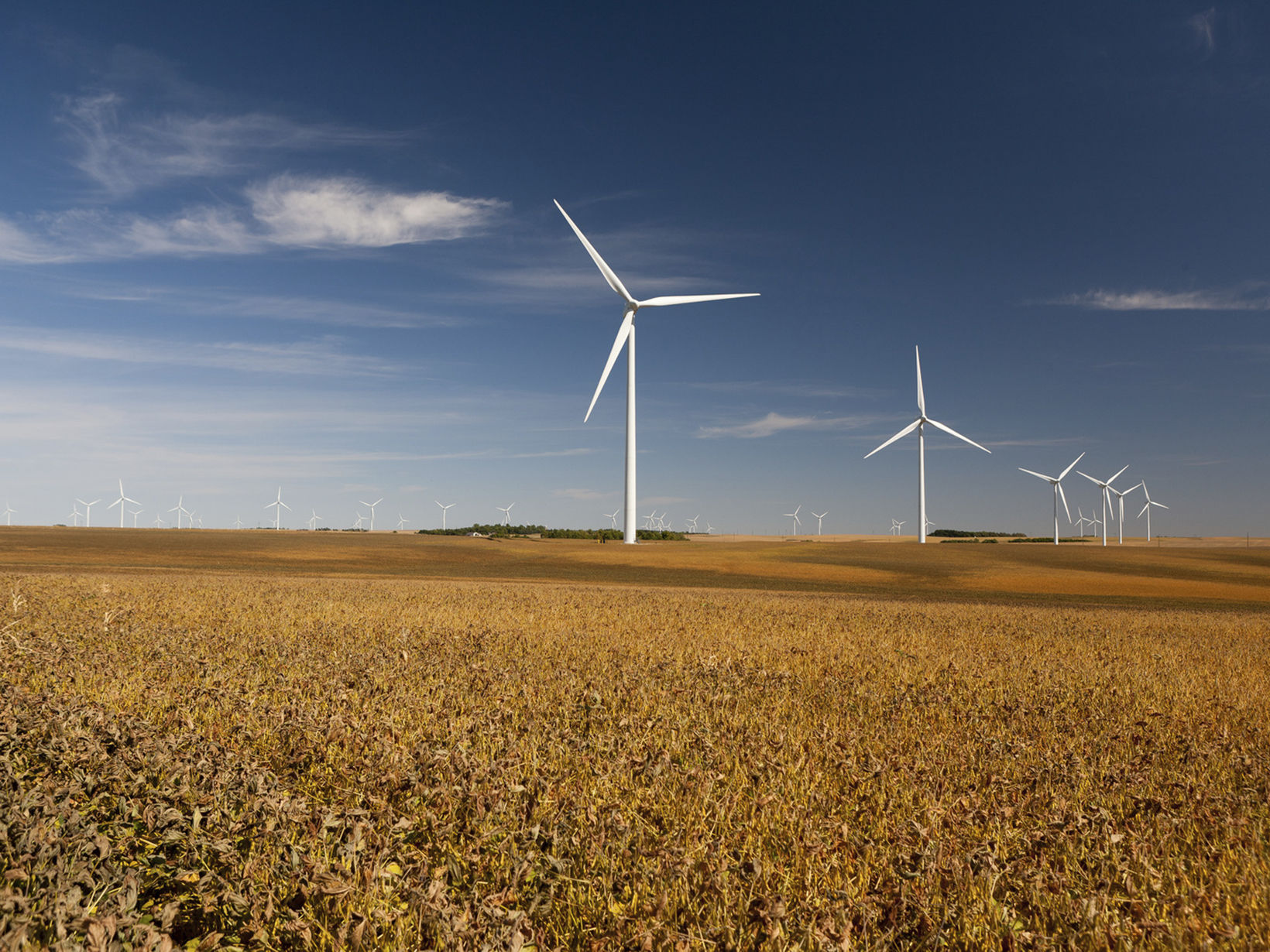
Across the Great Plains, lands with plentiful solar and wind resources are also vital for agricultural production and native habitat. We are launching an urgent next phase of work to deploy renewable energy resources, protect biodiversity and foster sound land management practices.
Our goal is for the Great Plains to double renewables by 2030 while ensuring at least 75% of new development is sited to avoid priority natural systems and landscapes, like wetlands and native grasslands.
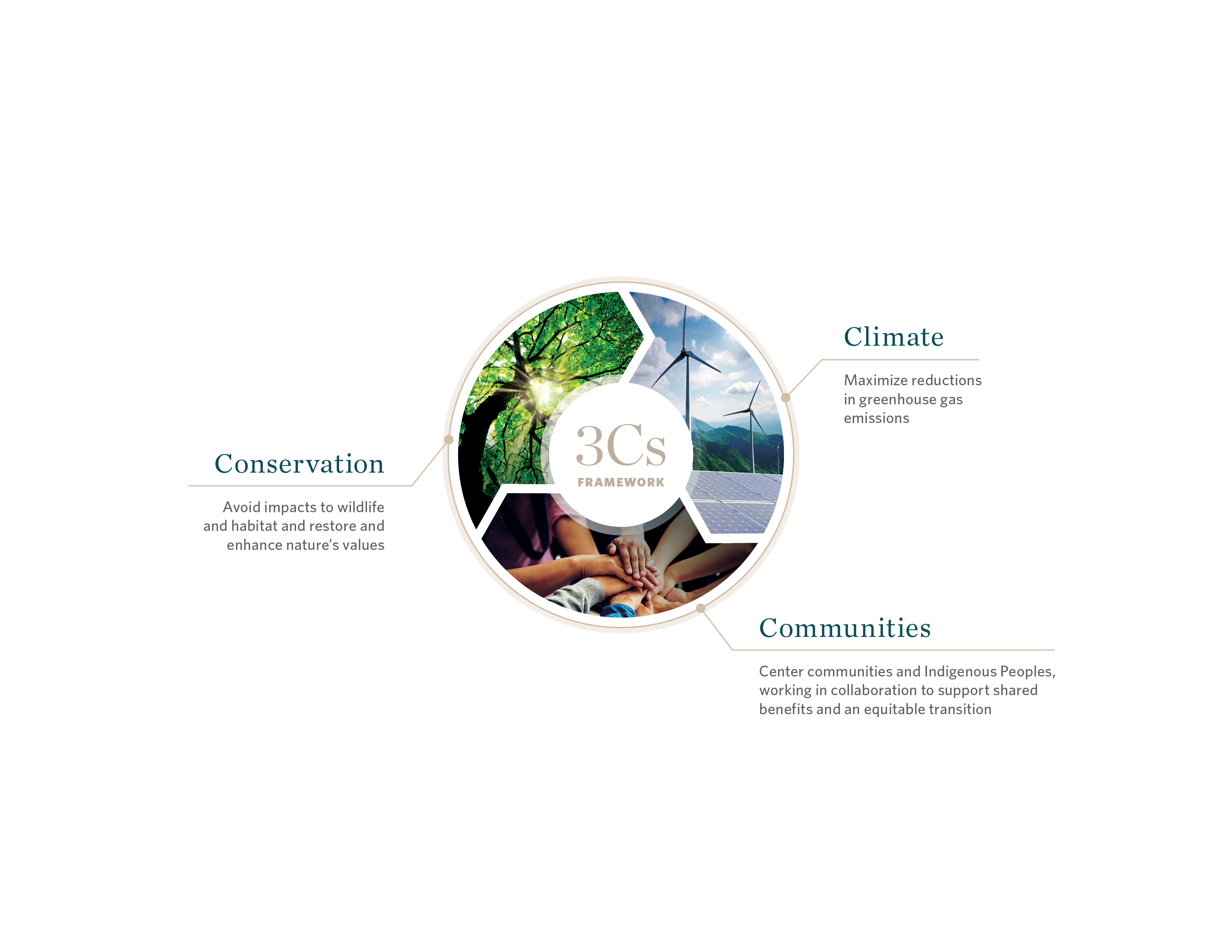
Our 3Cs approach—focusing on Climate, Conservation and Communities—ensures that the renewable energy buildout not only addresses climate change but also protects nature and benefits people. By integrating the 3Cs into our planning, siting and policy work, we are making it faster, easier and more cost-effective to deploy renewable energy at the scale needed to meet our climate goals.
At the speed and scale needed to meet our climate goals, the renewable energy buildout may have impacts on current land uses on the ground and in oceans—especially with large-scale wind and solar installations. With careful planning, renewable energy projects can avoid impacts to wildlife and habitat and even restore and enhance nature.
More than two-thirds of global greenhouse gas emissions come from energy use. To meet our Paris Agreement climate goals and achieve net-zero emissions by 2050, the world must triple renewable energy capacity by 2030. Renewable energy solutions should maximize reductions in greenhouse gas emissions.
Public concerns about the clean energy transition include environmental impacts, effects on land and property values, and ensuring a fair transition to clean energy given historical inequities. Bringing communities into decision-making early can reduce opposition and accelerate the renewable energy transition.

 RETURN
For details about our clean energy strategy, contact:
Patrick Lynn
Great Plains Climate and Energy Strategy Lead
Read more about The Nature Conservancy's renewable energy work.
Sign up to receive regular updates from The Nature Conservancy.


