


Hidden in the leaf litter, seeps and crags of the Appalachian mountains are some of North America’s most colorful and fascinating animals. Of our planet’s hundreds of salamander species, it’s estimated that anywhere from one-fifth to one-half of them are in the Appalachian mountains—the highest concentration found anywhere in the world. Salamanders are also a key indicator of the region’s ecological health, and their long-term survival depends on the conservation of resilient and connected landscapes.
Thanks to its diverse terrain and habitats, the Appalachian mountain range supports incredible biodiversity and provides a critical corridor for migrating species. However, as climate conditions change and human development further fragments habitat, salamanders and other wildlife are increasingly threatened.
Being amphibians, many salamander species lay their eggs in vernal pools, which provide a safe place for their young tadpoles to develop into adulthood. Other species rarely ever see the sun and instead live out their entire lives under layers of decaying leaves or inside rocky crags. What they all have in common, however, is a need for healthy forests, clean water and the ability to reach habitats that sustain the different phases of their life.
Most salamanders are so small and well hidden that we rarely get to see and appreciate how beautiful they can be. Here, we use art, photography and GIS mapping to shine a light on eight of these incredible species that rely on healthy, connected forests throughout the Appalachian Mountain range.

About the Artist—Humna Sharif
Humna Sharif leads the climate adaptation strategy for The Nature Conservancy’s Maryland/DC chapter, advancing nature-based solutions that help communities prepare for flooding, sea-level rise and other climate impacts. Originally from Islamabad, Pakistan, Humna draws inspiration from the nature she has worked hard to protect throughout her career to create artwork in her free time.
“This art project was a meaningful opportunity to appreciate the tiniest of critters that live in the places I work to protect. I love spending time out in nature, and a lot of my art features mountains, water and big natural spaces. In creating the salamander art, I had time to look deeply at the intricate patterns that make up the bodies of different species—the closer I looked, the more details there were to draw.” —Humna Sharif
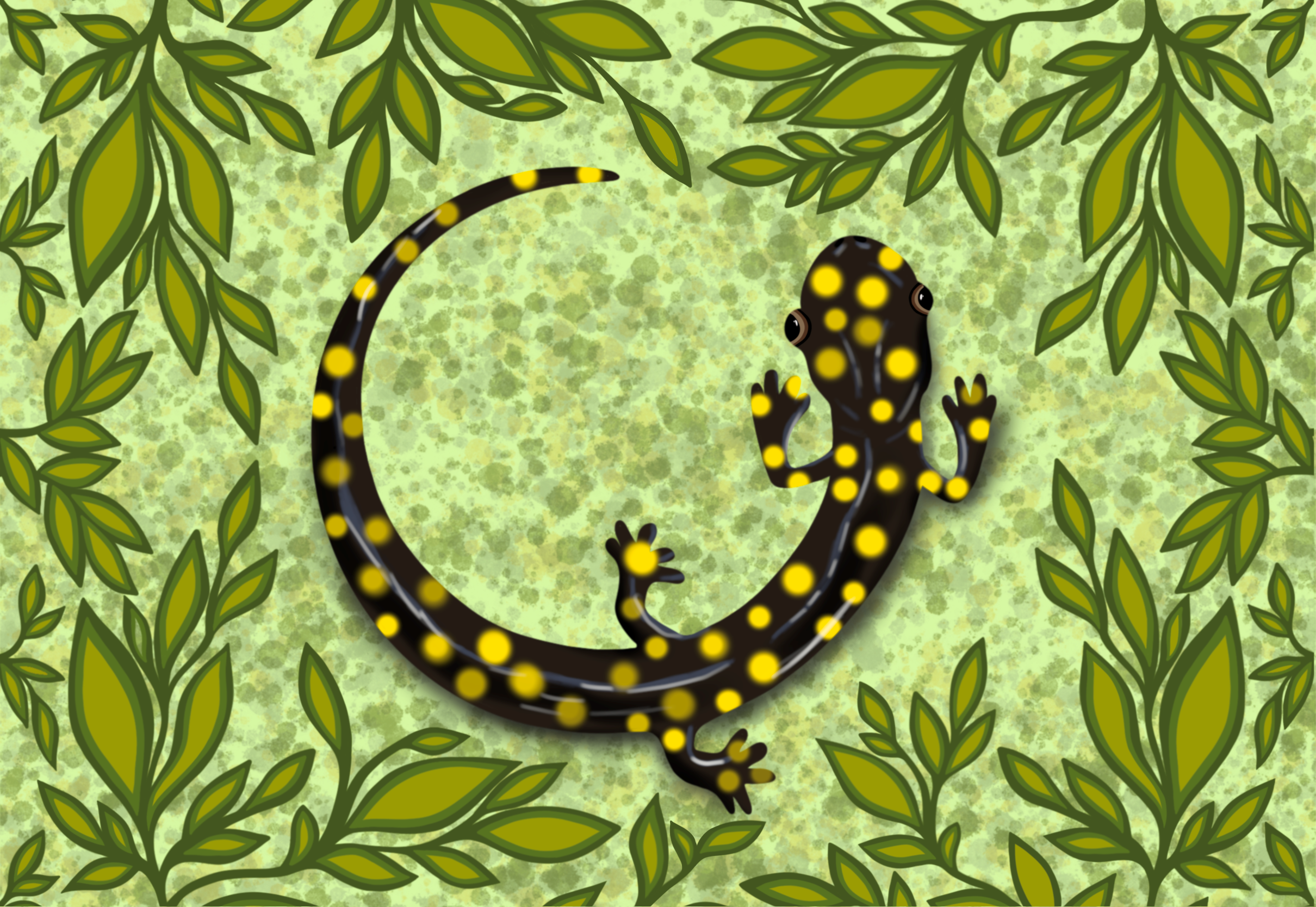
Spotted Salamander
Description
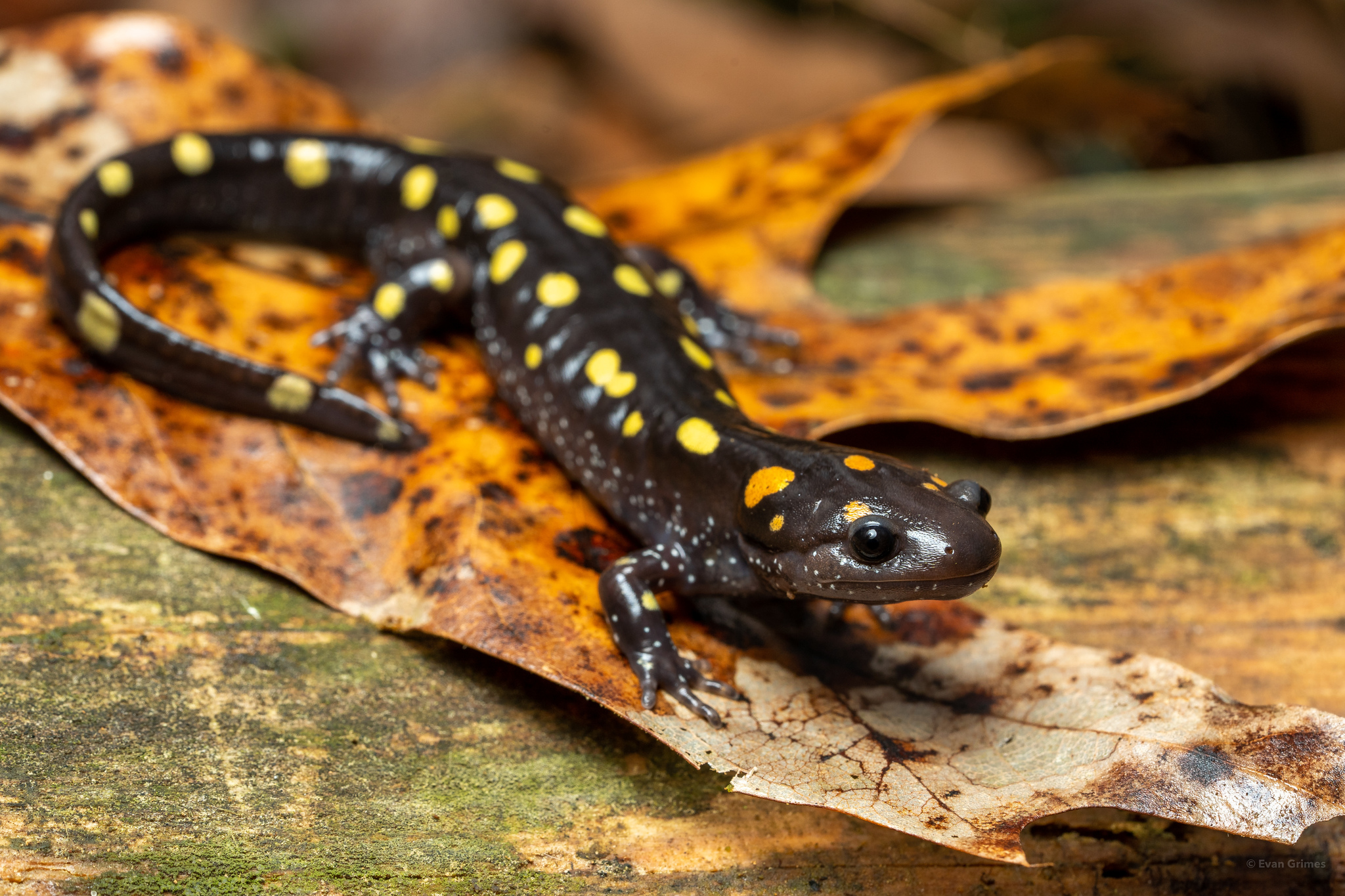
Of all the salamanders that call the Appalachians home, the spotted salamander is one of the most widespread, being found as far north as Nova Scotia and as far south as Texas. They are also rarely ever seen, spending the majority of their life in burrows or under leaves.
Spotted Salamander
That changes on one of the first wet spring evenings, when the adults emerge en masse to seek out the vernal pools where they will breed and leave their eggs before following the same paths back home.
Spotted Salamander
Range
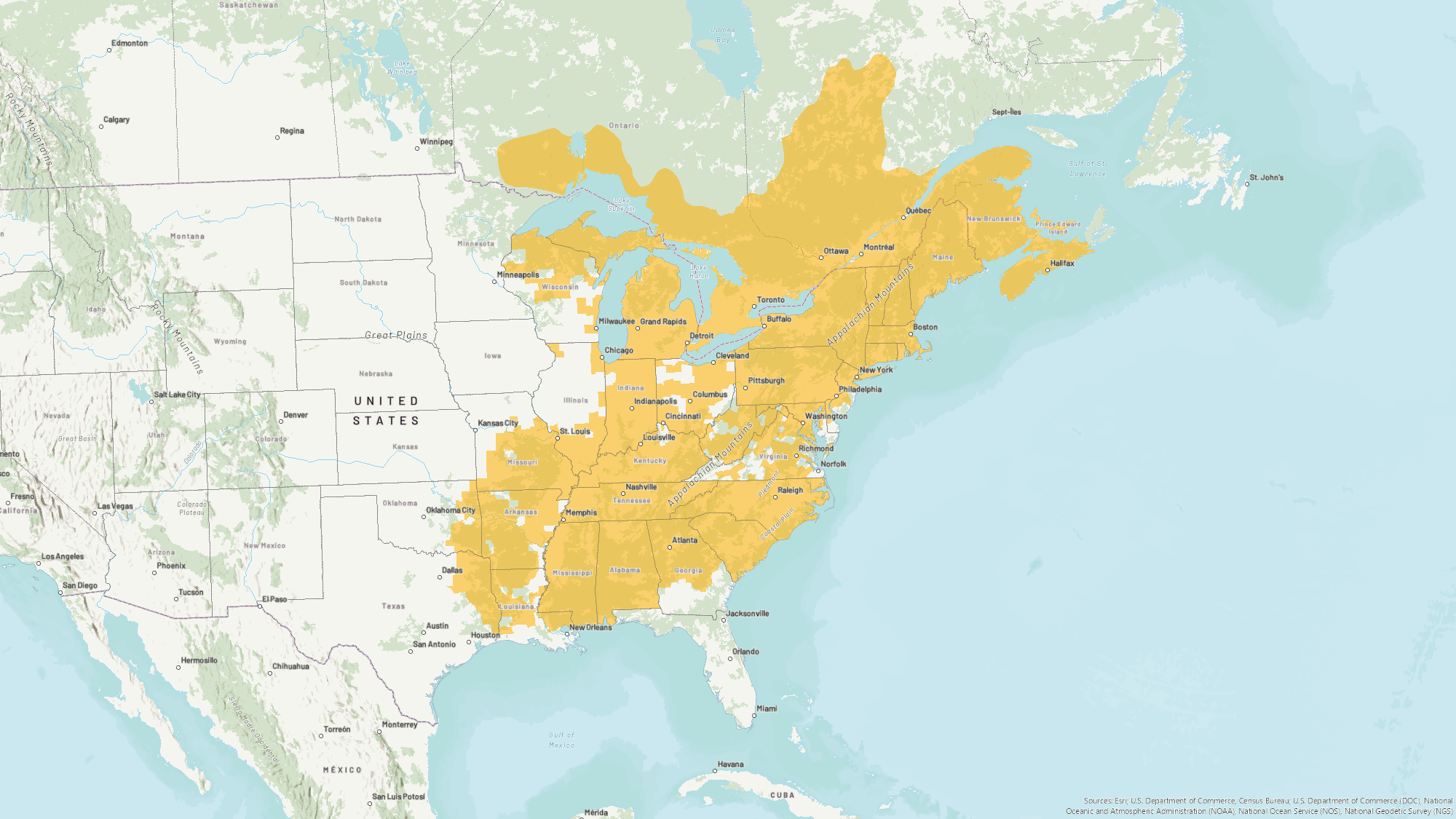
The spotted salamander is found across much of eastern North America, from southeastern Canada south through the eastern United States. Within the Appalachian Mountains, it occurs throughout a wide swath of forested habitats, from New England to northern Georgia.
Spotted Salamander
Conservation Considerations
While spotted salamanders remain relatively widespread across the Appalachian region, they depend on healthy forests and seasonal wetlands that are increasingly vulnerable to habitat loss and fragmentation.
Spotted Salamander
In New Hampshire, a partnership project in Keene is creating a wildlife crossing that will allow spotted salamanders and Jefferson salamanders to move more safely between essential habitats, helping reduce one of the many challenges these amphibians face during migration.
Spotted Salamander
Did you know?
In North Amherst, Massachusetts, the emergence of spotted salamanders and other amphibians is called the “Big Night,” when they travel through specially constructed tunnels under Henry Street to reach their vernal pools.

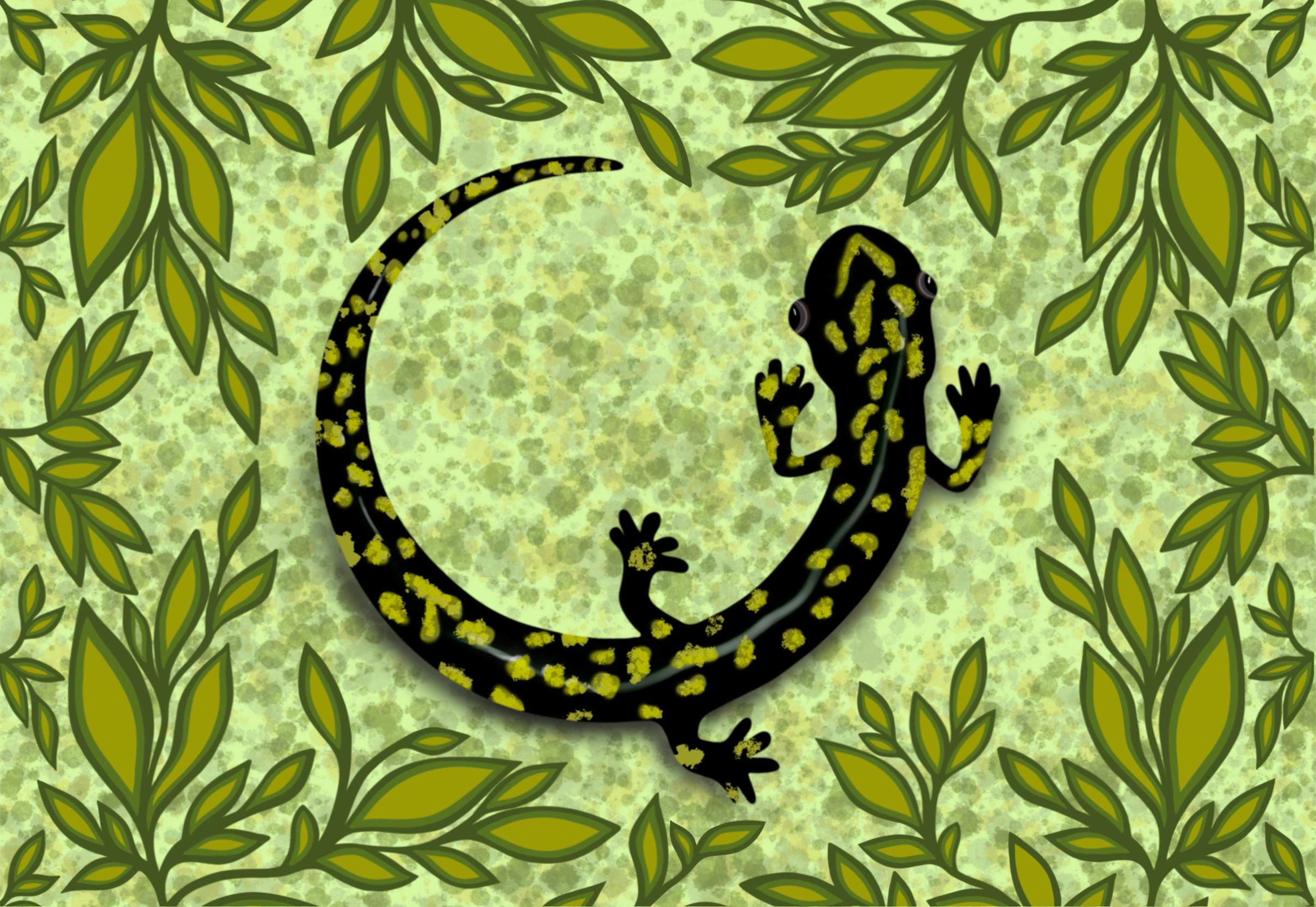
Hickory Nut Gorge Green Salamander
Description
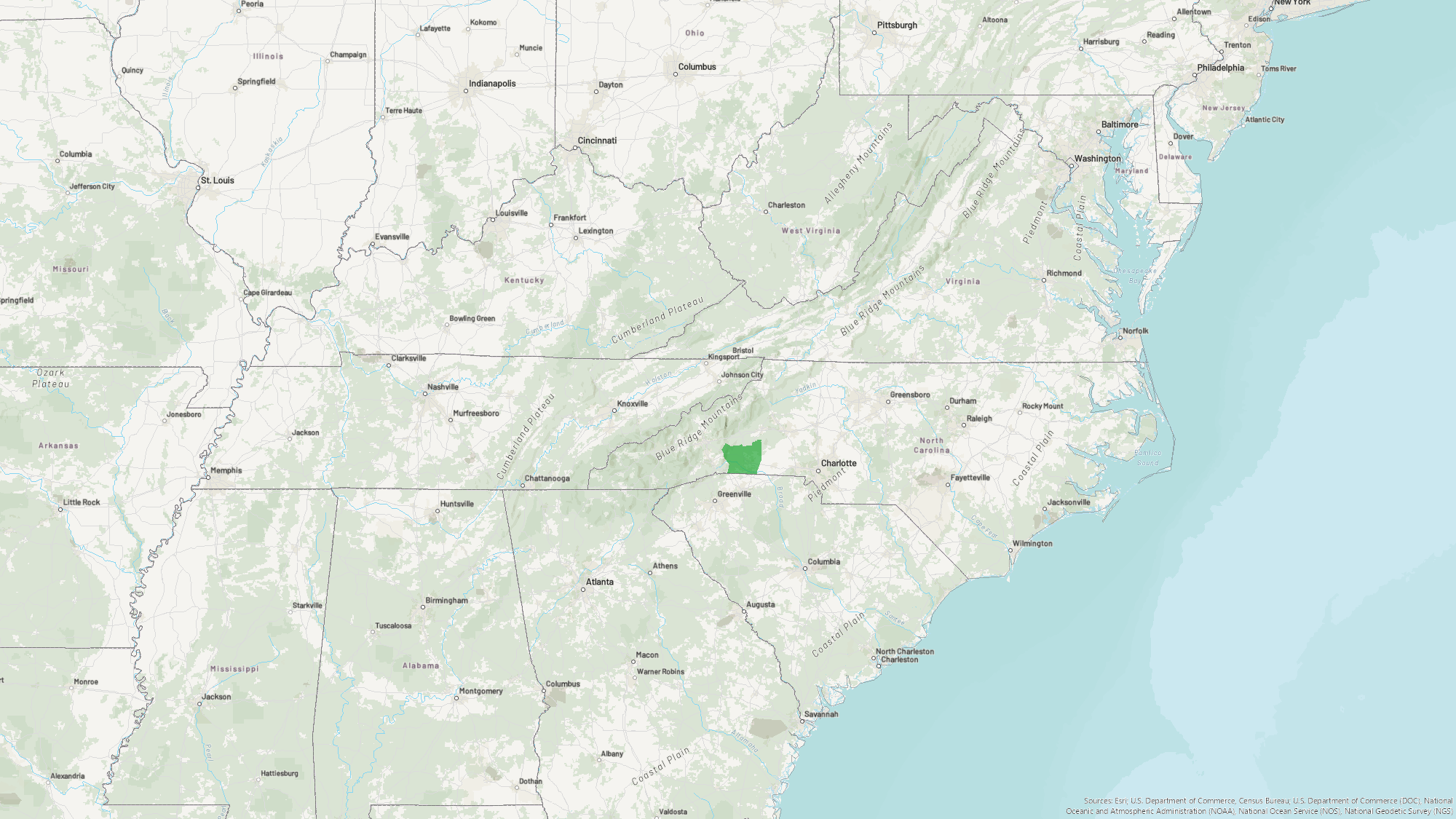
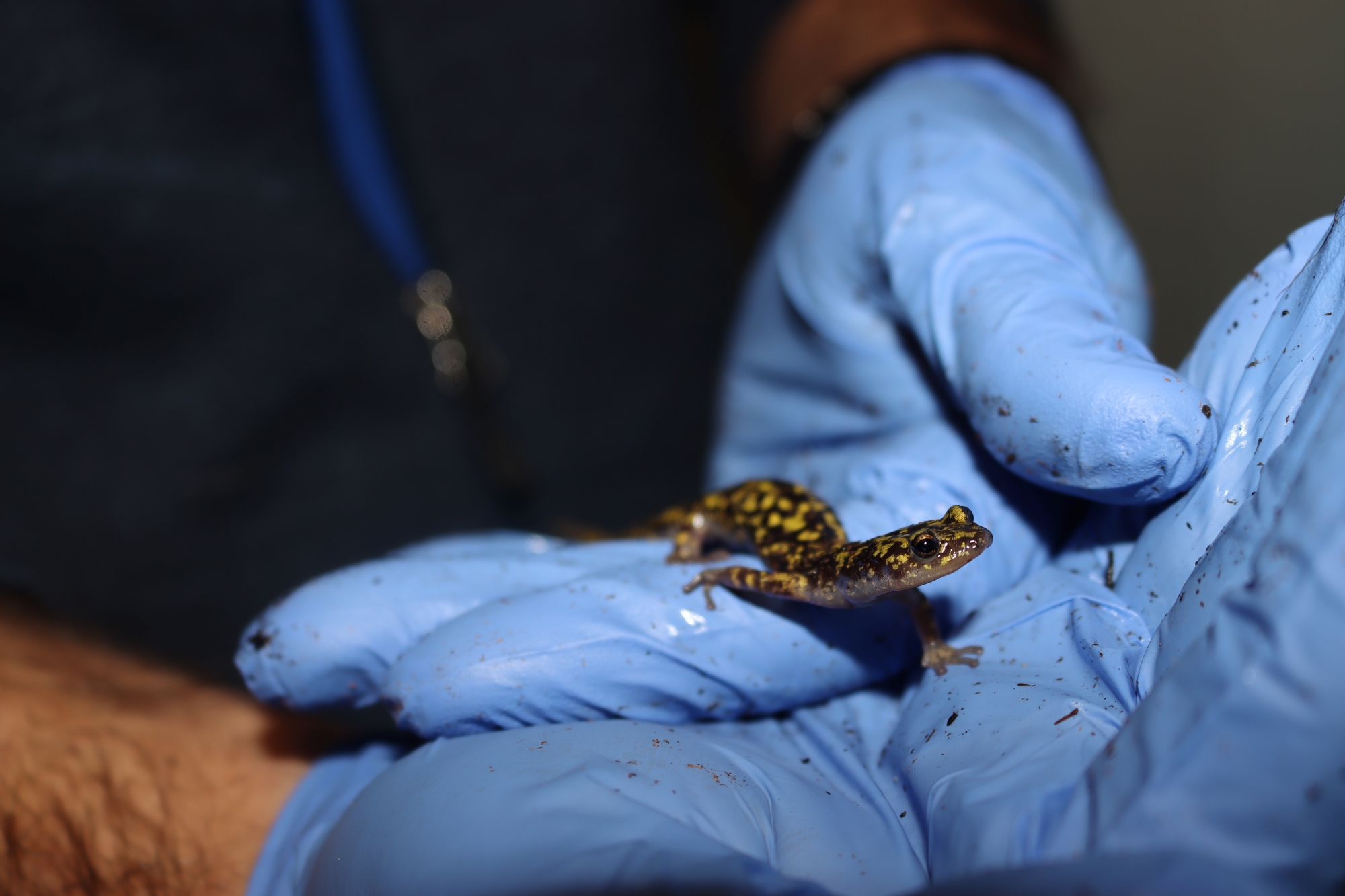
The Hickory Nut Gorge green salamander is found in just a single, 20,000-acre gorge in North Carolina and is considered a micro-endemic species due to this severe isolation. Its limited distribution also puts it at incredible risk from threats like habitat loss and fragmentation, as well as severe climate impacts.
Hickory Nut Gorge Green Salamander
Range
Found only in and around North Carolina’s Hickory Nut Gorge, the Hickory Nut Gorge green salamander is one of the Appalachian region’s most geographically restricted amphibians. This rare species inhabits rocky cliffs and forested slopes within the gorge’s rugged terrain, relying on deep rock crevices for shelter and nesting sites.
Hickory Nut Gorge Green Salamander
Conservation Considerations
In 2024, Hurricane Helene caused devastating flooding, tree fall and mudslides in the gorge, prompting conservation partners including The Nature Conservancy to rescue around 25 individual salamanders to establish a breeding program at the NC Zoo.
Hickory Nut Gorge Green Salamander
Did you know?
Like more than 500 other salamander species belonging to the family Plethodontidae, the Hickory Nut Gorge green salamander is lungless and must maintain moist skin at all times to breathe through it.
Allegheny Mountain Dusky Salamander
Description
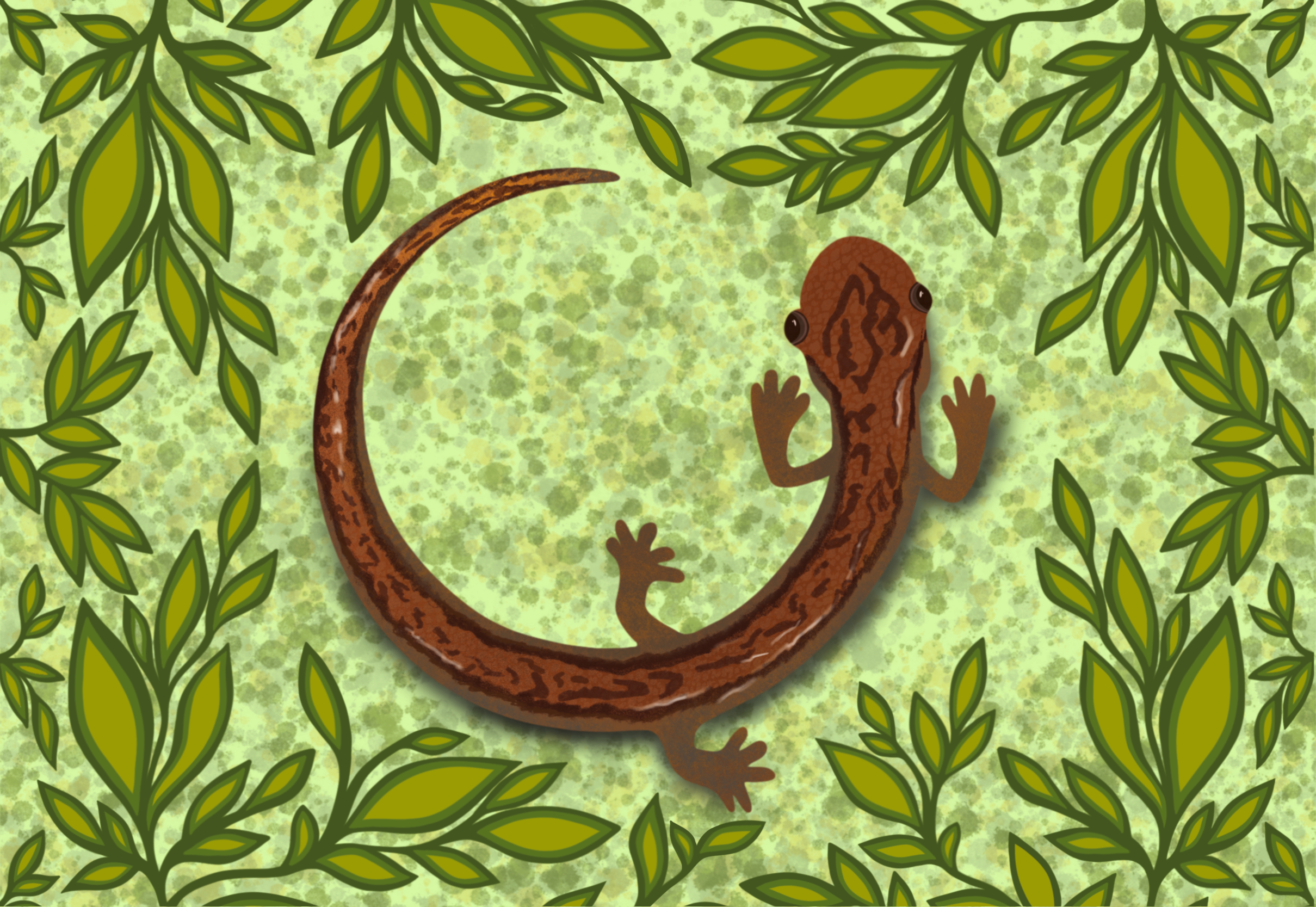
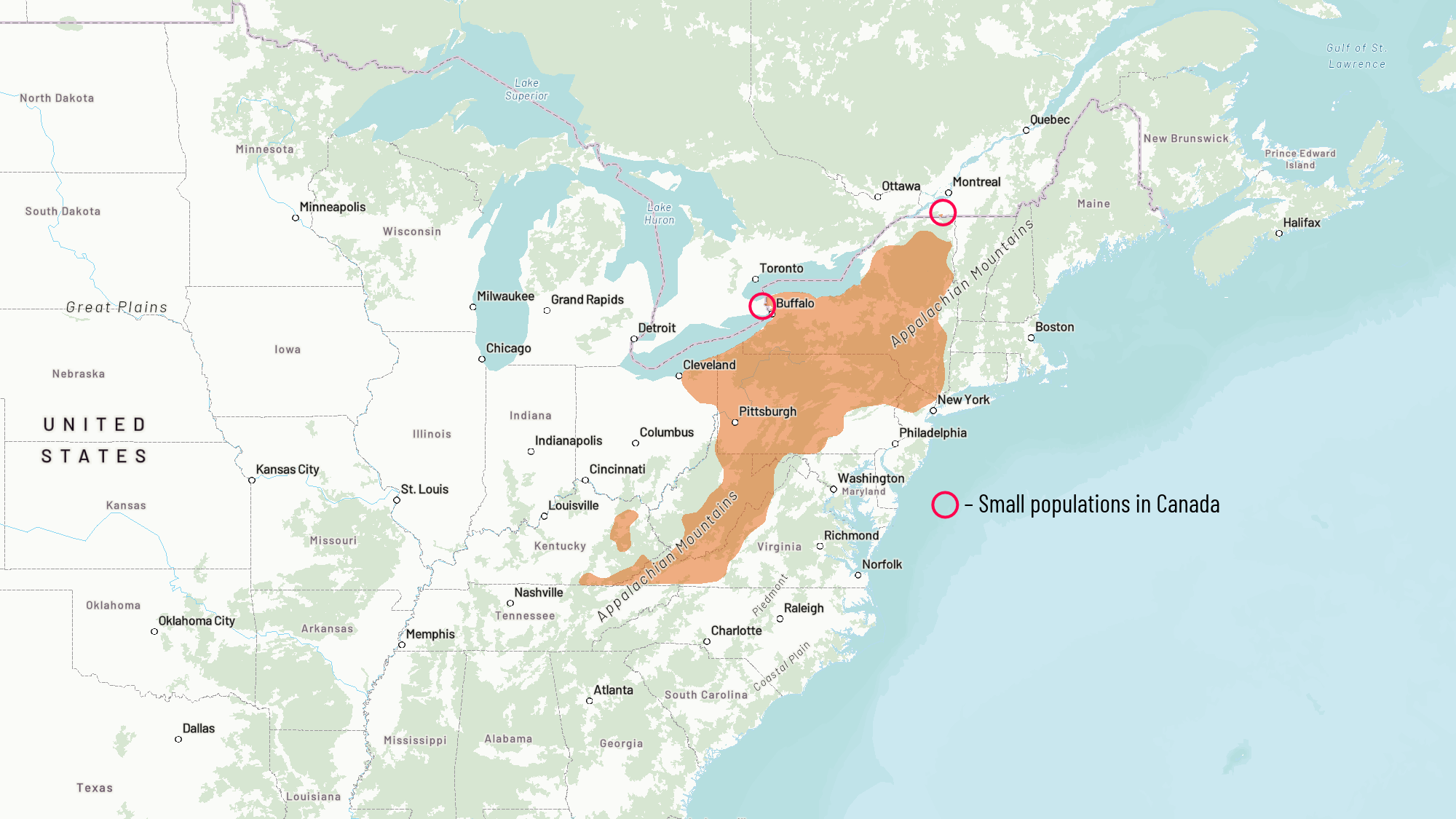
The Allegheny Mountain dusky salamander gets its name from the place it was initially found in—the Allegheny Mountains between Maryland and New York. Subsequent surveys and genetic testing have found populations of this species as far south as Kentucky and as far north as Quebec.
Allegheny Mountain Dusky Salamander
They need to maintain moist skin, preferring to live near streams, springs or other water-saturated areas in hardwood forests.
Allegheny Mountain Dusky Salamander
Range
The Allegheny Mountain dusky salamander is found throughout the Appalachian Mountains, ranging from southern New York and Pennsylvania south through the highlands of the Mid-Atlantic and into parts of the southern Appalachians. There are also a couple of very small populations in Quebec, Canada near the U.S. border.
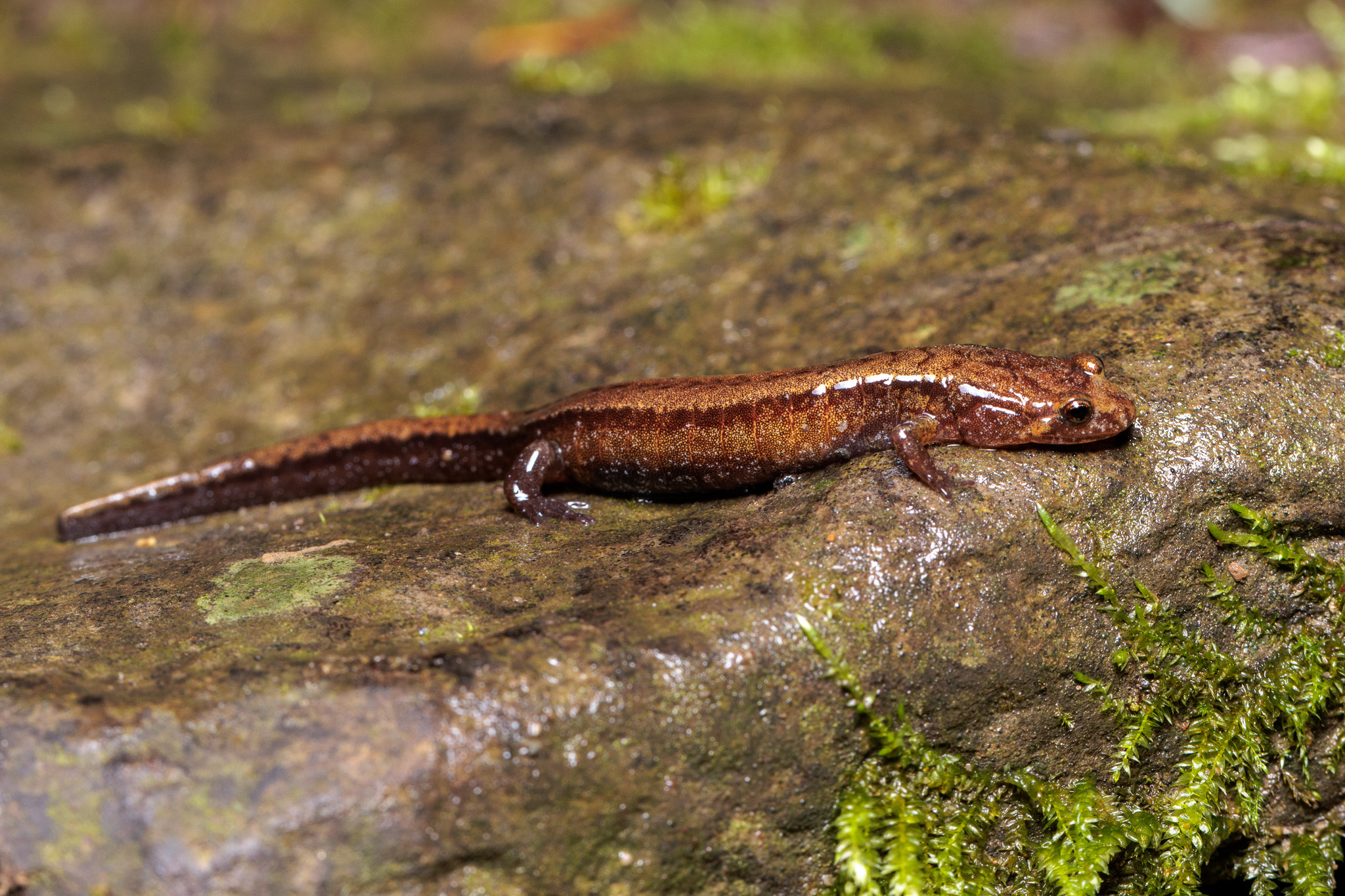
Allegheny Mountain Dusky Salamander
Conservation Considerations
While relatively common in the central and northern Appalachians, the Allegheny Dusky salamander is listed as endangered in Canada. The official Ontario Dusky Salamander Recovery Team is tasked with creating a strategy to help the species recover there.
Allegheny Mountain Dusky Salamander
Did you know?
After locating a moist, protected spot to lay their eggs, female dusky salamanders will remain with their clutch throughout the full six-to-10-week incubation period to protect them from predators and ensure they don’t dry out.
Northern Slimy Salamander
Description
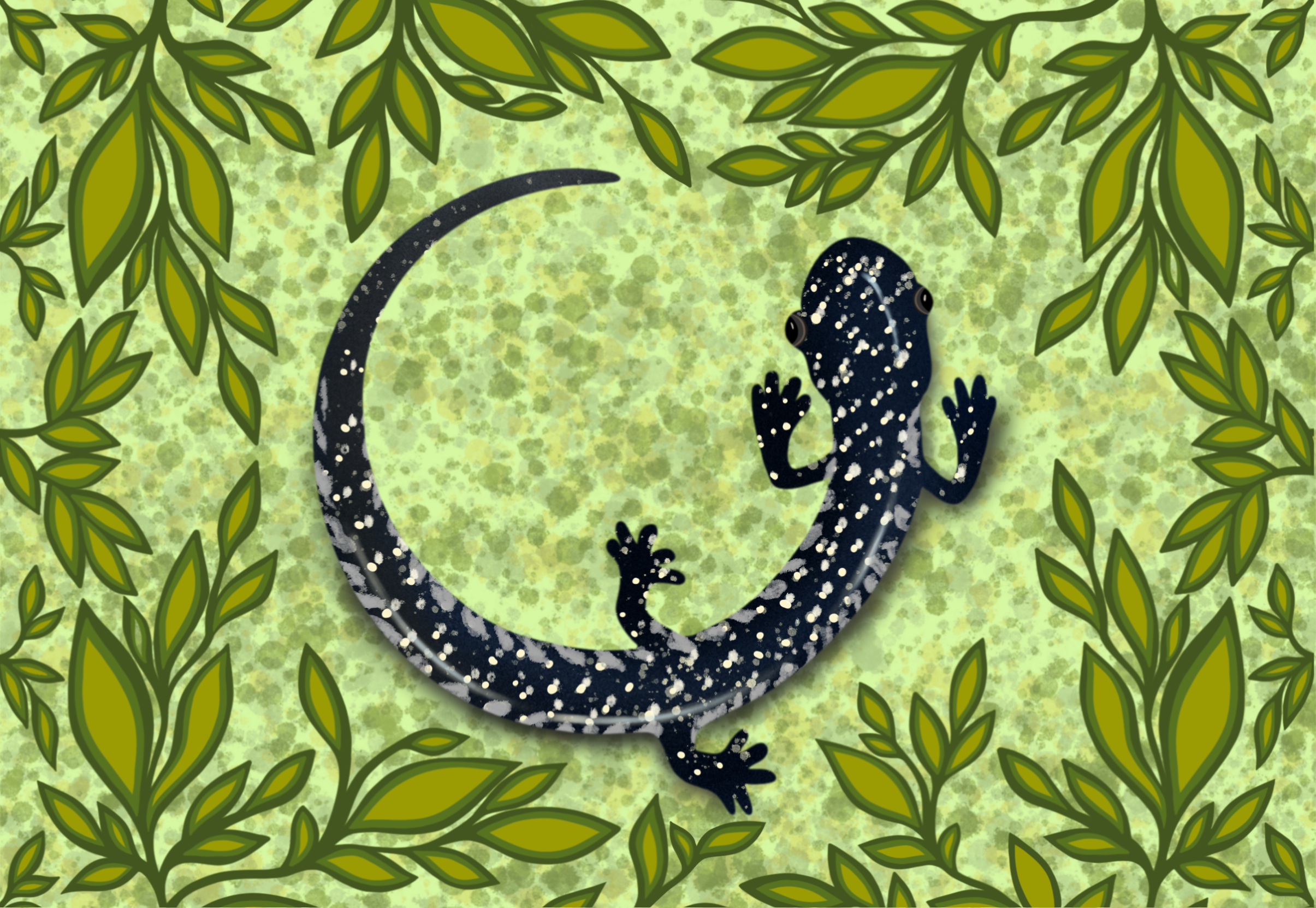
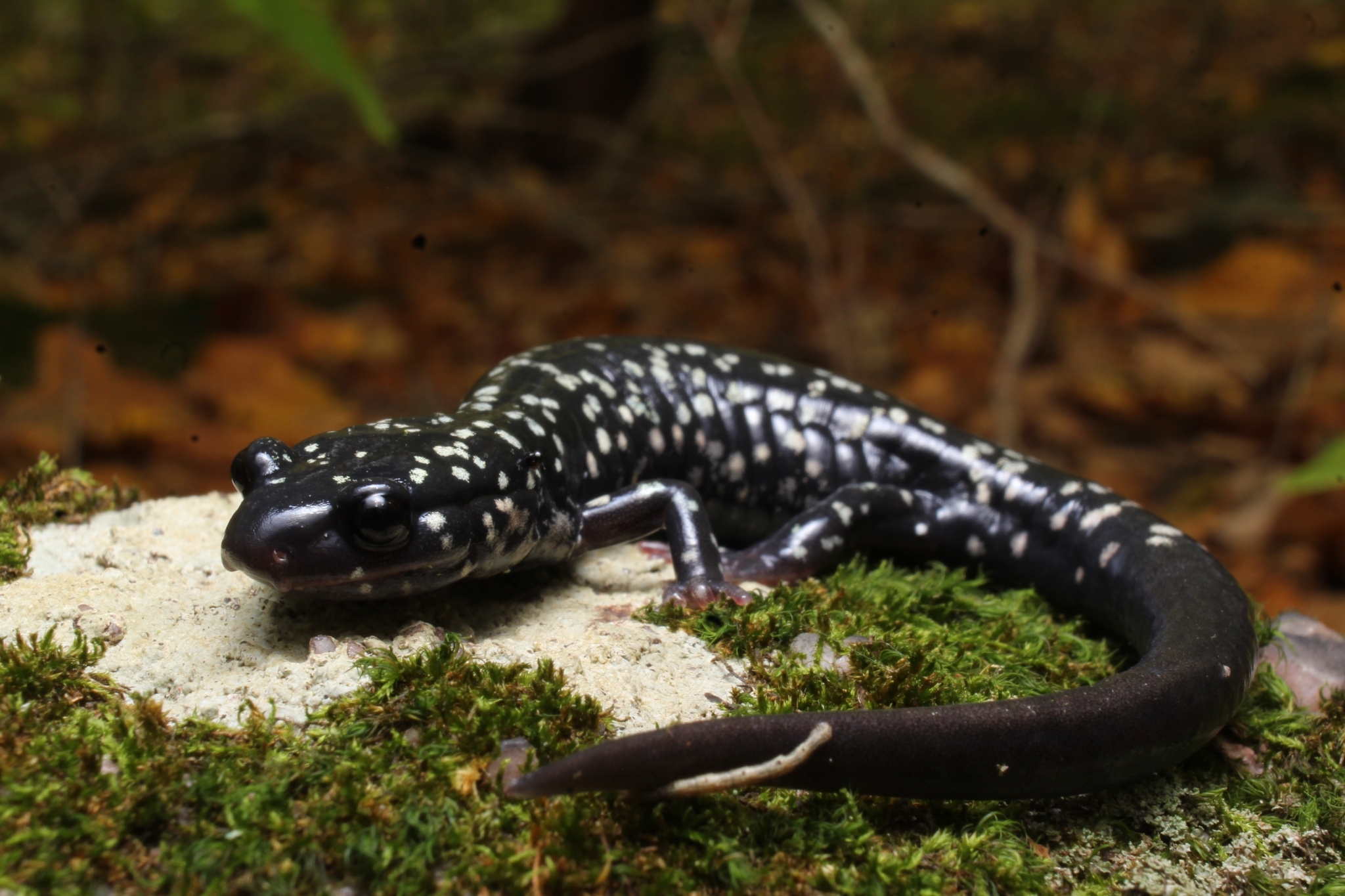
The northern slimy salamander is sometimes known as the “sticky salamander,” which is probably a more appropriate name. When threatened, this species can secrete adhesive slime from its lower back and tail, which can make it difficult for predators to move or open their mouth.
Northern Slimy Salamander
Range
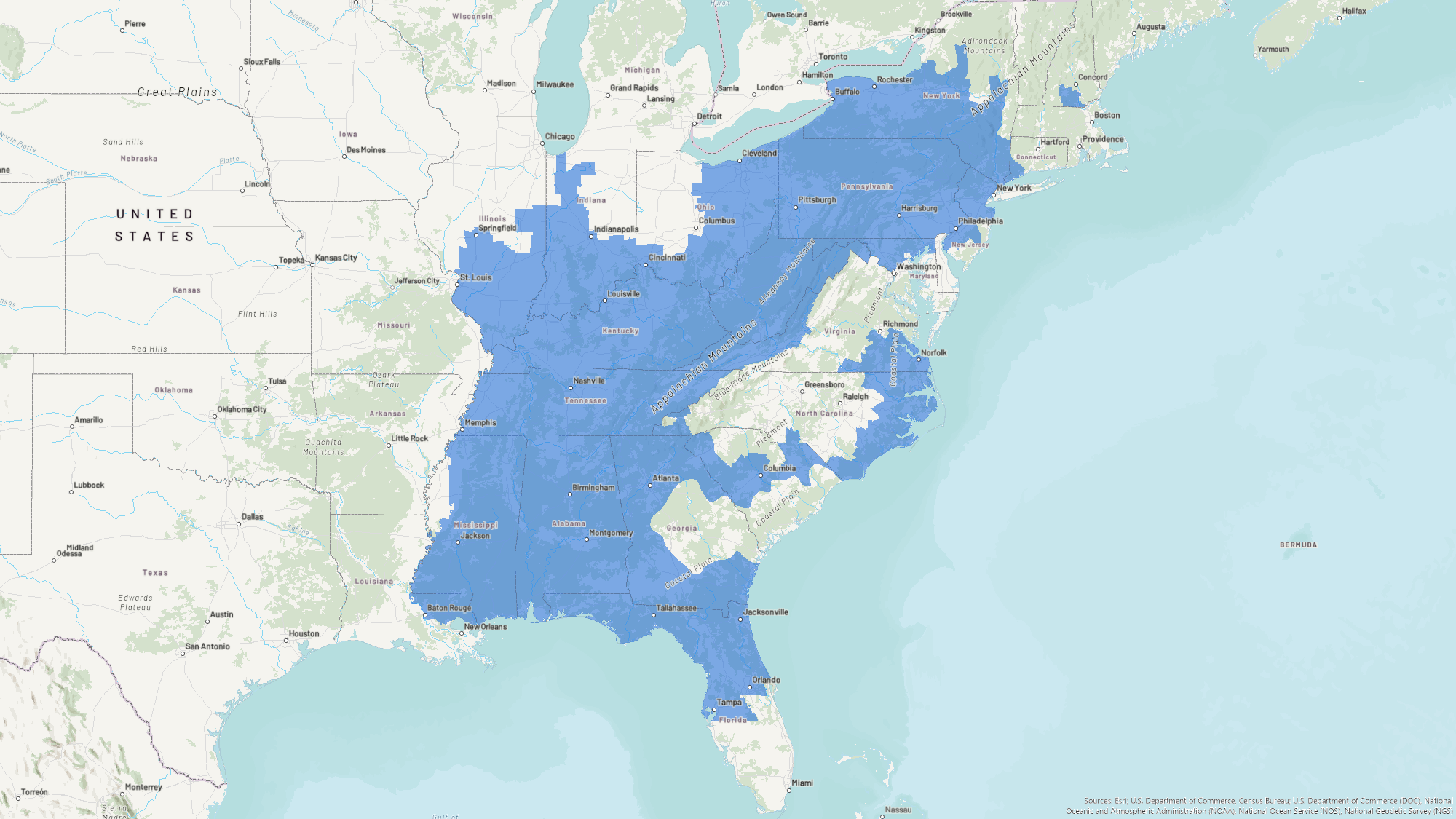
The northern slimy salamander is one of the most widespread salamanders in the eastern United States, occurring from southern New York and Pennsylvania south through the Appalachian Mountains and into parts of the Southeast.
Northern Slimy Salamander
It inhabits a variety of forested environments, including hardwood forests, rocky slopes, ravines and stream valleys, where it spends much of its life beneath logs, rocks and leaf litter.
Northern Slimy Salamander
Conservation Considerations
The northern slimy salamander faces many of the same threats that other salamanders face—namely habitat loss and fragmentation—which has led to gradual population declines across much of its range in the Appalachians. It is listed as threatened in the state of Connecticut.
Northern Slimy Salamander
Did you know?
In addition to “northern slimy” and “sticky,” this species is also sometimes referred to as the “viscid salamander,” the “grey-spotted salamander” or the “slippery salamander.”
Red-cheeked Salamander
Description
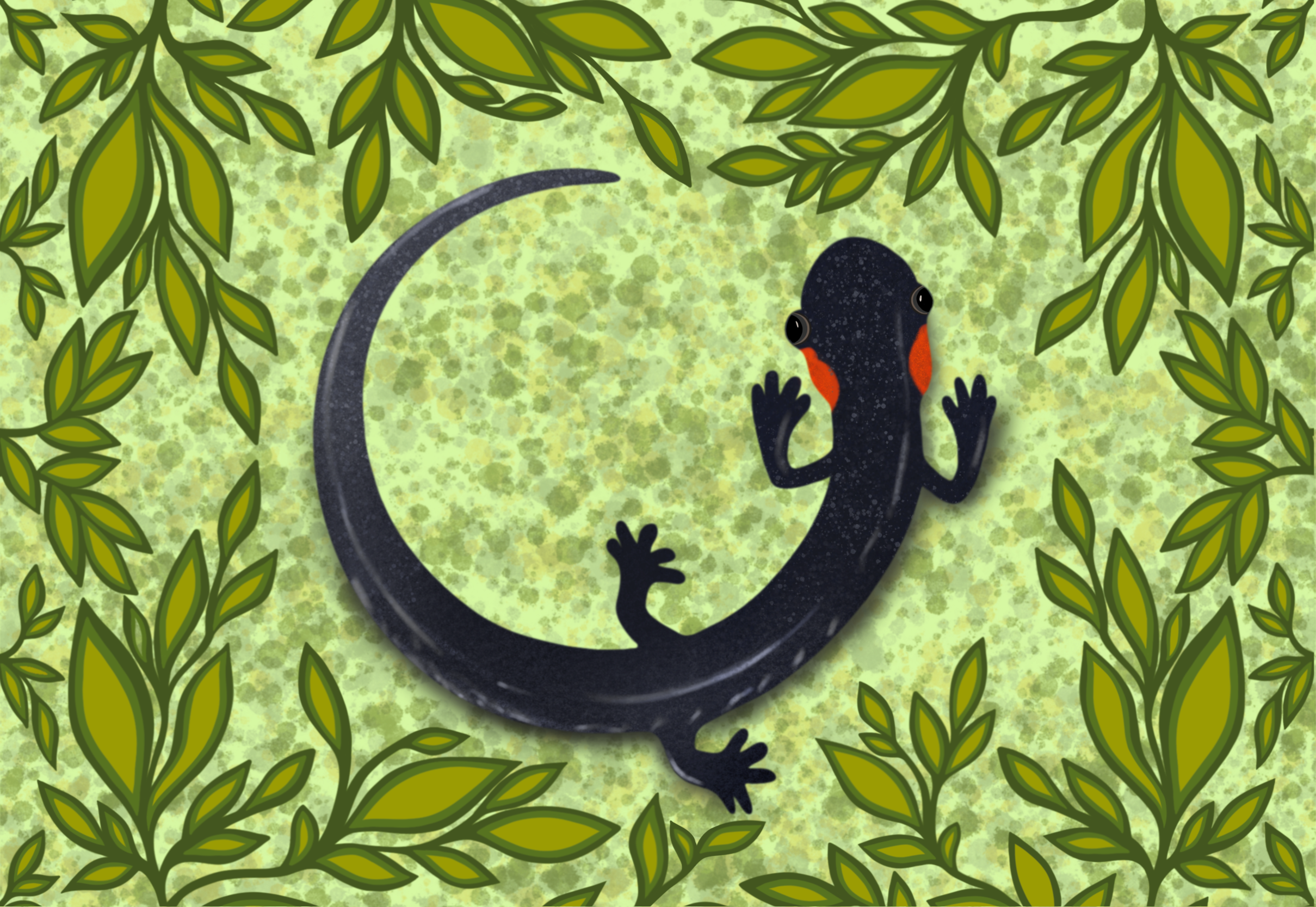
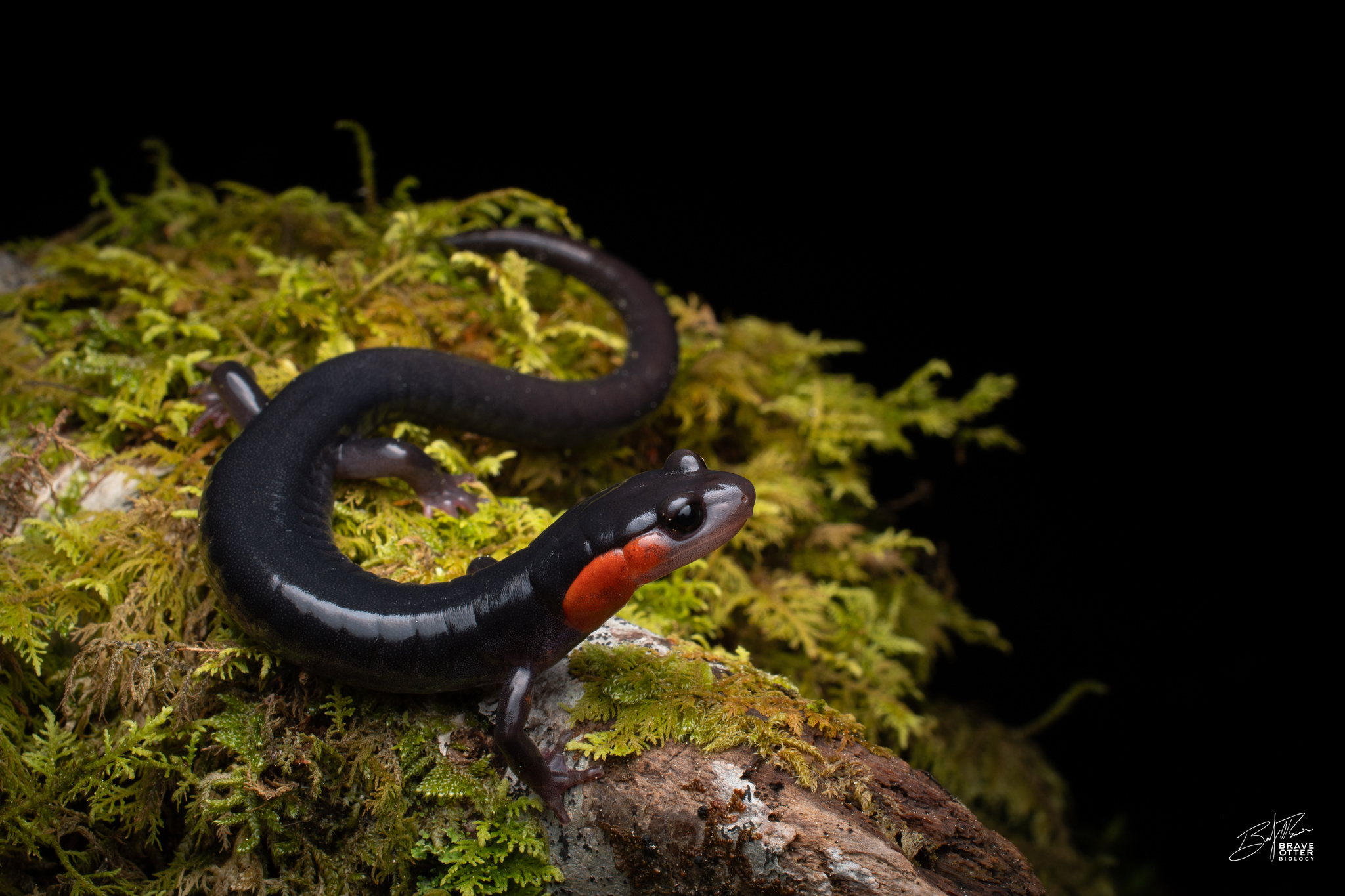
The appropriately named red-cheeked salamander is a true Southern Appalachians specialist, as its entire population is found within forests above 2,500 feet in the Smoky Mountains National Park. It likes spruce fir forests in particular and is often found in areas with large boulders and moss-covered ground.
Red-cheeked Salamander
Range
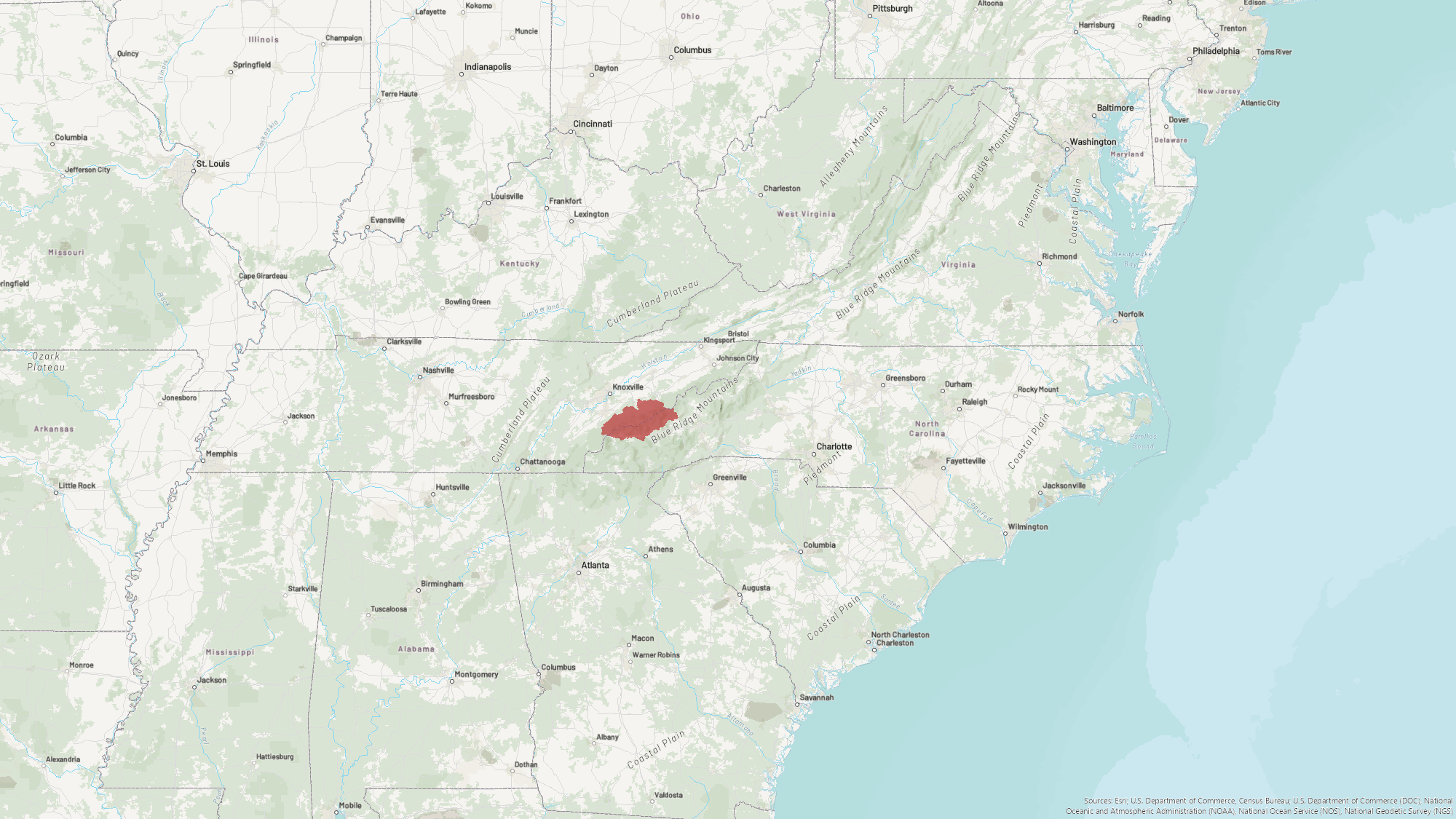
The red-cheeked salamander is found only in a small portion of the southern Appalachian Mountains, primarily within the high-elevation forests of western North Carolina, eastern Tennessee and a small area of southwestern Virginia.
Red-cheeked Salamander
It is especially associated with the Great Smoky Mountains and surrounding peaks, where cool, moist conditions provide ideal habitat beneath logs, rocks and leaf litter.
Red-cheeked Salamander
Conservation Considerations
Given that its entire range is in a protected national park, the red-cheeked salamander’s population is thankfully not endangered by habitat loss due to development. However, climate change and pests like the hemlock woolly adelgid pose a direct threat to the type of forests it calls home.
Red-cheeked Salamander
Did you know?
The red-cheeked salamander is a close relation and neighbor to both the grey-cheeked salamander and red-legged salamander. Sometimes these species interbreed and create hybrid offspring.
Long-tailed Salamander
Description
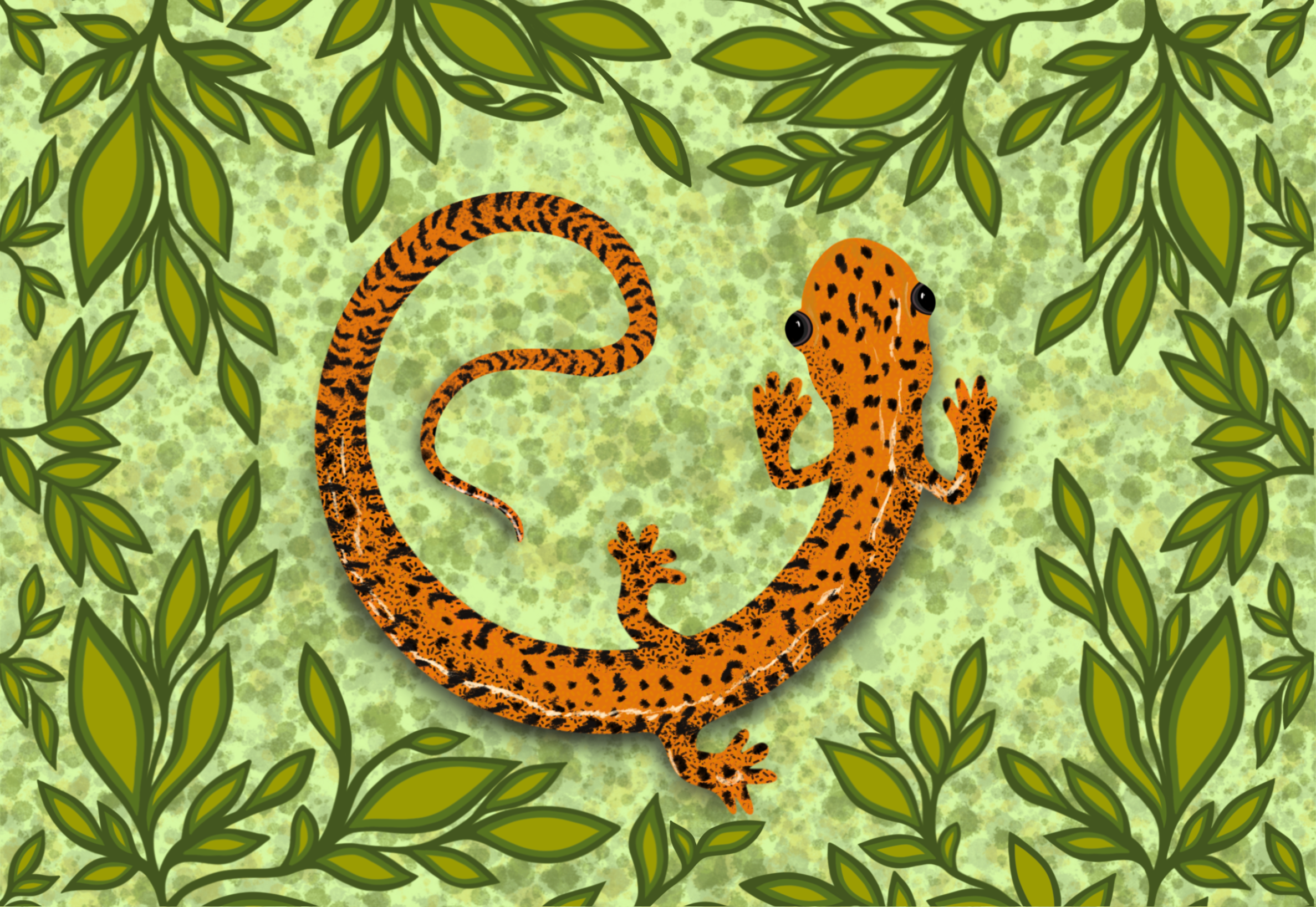
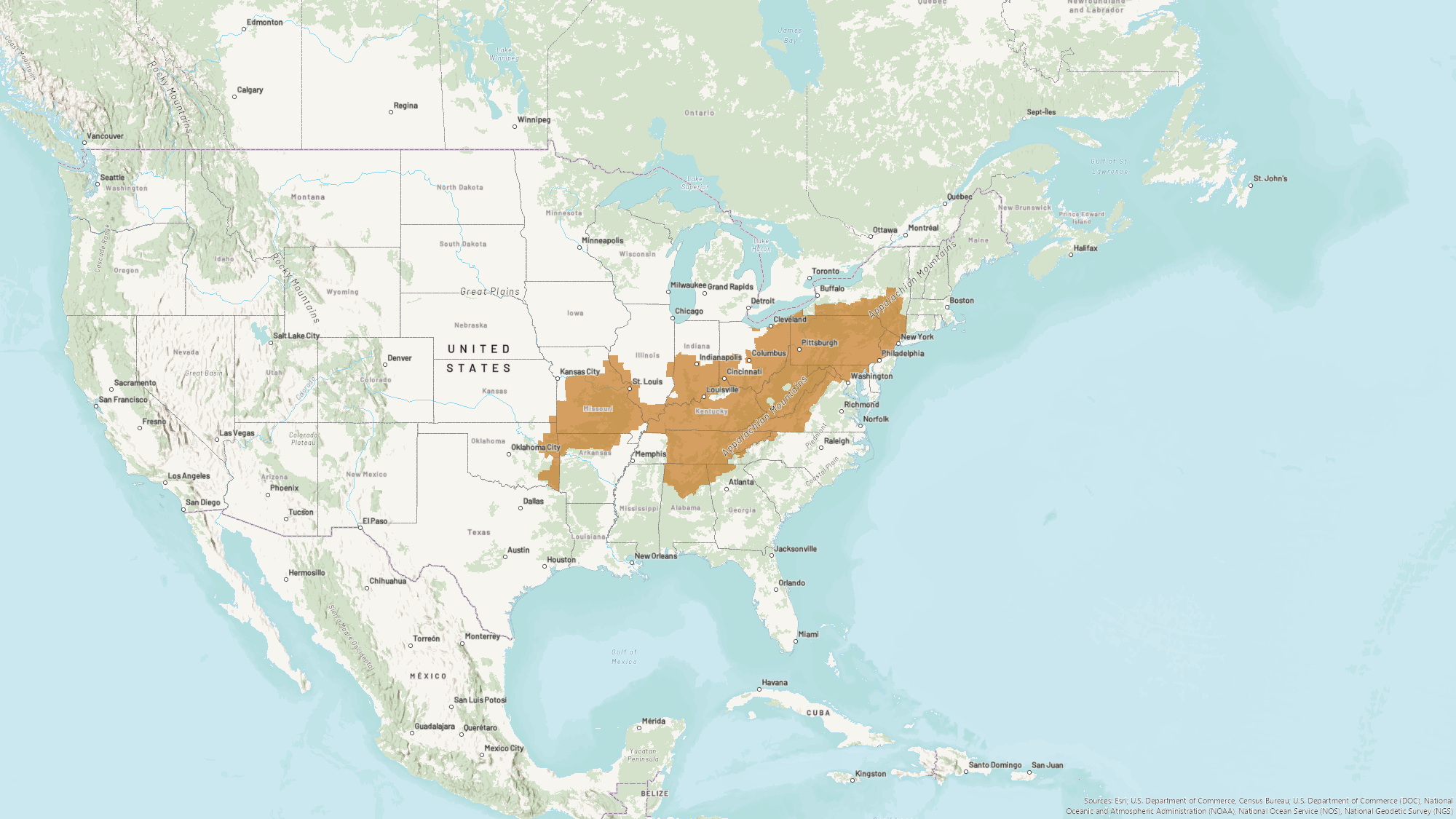
True to its name, the tail of the long-tailed salamander makes up more than half the length of its entire body, which can reach almost eight inches long. This particular species is also often found in caves and springs and will venture out into the forests to hunt during wet weather.
Long-tailed Salamander
Range
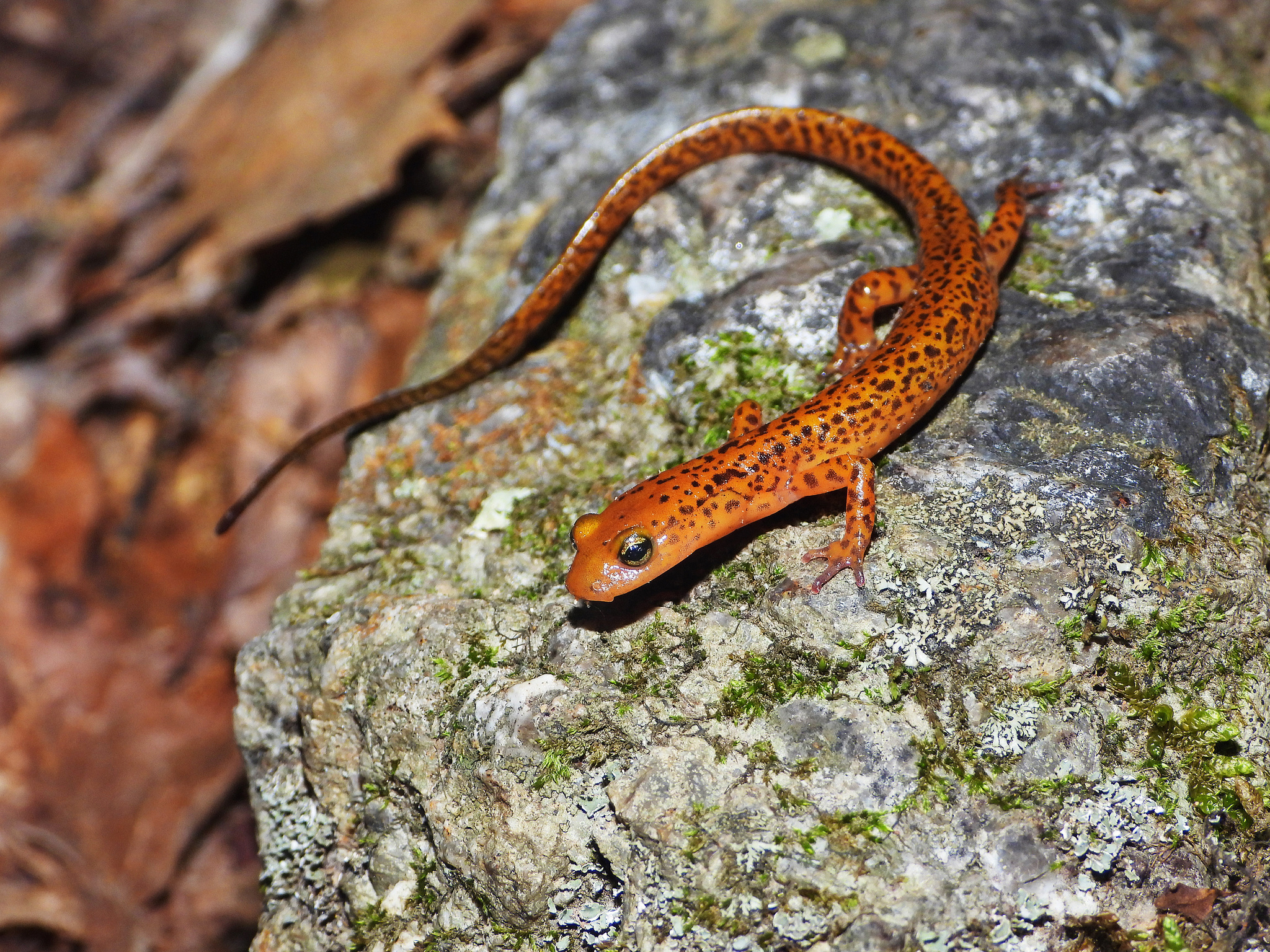
The long-tailed salamander is found throughout portions of the eastern United States, including much of the Appalachian region from Pennsylvania and West Virginia south into Tennessee, North Carolina, Georgia and Alabama.
Long-tailed Salamander
Conservation Considerations
Since the long-tailed salamander is a cave and wet crevice enthusiast, populations of this species have undoubtedly been lost due to the impacts of coal mining and acid-mine drainage. They are listed as a threatened species in both New Jersey and Kansas.
Long-tailed Salamander
Did you know?
Scientists aren’t sure what purpose the extra-long tail on this species serves, but it might help it to ward off predators. Like many other species, the long-tailed salamander can detach its tail when attacked, which will continue to wriggle after being lost and draw attention away from its former owner.

Cheat Mountain Salamander
Description
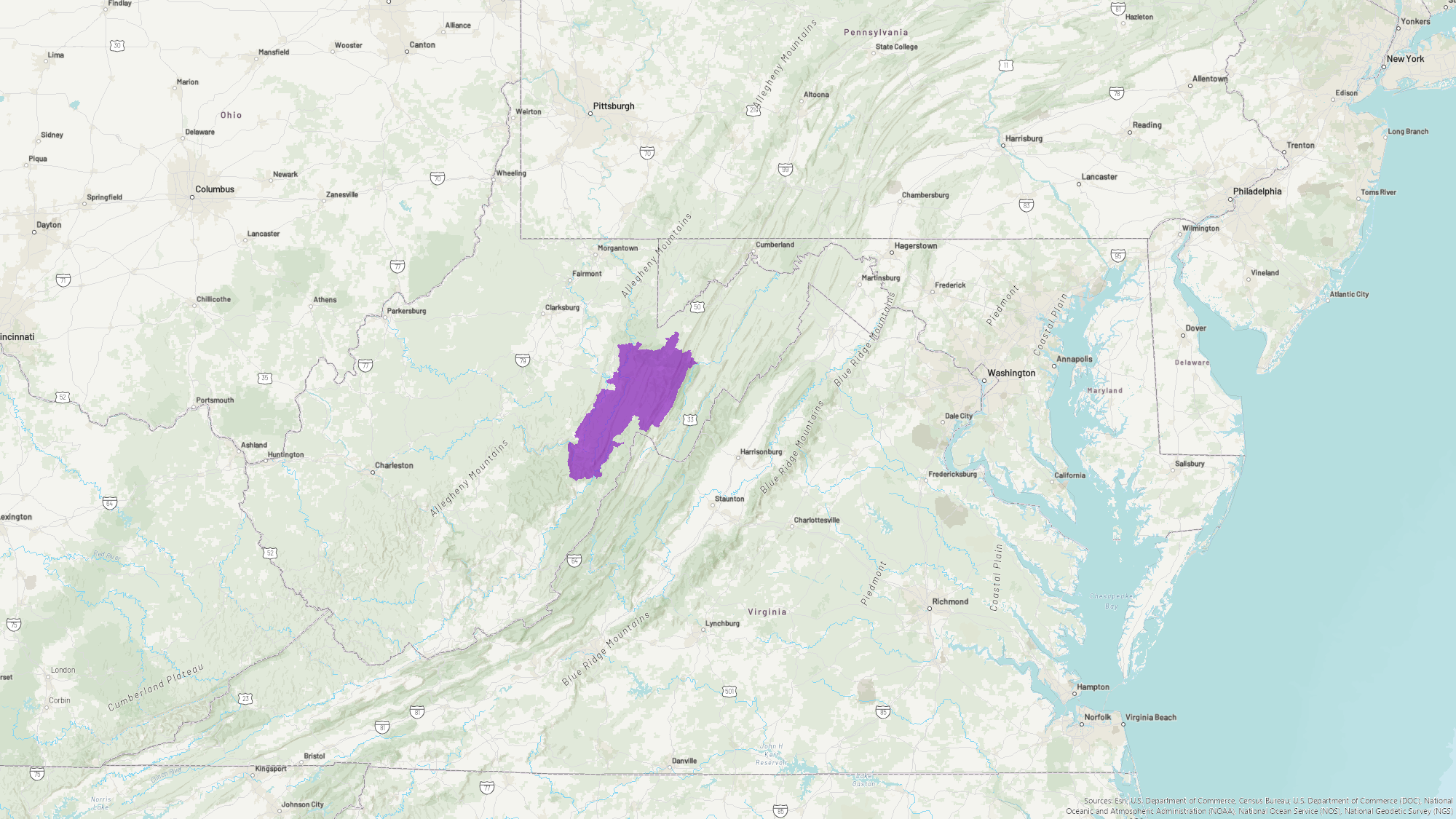
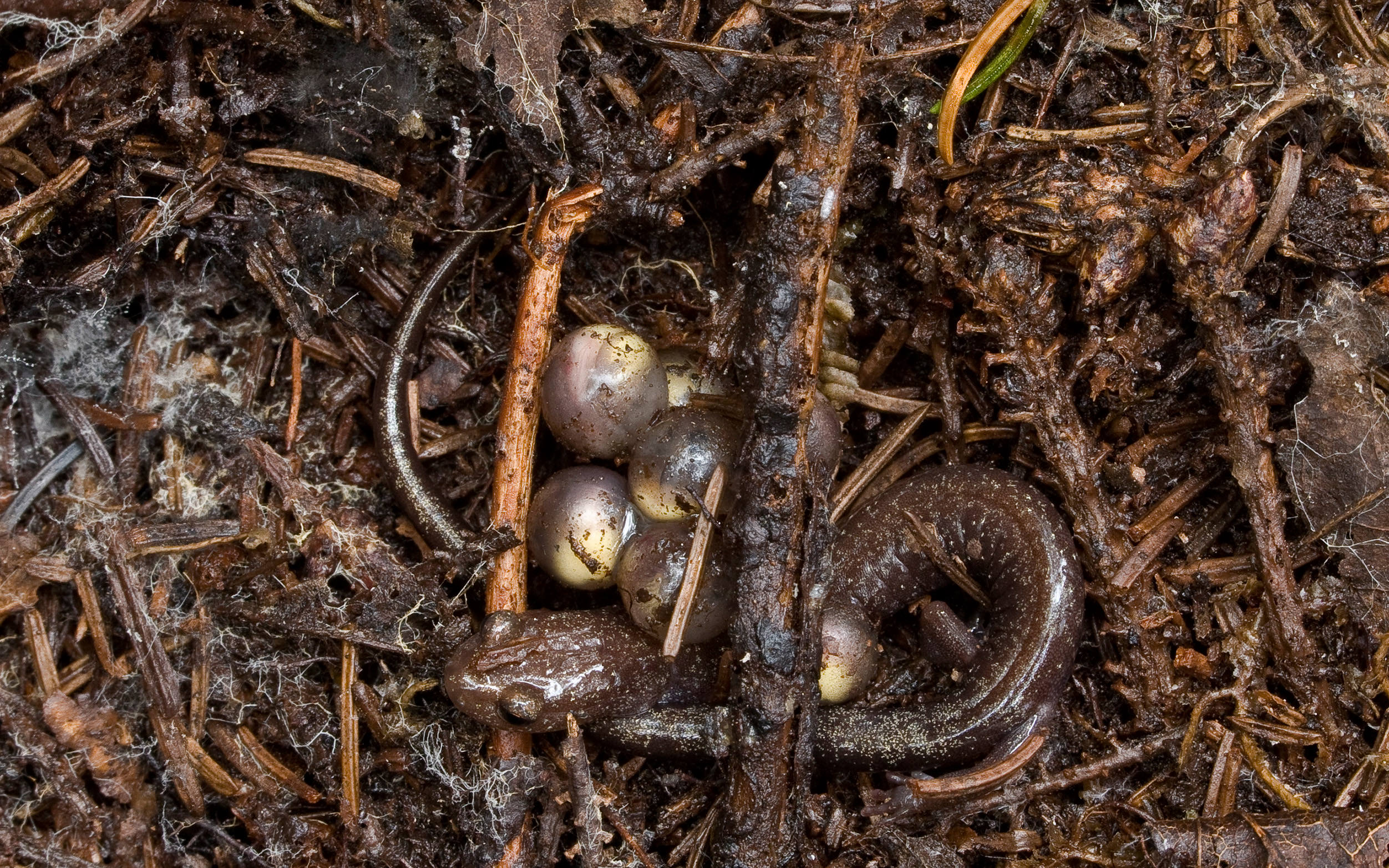
The Cheat Mountain salamander is a rare woodland salamander found only in the high elevations of West Virginia’s Allegheny Mountains, making it one of the Appalachian region’s true endemic species. It inhabits cool, moist red spruce and northern hardwood forests, where it spends much of its life beneath logs, rocks and leaf litter.
Cheat Mountain Salamander
Range
When the endangered Cheat Mountain salamander was first discovered in the early 20th century, it was thought to exist in only one place—Cheat Mountain.
Cheat Mountain Salamander
It’s now believed that their range extends to a small portion of the Allegheny Mountains running through eastern West Virginia, mostly in pockets of red spruce or mixed deciduous forests that grew in the place of harvested red spruce stands.
Cheat Mountain Salamander
Conservation Considerations
Their highly restricted range leaves it vulnerable to climate change, logging and other impacts, but The Nature Conservancy’s efforts to restore red spruce forest in this region are providing a much-needed life raft.
Cheat Mountain Salamander
Did you know?
The Cheat Mountain salamander lives most of its life underground in a territory typically no more than 48 square feet, but it will emerge to hunt tiny insects across the forest floor on moist nights.
Yonahlossee Salamander
Description
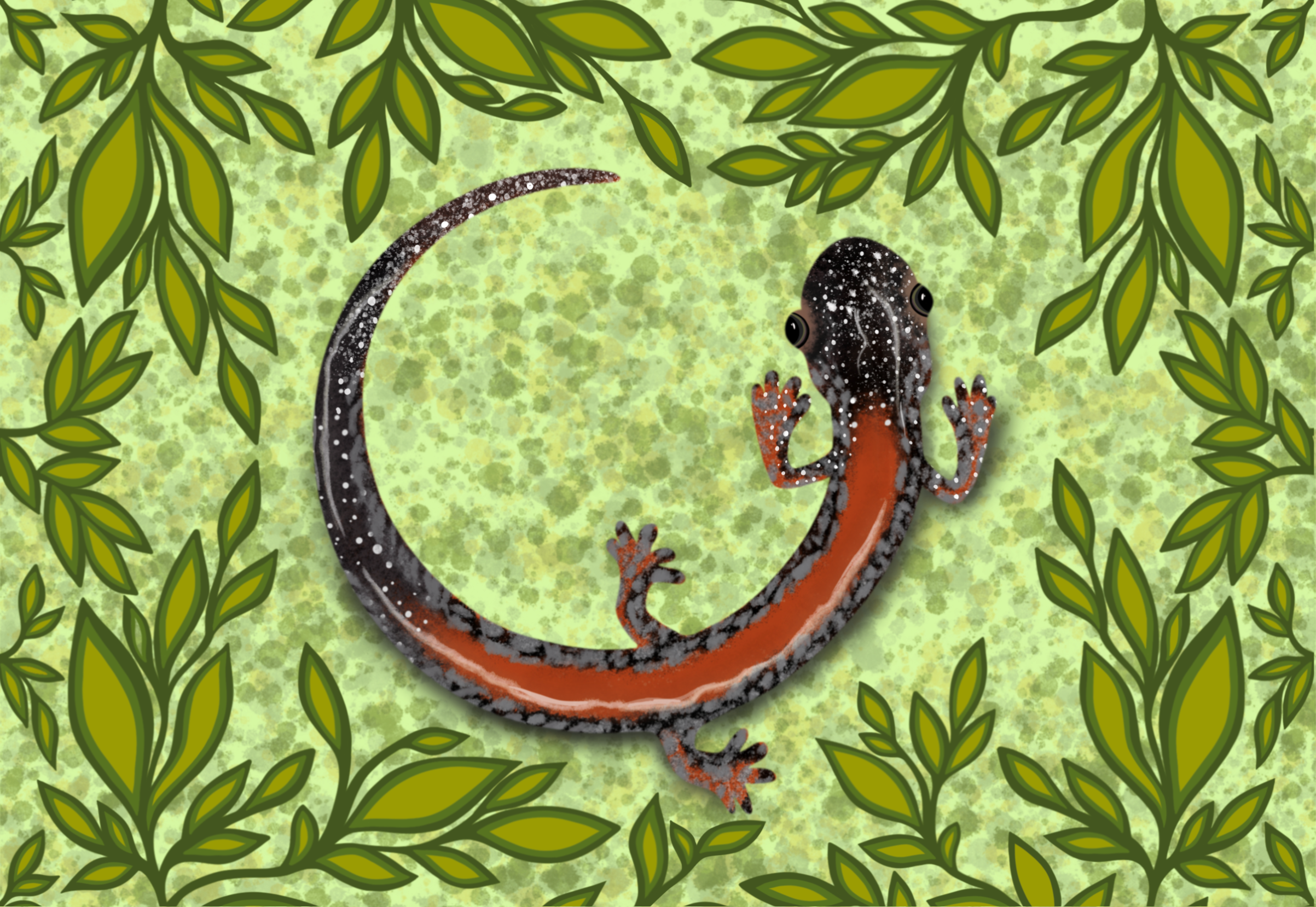
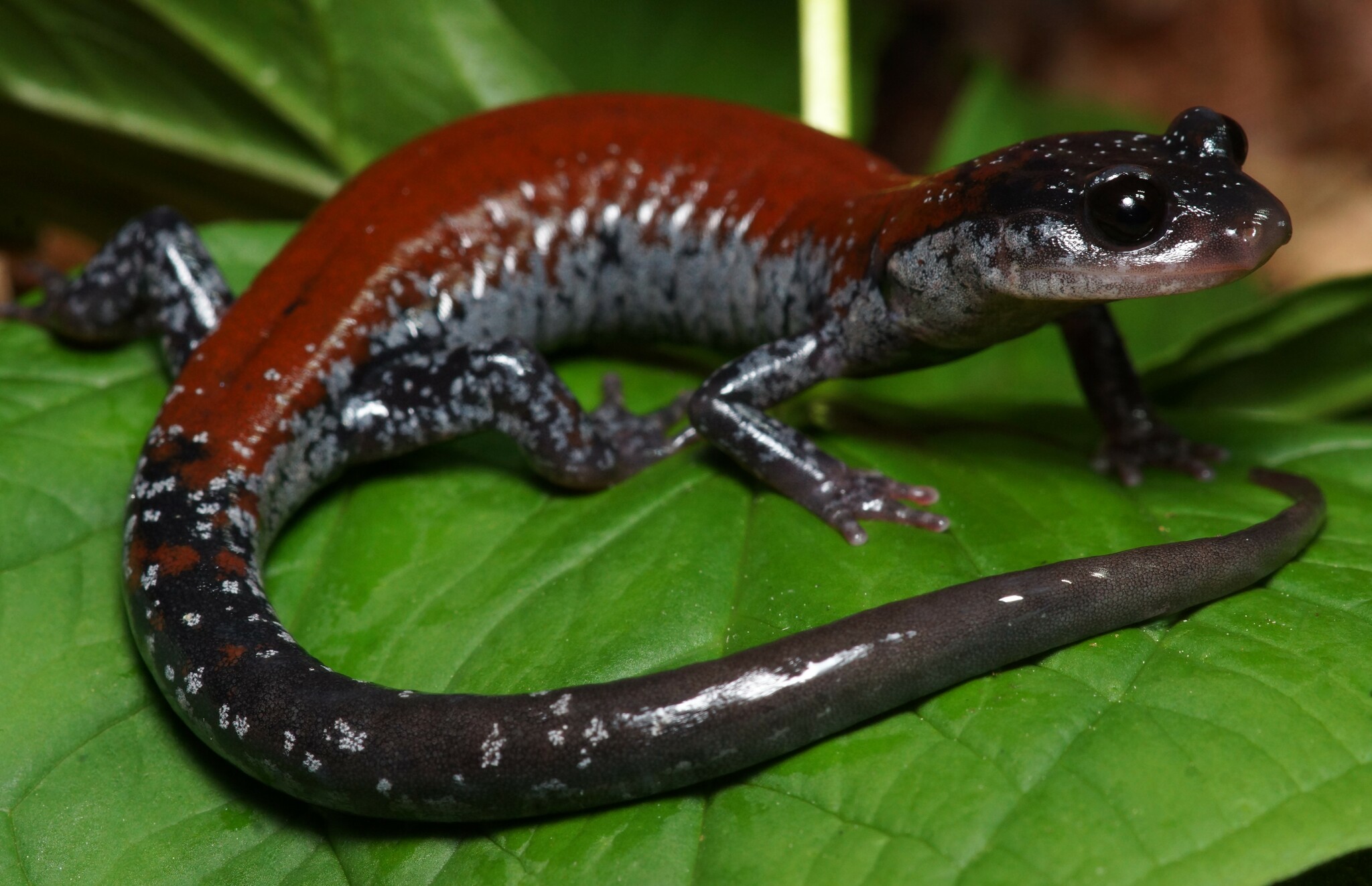
One of the largest salamander species found in the Southern Appalachians is the Yonahlossee, which can grow to between 10 and 22 cm once it reaches adulthood. It takes its name from the place it was first described—Yonahlossee Road in North Carolina, which is derived from a Cherokee word meaning “trail of the bear.”
Yonahlossee Salamander
It’s recognizable by the brightly rust-colored stripe running down its back, though you’re only likely to see one at night when they emerge from their burrows to hunt insects and other small prey.
Yonahlossee Salamander
Range
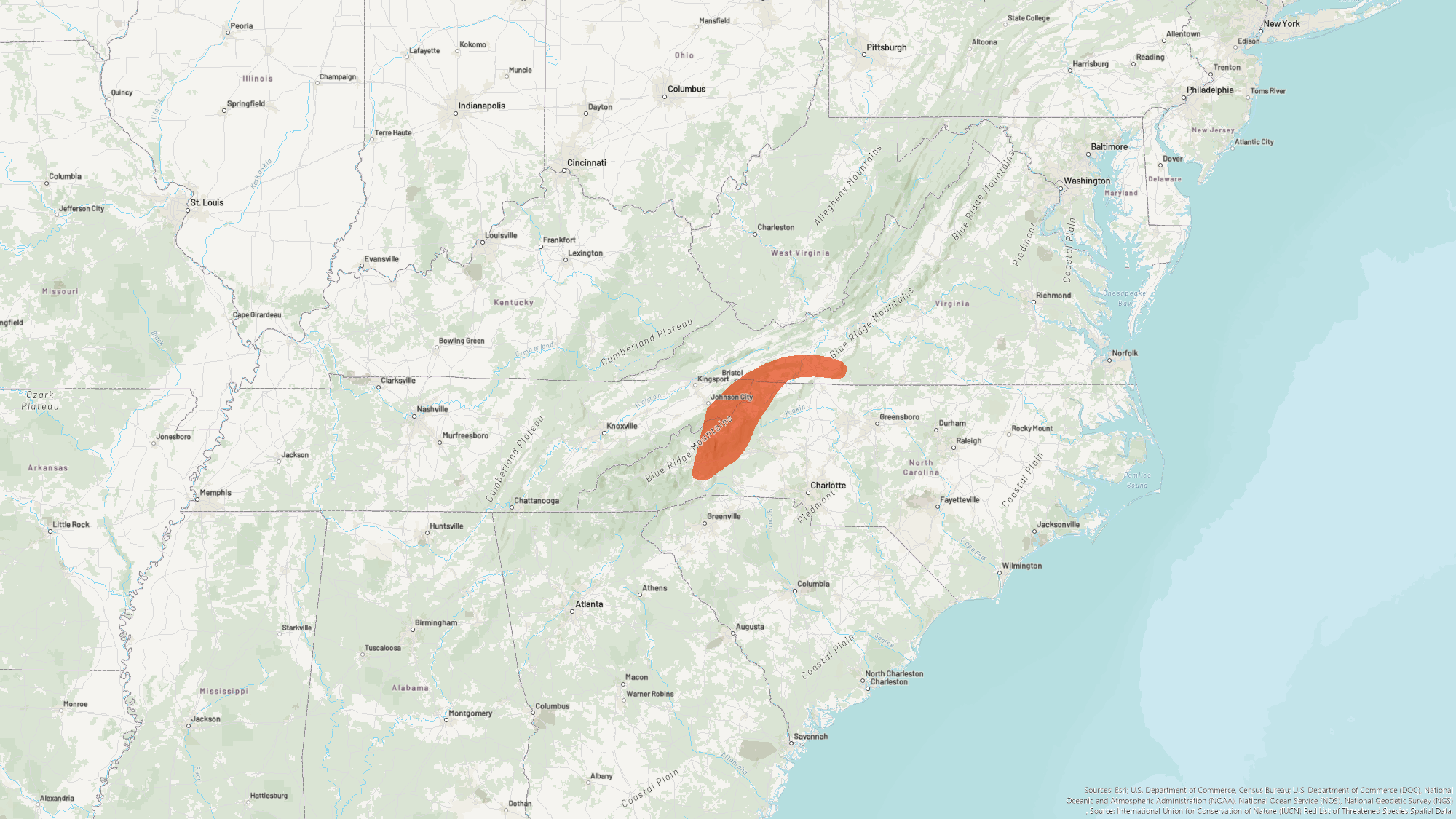
The Yonahlossee salamander is found in the southern Appalachian Mountains of western North Carolina, eastern Tennessee and southwestern Virginia. It inhabits cool, moist forests, where it shelters beneath rocks, logs and leaf litter, often at mid to high elevations.
Yonahlossee Salamander
Conservation Considerations
While the Yonahlossee salamander is not currently considered threatened across its range, it depends on the cool, moist forest and streamside habitats that characterize the southern Appalachians.
Yonahlossee Salamander
In Tennessee, the species occurs in the Horse Creek area of the Cherokee National Forest, where conservation partners are designing a streambank stabilization project to protect and improve aquatic and riparian habitat. Efforts like these help maintain the healthy forest and freshwater ecosystems that support species like this.
Yonahlossee Salamander
Did you know?
Birds, snakes and other predators looking to make a snack of a Yonahlossee may be in for an unpleasant surprise. When attacked, the salamander can secret a noxious chemical from its tail to defend itself.
The next time you walk through an Appalachian forest, remember that an entire hidden world exists beneath your feet. Tucked under leaves, logs, rocks and moss, salamanders have quietly inhabited these mountains for millions of years. Their continued survival is a reminder that when we protect healthy, connected landscapes, we help preserve the incredible diversity that makes the Appalachians one of the world’s most extraordinary places for wildlife.
Explore More
Salamanders are an important part of Appalachian ecosystems, and their need for healthy forests, clean water and connected habitats reflects the broader conservation challenges facing the region. Explore the resources below to dive deeper into salamander biology, conservation and the work being done to protect the landscapes they call home.
Related Articles

Rescuing the Hickory Nut Gorge Green Salamander
Explore how conservationists are racing to save the Hickory Nut Gorge green salamander, a rare species found only in western North Carolina, from the brink of extinction.

Species of the Allegheny Front
Learn more about this astonishing landscape, the species that call it home and the work that TNC is doing to conserve this special place.

Reconnecting Appalachian Rivers
Harnessing the power of experience, partnerships and collective resources to free rivers and safeguard communities.

Migration Marvels of the Appalachians
Each autumn and spring, the skies above the Appalachian Mountains come alive with movement. Explore some of the species you may encounter along this bustling wildlife corridor.
We Can’t Save Nature Without You
Subscribe for the latest conservation news, updates, and ways to get involved.