

Latin America, Leading the Way in Innovative Nature Finance
Latin America is among the regions most exposed to climate, economic, and biodiversity crises, yet it is also central to solving them.
By Ana Guzmán
“Rain used to arrive when it was supposed to. We knew when to plant, when to fish, and when to harvest,” says María, an Indigenous leader from the Amazon. “In recent years, droughts have become more severe and prolonged. River levels dropped so dramatically that boats could no longer reach our communities, fish became scarce, and many families struggled to sell their products in nearby markets. The drought limited access to water and severely impacted the local economy.”
The effects of environmental degradation are not limited to the Amazon. María’s experience reflects a reality unfolding across the globe. Combined with climate change and biodiversity loss, environmental pressures are affecting more territories and more people every year. This year alone, we have witnessed massive wildfires spreading from Canada into Latin America, devastating thousands of hectares of critical ecosystems.
Impacts of climate change on the Amazon
Even the world's largest river and its basin suffer climate change impacts, such as droughts, that disrupt natural water flow and ecological cycles.


Extreme weather events threaten food security, water availability, public health, infrastructure, and economic opportunities for millions of people. In 2024 (then the hottest year ever recorded, a record since surpassed in 2026) the World Meteorological Organization (WMO) reported more than 150 climate-related disasters that displaced over 800,000 people. In the Amazon, a historic drought pushed the Negro River in Manaus to one of its lowest levels in more than a century, disrupting access to water, food, education, and healthcare services across several Amazon Basin countries.
The economic costs are equally significant. According to Swiss Re, losses associated with natural disasters reached US$145 billion in 2025, an amount roughly equivalent to Colombia’s annual national budget. Yet behind these figures are communities and families bearing the heaviest consequences.
People behind the figures
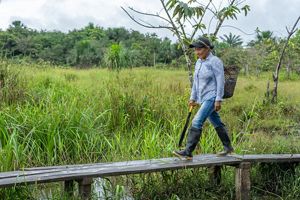
Indigenous women are one of the groups most vulnerable to the effects of climate change.
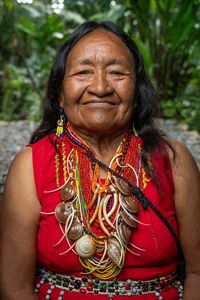


Mujer indígena: de la Amazonía ecuatoriana. © Sebastián Di Doménico
Mujer indígena: de la Amazonía ecuatoriana © Sebastián Di Doménico
Mujer indígena: de la Amazonía ecuatoriana © Sebastián Di Doménico
Mujer indígena: de la Amazonía colombiana © Sebastián Di Doménico
Climate finance has expanded substantially over the past decade, but the funding gap remains enormous. According to the Climate Policy Initiative, annual investments of US$7.4 trillion will be needed by 2030 to address climate change, biodiversity loss, and ecosystem degradation. While the scale of the challenge is immense, so is the opportunity to transform economic systems toward greater sustainability and resilience.

Closing that gap requires more than mobilizing capital. It demands transforming economies by recognizing the value of ecosystems and the communities that protect them.
Latin America needs mechanisms capable of directing public, private, and philanthropic capital toward solutions that generate environmental, social, and economic benefits. That is why TNC works with governments, local communities, financial institutions, and other partners to design models that connect conservation and sustainable development.
The challenge now is scaling these solutions while ensuring integrity, measurable outcomes, and strong institutions capable of sustaining them over the long term.
Brazil: A Laboratory for Financial Innovation
The idea that conservation and development are opposing forces is a false dilemma. When conservation creates tangible benefits and improves productivity for communities, governments, and businesses, protecting ecosystems is no longer viewed as a cost but as an investment in resilience, economic prosperity, and sustainable development.
Brazil offers a compelling example. In recent years, the country has emerged as a global laboratory for innovative nature finance, pioneering solutions that connect financial markets, public policy, and private-sector commitments to forest conservation.
Among the most important initiatives supported by TNC are the concessions of public lands for forest restoration, a model that combines conservation, responsible management, and revenue generation through the sustainable use of forest resources.
This mechanism enables public forest lands to be managed under rigorous environmental and social standards, creating a viable economic alternative to illegal deforestation while increasing the value of standing forests as productive and sustainable assets. Through this model, TNC partnered with the Government of Pará to restore 10,000 hectares of native vegetation and remove 3.7 million metric tons of CO₂ from the atmosphere.


Brazil has also played a leading role in developing and promoting international financial mechanisms such as the Tropical Forest Forever Facility (TFFF), which aims to mobilize billions of dollars to reward tropical countries that successfully conserve forests and reduce deforestation.
The TFFF seeks to establish long-term incentives for conservation by recognizing the value of the critical ecosystem services tropical forests provide, including carbon storage, climate regulation, and biodiversity protection. One of its most significant commitments is allocating at least 20% of its resources directly to Indigenous Peoples and local and traditional communities, acknowledging their role as the primary stewards of tropical forests.

This is a historic turning point. For too long, funding has flowed through systems that are slow, fragmented, and culturally disconnected. Projects have often excluded our consent.
At the same time, partnerships such as the Coalition for Climate and Amazon Transformation and the Innovative Finance for the Amazon, Cerrado and Chaco Initiative (IFACC) are mobilizing private and philanthropic investment to accelerate the transition toward deforestation-free supply chains, sustainable agriculture, ecosystem restoration, bioeconomy, and other forest-friendly activities.
Together, these initiatives illustrate Brazil’s growing leadership in developing innovative financial solutions for ecosystem protection. While each mechanism operates differently, they share a common objective: creating economic conditions that reduce pressure on forests, halt deforestation, and generate long-term benefits for people and nature.
-
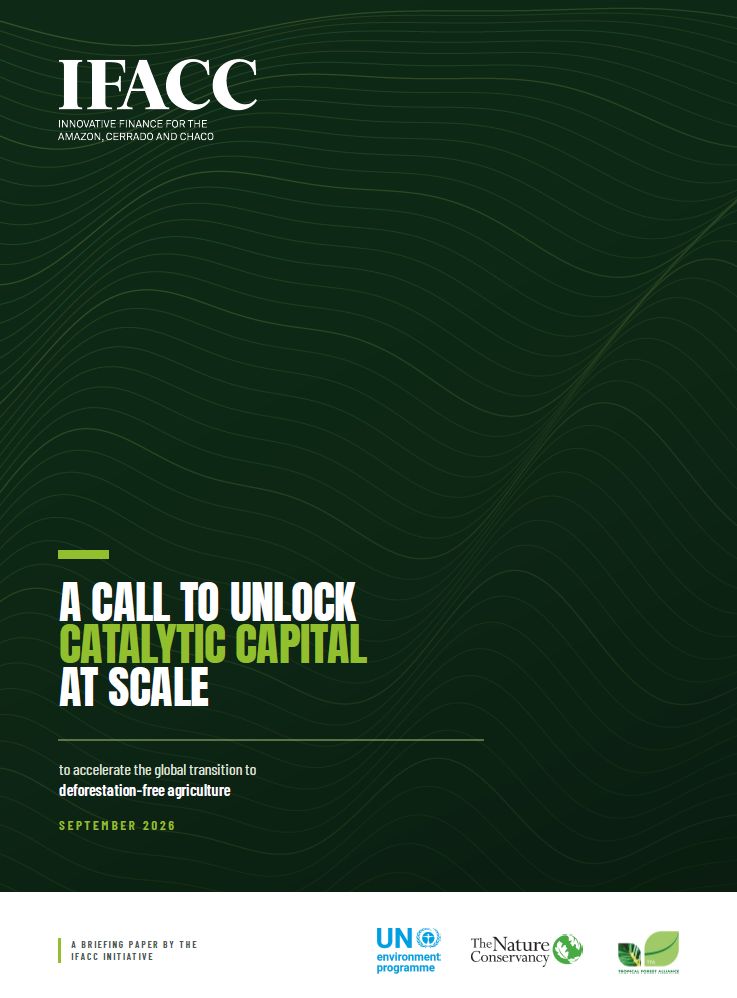
New IFACC paper
A call to mobilize catalytic capital at scale to accelerate the transition to deforestation-free agriculture. Download the paper
Nature Bonds: Refinancing Debt to Protect Nature
Debt-for-nature swaps have emerged as an attractive financing option for countries. Instead of directing scarce resources toward debt repayment alone, governments can secure better financing terms by committing to protect strategic ecosystems and invest in their conservation and management.
The largest deal of its kind was completed in December 2024 through an initiative led by TNC in partnership with the U.S. International Development Finance Corporation, the Inter-American Development Bank (IDB), and Bank of America. Through the agreement, Ecuador refinanced a portion of its debt and unlocked US$460 million for Amazon conservation over the following 17 years.

Ecuador’s debt-for-nature conversion creates a unique opportunity to direct resources to Amazonian territories. When Indigenous Peoples participate in decision-making and fund management, conservation becomes an investment not only in nature, but also in community well-being, governance, and local d
The initiative will improve the management of 4.6 million hectares of protected areas, help conserve 18,000 kilometers of rivers, and strengthen livelihoods for Indigenous Peoples and local communities across the Amazon.
Three years earlier, Belize paved the way with one of the first large-scale debt-for-nature swaps. The country repurchased US$553 million of external debt and committed to protecting at least 30% of its territorial waters, which include one of the hemisphere’s most important marine ecosystems. The agreement created a fund expected to mobilize nearly US$180 million over two decades to support ocean conservation and sustainable fisheries.
-
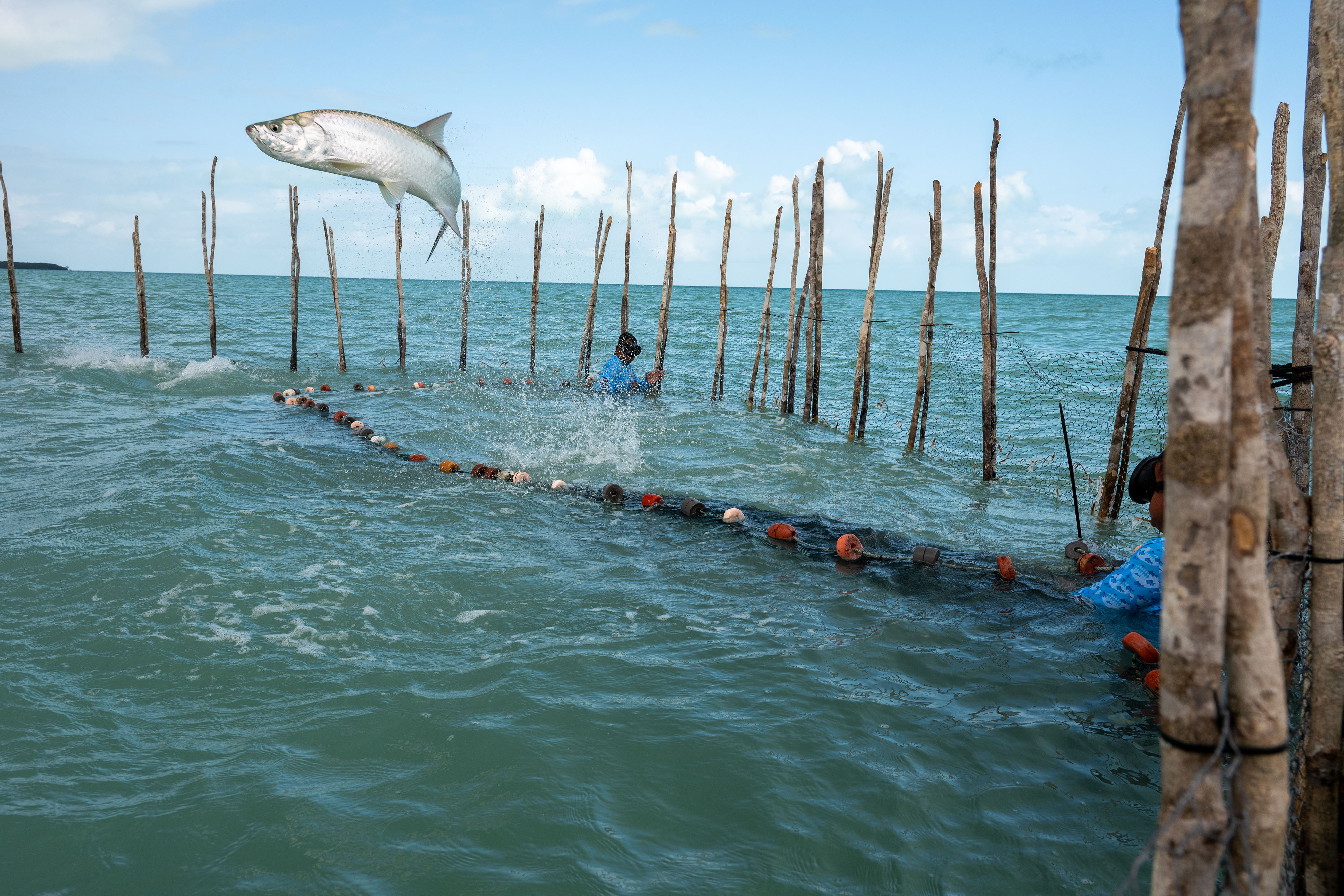
The impact of Nature Bonds in Belize
Five years after the debt conversion, communities are the driving force of marine conservation. Read the story
Integrity Carbon Markets
Carbon markets are another important tool through which governments, companies, and organizations finance conservation efforts. The concept is straightforward: entities that reduce emissions by avoiding deforestation or restoring forests can generate carbon credits, which other companies may purchase as part of their climate strategies.
Across Latin America, TNC has promoted a jurisdictional approach focused on voluntary carbon markets. Rather than working property by property, the model addresses deforestation at the landscape and regional levels, strengthening public policies while ensuring benefits reach local communities and producers.
Voluntary carbon markets can also create jobs and new income opportunities for Indigenous Peoples and local communities. When designed and implemented according to the highest integrity standards, these markets can ensure that conservation finance reaches communities in a fair and effective manner. Through this approach
-

Breathing New Life into Chile's Valdivian Forest
The Valdivian Coastal Reserve, the first REDD+ forest carbon project in Chile. Discover the benefits
Indigenous Peoples and Local Communities are at the Center of Nature Finance
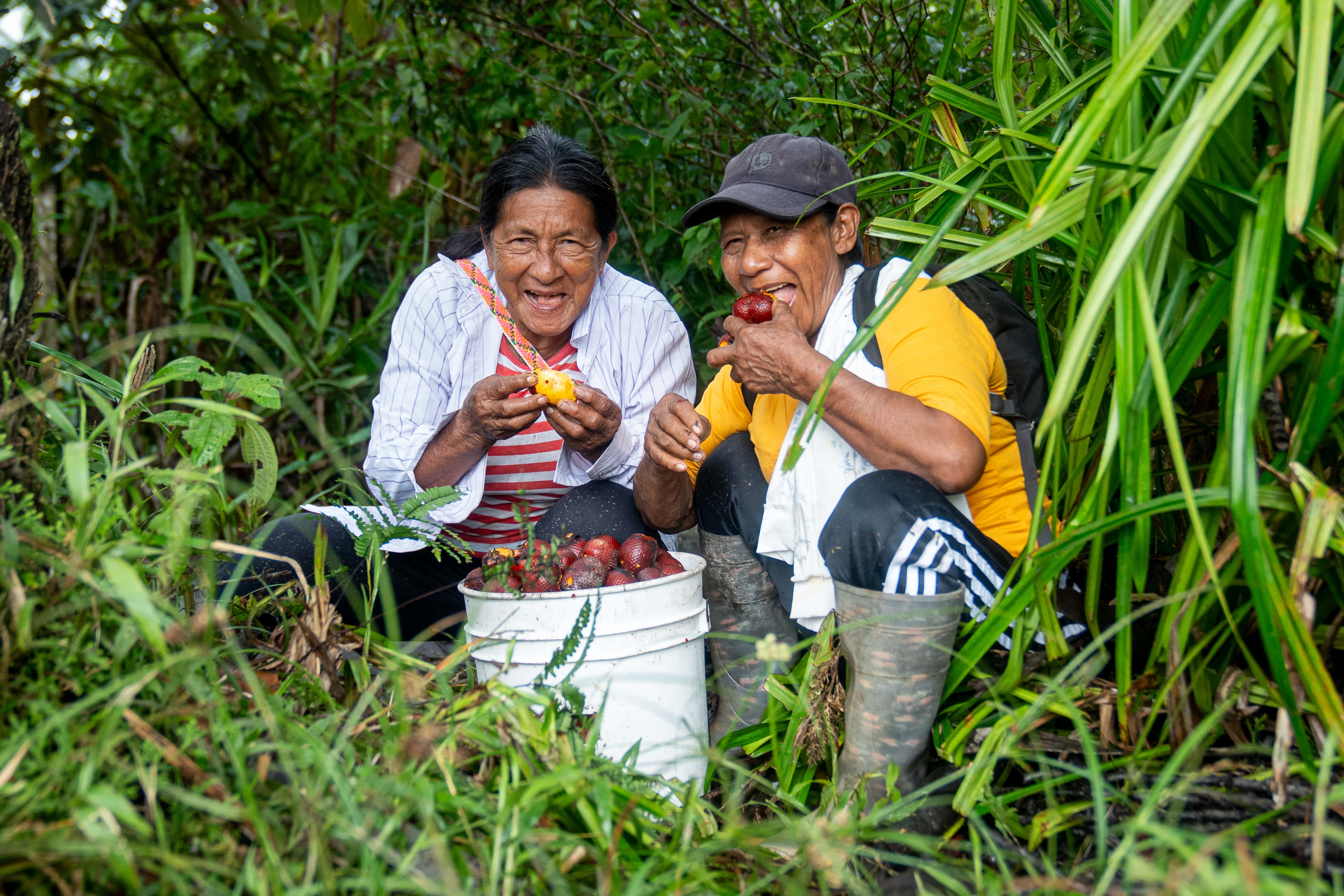
One of the greatest challenges is that the majority of conservation finance still does not reach Indigenous Peoples and traditional communities, even though they steward some of the world's most important carbon stocks and biodiversity-rich landscapes. Today, they receive only around 1% of available funding.
Through funds designed around participation, transparency, and inclusive governance, TNC supports local capacity-building, territorial management, sustainable livelihoods, and community-led initiatives. The goal is to ensure that a greater share of resources reaches the people living in the territories that harbor much of the planet’s biodiversity.
One example is TNC’s support for the Podáali Fund in Brazil, the Amazon’s first Indigenous-led financing mechanism, designed, governed, and managed by Indigenous organizations to channel resources directly toward priorities identified by their communities. TNC is advancing similar direct-finance initiatives in Colombia, Ecuador, Peru, and other countries across the region.
Global Insights.
Check out our latest thinking and real-world solutions to some of the most complex challenges facing people and the planet today.
Conservation Finance

The Debt-for-Nature Lifeline
Debt-for-nature swaps are no longer just a viable economic option; they are now a lifeline for our planet. We must pursue crucial reforms and make credible commitments before it's too late.

What It Will Take to Achieve Equitable Economics for Indigenous and Local Community Nature Guardians
The world discourse increasingly centers the crucial role of Indigenous Peoples and local communities in the fight for biodiversity and against climate change.

Advancing a More Resilient Future for Agriculture through Market Transformation | NatureVest
Agricultural markets are at a crossroads. NatureVest's Jake Davis discusses resilience, regenerative practices and the financial tools driving market transformation.