


Rock Islands The coral reefs of Palau are part of a massive interconnected system that ties together Micronesia and the Western Pacific. © Ian Shive

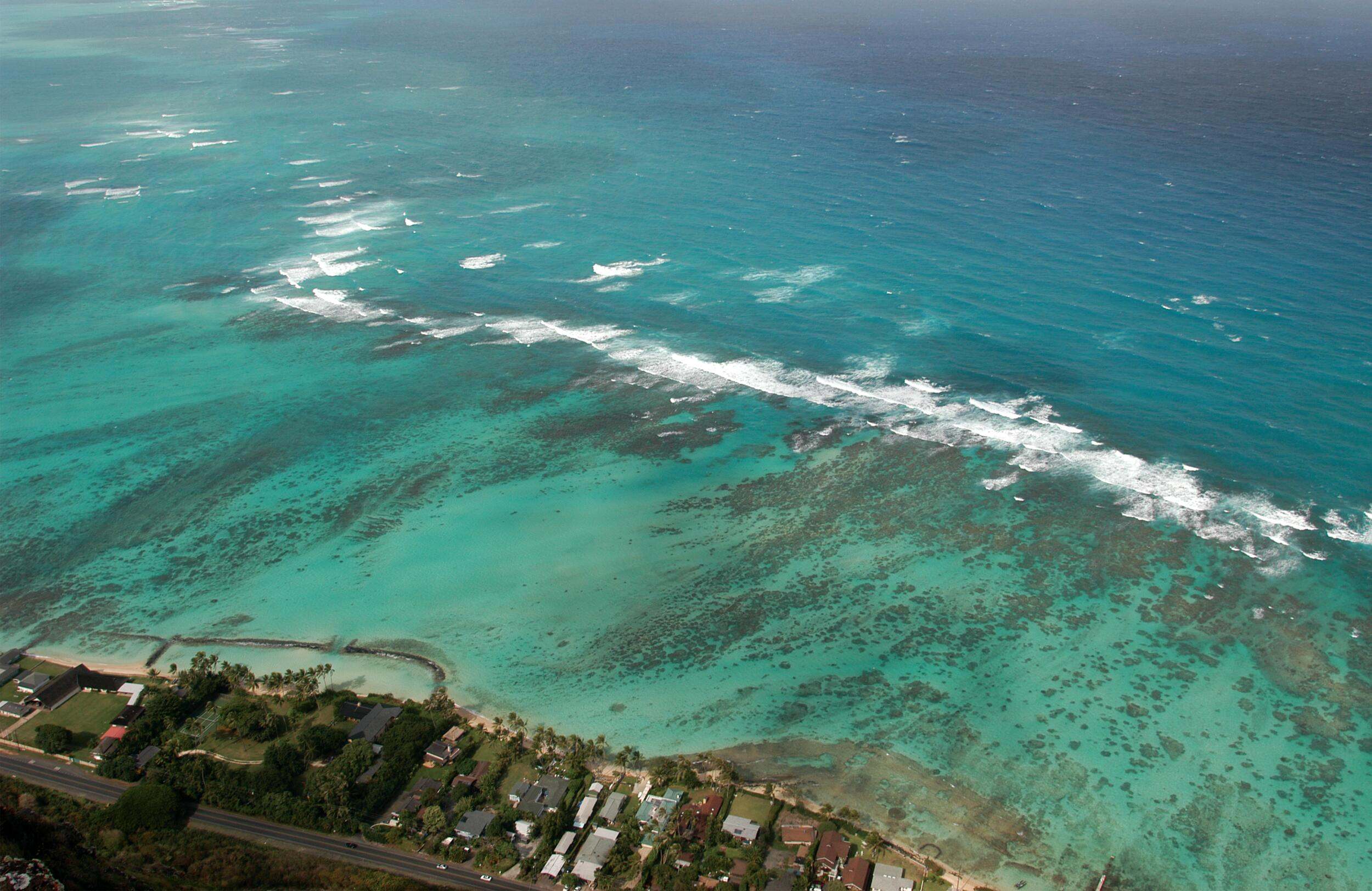
As the consequences of climate change become more severe, nature can provide some of the most effective solutions we have to safeguard people and places. Coral reefs and mangroves buffer coastal communities against stronger storms and hurricanes. Well-managed forests reduce the risk of catastrophic wildfire damage. When these natural systems are degraded or lost, our vulnerability to the growing impacts of climate change only deepens.
So how do we make sure that when nature is damaged, support flows quickly, restoring ecosystems fast and reducing the risks faced by the most climate-vulnerable communities?
For the first time, we can insure natural systems the way we insure other valuable assets—like our homes—guaranteeing resources are ready the moment they’re needed.
A New Approach to Insurance
TNC works with partners and climate-vulnerable communities to design equitable, practical financial opportunities that support adaptation for the people and places that need it the most. So far, we’ve collaborated to develop innovative natural asset insurance, resilience insurance, and livelihoods insurance. See examples of some of this work below.
Mexico Reef Insurance
A World First With Proven Success
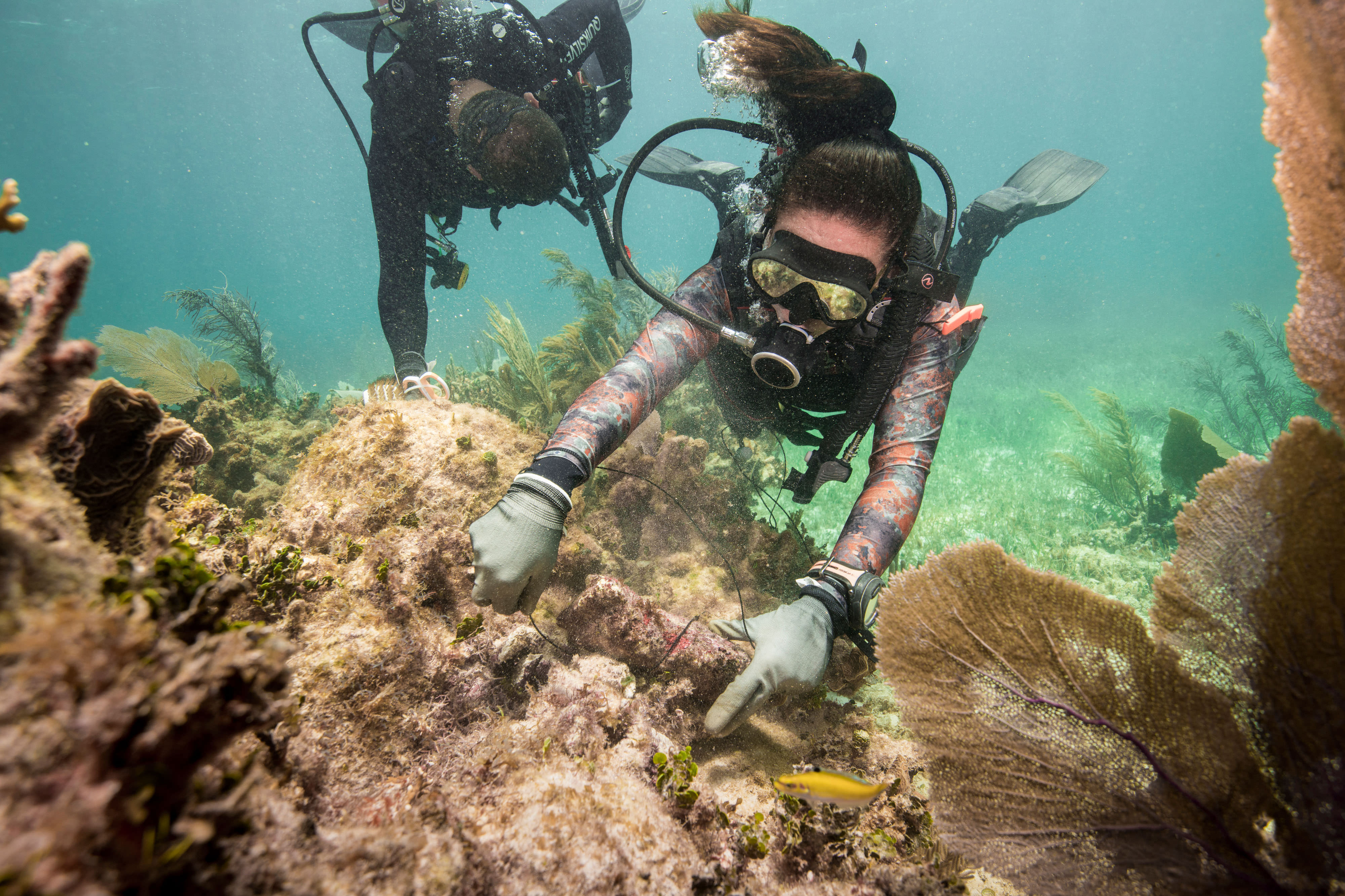
In 2019, TNC partnered with the Mexican state of Quintana Roo to create the world’s first insurance policy for coral reefs and beaches. When Hurricane Delta struck in 2020, the policy delivered immediate results: nearly $850,000 was paid out to help repair and restore natural assets. Trained reef first responders known as the Reef Brigade collected and planted 8,000 coral fragments in the first 11 days after the hurricane.
Hawaii Reef Insurance
The First Insurance Policy for Nature in the U.S.
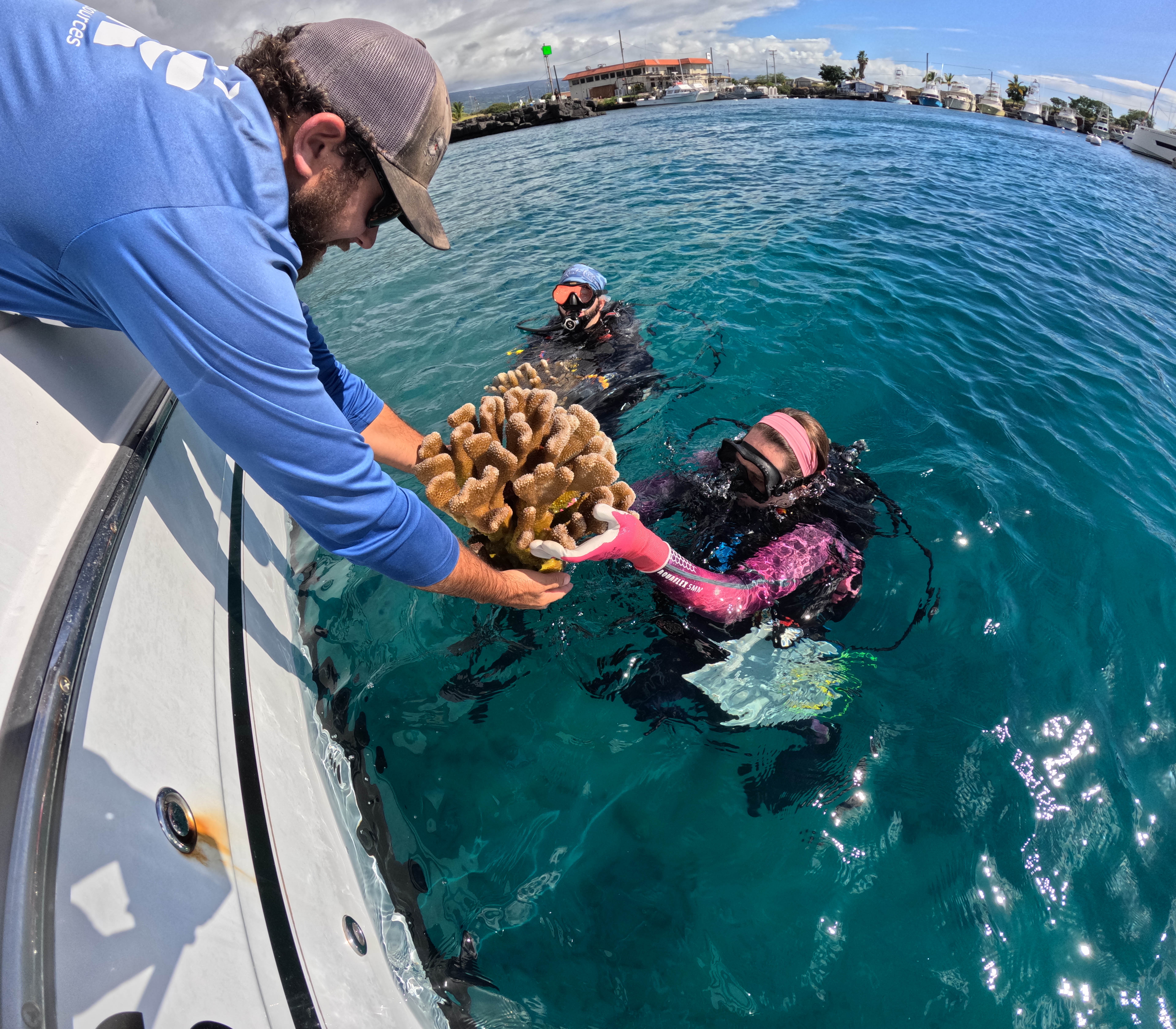
Building on the success in Mexico, TNC launched the first coral reef insurance policy in the United States in 2022 to fund rapid reef repair and restoration immediately after a hurricane or tropical storm. In 2025, the policy was renewed and the minimum payout increased to $200,000 to provide coverage across reefs surrounding the eight Main Hawaiian Islands.
Wildfire Resilience Insurance
An Innovative Solution in California
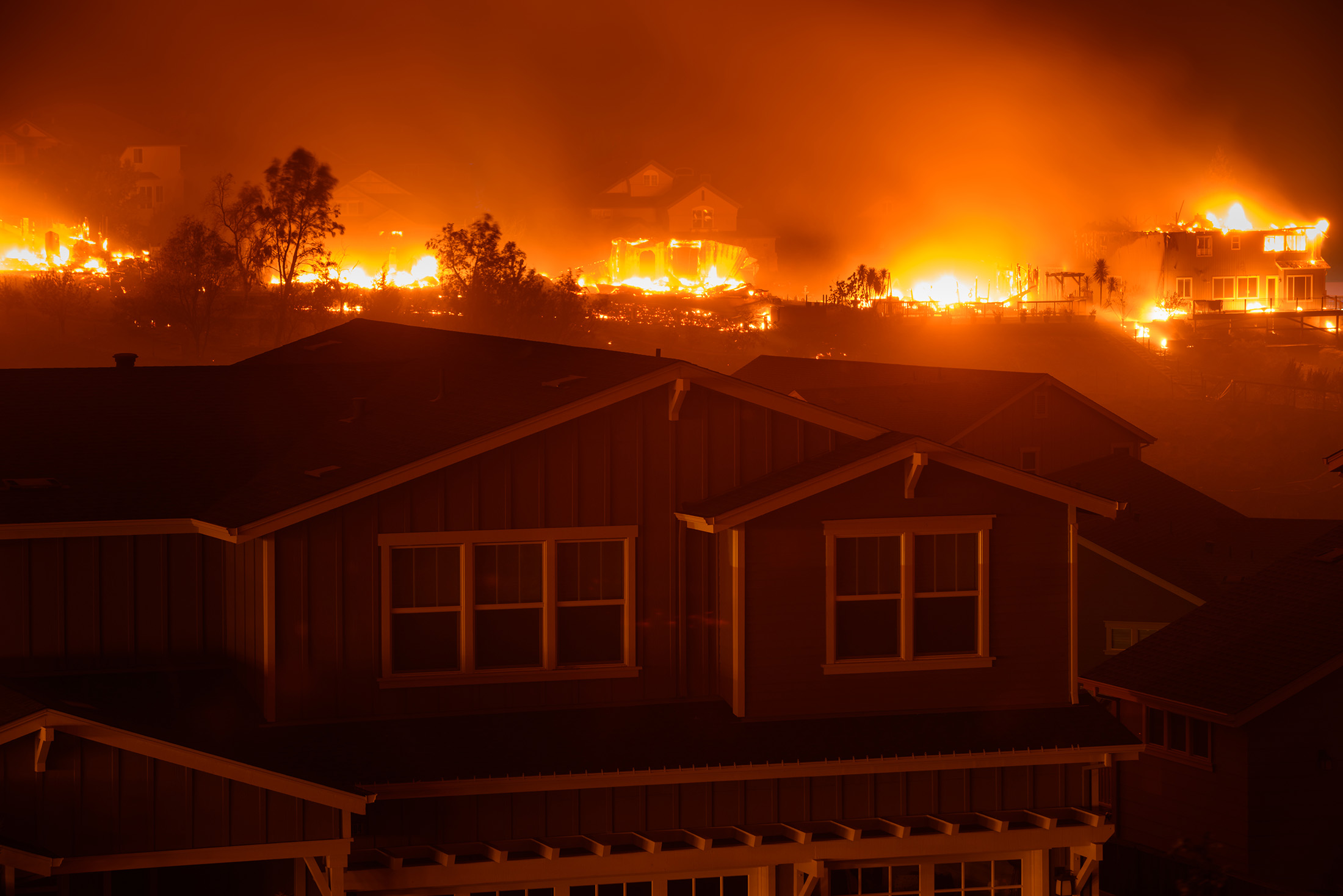
As wildfire risk and damage has intensified in the U.S., so has the pressure on the insurance industry, with many insurers declining to write and renew insurance in California and other states. TNC partnered with Willis to improve the availability and affordability of insurance for a community in California. This wildfire resilience insurance policy accounts for forest management efforts leading to a 39% lower premium and 89% lower deductible.
How Parametric Insurance Works
Unlike traditional indemnity insurance that is dependent on damage assessment, parametric insurance pays out immediately when specific conditions are met—like wind speeds reaching dangerous levels. This means:
- Rapidly-released funding for emergency response
- No lengthy claims process
- Rapid deployment of trained restoration teams
- Neighboring communities can benefit directly and indirectly from a thriving ecosystem following effective restoration efforts
Why Insure Reefs for Climate Adaptation?
Insuring coral reefs means storm damage gets fixed fast, ensuring coastal communities continue to benefit from the resilience these ecosystems deliver
-

97%
Healthy coral reefs can reduce up to 97% of wave energy
-

$1.8B
$1.8 billion in annual flood protection benefits in the U.S.
-

1B
~1 billion people benefit from coral reef ecosystem services
-

50%
One severe hurricane can cause 50%+ loss of live coral cover
Think globally, act locally.
Sign up to receive monthly conservation updates and learn how you can get involved.
Quote: Jennifer Morris
Insurance is evolving. It's no longer just about payouts after disaster—it's about preventing disaster in the first place by incentivizing behaviors that reduce risk and protect nature. And it's about ensuring that the benefits of insurance programs flow to the communities most in need.
As climate change and habitat loss drives increased risk from flooding, extreme heat, drought, wildfires and other natural hazards, the world’s most climate-vulnerable communities need rapid and innovative ways to adapt. Protecting, restoring and better managing nature is our first line of defense—and adaptation finance options such as climate insurance can help.

The future of climate insurance is just beginning.
Visit the link below to learn more about TNC's integrated solutions linking nature and insurance, and how they can help to reduce risk and build resilience to the impacts of climate change.
Related Stories

Insuring Nature to Ensure a Resilient Future
Integrated solutions linking nature and insurance can help to reduce risk and build resilience to the impacts of climate change.

Accelerating Adaptation: Nature-based Solutions
The promise and limitations of nature-based solutions in the race to adapt to increasing floods and droughts.

Foodscapes for People and Nature
Mapping the diversity of food production around the world to inform food systems transformation.