


Insuring Nature to Ensure a Resilient Future
Integrated solutions linking nature and insurance can help to reduce risk and build resilience to the impacts of climate change.
Building lasting resilience toward our shared future.

Nature-based solutions—such as restoring reefs and wetlands that buffer coastal communities from storms, managing forests to reduce wildfire risk and planting hardier crops—have tremendous potential to help communities build their resilience while adapting to the impacts of climate change.
TNC partners with communities around the world to co-create equitable nature-based adaptation solutions. By fostering inclusive decision making, we aim for solutions with multiple benefits in addition to resilience to climate change—such as improved food and water security, alternative livelihoods, fairer governance and reduced poverty.


To achieve our goals, we work side-by-side with partners, communities and decision-makers across the globe.

50M people benefit from nature for adaptation & resilience

Sustainable place-based economic opportunities for 5M people

$1B USD mobilized for adaptation

Improve management of 12M Ha of ocean & terrestrial habitat
Explore some examples of TNC’s community-centered adaptation and resilience initiatives.
No results are shown. To see results, turn on the toggle switches in the legend.

In Western Australia, Blue Carbon Plus (BC+) partners with local organizations that are growing and harvesting sea cucumber species in and around seagrass ecosystems, improving seabed health, supporting carbon sequestration and providing valuable income for coastal communities.

The Kenya Forest Service (KFS) is using high-resolution imagery from Global Mangrove Watch to validate real-time mangrove loss alerts in the Lamu-Tana area. Global Mangrove Alliance Kenya National Chapter helped KFS set up a command centre to reduce patrol costs by remotely verifying alerts before dispatching teams to the field. KFS plans to replicate this program in five coastal counties.

Participatory mapping in Indonesia centers community knowledge on how seagrass ecosystems support fisheries, food security, cultural practices and coastal protection. By documenting these locally experienced benefits, it captures values often overlooked, revealing seagrass meadows as ecosystems that sustain livelihoods and well‑being—not just carbon sinks.

New Jersey is highly vulnerable to storm‑driven flooding, as starkly demonstrated by Hurricane Sandy and increasingly frequent coastal flood events. Working with partners in the Barnegat Bay region, we are identifying priority marsh restoration sites where resilience finance can support implementation and long‑term management, delivering sustained protection for coastal communities.

A 10-year commitment, the Amazon Alliance aims to transform the Amazon into a more resilient, sustainable and inclusive territory, strengthening local leadership and regional cooperation, guided by the ancestral and traditional wisdom of its peoples. The effort will include activities in support of anticipatory climate action, sustainable and resilient livelihoods and community well-being.

TNC launched the first coral reef insurance policy in the United States in 2022 to fund rapid reef repair and restoration immediately after a hurricane or tropical storm. In 2025, the policy was renewed and the minimum payout increased to $200,000 to provide coverage across reefs surrounding the eight main Hawaiian Islands.

Jamaica is advancing mangrove protection through its national climate plan, committing to safeguard about two-thirds of its mangrove forests by 2033 and restore 7,000 hectares by 2027. This effort highlights the role of coastal wetlands in strengthening resilience and supporting nature-based climate solutions.

The Virginia Coast Reserve Seagrass Restoration project is the largest successful seagrass attempt in the world, and soon to be the world's first seagrass carbon market project. The project showcases collaboration across state agency, nonprofit, academia and private-sector partners to bring this project to market.

In the Mediterranean, TNC and partners are launching the first scalable seagrass mapping blueprint. Using satellite imagery, field observations and expert insight, we’re creating transparent, high-quality methods for mapping seagrass globally. Our mapping protects the planet by diving deeper, creating a blueprint that is both scalable and repeatable across environments.

TNC partnered with the Mexican state of Quintana Roo to create the world’s first insurance policy for coral reefs and beaches. When Hurricane Delta struck, the policy delivered immediate results: nearly $850,000 was paid out to help repair and restore natural assets.

As wildfire risk and damage have intensified in the U.S., so has the pressure on the insurance industry. TNC partnered with Willis to improve the availability and affordability of insurance for a community in California. This wildfire resilience insurance policy accounts for forest management efforts leading to a 39% lower premium and 89% lower deductible.

BC+ is working with local businesses to help communities restore saltmarshes, measure their climate and biodiversity impacts, attract greater private finance and establish a business model that can be adopted by others.

Sea cucumbers help recycle nutrients and improve sediment health in seagrass beds, which are critical for coastal protection, biodiversity and carbon storage. With this in mind, BC+ is helping expand a market for sustainably harvested sandfish, supporting models where healthy ecosystems underpin profitable, community-owned businesses like Vanuatu-based Aore Aquaculture.
Image © BC+

TNC, among other partners, supported the government of Papua New Guinea to develop a Blue Carbon Policy Roadmap (2025-2028), which provides a strategic pathway for developing and implementing a national policy to conserve and sustainably manage blue carbon ecosystems.
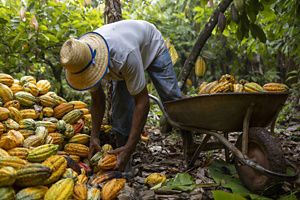
The Amazon Rainforest is Earth's greatest reserve of life. Explore how our lives are tied to this unique place and how we can protect it.
Read more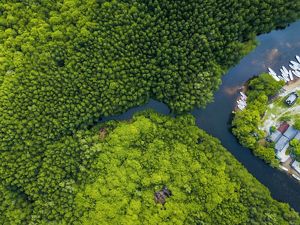
The Global Mangrove Alliance is restoring and conserving mangroves by tailoring approaches to local needs while incorporating local ecological knowledge and community input.
Monitor Mangroves
Hear from TNC's Oregon fire program director as they discuss their work with local partners on fire management practices at Kafue National Park.
Read more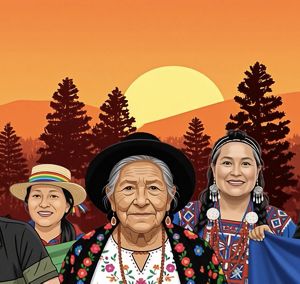
Climate and conservation policy has often excluded Indigenous Peoples. This project analyzes Indigenous perspectives on climate justice in Chile and Peru and their interaction with state policies, aiming to ensure these perspectives are reflected in decisions.
Watch the VideoLearn how The Nature Conservancy and its innovative partners are achieving an ambitious vision to accelerate the pace and scale of coral conservation and restoration. (12:58)
Dive into the waters of Crete to see how The Nature Conservancy and its partners are mapping one of Earth’s most economically valuable ecosystems to further protection and restoration efforts. (3:44)
Explore recent Adaptation and Resilience tools and publications from around the world.
Visit Conservation Gateway, The Nature Conservancy’s free online library of tools, research and strategies to advance science and solutions for climate, conservation and biodiversity.


