

Fisheries represent one of the most tangible ways that people rely on the ocean. They feed communities, sustain cultural traditions and drive coastal economies. One in seven people worldwide relies on fish as a primary source of food, and in the U.S., fisheries fuel more than $300 billion in economic activity each year and support more than 2 million jobs. Yet mounting pressures, including overharvest, bycatch and entanglement of marine wildlife, and habitat loss, threaten marine ecosystems and the fisheries they support.
Effective fisheries management offers a critical pathway to reverse these trends and ensure ocean health, but these practices are increasingly difficult in today’s rapidly changing ocean. Warming waters and shifting species distributions are reshaping where fish live and how reliably they can be caught. And because fish don’t follow political borders or static management lines, we need historic management systems to keep pace. When management can’t adapt, fisheries are at risk of becoming less sustainable, putting marine wildlife, ecosystems and the communities that depend on them at risk.
For more than two decades, The Nature Conservancy (TNC) has worked with partners across North America and around the world to create sustainable fisheries in a changing ocean. To do this, we must steward resources that move, shift and respond to changing oceans. That requires responsive approaches that work across jurisdictions and reflect the dynamic nature of the ocean itself.
Building Sustainable Fisheries in a Changing Ocean
To keep pace with rapidly changing ocean conditions, fisheries management must rely on timely, trusted and science‑based information to guide policy decisions, shape adaptive actions and support both marine ecosystems and the communities that depend on them. Click on the images to learn more.
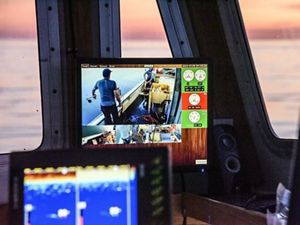
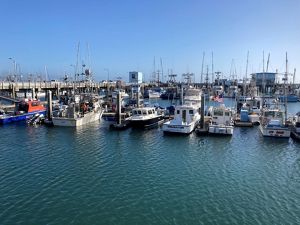
Use Timely, Trusted Data: Up-to-date data on ocean temperatures, species movements and fishery dynamics help managers make decisions that keep fisheries sustainable as conditions shift. © David Hills
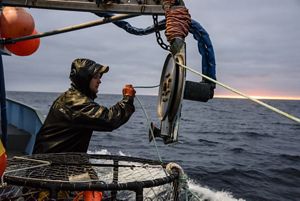
Adaptive Management: Adaptive approaches that adjust harvest levels, seasons or gear in response to fishery and population changes protect fish populations and the communities that depend on them. © David Hills
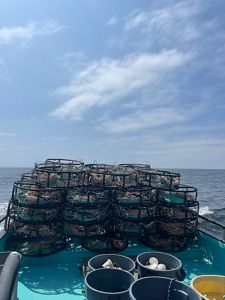
Strengthening Ecosystem: Protecting and restoring key habitats, reducing bycatch and supporting biodiversity all help protect fish and other species withstand climate impacts such as warming waters. © TNC
Supporting Coastal Communities: By collaborating with fishing industry and communities to plan for change, modernize systems and build economic resilience, people can thrive even as ocean conditions evolve. © TNC
Collaboration from Coast to Coast
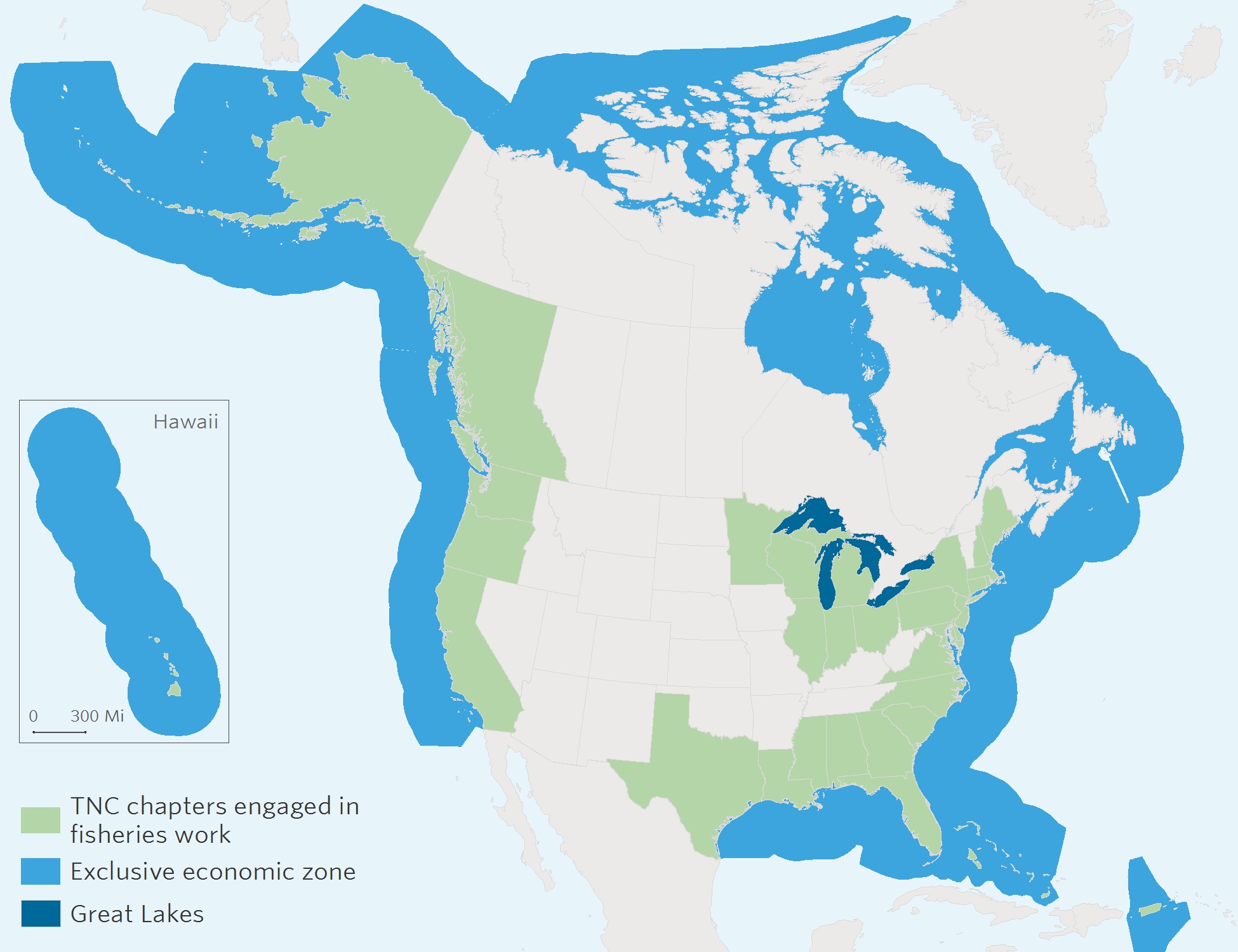
At TNC, our strength lies in working across geographic, political and institutional boundaries to support fisheries and the communities that depend on them. Across the U.S., Canada and the Caribbean, more than 30 TNC staff work on marine and freshwater fisheries—including from the Atlantic Coast to the West Coast of the U.S. and Canada, the Great Lakes and across many Pacific Islands. We partner with fishing industry and community leaders, Indigenous communities, scientists, technologists and managers to co-develop solutions that pair science‑based tools with community‑grounded approaches.
Our team works not only on the water, but also in state and national policy arenas, in collaboration with the fishing industry, leading scientists and universities, and as active participants on numerous fisheries management bodies and councils. With deep expertise and collaboration across the region, we are uniquely positioned to lead progress toward resilient fisheries and healthy oceans.
To do this, we are focused on four areas:
-
Modernized data systems are the backbone of sustainable fisheries—especially as climate change reshapes ocean conditions faster than traditional monitoring and management systems have been able to respond. Across the region, TNC is advancing a new era of fisheries information by championing technologies like electronic monitoring, improving recreational and commercial data systems and working with anglers to elevate local knowledge and expand cooperative research. These efforts ensure that scientists, managers and industry have timely, accurate and diverse information to guide decisions. This work strengthens stock assessments, improves accountability and trust and gives fishing businesses the reliable insights they need to adapt in a changing ocean.
-
As changes in ocean conditions reshape where and how fish live and grow, policies and management systems must evolve just as quickly. TNC works across state, federal and regional arenas to advance adaptive management and integrate environmental information into decision-making frameworks where relevant. We advocate for policies that streamline decision-making and have played leading roles in scenario-planning exercises on both East and West Coasts of the U.S. These efforts strengthen the resilience of key species and ensure fisheries remain sustainable and responsive in a rapidly changing ocean.
-
Sustainable fisheries depend on healthy habitats—from coastal nurseries to offshore canyons that support rich biodiversity. TNC partners with scientists, agencies and coastal communities to protect and restore these critical areas, ensuring they continue to sustain fish populations and buffer ecosystems from climate impacts. Our work includes advancing marine sanctuary and protected area designations where appropriate—and updating habitat protections to reflect shifting species ranges and safeguarding sensitive areas. We also prioritize restoration of critical coastal fish habitats, such as oyster beds, eelgrass, kelp forests and saltmarsh, as well as river restoration to ensure aquatic connectivity. By securing the places fish rely on, we help maintain resilient ecosystems that support sustainable harvests.
-
Fisheries thrive when the communities who depend on them are empowered to shape their future. TNC works alongside the fishing industry and organizations, the recreational sector and Tribal Nations to co-develop solutions that are grounded in local knowledge, cultural traditions and on-the-water experience. From collaborations with recreational anglers to supporting community-based permit ownership, this work is aimed at sustaining fisheries, strengthening resilience and supporting long-term economic opportunity amid changing ocean conditions.
Voices from the Water
Hear from TNC staff members working in fisheries across North America to make this work possible.
California & U.S. West Coast
“Our North America Fisheries team is uniquely positioned to respond to both regional and national-level challenges: our staff bring deep, on-the-water expertise while also connecting regionally and nationally to elevate critical issues. This dual capacity allows us to advance climate-ready fisheries and healthy oceans across the U.S. and Canada, ensuring fisheries stay sustainable and communities stay resilient.”
—Kate Kauer, Fisheries Strategy Lead, TNC California
Kate’s recommended reading:
25 years after ‘disaster’ declaration, major U.S. fishery makes a comeback
Scenario Planning: Imagining a Healthy Future for Fisheries and Oceans
Mid-Atlantic
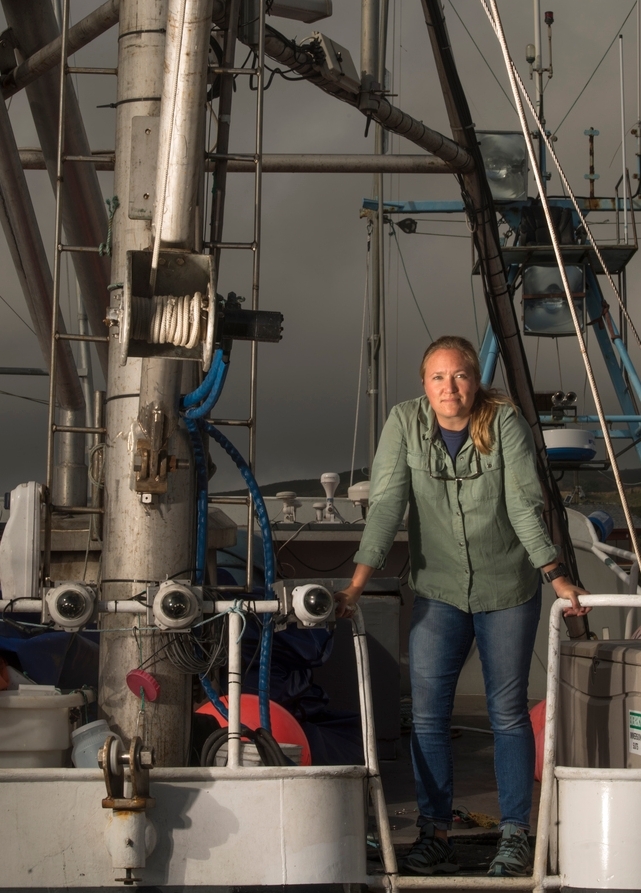
“Changes in fish distributions across the Mid-Atlantic are already underway, driven by warming waters and changing ocean conditions. Healthy fish populations are not only vital for a functioning ecosystem, they also contribute billions to the regional economy each year. One of our team’s focal areas is working with the recreational fishing community to improve data collection, use and policies—ensuring timely information can be used in adaptive management for species like black sea bass and summer flounder.”
—Kate Wilke, Mid-Atlantic Seascape Program Director, TNC Virginia
Kate’s recommended watching: The Impacts of Climate on Fisheries Issues in the Mid-Atlantic
Rhode Island
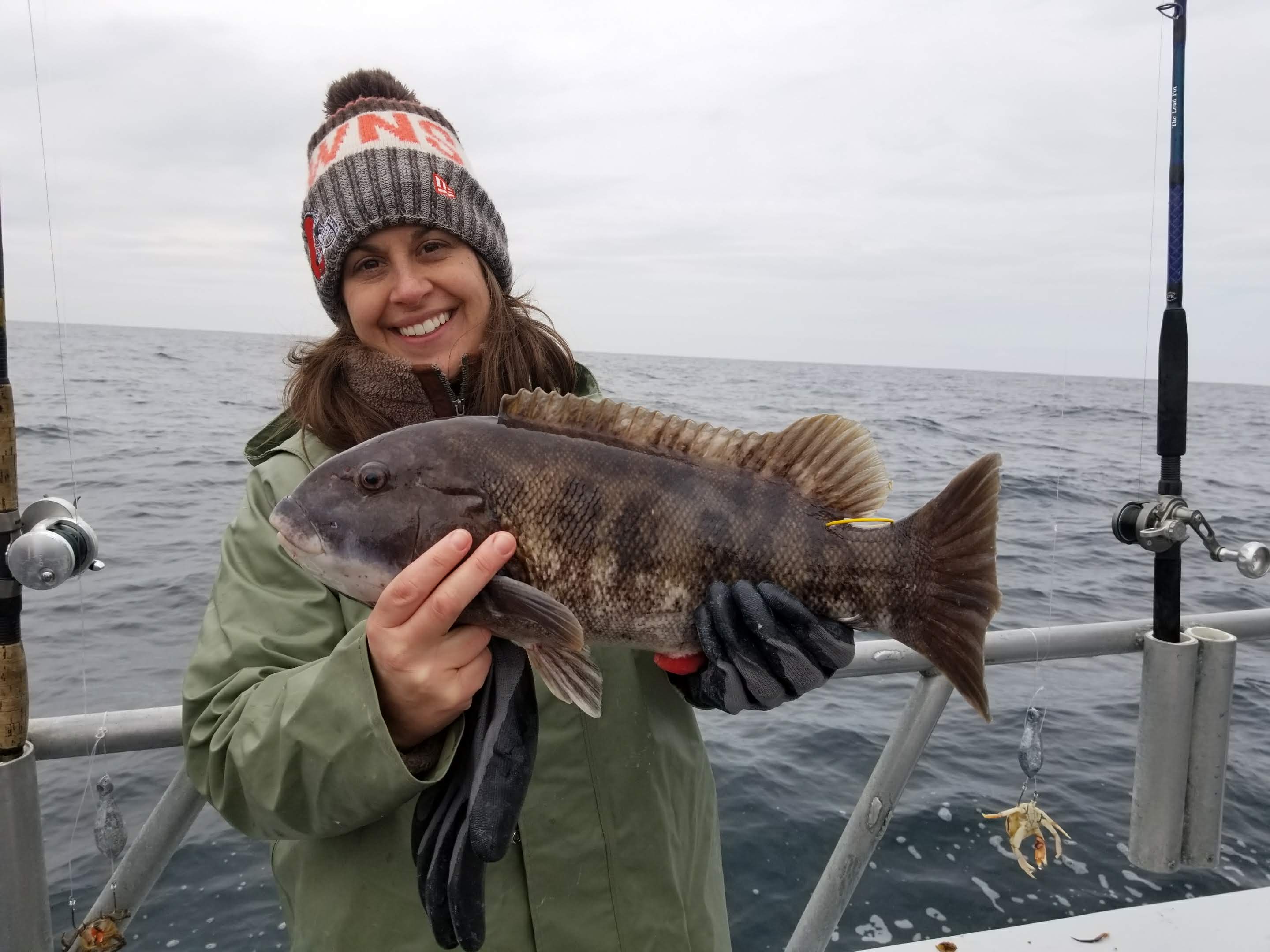
“We’re part of a strong network of fisheries scientists and research partners working across North America to produce management-relevant science. Our focus is on generating science that informs real-world decisions, supports adaptive management and helps fisheries respond to climate change. Whether it’s modeling species shifts or evaluating policy options, we’re committed to bridging the gap between research and implementation.”
—Dr. Rich Bell, Senior Fisheries Scientist and Contributing Author to USA 5th National Climate Assessment Oceans Chapter; TNC Global Provide Food & Water Team
Rich’s recommended science reading:
Bryndum-Buchholz, A., Tittensor, D. P., & Lotze, H. K. (2021). The status of climate change adaptation in fisheries management: Policy, legislation and implementation. Fish and Fisheries, 22, 1248–1273.
Great Lakes Region
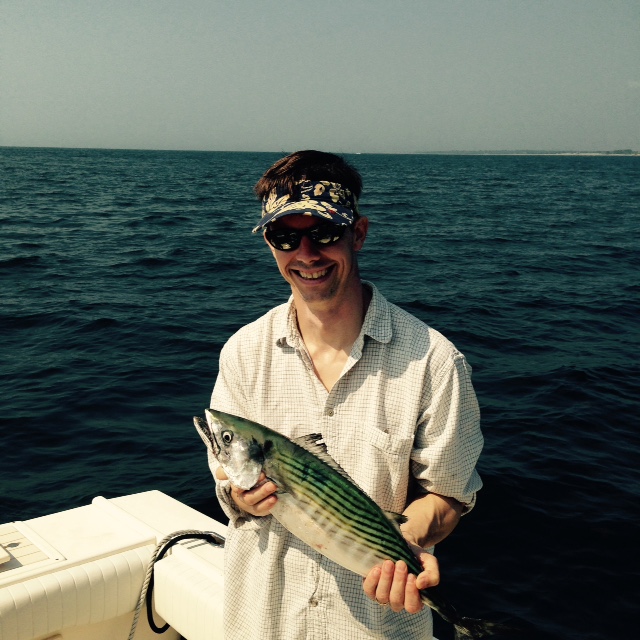
“The Great Lakes region is seen by many as a climate refuge for people and in some instances nature. Yet the Great Lakes are definitely not immune to the impacts of climate change as we see rising water temperatures, reduced winter ice cover and expansion of invasive species that are altering critical habitats and food webs. This is why we are working with an array of federal, state, provincial and Tribal partners to build resiliency to climate change by actively restoring spawning and nursery habitats and rebuilding key fish populations—like lake whitefish—that are critical to our commercial and Tribal fisheries.”
—Scott Sowa, Juli Plant Grainger, Great Lakes Program Director, TNC Missouri
Scott’s recommended reading: The Death and Life of the Great Lakes

Virginia and Washington, DC
“We’re tracking and engaging on fisheries and habitat policy with Congress and agencies. Our team works closely with NOAA and other federal partners to ensure they have the funding, tools and capacity needed to respond to a changing ocean. At the same time, we’re helping design the policies and programs that will help fisheries adapt to change. That includes listening to fishing communities to understand their needs and perspectives, meeting with agency officials and advocating for the programs, funding and staff needed to understand and effectively manage natural resources. We recognize how important thriving fisheries are to the cultures and economies of our coastal communities and see federal policies, programs and funding as investments in ensuring sustainable fisheries into the future.”
—Stephanie Bailenson, U.S. Federal Water Policy Team Lead, TNC North America Regional Office
Stephanie’s recommended reading:

British Columbia, Canada
“The impacts of climate change don’t pay attention to borders. Similarly, the international nature of our TNC fisheries network has helped facilitate discussions between marine resource management agencies across the USA and Canada. For one example, we brought together staff from USA NOAA Fisheries and DFO Canada to share lessons about national climate policy and the design and outcomes stemming from Climate Scenario Planning for Fisheries. The only way climate solutions have a lasting impact is for collaboration and partnership across every level of governance—from supporting local Indigenous fisheries to collaborating with government agencies and industry partners and working closely with our colleagues in the U.S. We are serving as a bridge across borders to seek solutions for climate change and fisheries.”
—Jenn Burt, Marine Program Director, Nature United, Canada’s branch of TNC
Jenn’s recommended reading: Fishing for Solutions: Harvester perceptions of climate change vulnerability in Canada’s Pacific fisheries
Inclusivity of Indigenous Knowledge Systems in Fisheries Management (Moffat, et al. 2025)
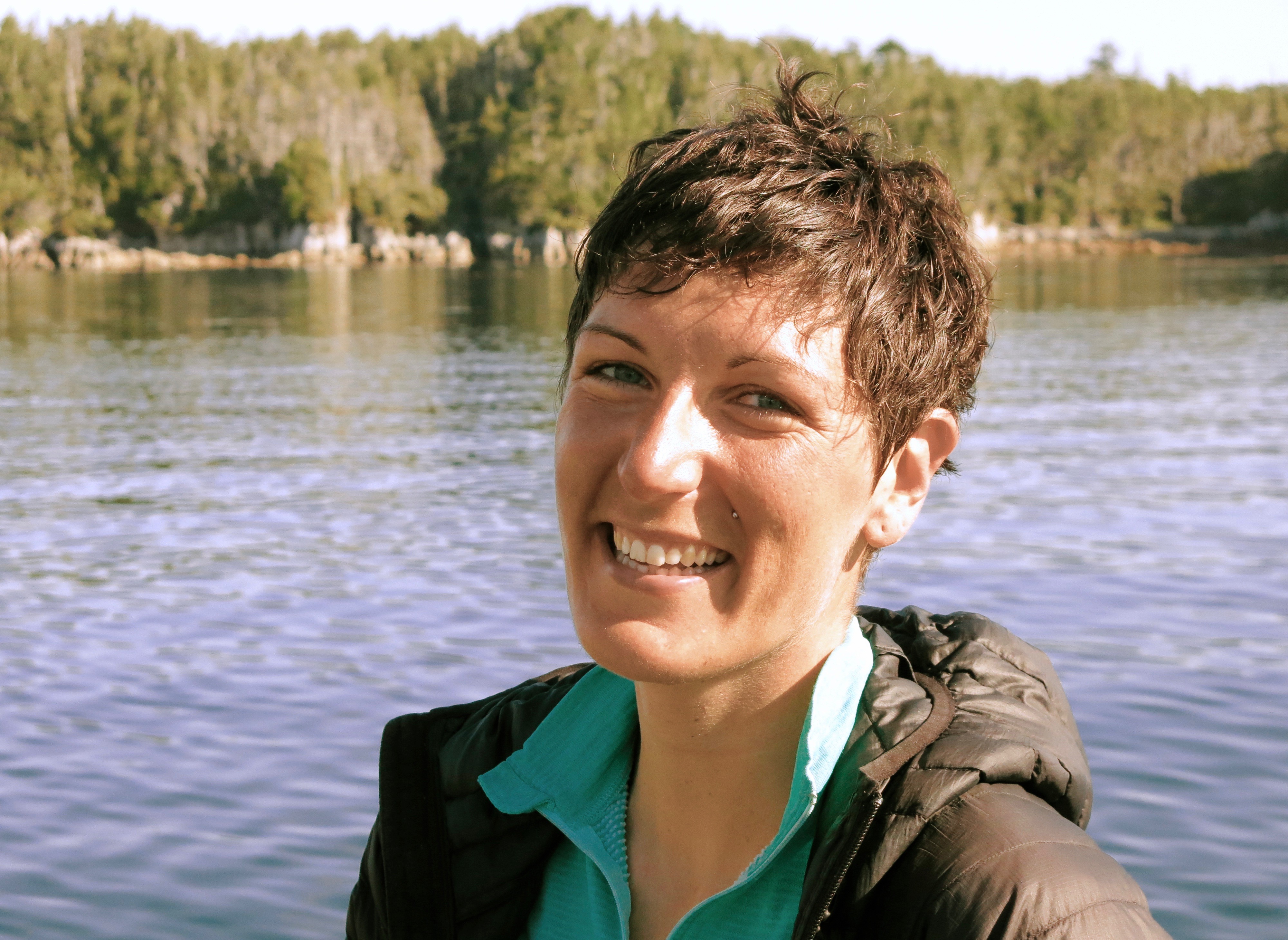
Nova Scotia, Canada
“One of the key pillars of our work is to develop innovative and collaborative solutions to build more adaptive and resilient fisheries in the face of climate change. In developing an institutional assessment framework for climate-ready fisheries in Canada, the international nature of our TNC fisheries network allows us to benefit from the sharing of best practices and bright spots with our U.S. colleagues. Tools and approaches developed by members of this network are often adaptable to other agencies and jurisdictions, allowing for synergy toward goals of sustainable and ethical fisheries in the face of climate change.”
—Dr. Kayla Hamelin, University of Victoria MITACS postdoctoral fellow, Nature United, Canada’s branch of TNC
Kayla’s recommended reading:
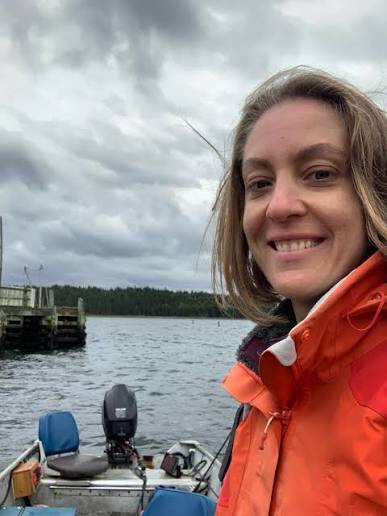
Massachusetts & New England
“No one benefits more from well-managed fisheries than fishermen, so we collaborate with commercial and recreational fishermen here in the Northeast and across the U.S. on shared priorities like modernizing fisheries data. We all recognize that managing fisheries in today’s rapidly changing ocean demands a revamp of our information systems to supply the timely and accurate data managers and scientists need to make decisions that support both food production and conservation.”
—Chris McGuire, Ocean Program Director, TNC Massachusetts
Chris’s recommended video:
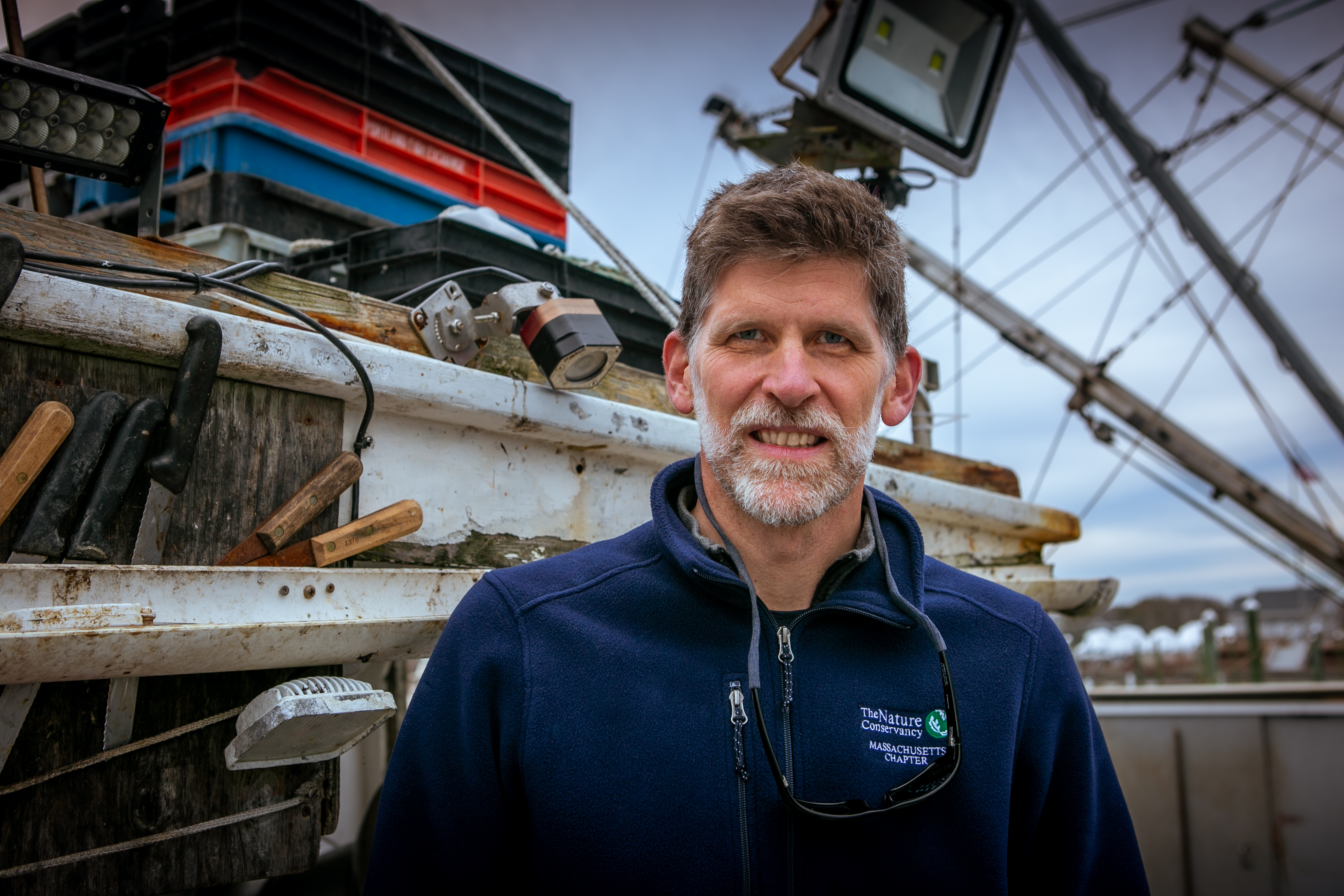
Maine
“Our work in Maine is helping incorporate fishermen’s on-the-water observations into the fisheries science and management process—ensuring shifting species and changing conditions are met with adaptive, science-based decisions.”
—Geoff Smith, Oceans Program Director, TNC Maine; NEFMC member
Geoff’s recommended reading: In New England, Catching Climate Data Along With Fish
Recommended watching: Video on permit banks with the Fisheries Trust of Maine
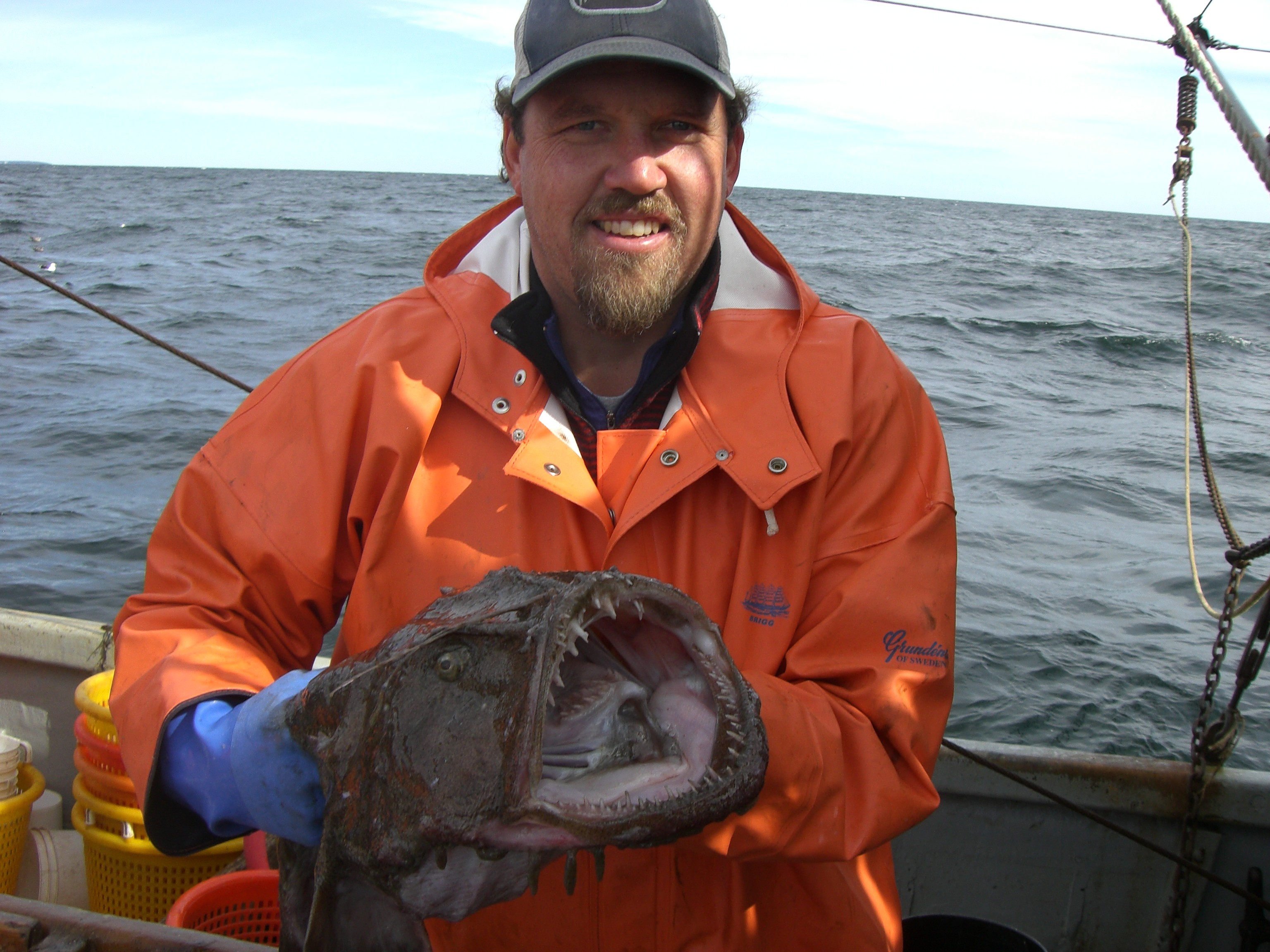
Florida
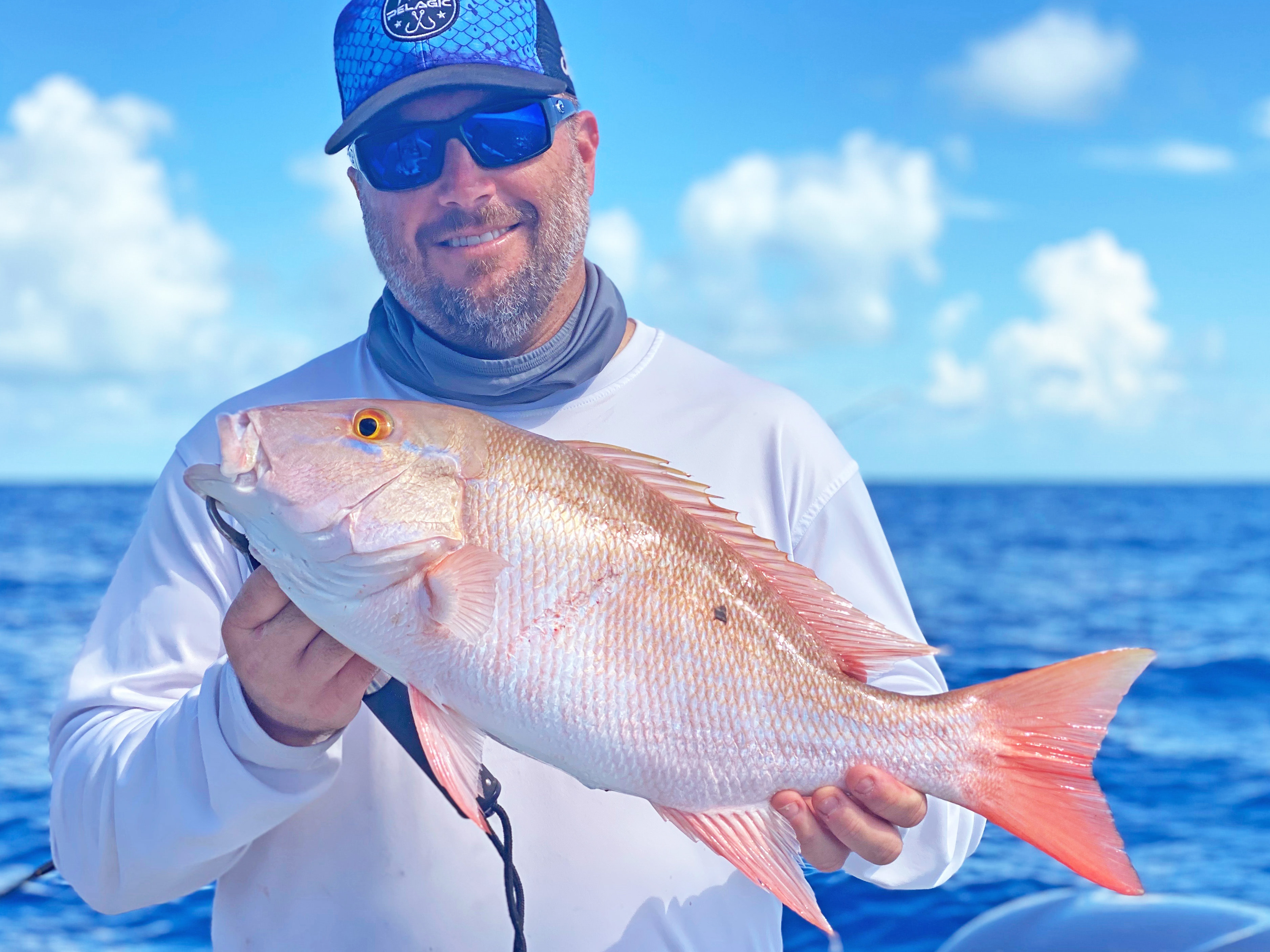
“As a recreational angler, I understand why the recreational fishing community is such an integral part of the fisheries management process. They can help reduce fish mortality rates and increase their numbers. We can’t achieve our goal without them.”
—David Moss, Southeast Division Fisheries Lead, TNC Florida
David’s recommended reading: Partnering with Recreational Anglers

 Return
You May Also Like

Climate-Ready Fisheries Can Restore Ocean Health
Explore how fisheries staff at The Nature Conservancy are using science and collaborative projects to ensure healthy oceans and climate-ready fisheries in North America and around the world.

Transforming Ocean Conservation in California
The world needs a new approach to protecting our oceans, and California is at the forefront.

Tuna Transparency Pledge
Tackling IUU fishing together by increasing #EyesOnTuna.