

Nature Briefs
Protecting and restoring wetlands and bottomland Hardwood Forests on agricultural lands provide many benefits.

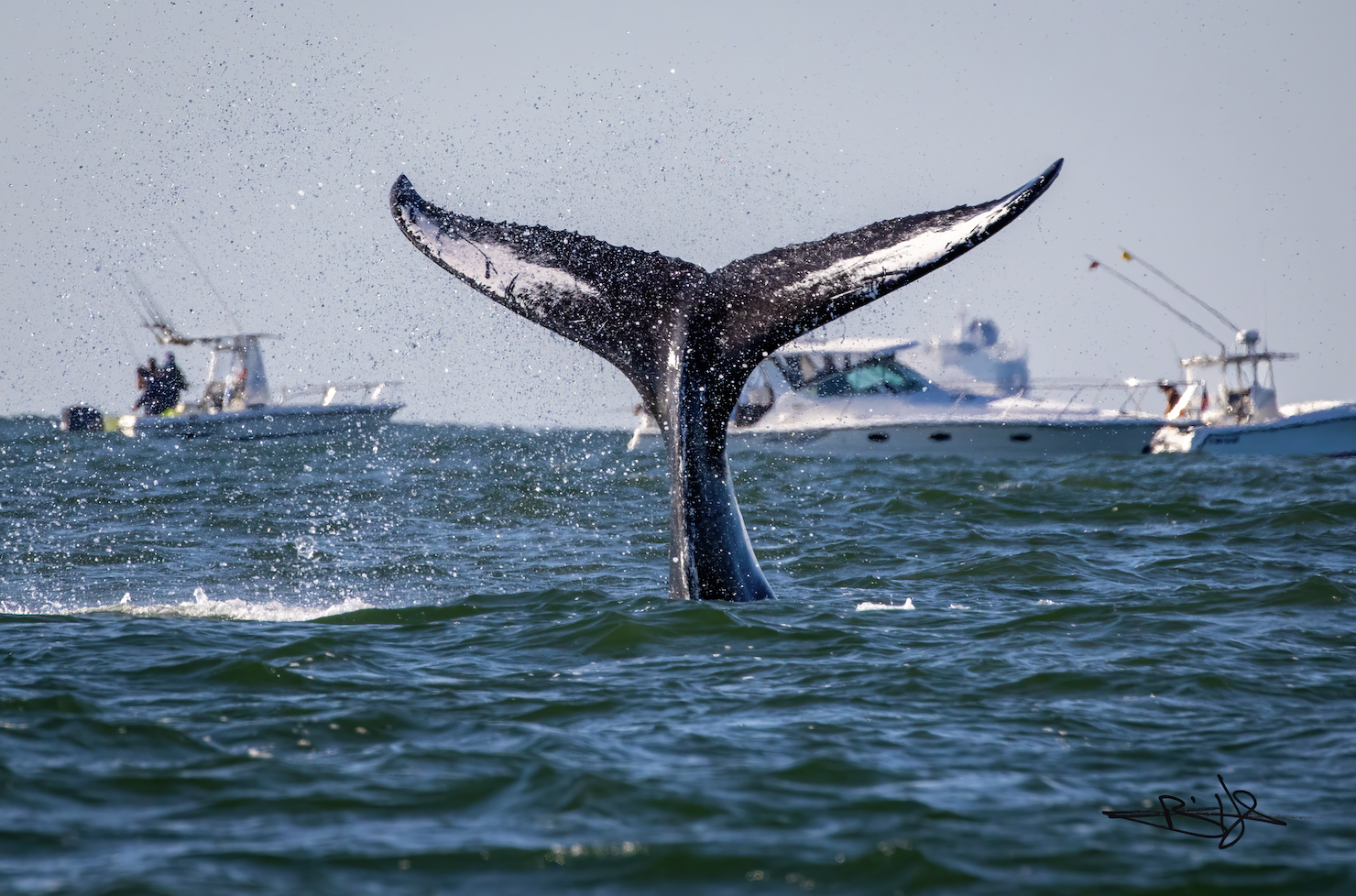
Amid the marine traffic in New York Harbor, a humpback whale breaches. Its body momentarily airborne, a huge white flipper flashes in the sunlight before the animal plunges into the brackish water.
Such a breathtaking sight is increasingly possible thanks to decades of conservation, helping whale and dolphin populations rebound. The key to this comeback has been the effort to restore populations of Atlantic menhaden—often called the “most important fish in the sea” for their role in anchoring the coastal food web.
Despite that progress, threats ranging from certain kinds of fishing to climate change remain. And in New York’s crowded waterways, the risk of boat collisions with whales is high.
“For this coexistence to last, captains must navigate with the same care they would driving near a playground or school zone—staying alert, patient and ready to respond,” says Carl LoBue, The Nature Conservancy’s New York ocean program director.
Together with partners, TNC developed and recently launched Eyes on the Water: Boating with Whales, a free, interactive course to help boaters safely navigate whale habitats. Available in English and Spanish, the online course teaches about whale behavior and how to prevent collisions.
But it goes beyond that, explains Carl. “It’s about building a community of people who understand the ocean and want to protect it.”
Scroll through more articles to learn more.


