

interstitialRedirectModalTitle

interstitialRedirectModalMessage

Close up of dirt in hands.
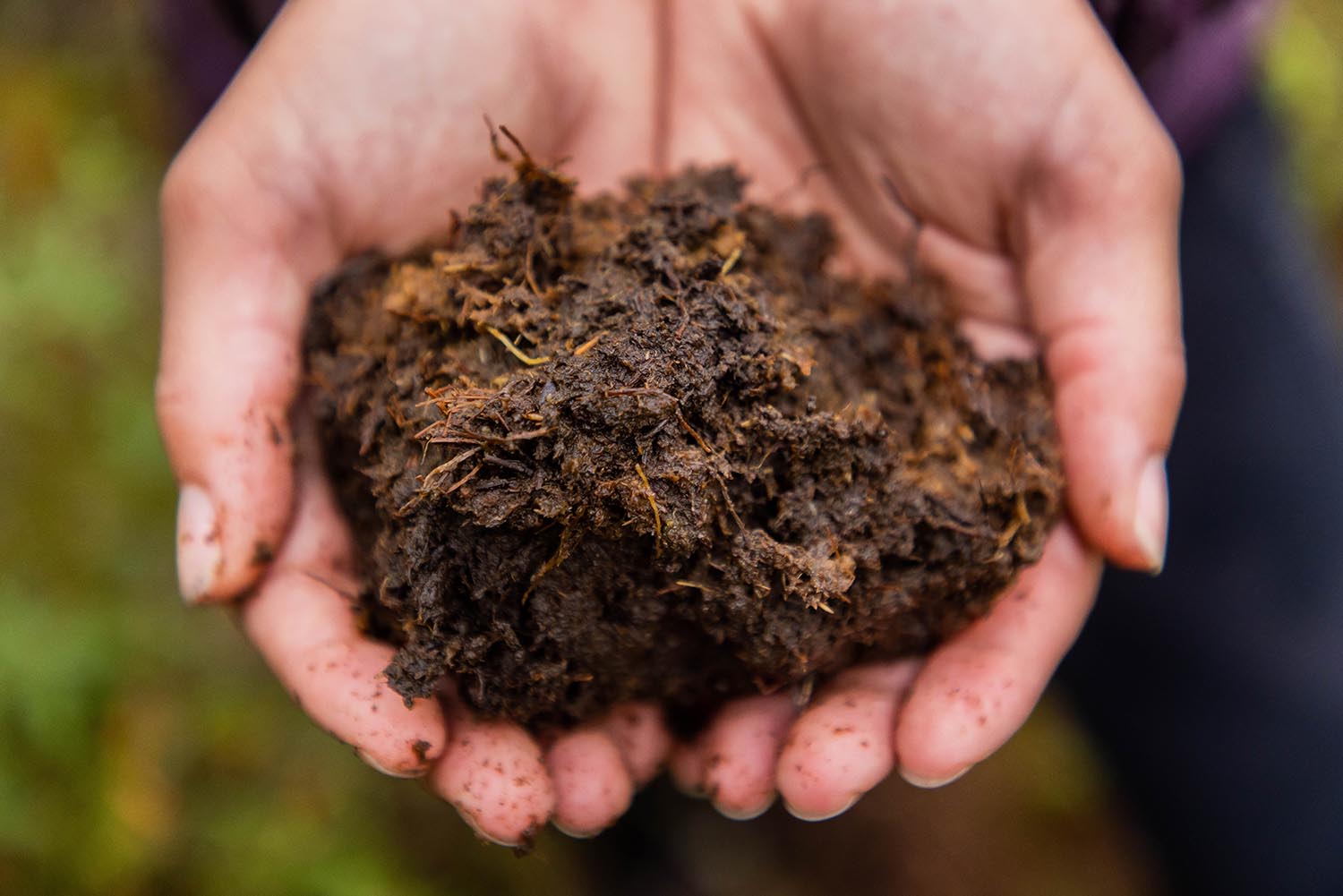
Peatlands TNC staff conducted research at Sax-Zim bog to measure carbon emissions from the peatland. Peatlands are important habitats for rare plants and wildlife and can store vast amounts of carbon, benefiting the climate. © Derek Montgomery

Newsletter

Q&A: The Science of Science

Science is at the core of how The Nature Conservancy works. Sara Leavitt brings that statement to life.

Natural climate solutions are actions to protect, better manage or restore ecosystems to reduce greenhouse gas emissions and store carbon.


Your title is Monitoring Evaluation and Learning Lead. What exactly do you do?
My team and I consult with project teams to determine how to best set baselines, track progress and adjust actions for climate change projects. And just as importantly, I develop ways to share findings and lessons learned across TNC and with partners to increase the pace, scale and success of conservation.
 
What does that look like on the ground?
If we start a natural climate solutions project such as protecting coastal wetlands, sustainably managing grazing lands or reforestation, we set a baseline by recording data to understand the conditions when we start and we identify approaches to gather data along the way so that we can monitor changes and evaluate outcomes.
Sara Leavitt smiling on a trail near a river.
The Science of Science TNC's Sara Levitt, Monitoring Evaluation and Learning Lead. © Sara Leavitt/TNC
Why do monitoring and evaluation matter so much?
When we neglect to do those things purposefully, it reduces the opportunity for meaningful learning and improved action. Sharing findings with scientific rigor increases our credibility with stakeholders and decision-makers who have the power to rapidly accelerate conservation. And it is good stewardship of resources; we don’t have unlimited funding or time to continuously reinvent the wheel.
 
How did you become interested in this kind of work?
I grew up in rural Kansas on my family’s dairy farm. I saw firsthand the challenges that agricultural producers face. I studied political science, design and natural resource management at Kansas State University and then spent three years with the Peace Corps as an environmental educator in rural Peru and a renewable energy program coordinator in Lima. My TNC career began in Michigan. Those combined experiences inform my perspective on how to tackle climate change around the world.

Putting It into Practice: PEATLANDS

Time constraints, language differences and geographic distance are some of the barriers to effective knowledge sharing. That’s why TNC identified a Natural Climate Solutions prototyping network—a group of 15 projects selected to serve as a testing ground to co-create and refine how lessons learned are shared, inside of TNC and with partners. Sites in the global network represent diverse strategies to mitigate climate change and identify priority habitat types—including peatlands.

Peatlands form as layers of plants decay over thousands of years. These spongy wetlands support myriad species, reduce flood risk and hold cultural significance for many Indigenous communities. And they are carbon storage powerhouses.

Two TNC programs in the network, Angola’s in West Africa and Mongolia’s in Central Asia, are working with Sara Leavitt and her team to develop detailed maps of peatlands to inform national land and water protection policies. Collaboration with local communities is addressing fire management and sustainable grazing while also supporting local livelihoods.
Close up of dirt in hands.
Peatlands TNC staff conducted research at Sax-Zim bog to measure carbon emissions from the peatland. Peatlands are important habitats for rare plants and wildlife and can store vast amounts of carbon, benefiting the climate. © Derek Montgomery

Feature Fact

Found in approximately 180 countries, peatlands cover 3% of the planet’s surface yet account for about 30% of terrestrial carbon storage. Many have been drained for agriculture—a trend that could rise as global demand for food increases.