
interstitialRedirectModalTitle

interstitialRedirectModalMessage

Places We Protect

Rattlesnake Springs Preserve

New Mexico

Daytime view of a vast area with green grass and a prominent cholla cactus on the left side.
Rattlesnake Springs Preserve © D Kagan/TNC

Overview

Description

Driving through southeastern New Mexico, visitors often pass miles of desert lands shaped by industrial and human use. Yet amid this stark landscape, a beautiful and biologically rich refuge remains: Rattlesnake Springs Preserve. Since 1984, The Nature Conservancy in New Mexico has managed this visitor accessible property to protect water, wildlife and one of the region’s most important natural oases.

Located adjacent to Carlsbad Caverns National Park, Rattlesnake Springs Preserve is a cool, shady haven tucked into the desert. Towering cottonwoods and native hackberry trees line the water, while lush shrubs and seasonal blooms add color and soft, calming scents to the air—an immediate contrast to the surrounding arid terrain.

Here, wetlands form streams, marshes and riverbanks that support a thriving natural community. Birds and wildlife—both small and large—pause at the springs for water, shade and refuge, making this an essential stopover in an otherwise dry landscape.

Visit

Rattlesnake Springs Preserve is open to the public, but the parking area is controlled by Carlsbad Caverns National Park and is only open during daylight hours. No camping or overnight stays are allowed. The Nature Conservancy's property is only accessible by foot from the NPS parking area. Please do not walk through the marshland.
From Carlsbad, take U.S. Highway 62/180 south for about 26 miles. Turn right at the brown recreation sign for New Cave and Rattlesnake Springs and drive for about two miles. The National Park Service maintains an adjacent picnic area with running water, picnic tables and restrooms.

Note: the Washington Ranch Road turnoff of 62 is about 20 miles south of the Carlsbad Airport and has a large sign at the turn. There is a sign to Rattlesnake Springs from Washington Ranch Road at the Fire Station Turn. Google and other navigation tools will give directions to the parking area.

Access

OPEN TO THE PUBLIC

The parking area is controlled by NPS.

Hours

The preserve is open during daylight hours year-round.

Highlights

birding, wildlife watching, walking

Size

13.54 acres

Explore our work in New Mexico

Springtime at the preserve

Travel tip: after visiting Carlsbad Caverns National Park, drive to the NPS picnic area to have lunch then visit the attached Rattlesnake Springs Preserve for birdwatching!

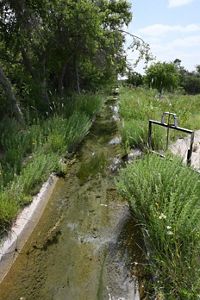
A narrow channel of water with green plants lining it.
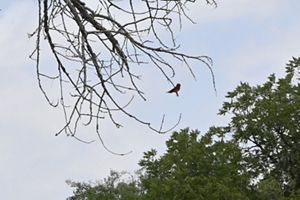
A small bird sits on a thin branch of a tree with no leaves.
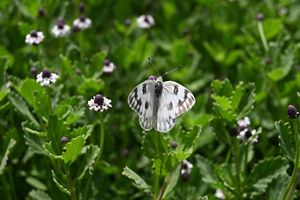
A white-colored butterfly sits on a green plant with small purple flowers around.
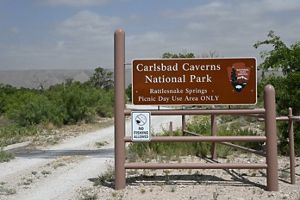
A large sign before a road reading Carlsbad Caverns National Park; Rattlesnake Springs Picnic Day Area Use ONLY.
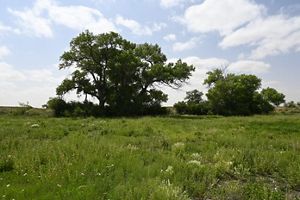
A green grassy area with a large tree in the distance on a sunny day.
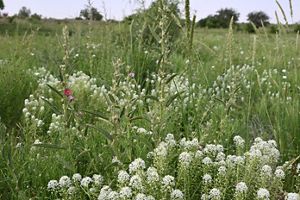
A field of white wildflowers on a sunny day.
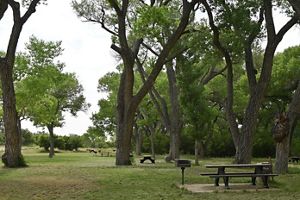
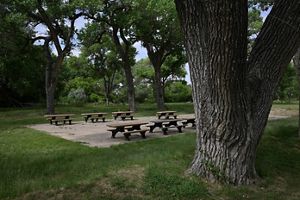
Daytime view of a picnic area containing tables and large cottonwood trees lining it.
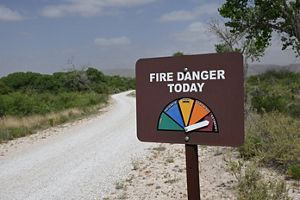
A sign before a road showing the fire danger and the arrow on EXTREME.
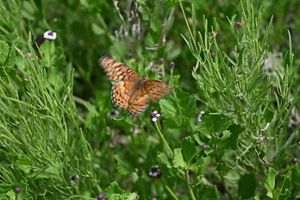
An orange-colored butterfly flaps its wings while over green plants.

Wildlife

What surprises many visitors is that the more-than-13-acre Rattlesnake Springs area is considered one of the most diverse birding hotspots in New Mexico, with more than 330 recorded bird species. Trail cameras have captured a variety of birds, including blue herons, taking advantage of the insects, shelter and dependable water provided by the springs.

By offering permanent water in the Chihuahuan Desert, Rattlesnake Springs supports an impressive array of wildlife—including elk, a species many people associate with high-elevation conifer forests. Once widespread across New Mexico, they had disappeared from the state by the early 1900s. Beginning in 1911, wildlife managers reintroduced Rocky Mountain elk, and over the decades their populations slowly expanded and recovered. Their presence at Rattlesnake Springs, today, underscores just how vital reliable water sources are in desert ecosystems.

Three large beige mammals walk in a dry grassy area, captured on a trail camera during daytime.
Elk A herd of elk walks near Rattlesnake Springs Preserve. © TNC

Wild turkeys, once heavily over‑hunted and scarce throughout the Chihuahuan Desert, have also made a notable comeback. Drawn to the dependable water and tall roost trees, groups of 20 to 30 birds can often be seen settling into cottonwoods at dusk—a scene that would have been uncommon not long ago. While larger turkey populations exist elsewhere in New Mexico, their steady return here marks an encouraging shift from a time when their survival in this landscape was uncertain.

A turkey (large brown bird) walks in a dry area with tall grasses, captured on a trail camera during daytime.
Turkey A turkey struts past a trail camera at Rattlesnake Springs © The Nature Conservancy

Predators such as coyotes—and even mountain lions—also move quietly through the area, drawn by the same water sources as elk and turkeys. Their presence is a powerful sign of a functioning ecosystem, where each species plays a role in maintaining balance.

A large gray canine stands with a mammal's leg in its mouth, captured on a trail camera during nighttime.
Coyote A coyote carries an ungulate leg near Rattlesnake Springs. © The Nature Conservancy
A large tan feline walks low through an area with grasses, captured on a trail camera during nighttime.
Mountain Lion A photograph of a mountain lion is captured by a trail camera near Rattlesnake Springs. © The Nature Conservancy
Coyote A coyote carries an ungulate leg near Rattlesnake Springs. © The Nature Conservancy
Mountain Lion A photograph of a mountain lion is captured by a trail camera near Rattlesnake Springs. © The Nature Conservancy

Like dozens of other preserves across the country, Rattlesnake Springs Preserve is designed to protect some of our most climate-resilient and biodiverse landscapes while offering visitors the chance to experience nature responsibly. Whether stopping for a picnic or exploring during a visit to Carlsbad Caverns National Park, time spent here offers a rare moment of shade, water and life in the desert. And as science continues to show, spending time in nature makes us happier, healthier and more creative.

Make a Difference in New Mexico

For more than 40 years, people like you have helped The Nature Conservancy protect more than 1.5 million acres of New Mexico’s forests, rivers and grasslands. We’re building on a conservation legacy to help solve today’s biggest conservation challenges, from climate change and habitat loss to protecting clean water. Together we’re stronger!