
interstitialRedirectModalTitle

interstitialRedirectModalMessage

Places We Protect

Northern Tallgrass Prairie

Minnesota

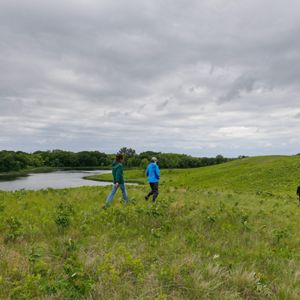
A group of hikers walks next to a stream on the Northern Tallgrass Prairie NWR.
Minnesota Prairie Hike: Thanks to members and Minnesota’s Legacy Fund, TNC has helped protect more of the state’s prairies, forests and wetlands. © Richard Hamilton Smith

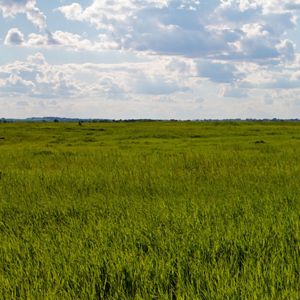
The Northern Tallgrass Prairie National Wildlife Refuge protects critically important and endangered grassland habitat in Minnesota.

Overview

Description

Grasslands are one of the most endangered and least protected habitat types on Earth.

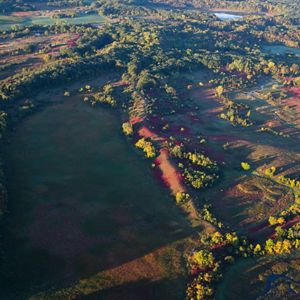
Established in 2000 by the U.S. Fish and Wildlife Service (USFWS), the Northern Tallgrass Prairie National Wildlife Refuge was created to protect what little remains of Minnesota’s native prairie—now less than 1%. Since then, it’s grown to more than 15,000 acres across 85 counties in western Minnesota and northwestern Iowa, with the goal of eventually spanning 77,000 acres.

The Nature Conservancy joined efforts with the USFWS in 2013, using Outdoor Heritage Fund dollars to help landowners protect and restore their land through voluntary conservation easements. Those voter-approved funds have helped to more than double the refuge’s footprint in Minnesota, adding 10,275 acres—including 6,000 acres of untilled native prairie and more than 700 acres of wetlands.

This patchwork of protected land is reviving habitat for species like the Dakota skipper and prairie chicken, while also serving as a natural climate solution. The refuge allows partners to restore these grasslands, while helping them adapt to future conditions.
Access

OPEN TO THE PUBLIC

The refuge protects one of the most endangered habitats on the planet.

Highlights

Hiking, nature photography, birdwatching, fishing, hunting

Size

10,275

Explore our work in Minnesota

Visit

    • Birdwatching
    • Cross-country skiing
    • Hiking
    • Nature study
    • Photography and videotaping for personal use (if for commercial use, you must obtain permission from TNC first)
    • Snowshoeing
    • Fishing
    • Hunting
  • To minimize disturbance to wild places, we do not maintain trail infrastructure or facilities, and you will not find any staff on duty at the preserves. Therefore, we ask you to prepare for your visit and take proper precautions while on site.

    • Wear comfortable footwear suitable for hiking.
    • To protect yourself from ticks, poison ivy or poison sumac, wear long pants, and tuck them into your socks.
    • To get the most from your visit, and to protect yourself from the elements, you may want to bring the following items:
      • Binoculars
      • Camera
      • Compass
      • Field guides (to wildflowers, birds, butterflies and other natural features)
      • Insect repellent
      • Rain gear
      • Small first aid kit
      • Snack (fruit or trail mix)
      • Sunscreen
      • Water (dehydration is a serious risk at any time of the year)
  • For more information on visiting this and other Minnesota preserves, check out our Preserve Visitation Guidelines.

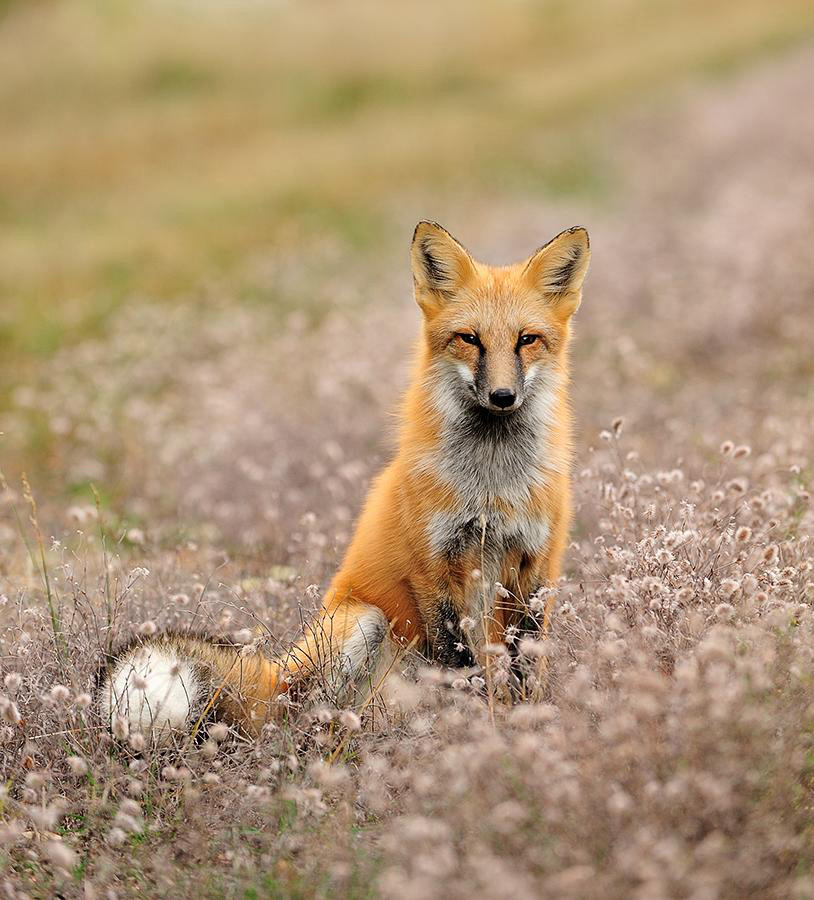
A red fox sits in a field in Minnesota.
Red fox A red fox sits in a field in Minnesota. © Nathan Lovas

Background

The Nature Conservancy acquired the lands and transferred them to the U.S. Fish and Wildlife Service (USFWS) under a program recommended by the Lessard-Sams Outdoor Heritage Council and approved by the Minnesota Legislature. Funding for the acquisitions was provided by the Outdoor Heritage Fund, which was created under the Clean Water, Land and Legacy Amendment.

All of the properties acquired by The Nature Conservancy and added to the refuge are open to the public for outdoor recreation including hiking, birding and photography.

They also are all open to hunting; however, the USFWS encourages hunters to check regulations, as they may vary by unit. For additional information, please contact the appropriate unit manager.

Minnesota Legacy Logo Clean Water, Land and Legacy Amendment © 2014 Legislative Coordinating Commission

Find More Places We Protect

The Nature Conservancy owns nearly 1,500 preserves covering more than 2.5 million acres across all 50 states. These lands protect wildlife and natural systems, serve as living laboratories for innovative science and connect people to the natural world.

See the Complete Map