
interstitialRedirectModalTitle

interstitialRedirectModalMessage

Places We Protect

Markham Shkode Prairies

Illinois

A butterfly flies over purple flowers in a prairie.
Markham Shkode Prairies Butterflies thrive in the native habitat found at Markham Shkode Prairies. © Travis Kuntzelman

The rare black soil prairie, sand prairie and sedge meadow at Markham Shkode Prairies provide an oasis for people and pollinators in Chicagoland.

Overview

Description

Markham Shkode Prairies, formerly known as Indian Boundary Prairies, is a cluster of five prairie remnants about a half an hour's drive south of Chicago, comprising the largest original example of high-quality grassland in Illinois and one of the best in the Midwest.

Grasslands are particularly rare ecosystems, with less than 13% remaining worldwide. In Illinois, only 1% remain. They support native biodiversity while providing additional benefits, such as soaking up storm water, capturing carbon and improving soil health with their deep, perennial root systems. Near a metropolis like Chicago, these prairies and meadows also contribute critical green space, improve quality of life for the community and serve as living laboratories from which to share conservation best practices across the Midwest. 

Because of their importance, a portion of the Markham Shkode Prairies has been named a National Natural Landmark by the U.S. Department of the Interior.

In 2025, The Nature Conservancy began a process of deep community engagement to assess our former preserve name. In 2026, the collective prairies were renamed "Markham Shkode Prairies" to better reflect the prairies’ identity, history and continued significance while reinforcing TNC's commitment to stewardship, learning and connection.  

For more information or to schedule a tour, contact Markham office at markhamshkode@tnc.org or (708) 825-9369.
Access

OPEN TO THE PUBLIC

The preserve headquarters is located at 3454 West 155th Street, Markham, Illinois.

Hours

Dawn to Dusk

Highlights

Visitors can enjoy natural communities that include black soil prairie, sand prairie and sedge meadow. More than 250 species of plants, more than 750 insect species, 13 amphibian and reptile species, and more than 90 bird species can be found at Markham Shkode Prairies.

Explore our work in Illinois

Photos from Markham Shkode Prairies

The Markham Shkode Prairies are the largest original example of high-quality grassland in Illinois and one of the best in the Midwest.

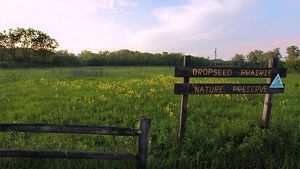
A sign is situated in a grassy field.
Children look at a turtle at a festival.
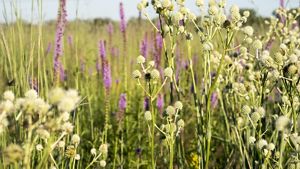
A closeup features wildflowers scattered across a grassy prairie.
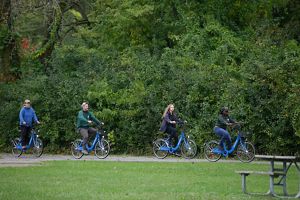
Four adults ride bikes on a tree-lined path.
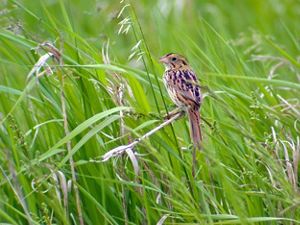
A brown bird rests on long grasses.
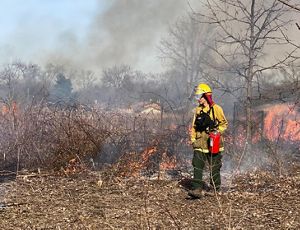
A person wearing yellow gear implements a prescribed burn.
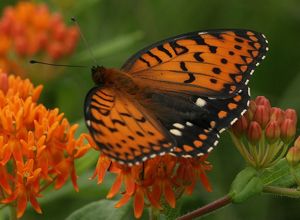
A vibrant orange butterfly is perched on a flower.
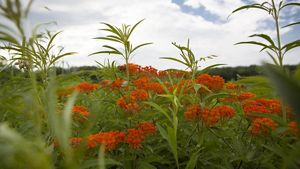
A closeup features vibrant red-orange flowers swaying in a grassy prairie.
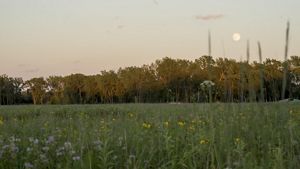
The moon appears above trees and open prairie.
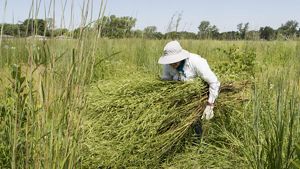
A volunteer removes invasive brush in a prairie.

Support Our Work in Illinois

You can help us do important conservation work in the Markham Shkode Prairies and beyond.

Donate Now

Preserve Background

In 1971, the Gensburg brothers donated 60 acres to TNC to launch the preserve. Fifty years later, the Markham Shkode Prairies are still collaboratively managed between TNC and Northeastern Illinois University. Altogether, the Markham Shkode Prairies have expanded to approximately 468 acres (358 acres managed by TNC) and reside within the municipalities of Markham and Harvey, border the city of Midlothian and are positioned around two major highways.

This unique ecological landscape embedded in a suburban community offers a rare research opportunity to understand how prairies benefit people. Prairie plants, with their deep perennial roots, help absorb flood water and store carbon. Studying and sharing how these plants and ecosystems and their management can be applied is one way Markham Shkode Prairies serves as a resource to other natural areas in and around the Chicagoland area. TNC also invites the community to Markham Shkode Prairies to explore, learn and enjoy this prairie oasis. 

Visit

  •  

    Plants

    Natural communities include black soil prairie, sand prairie and sedge meadow. Indian grass, little bluestem and big bluestem are common, with cord grass, bluejoint grass and sedges dominating the wetter swales. Unusual plants found here are small sundrops and narrow-leaved sundew. More than 250 species of plants thrive at the prairies, including the endangered eastern prairie white fringed orchid.

    Animals

    Markham Shkode Prairies are an important sanctuary for butterflies and other animals that require large expanses of high-quality natural area. More than 750 insect species are known to inhabit the prairies, including the Acadian hairstreak, bunchgrass skipper and dreamy dusky wing butterflies. The smooth green snake, eastern milk snake and 11 other species of amphibians and reptiles are found here. Ninety-seven bird species have been recorded, including the Virginian rail, lesser and great yellow legs, savanna sparrows, sandpipers and the state-threatened Henslow's sparrow. The Markham Shkode Prairies are critical habitat for other birds, such as the bobolink and eastern meadowlark. Gray foxes have denned on the prairie for several years.

  • TNC’s Markham Shkode Prairies is made up of five distinct remnant and restored prairie sites and is located in Markham, Illinois.

    Visitors are welcome to explore the following four areas:

  • While visiting, staff recommends that you wear comfortable shoes, apply sunscreen and take precautions against ticks.

    There are no bathroom facilities or drinking fountains, so visitors are encouraged to bring water and pack out what they bring in to help keep our preserve clean for other visitors. 

    The use of Other Power Driven Mobility Devices (OPDMD) – utility vehicles, ATVs, Segways, golf carts, etc. – on this property has been assessed in accordance with the Americans With Disabilities Act (ADA) regulations. OPDMDs are prohibited.

  • Markham Shkode Prairies has season-based volunteer opportunities with three main needs throughout the year:

    • Spring/Summer: invasive species management including spraying and pulling invasives plants.
    • Late Summer: seed collection and processing.
    • Fall/Winter: prescribed fire. We provide free fire training to interested volunteers with the expectation that they sign up for several prescribed burns that season. 

    To volunteer for one of these seasonal opportunities at Markham Shkode Prairies, please email markhamshkode@tnc.org.

Current Conservation Work

Markham Shkode Prairies are part of a natural corridor, nicknamed The Crayfish, extending upstream from Peoria along the Illinois River and into Indiana along the Kankakee and through the Calumet Rivers. Work at the preserve has a regional impact on natural lands and stewardship staff work year-round to improve the prairie so both plant and animal life can thrive. Work is performed through invasive plant species control, woody brush removal and wetland re-creation.

TNC uses prescribed fire as a critical management tool used to maintain healthy grassland communities. Conservation partners across the region also engage with the TNC team at Markham Shkode Prairies to help develop their staff capacity for prescribed fire and other conservation best practices.

The resulting wetland and prairie ecosystems not only provide valuable habitat for wildlife such as the monarch butterfly and migratory bird species, but also help minimize negative environmental impacts such as flooding in the surrounding communities.

Awe of Nature Festival 2023 (1:30) The Awe of Nature festival is a celebration of community, where connecting people to people and people to nature is the central theme. Held each year at Midlothian Meadows, the festival explores our connection to one another and nature through a variety of activities and experiences.

The Markham Shkode Prairies serve as an important resource to the local Markham community—the “Prairie Capital of the Prairie State”—and to the greater grassland conservation community as a living laboratory protecting a rare example of Illinois' original tallgrass prairie.

Find More Places We Protect

The Nature Conservancy owns nearly 1,500 preserves covering more than 2.5 million acres across all 50 states. These lands protect wildlife and natural systems, serve as living laboratories for innovative science and connect people to the natural world.

See the Complete Map