In addition to providing a tranquil escape from today’s plugged-in world, Kankakee Sands offers an opportunity to see a variety of wildlife, including many rare and threatened species. Depending on the month, you may hear the hammer of red-headed woodpeckers, catch sight of an ornate box turtle or smell the sweet scent of wild lupine.
Every season offers a reason to visit:
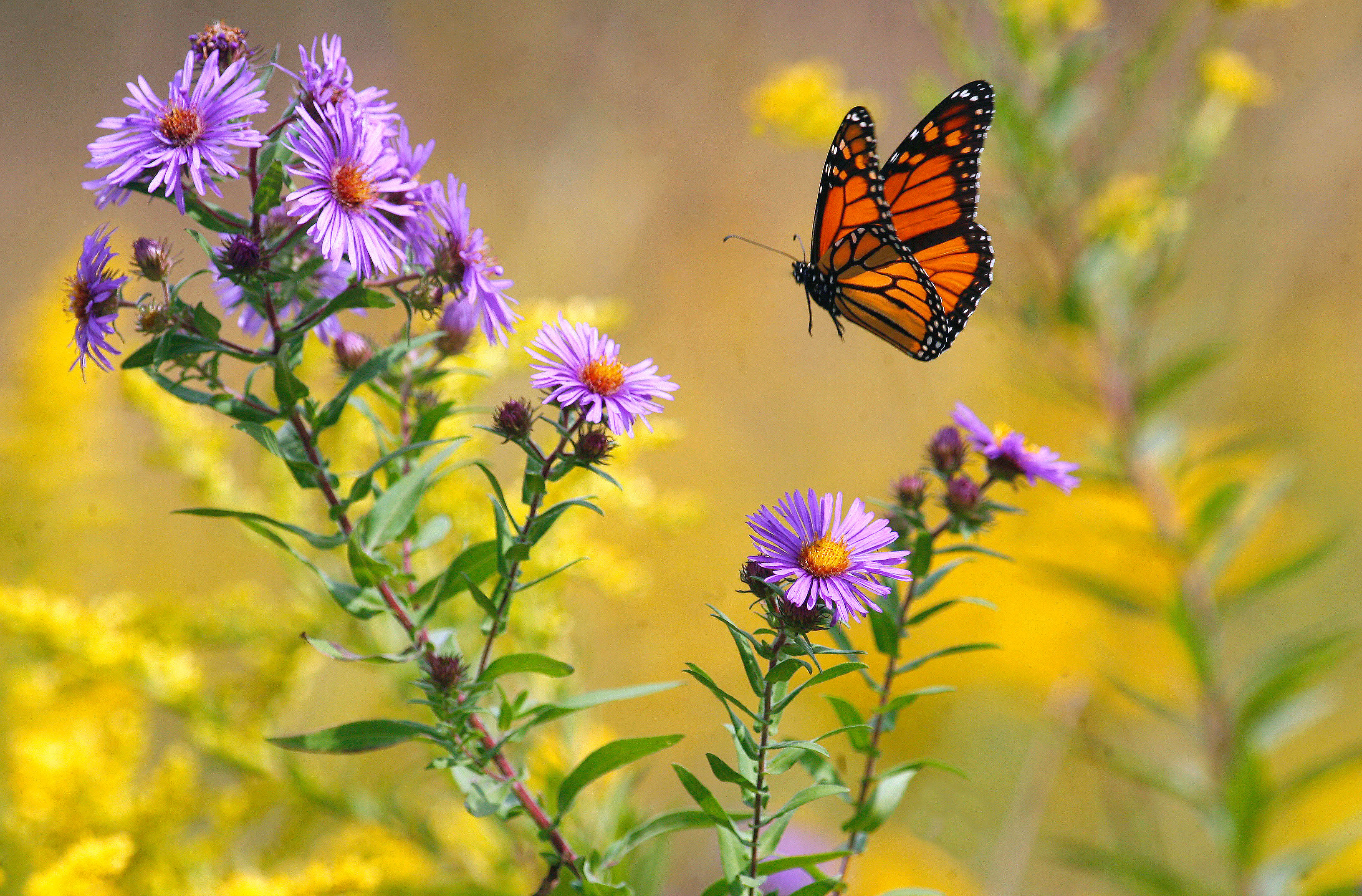
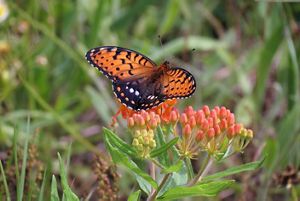
Spring: Great Plains pocket gophers may be seen digging up new mounds as glass lizards emerge from hibernation and the preserves’ black oaks bud green. The regal fritillary butterfly flits about Kankakee Sands, typically from May to September. In Illinois, the regal fritillary is a threatened species, primarily due to the loss of prairie habitat. The abundant sand prairies and dunes at Kankakee Sands—and the plants that grow here, such as bird-foot violets—attract the lovely pollinator. Other butterflies and insects that frequent the preserves include monarch butterflies, dragonflies and native bees.
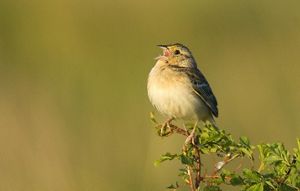
Summer: A Midwestern birding mecca, Kankakee Sands is home to some of the fastest-declining bird species in North America, including Henslow’s sparrows and bobolinks. Other rare birds found here include greater prairie chickens, American kestrels and grasshopper sparrows.
A variety of animals also travel through or call the preserves home, including foxes, coyotes, badgers and minks. These habitats are also among the few places in Illinois to see the ornate box turtle, which has yellow bands on its brown shell. Other reptiles that may be spotted include tiger salamanders, slithering glass lizards and bull snakes. At dawn and dusk in spring and summer, you may also hear the songs and cries of grey tree frogs and Fowler’s toads.
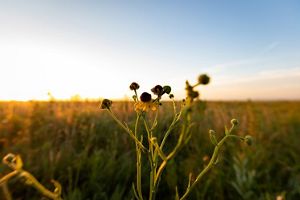
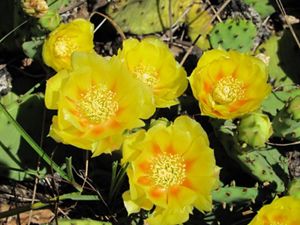
Many rare flowers and grasses also call Kankakee Sands home. You may see or smell prairie fame flowers, prickly pear, wild lupine, cinnamon fern, starry false Solomon’s seal and lance-leaved violet.
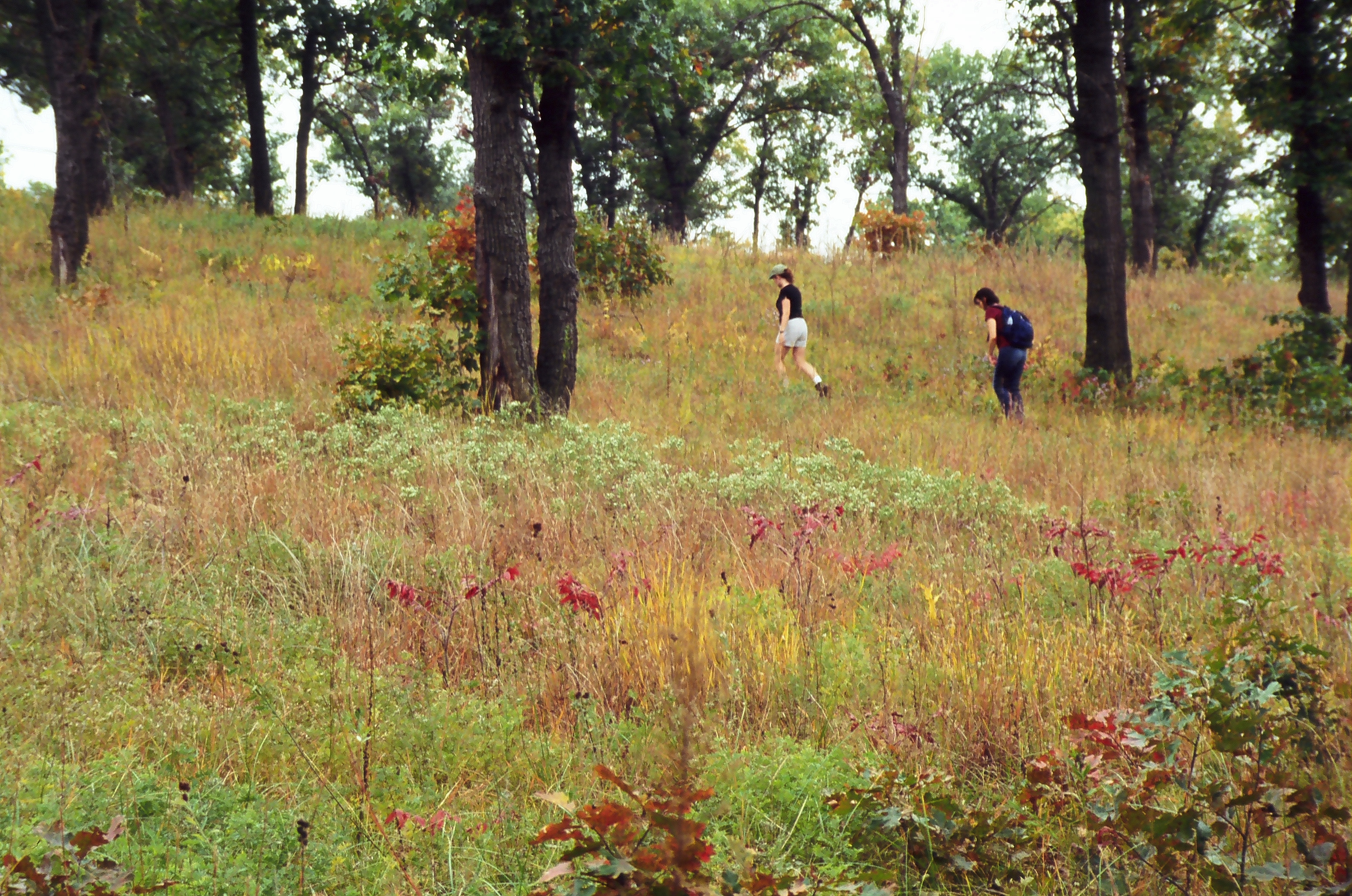
Fall: The most famous resident of the preserves are the thousands of black oaks scattered around the savanna, which range in size from knee-high saplings to 80-feet-tall mature trees. Black oaks, which do not like shade, flourish on the preserves’ dry sand savanna. Enjoy their colors during the fall months, as well as those of the Sassafras trees, which will be turning orange and red, and the bugling sound of migrating sandhill cranes can be heard as they fly overhead.
Winter: Redtail hawks, northern bobwhites and other birds can be spotted, as well as coyotes, minks, foxes and badgers.
Many of our preserves allow deer hunting from October through the first week of January, so wearing blaze orange is suggested when hiking in these areas during hunting season.
For a chance to see bison grazing, consider also visiting nearby TNC Kankakee Sands-Indiana preserve, an 8,000-acre restored prairie that is home to a herd of bison and other wildlife. The distance between the Indiana Kankakee Sands preserve and the Illinois Kankakee Sands Preserves is about 20 minutes by car.