


Description
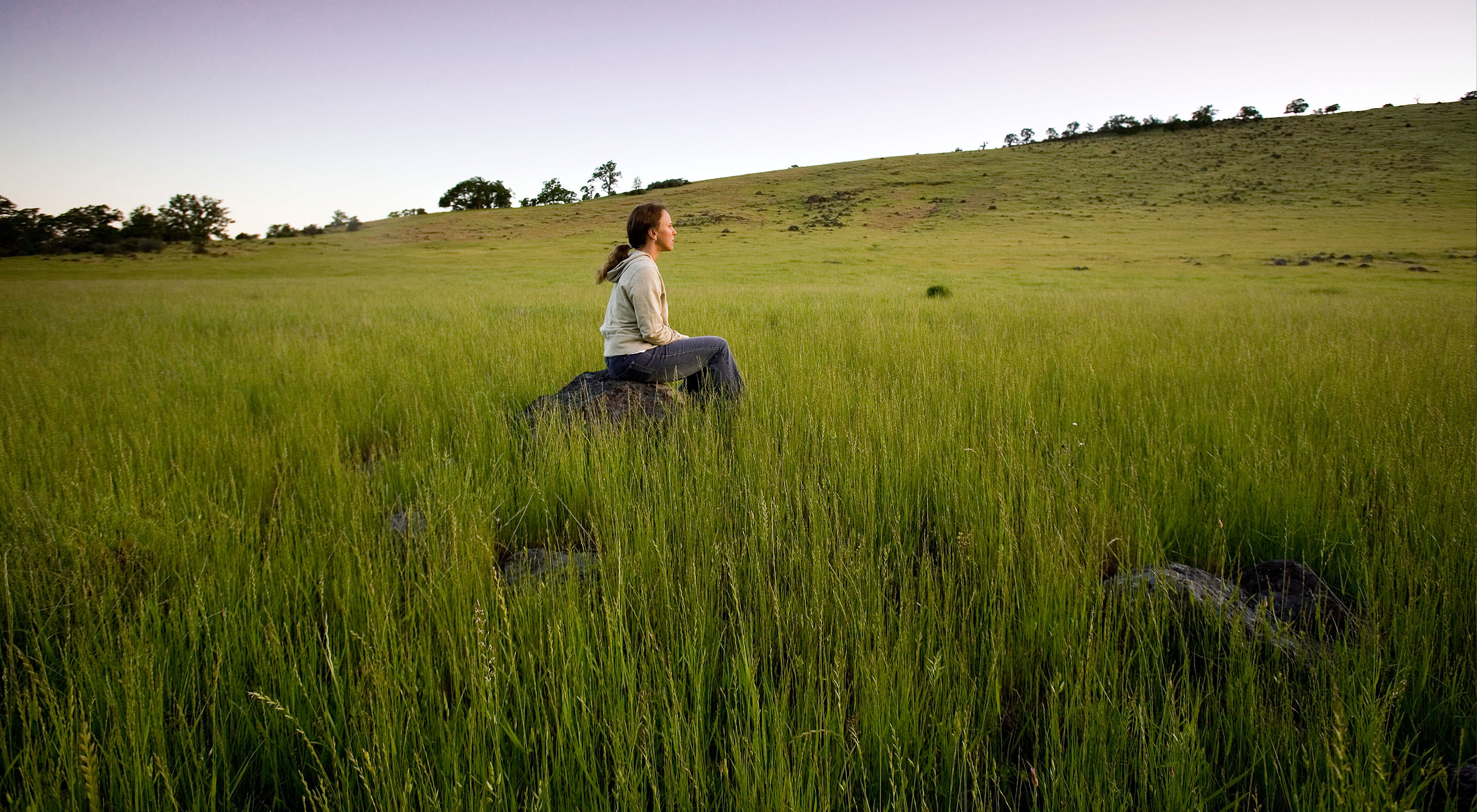
Near the northern end of California’s Central Valley lies the 37,540-acre Gray Davis Dye Creek Preserve, a refuge encompassing untilled valley grasslands and rugged Lassen Foothills. Protecting virtually the entire Dye Creek watershed and a diverse array of life, these wild lands are the centerpiece in a mosaic of properties safeguarding wildlife migratory pathways over land, in the water and by air.
Blue oaks endemic to California dominate the preserve’s sun-baked hilltops, staying green through the rainless summer and providing a vital food source for woodpeckers and black bears alike. Winter storms high in the Lassen region push Tehama black-tailed deer, the state’s largest migratory deer herd, down to the Preserve’s foothills and valley floor, where the herd finds forage during the winter and spring.
Three million years ago, volcanic lahars fanned out across this area and turned to rock; water subsequently carved out canyons where creeks now flow. Dye Creek’s riparian corridor supports a diverse array of native plants and animals, including the foothill yellow-legged frog (a California species of special concern) and the western pond turtle (the only remaining native aquatic turtle in the state). Along the preserve’s southern border flows Mill Creek, an important spawning stream for steelhead, federally threatened spring-run Chinook salmon and fall-run Chinook salmon.
Dye Creek lies in the heart of the Lassen Foothills region, a largely unfragmented 900,000-acre landscape where the local ranching economy complements the TNC's conservation efforts. Wildlife can roam much of this region from the Sacramento Valley to mountainous conifer forests without crossing a paved road. The preserve serves as a site for the research, development and demonstration of ecological management practices that can be shared with privately owned ranches in the region.