

 How It Started
 How It's Going
 Working with Farmers
 Milestones

Seed to Scale in the Midwest
Small, place-based efforts through land protection, partnerships, or innovation grow over time into solutions that shape entire systems and influence work far beyond the Midwest.

TNC has spent decades building partnerships in the Southern Driftless region to protect and enhance its prairies, savannas and waterways.
Close your eyes and picture a landscape of rolling hills, winding streams, sweeping grasslands and scattered groves of majestic oak savannas. This was the Driftless prior to European settlement, and this memory inspired TNC to act in the early ’60s to protect a scattering of remnant prairie lands that had avoided development and farming.


Since 1961, TNC has protected 2,500 acres across the Southern Driftless region.

In 2025, TNC provided more than $100,000 to support regenerative agriculture in the Southern Driftless region.

The prairies of the Southern Driftless area are home to 14 species of rare and declining grassland birds, such as Eastern meadowlarks and bobolinks.
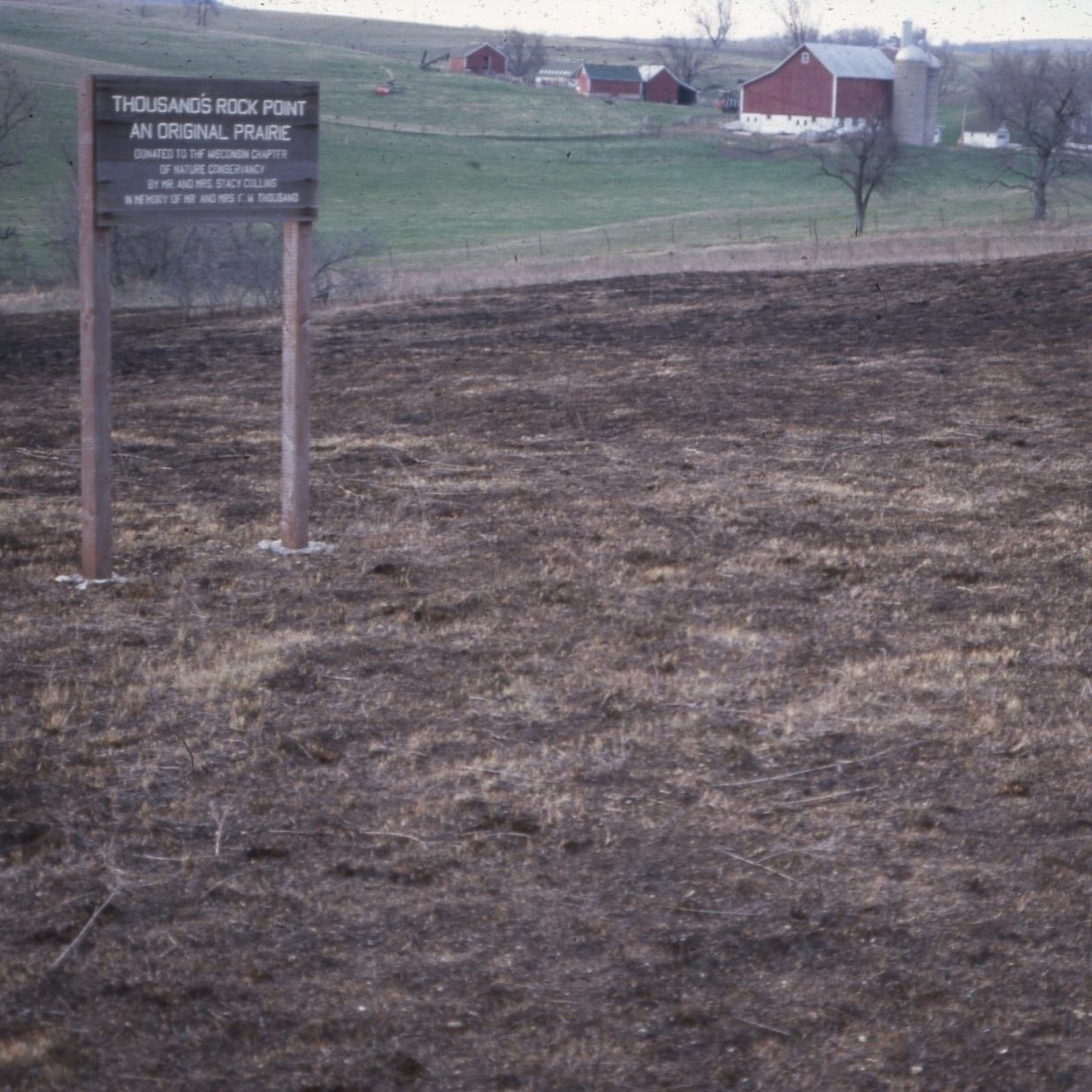
TNC’s early conservation successes included Abraham’s Woods, the Wisconsin chapter’s first land acquisition in 1961, and Thousand’s Rock Point in 1964, which would later become part of Thomson Memorial Prairie in Dane and Iowa counties.
Protection efforts continued to grow. In 1971, the first 240 acres were added at Spring Green Prairie, and in 1997, TNC helped establish Barneveld Prairie, now part of the Military Ridge Prairie Heritage Area alongside Thomson Prairie.
To date, TNC has helped protect more than 2,500 acres across the Southern Driftless, ensuring that some of Wisconsin’s most iconic landscapes remain intact for future generations.
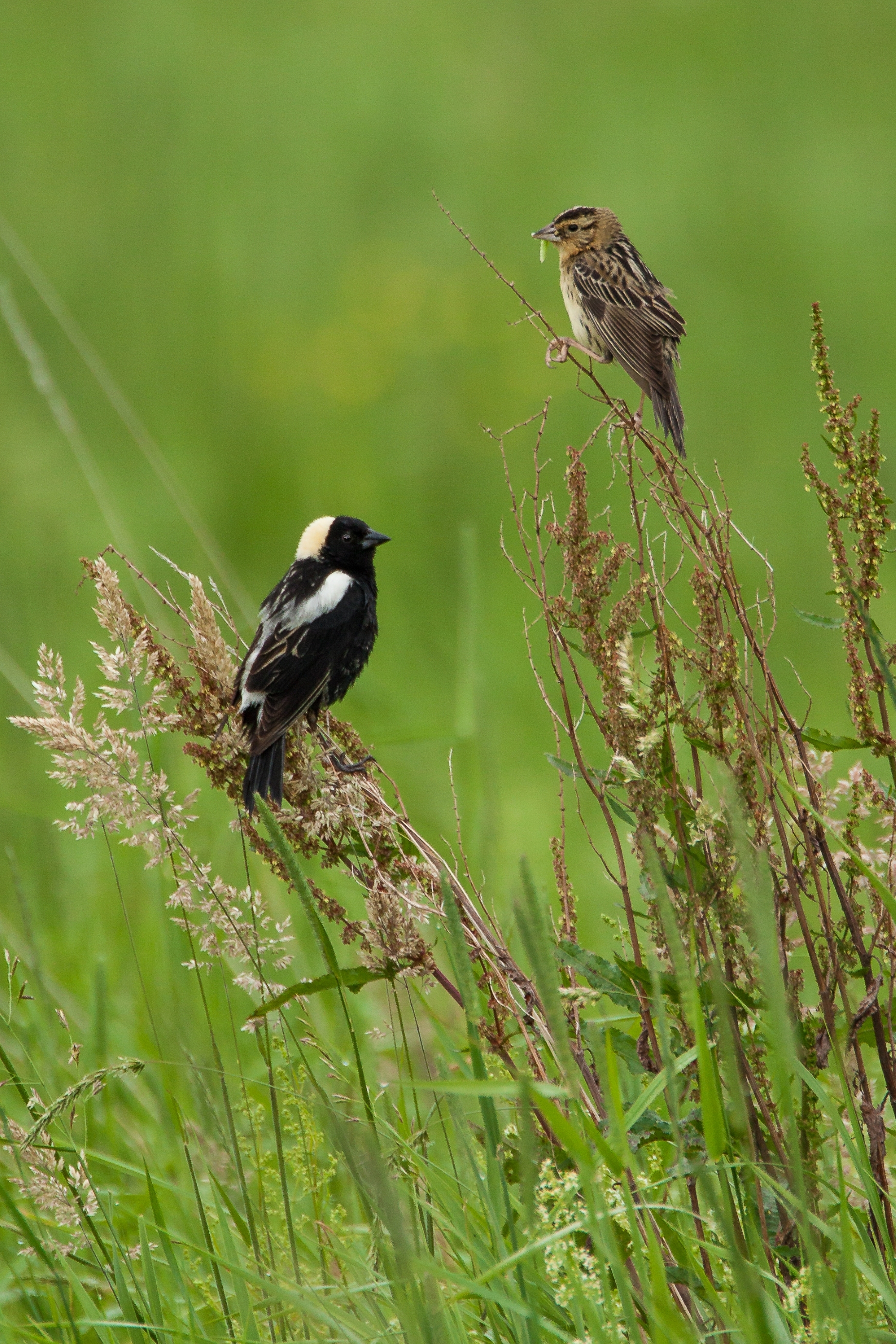
TNC’s work in the region is part of a much larger conservation vision spanning the 24,000-square-mile Driftless Area, which includes portions of Wisconsin, Minnesota, Illinois and Iowa.
This unglaciated region supports an extraordinary diversity of wildlife and plant communities, providing habitat for dozens of grassland bird species, including bobolinks and eastern meadowlarks, as well as hundreds of migratory birds traveling the Mississippi Flyway.
White-tailed deer, wild turkey, hog-nosed snakes and even the occasional badger call the region home. Native plants such as blazing star, big bluestem, little bluestem and prickly pear cactus thrive here, while hundreds of miles of streams and rivers support Wisconsin’s three trout species.

Over the past 60 years, as we worked in the [Pecatonica] watershed, we learned that if we wanted to scale our impact, we had to look beyond land protection and restoration and partner with landowners, neighbors and farmers in the watersheds that we worked.

Partnership has always been central to TNC’s approach, but nowhere is collaboration more important than in the Southern Driftless.
Since the early 1990s, TNC and a broad network of partners have worked together to protect and restore grasslands throughout the region. Organizations, including the USDA Natural Resources Conservation Service (NRCS), U.S. Fish and Wildlife Service, Pheasants Forever, Blue Mounds Area Project, The Prairie Enthusiasts, Driftless Area Land Conservancy and the Wisconsin Department of Natural Resources (WDNR), have helped landowners access technical assistance and funding to conserve existing grasslands and implement nature-friendly practices on agricultural lands.
Many of these efforts have been supported through the USDA’s Conservation Reserve Enhancement Program (CREP), along with conservation easements and other funding opportunities. Together, these partnerships have protected thousands of acres of habitat while strengthening the connections between local organizations and the landowners who steward these landscapes every day.
Those relationships remain at the heart of conservation success across the Southern Driftless.
From stories about nature in Wisconsin to conservation wins across the globe, Nature News brings you a monthly digest of the wild and inspiring natural world.
Sign Up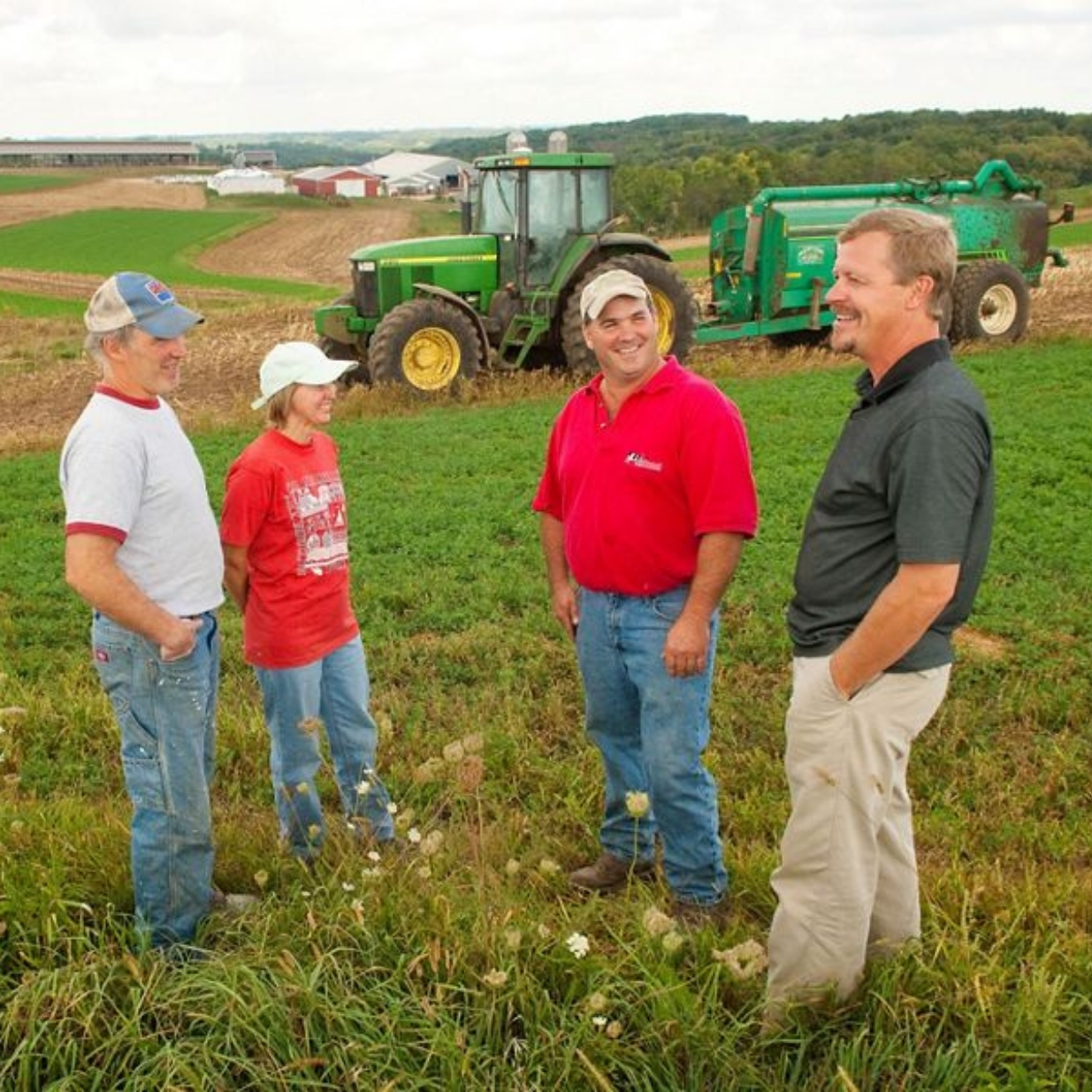
As conservation challenges have evolved, so has TNC’s work. One particularly innovative effort was the Pleasant Valley “paired watershed” project, which ran from 2006 to 2016. Designed to better understand how farm conservation practices affect water quality and soil erosion, the project focused on the Pleasant Valley watershed, a tributary of the Pecatonica River.
Working alongside farmers and landowners, researchers compared two watersheds: one where conservation practices were actively implemented and another that served as a control site. In partnership with UW–Madison researchers and Dane County conservation staff, the project tracked water quality, nutrient loss and soil erosion over time.
Between 2010 and 2014, the project supported 22 farmers who developed nutrient management plans and adopted practices such as no-till farming, barnyard runoff systems, improved fencing and cattle stream crossings.
The results were significant. Estimated phosphorus delivery declined by 45%, while average soil erosion dropped by 49%, demonstrating the measurable benefits of conservation-focused farming practices.
In many ways, this “locally led” work with farmers helped prove the value of what we now refer to as regenerative agriculture practices and served as a proof of concept for how peer-to-peer farmer collaborations can yield durable results for farmers and nature.
TNC’s engagement with farmers has grown from these early efforts into collaborations that now span the state. Through initiatives such as Challenge Grants within the state’s Producer-Led Watershed Program, TNC continues to support farmers who want to test new practices, improve soil and water health, and maintain strong, profitable operations.
Programs like TNC’s Upper Mississippi River Foodscape are further expanding collaboration and accelerating the adoption of regenerative practices across the broader Driftless landscape.

Lessons learned in the Driftless have helped advance efforts such as TNC’s producer-led Challenge Grants and grants for emerging farmers. TNC provided more than $100,000 of funding to support regenerative agriculture practices in 2025.
The seeds in the Southern Driftless have always been community seeds.
From early efforts to protect and enhance prairie systems to more recent water-quality collaborations with private landowners and farmers, TNC has leaned on decades of partnerships with county, state and federal agencies, researchers and local conservation organizations to support, protect and enhance critical and unique habitats.
To be successful, conservation “seeds” need caretakers from across the landscape. The right actions in the right places can yield significant benefits for people and nature.
What began as a purchase of a small parcel of prairie for conservation now encompasses 2,500 acres and helped form deep community connections.


Three-acre prairie remnant acquired at Thomson Prairie, marking the start of TNC’s work in the landscape.
Thomson Prairie
First 240 acres acquired at Spring Green Prairie.
Spring Green Prairie
First 79 acres acquired at Barneveld Prairie.
Barneveld Prairie
Pleasant Valley Watershed Project kicked off.
Military Ridge
With support from the Upper Mississippi Foodscape project, TNC hires a grazing specialist to expand the adoption of grazing across the Driftless.
Explore more inspiring seeds and stories from across the Upper Midwest and Wisconsin.


