


The Sweeping Benefits of Plant Diversity
We know more biodiversity is better for grasslands. But how much is enough? A new study aims to answer that question.
When Linda Simmons started ranching her pasture in northeastern South Dakota nearly 20 years ago, the land was overrun with invasive, cool-season grasses like smooth brome and reed canary grass. Her 75 cattle grazed the invasives, but she knew there was more she could do for both the livestock and the land.
Today, her land is lush with dozens of native grasses and flowering plants, giving her cattle a variety of options for grazing and making her land more resilient in the face of challenges like drought. That’s because she took intentional steps to increase plant diversity on her land and set back invasive species with methods like early grazing, rotational grazing with 12-week rest periods, and pesticides used sparingly and intentionally.
The benefits have been clear: Simmons can graze her cattle earlier and later in the season, meaning she saves thousands of dollars on feeding her cattle in the off-season. She also saves money on labor and chemicals. The rich nutrition in her fields helps her livestock gain weight and develop their palates to eat a variety of feeds. Her land is more resilient to drought—the long roots of native plants can reach water deep in the soil, meaning there’s always something green on the land. And the diverse plant community supports a wider ecosystem of beneficial insects, microbes and wildlife, and enriches the soil.
“When you improve the biology of the natural ecosystem, you get more life,” Simmons said. “You get more growth; you capture more water. You have more organic matter in the soil. And your nutrient cycling can be faster. So those are all great things for production.”


Quote: Linda Simmons
The cattle? They’ll work for you all day.
Why focus on plants?
Land managers and rangeland scientists know that more biodiversity is good for the prairie. But how much is enough? For ranchers, every investment in the land is a business decision, so they need to know what specific improvements to their grassland diversity will return the best results for their operations.
That’s what led a group of grassland scientists to create a study focused on quantifying the benefits of varying amounts and types of prairie diversity for working lands. The study, conceived by South Dakota State University, The Nature Conservancy and other partners, and funded by the U.S. Department of Agriculture’s Natural Resources Conservation Service (NRCS), looks at varying levels of three types of biodiversity. Its findings help quantify the benefits of investing in improving the mix of plants growing on grazing lands.
Types of Biodiversity
In South Dakota, a healthy prairie with lots of biodiversity supports diverse types of plants, animals and micro-organisms. There are three different aspects to prairie plant diversity a landowner should consider when working to improve the land.
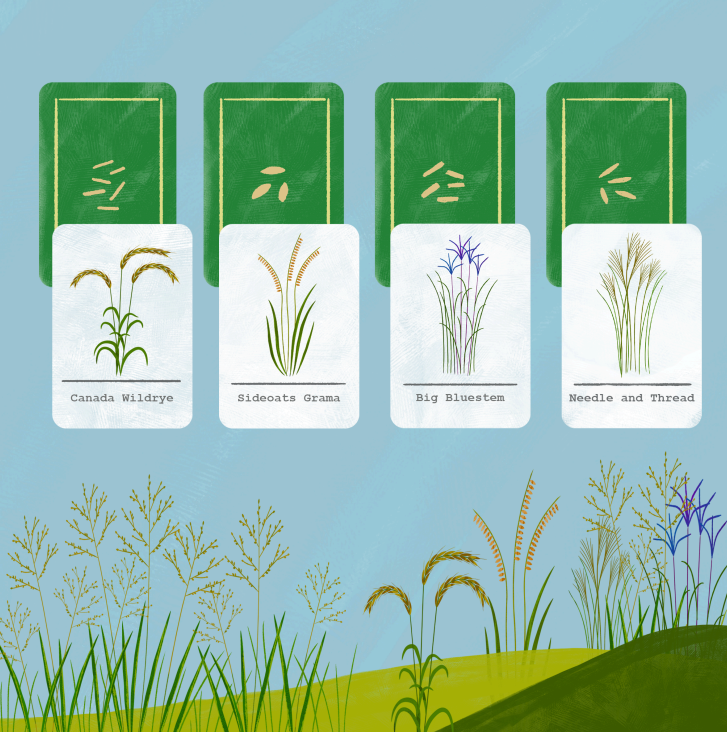
Species diversity
Species diversity is higher when there are more species within the same site. So instead of planting only switchgrass, you might opt for several types of grass and some wildflowers.
In South Dakota grasslands, consider planting a mix of species, including cool-season and warm-season grasses, like junegrass, bluestem, grama or wheatgrass mixed with flowering plants like purple prairie clover, prairie turnup and golden zizia.

Genetic diversity
Genetic diversity is the genetic variation within a single species.
For example, if you want to plant a native species, like prairie coneflower, seek out seeds from different sources. Populations of plants growing at different sites are likely to have developed different traits that adapt them to that site, which equates to differences in their DNA. Genetic diversity can make a population more adaptable and resilient to disturbance or a changing climate.
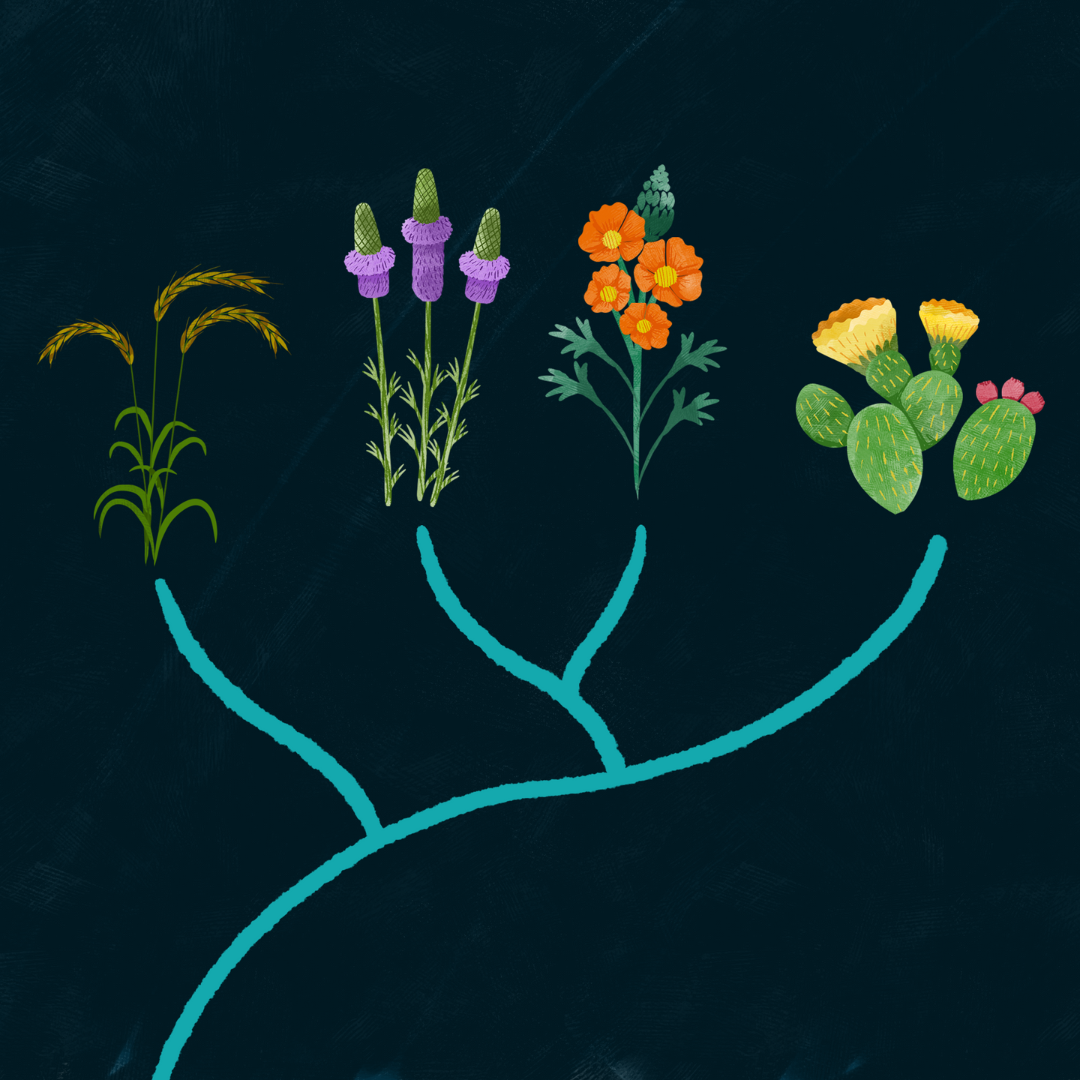
Phylogenetic diversity
Phylogenetic diversity is an assessment of how species in a community are related to each other. Choosing species from distantly related plant families can improve how ecosystems function.
For example, instead of only planting different species of grasses, add a range of wildflowers, legumes and sedges. Many of our native grasslands once had more than 400 plant species living together.
“The general rule of thumb in prairies is more biodiversity is better,” said study lead Lora Perkins, a professor at South Dakota State University. “The more kinds of species you have out there, the better. But that's vague. Like how much is enough and what kind of benefits do we get from that biodiversity?”
The experiment took place over the summers of 2024 and 2025 in Brookings, South Dakota. The study site has 480 plots of grass, each 5-by-5 meters in size. The plots contain varying levels of three different types of biodiversity: species diversity, genetic diversity and phylogenetic diversity.
For example, a plot with low species diversity, low phylogenetic diversity and high genetic diversity might contain eight species of only sunflowers, with each species grown from three different seed sources. A plot with high species diversity, high phylogenetic diversity and low genetic diversity could have 64 different species, including grasses, sunflowers, mints, roses, sedges and milkweeds, with each species grown from seeds sourced from a single location.
Data on pollinators, soil health and bloom times were collected regularly to assess benefits to the pollinator community, soil nutrients and other metrics. This helps researchers quantify the measurable benefits of increasing one or more of these categories of diversity, and that will help groups like NRCS communicate with landowners about best practices.
“Having that study to show that that this plot of this mix work really well versus this plot, it's all important so that we can learn as managers what to recommend, or what the landowner can do and expect at the end,” said Jay Hermann, a rangeland management specialist with NRCS.
Researchers are still analyzing results, but they have initial observations of the data, including that more diverse plots saw more pollinators visiting, and that soil health improved in plots with the highest species diversity and phylogenetic diversity.

Why it matters
A few hundred years ago, South Dakota was covered in prairie. Buffalo roamed free, pollinators thrived on the nectar of wildflowers and birds nested in bunches of grass.
It wasn't just here. Rich grasslands once covered more than 700 million acres—or 31% of the United States. Now, much of that land has been converted for farming and development. This transformation has put grasslands and the many species they support at risk.
Only 17% of prairie remains unplowed in the United States. Our land here in South Dakota is 90% prairie, making our state a stronghold for grasslands. Landowners and land managers play a pivotal role in protecting the remaining prairie.
We Can’t Save Nature Without You
Sign up to receive monthly conservation news and updates from South Dakota.

"Biodiversity is the heart of the conservation problem,” said Marissa Ahlering, TNC's director of science in Minnesota, North Dakota and South Dakota. “The challenge that we face is making sure that we're maintaining the biodiversity.”
What’s good for nature is good for cattle. And as Simmons has witnessed, cattle return the favor by benefiting nature.
“Cattle are very helpful, because it takes money to do management and the cattle produce the money,” she said. “And the cattle do a great job of grazing down invasive plants. We can’t burn here; there’s too many houses. But the cattle? They’ll work for you all day.”
Related Stories

Resilient and Connected Plains
By protecting our most well-connected and resilient land and water networks in the Great Plains, we can save some of our most important wildlife.

Biodiversity: Nature by Another Name
Nature underpins every aspect of human existence—and it is in crisis.

Policy and Nature in South Dakota
Explore this guide to learn how we use policy to advance conservation in South Dakota.