
North Carolina Conservation News
Hot off the Presses: We share stories on restoration, research and on‑the‑ground action.

August 14, 2026
The News & Observer: Hickory Nut Gorge Green Salamander
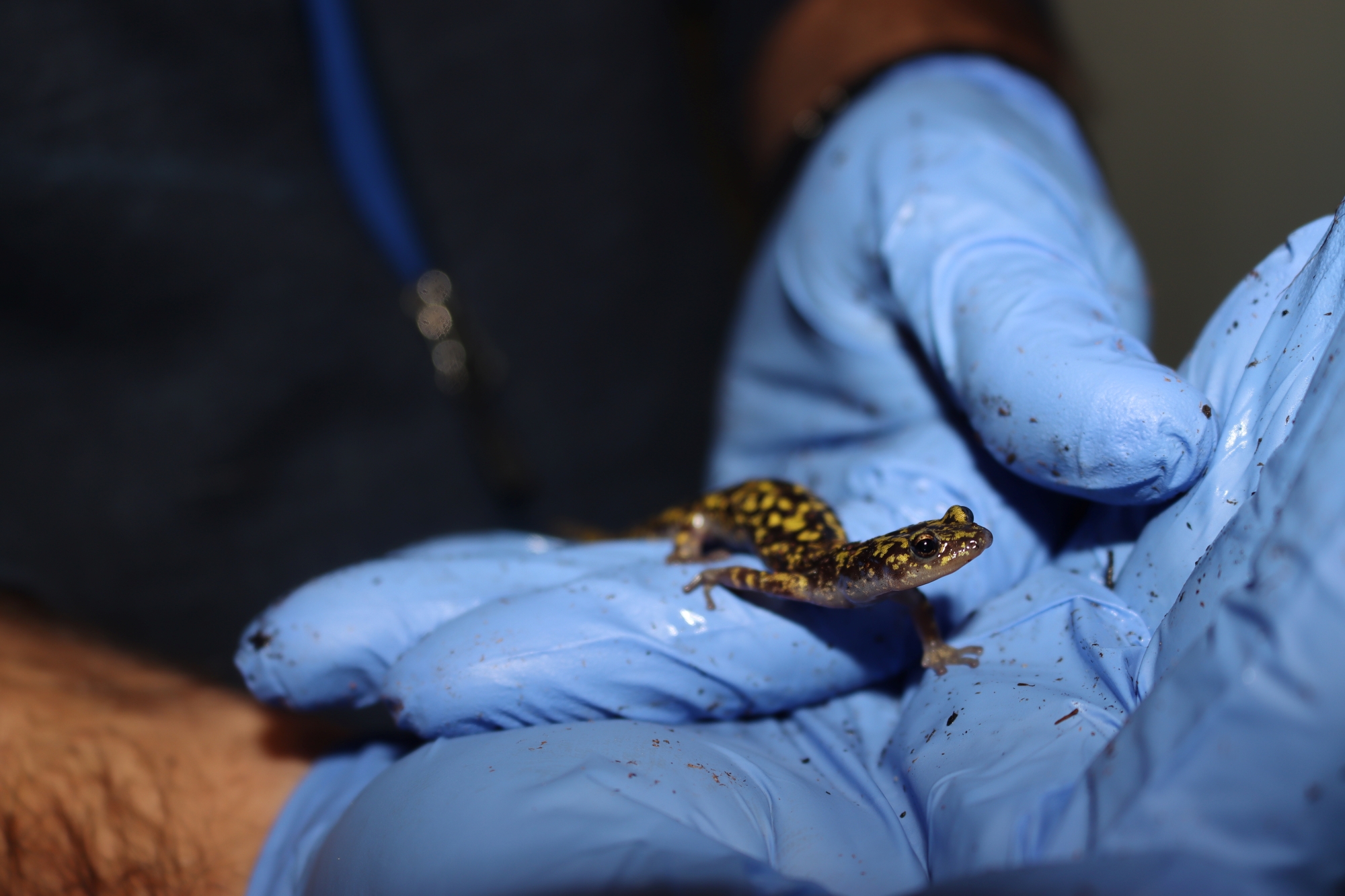
The Hickory Nut Gorge green salamander is one of the rarest species in North Carolina, and it’s hanging on by a thread. Before Hurricane Helene, only about 500 individuals were known. After massive landslides severely damaged their habitat, their current numbers are unknown.
TNC, the Amphibian and Reptile Conservancy (ARC), and the North Carolina Wildlife Resources Commission quickly launched a rescue mission, entering disaster‑stricken areas to locate these tiny salamanders and safely transport them to the NC Zoo, where they will be cared for as part of a new breeding program.
Learn more in this story by The News & Observer.
July 13, 2026
PBS EcoSense: Forest For The Trees
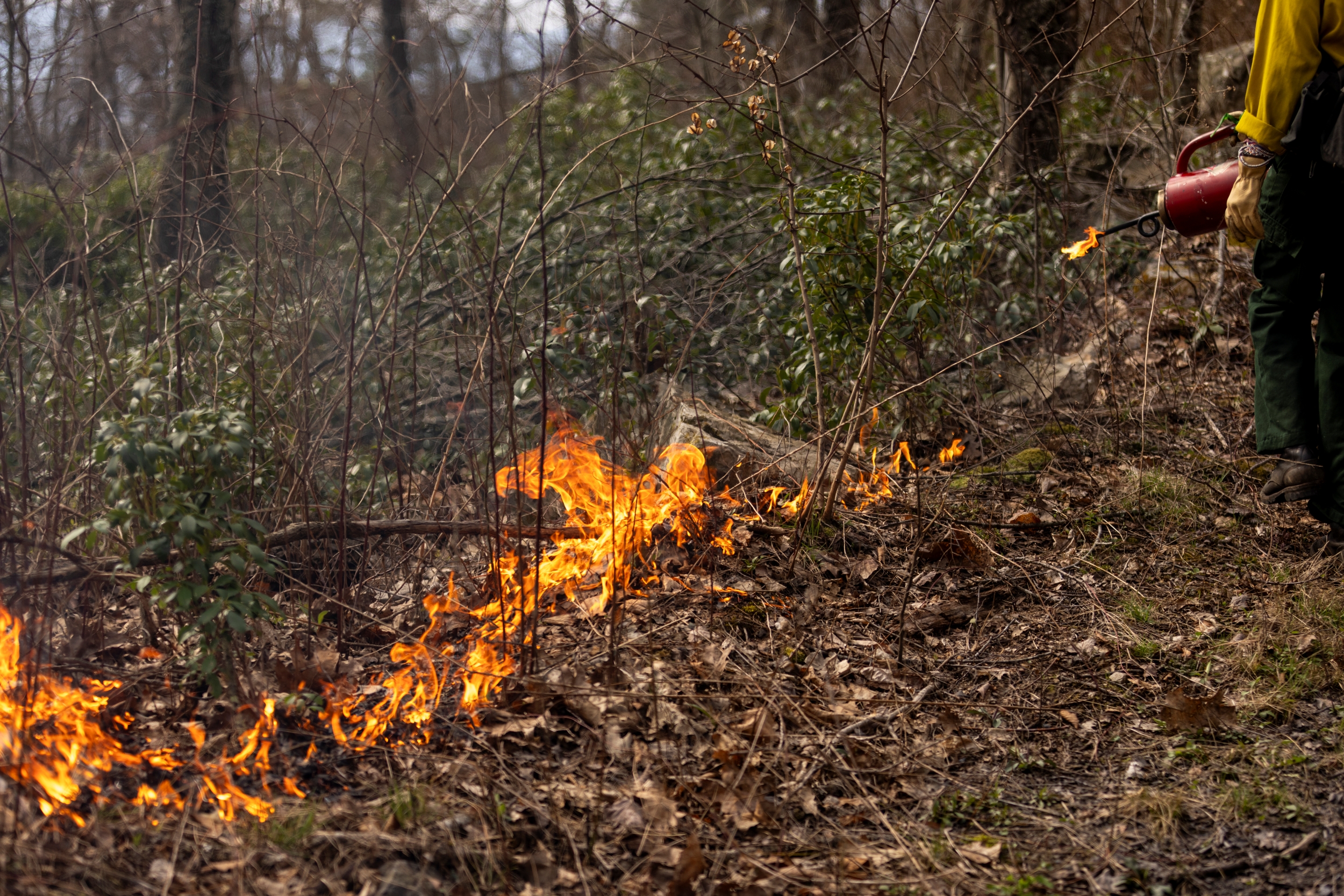
In the Southern Appalachians, TNC and partners are working to bring fire back to the landscape. For thousands of years, fire was a natural and essential part of these forests. However, extensive timber harvesting in the early 1900s led to policies that suppressed fire across the region. As a result, the composition of Appalachian forests changed dramatically.
Historically, these forests were dominated by species such as red oak, white oak and American chestnut, but today they are increasingly dominated by maples and poplars, which are less fire-tolerant and provide less valuable habitat for wildlife.
Keep learning on this PBS EcoSense episode.
July 10, 2026
PBS SCI NC: Controlled Burning
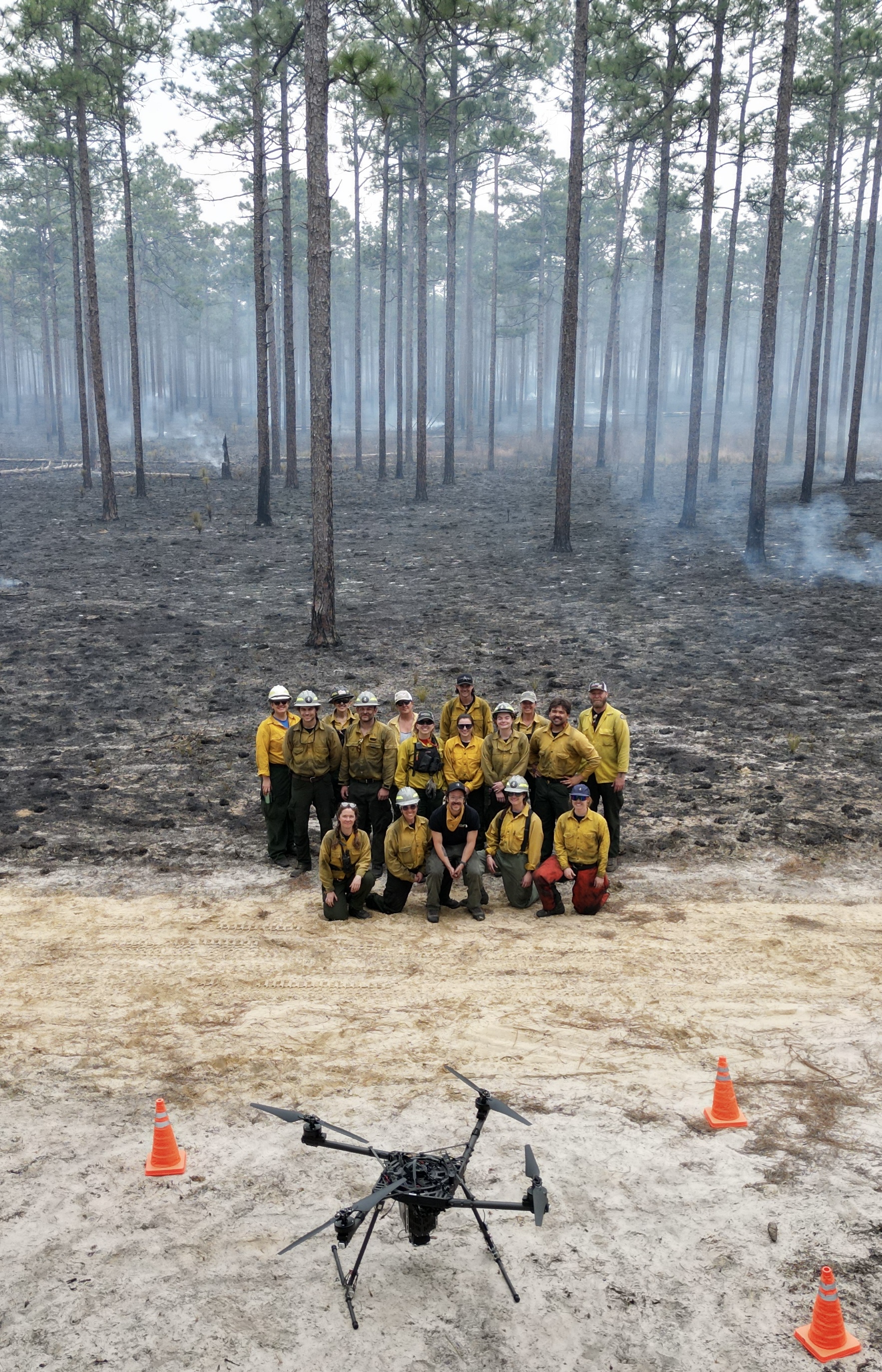
PBS joined our fire crew in North Carolina’s Sandhills to learn why we set forests on fire—on purpose. Alan Teed, Burn Boss and Sandhills Stewardship Manager, led the burn and walked the PBS team through the plan and its execution. TNC uses controlled burning to restore and maintain fire‑adapted ecosystems such as longleaf pine forests.
Longleaf pine is one of the region’s most at‑risk forest types. Its range once stretched across 90 million acres from Virginia to Texas, but centuries of land conversion and fire suppression reduced it to just 3.5 million acres. Thanks to stewardship efforts and land protection, that number has grown to 5.2 million acres.
July 13, 2026
PBS OVERVIEW: Why Does This Swamp Keep Catching on Fire?
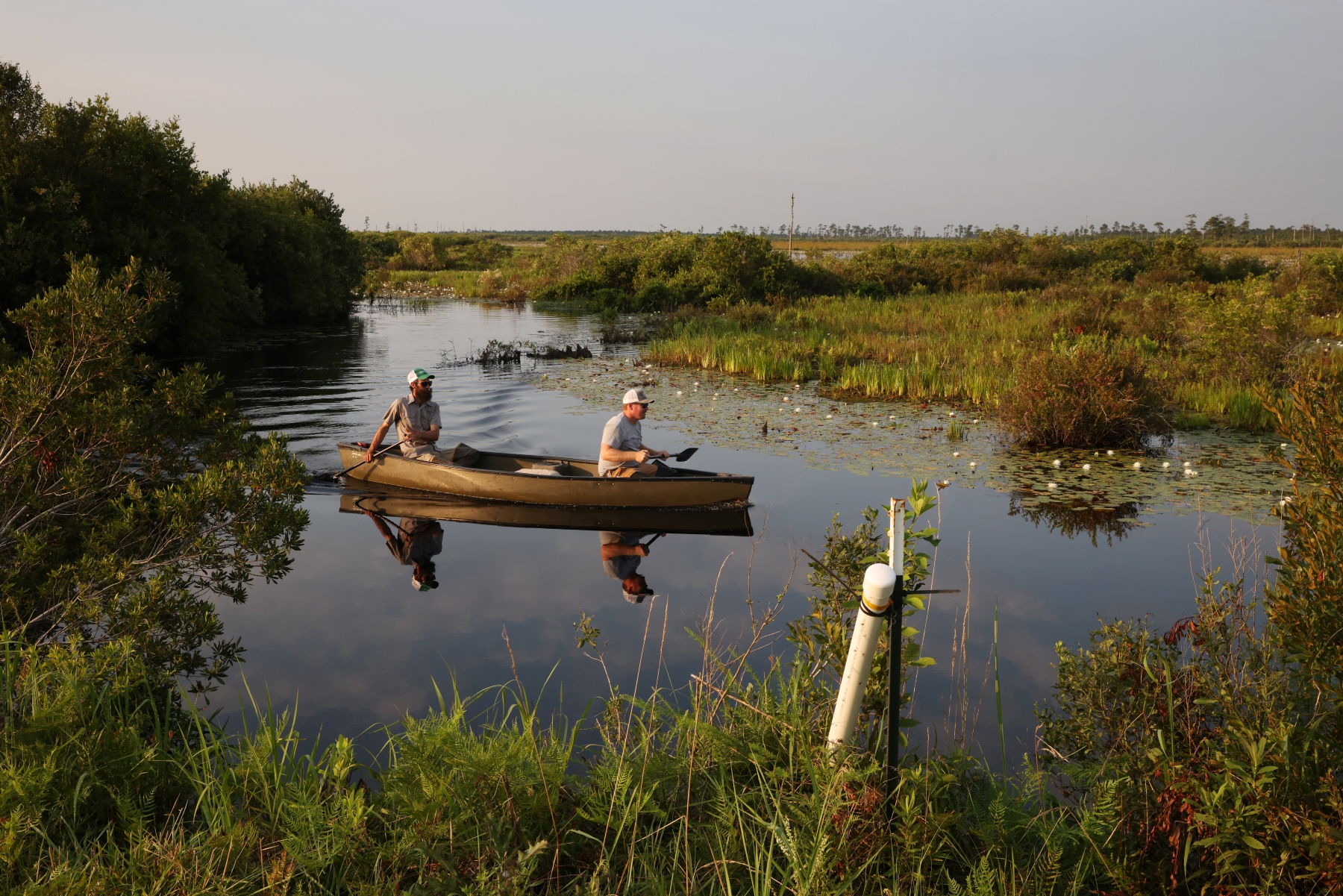
In 2011, a wildfire in the Great Dismal Swamp burned for 111 days. Why did it last so long? The answer dates back to the 1760s, when colonists drained parts of the swamp to create farmland. What they know was that beneath the surface lay vast deposits of peat soil, made up of partially decayed plant material that had accumulated over thousands of years. When saturated with water, peat acts like a giant carbon sponge, storing vast amounts of carbon. But as the swamp was ditched and drained, the peat was exposed to air and began to oxidize, becoming highly vulnerable to fire. Unlike typical wildfires, peat fires smolder underground and can burn for weeks or even months. As they burn, they release carbon that has been stored for millennia back into the atmosphere.
Today, efforts to restore the Great Dismal Swamp focus on rewetting the peat by raising water levels and restoring the swamp's natural hydrology.
Learn more on PBS Overview.
July 2, 2026
PBS NC WEEKEND: Green Swamp Preserve
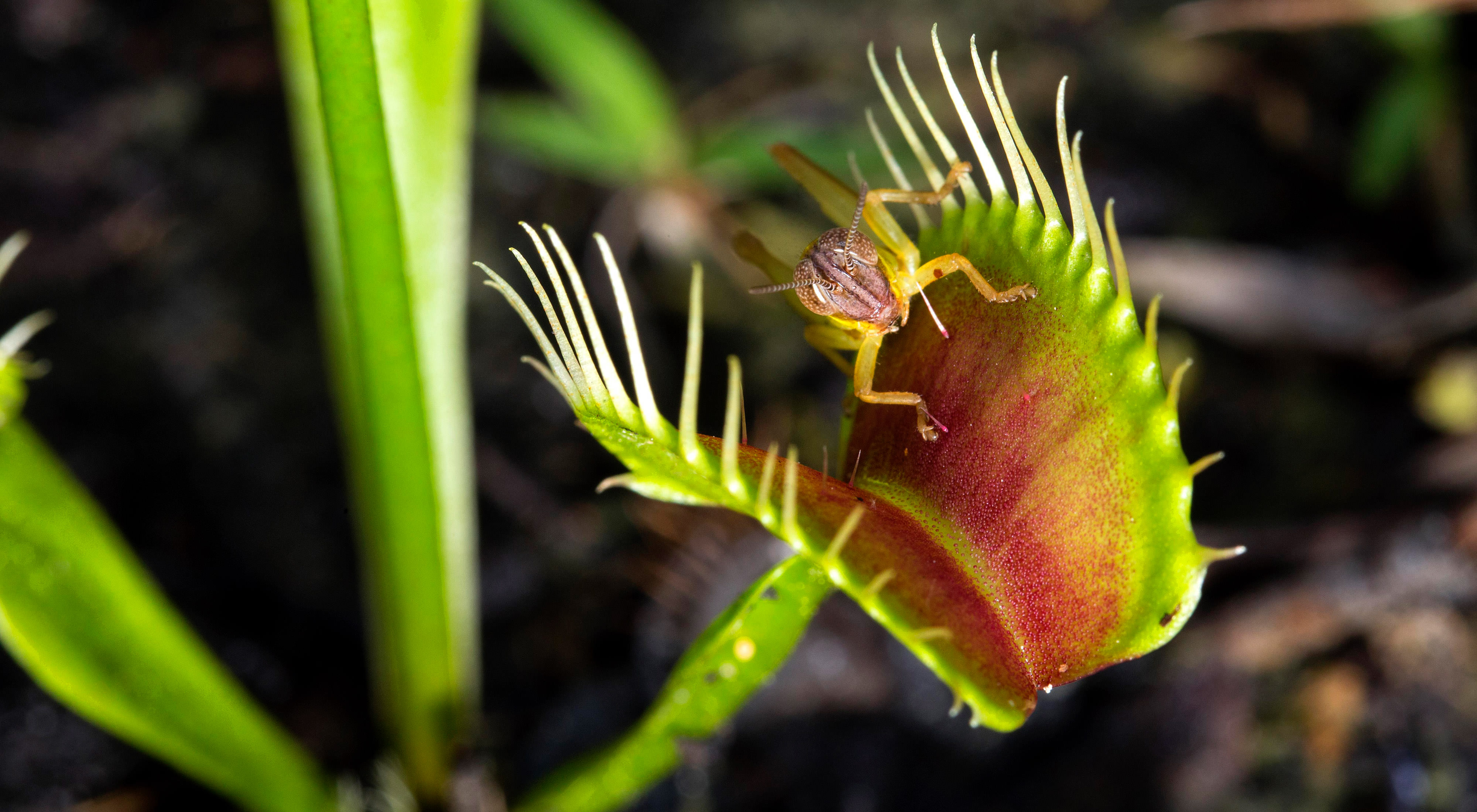
To celebrate the 250th anniversary of the Declaration of Independence, NC Weekend highlighted places that have played an important role in North Carolina's history. The Green Swamp Preserve offers visitors a glimpse into what a longleaf pine forest may have looked like during the American Revolution.
Longleaf pine forests once stretched across 92 million acres from Virginia to Texas, but only about 5% of that ecosystem remains today. In the 1700s, North Carolina became a leading producer of tar, pitch and turpentine. Decades of harvesting these products left a lasting mark on the state's longleaf pine forests. Thanks to decades of conservation, restoration and prescribed fire, however, these iconic forests are making a comeback.
May 19, 2026
PBS SCI NC: Scientists Are Racing to Catch a Rare Salamander
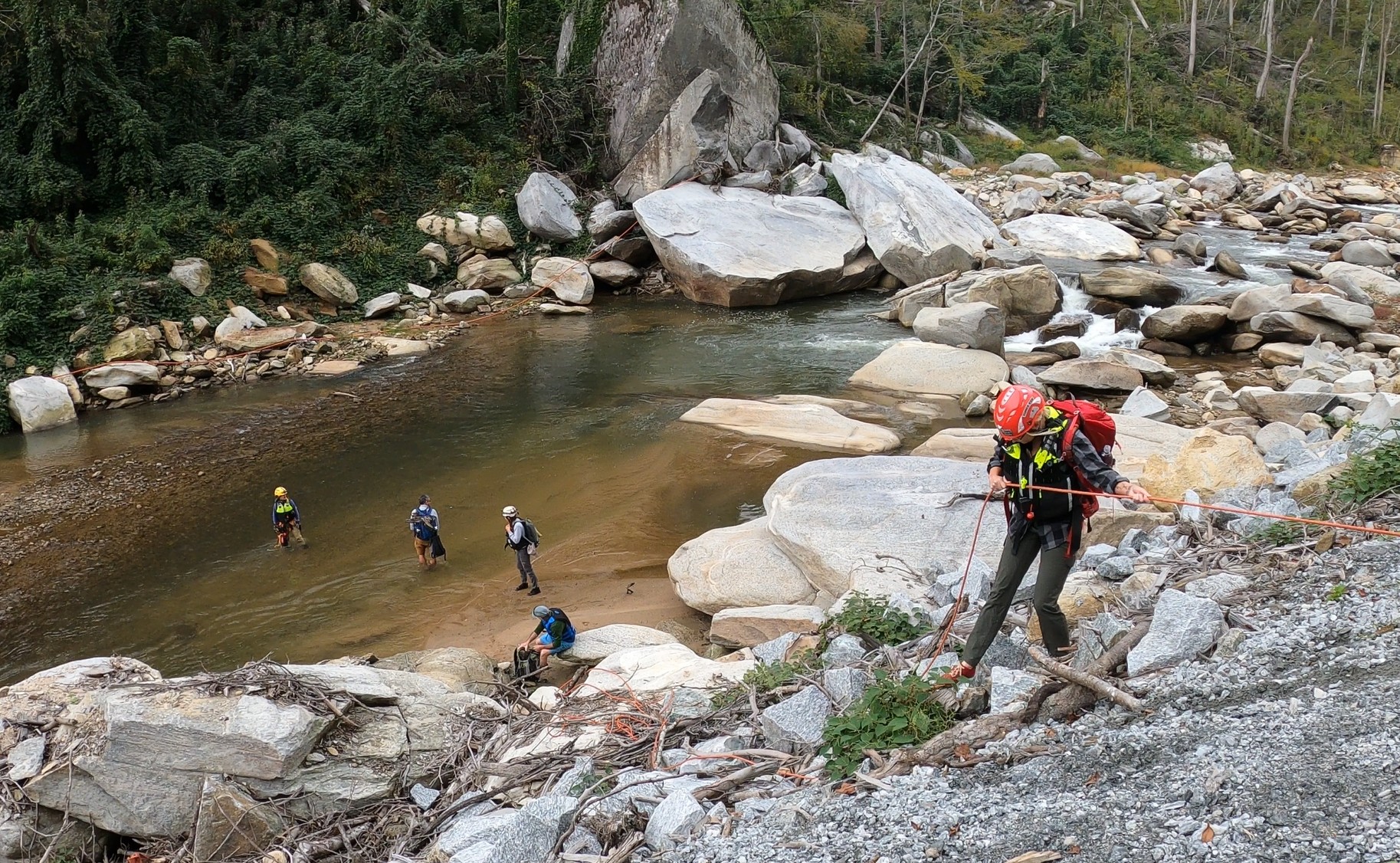
A PBS film crew rappelled down steep cliffs in a Hurricane Helene-affected area to help document the search for the rare Hickory Nut Gorge green salamander. This unique species lives in rock crevices and even climbs trees in search of food.
Hurricane Helene devastated the salamander's habitat and nearly wiped out the last remaining population. In response, TNC and its partners launched an emergency rescue effort to locate and collect as many salamanders as possible. These individuals will help establish a captive breeding program, giving the species a chance to recover before it disappears from the wild.
Related Stories

Following the Scent: Dogs Join the Fight to Save Bog Turtles
Discover how conservation dogs support bog turtle recovery in North Carolina’s mountain bogs and how TNC restores these rare Southern Appalachian wetlands.

Hurricane Helene: One Year Later
It’s been one year since Hurricane Helene tore through western North Carolina. The Nature Conservancy continues to work with several partners to restore damaged or at risk public lands and waters.

Identifying Fish Species at the Roanoke River
Hydrologic restoration is all about returning the water flow to its most natural state, so we are focusing on replacing culverts with fish-friendly bridges so fish can move freely.