


3 Must-See Birding Hotspots in New Mexico
Discover TNC preserves that host an incredible array of migrating and resident species.
New Mexico is a premier birding destination, with its diverse landscapes supporting a wide variety of native species. Through land conservation work, The Nature Conservancy (TNC) protects some of the state’s most important bird habitats while offering visitors the chance to observe spectacular wildlife.
We invite you to visit our preserves in New Mexico to experience the beauty and biodiversity that make this region so special – birdwatchers of all levels are welcome!
1. Rattlesnake Springs Preserve


In early May, Rattlesnake Springs Preserve combines late-spring migrants with Neotropical breeders that have recently arrived. The local Chihuahuan residents have already started nesting. The vermilion flycatcher is the star of the show, often singing and showing off near the entrance. The brown thrasher is an eastern species with a disjunct population found in and around the Rattlesnake Springs area. This is also a great place to find a southwestern willow flycatcher—a federally listed endangered species. Other common species to expect are Bell’s vireo, yellow warbler, summer tanager, ash-throated flycatcher, western kingbird, black phoebe, pyrrhuloxia, turkeys and many more. A total of 330 bird species have been recorded at Rattlesnake Springs, so you never know what you’re going to see!
2. Santa Fe Canyon Preserve


Santa Fe Canyon Preserve is another amazing birding spot in early May. The locals are very active and include both canyon and spotted towhees, plumbeous vireo, warbling vireo and lots of red-winged blackbirds. Some late migrants include Wilson’s warbler, yellow-rumped warbler and orange-crowned warbler. There is a good chance of hearing a sora and/or a Virginia rail in the wetland area. Considering bringing our Bird Checklist Compilation on your visit!
3. Gila River Preserve


The Gila River Preserve is one of the richest bird corridors in the Southwest and has over 200 recorded species. The common black hawk is an iconic Gila River species and is a highlight on most bird lists for the area. This is another spot to see the endangered southwestern willow flycatcher as well as the threatened yellow-billed cuckoo. Some of the spectacular birds include the blue grosbeak, summer tanager, western tanager (an early May migrant), black-headed grosbeak and the belted kingfisher.
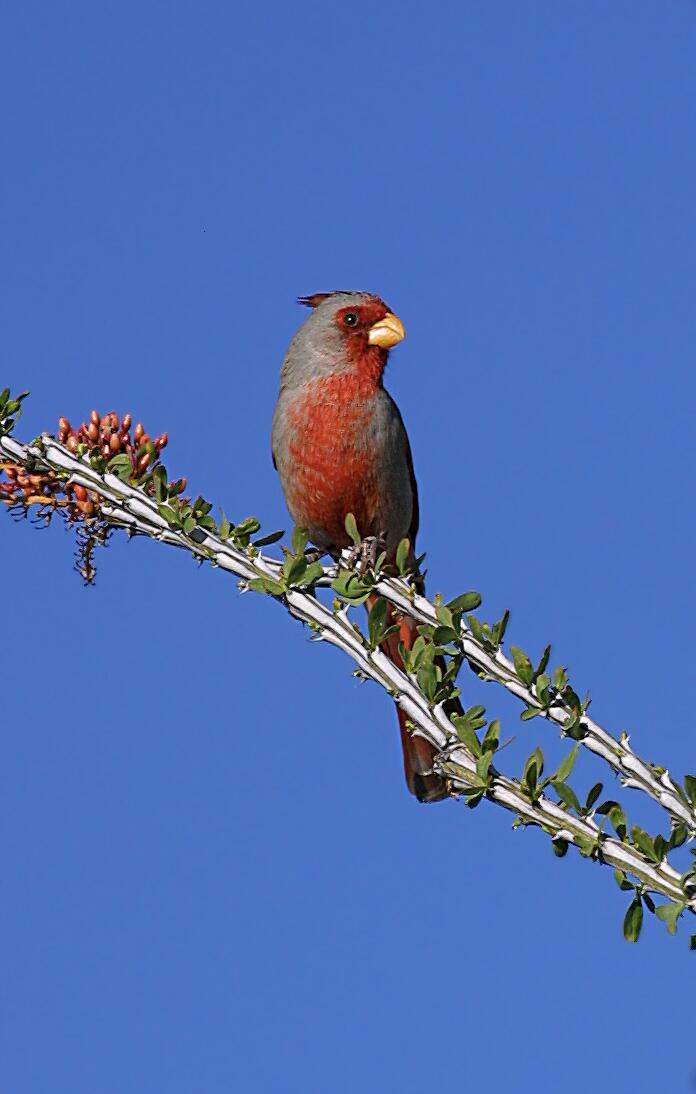
Pyrrhuloxia: (Cardinalis sinuatus) © David Harvey
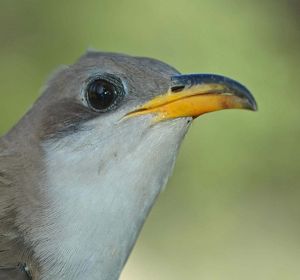
Yellow billed Cuckoo: (Coccyzus americanus) © William R Radke
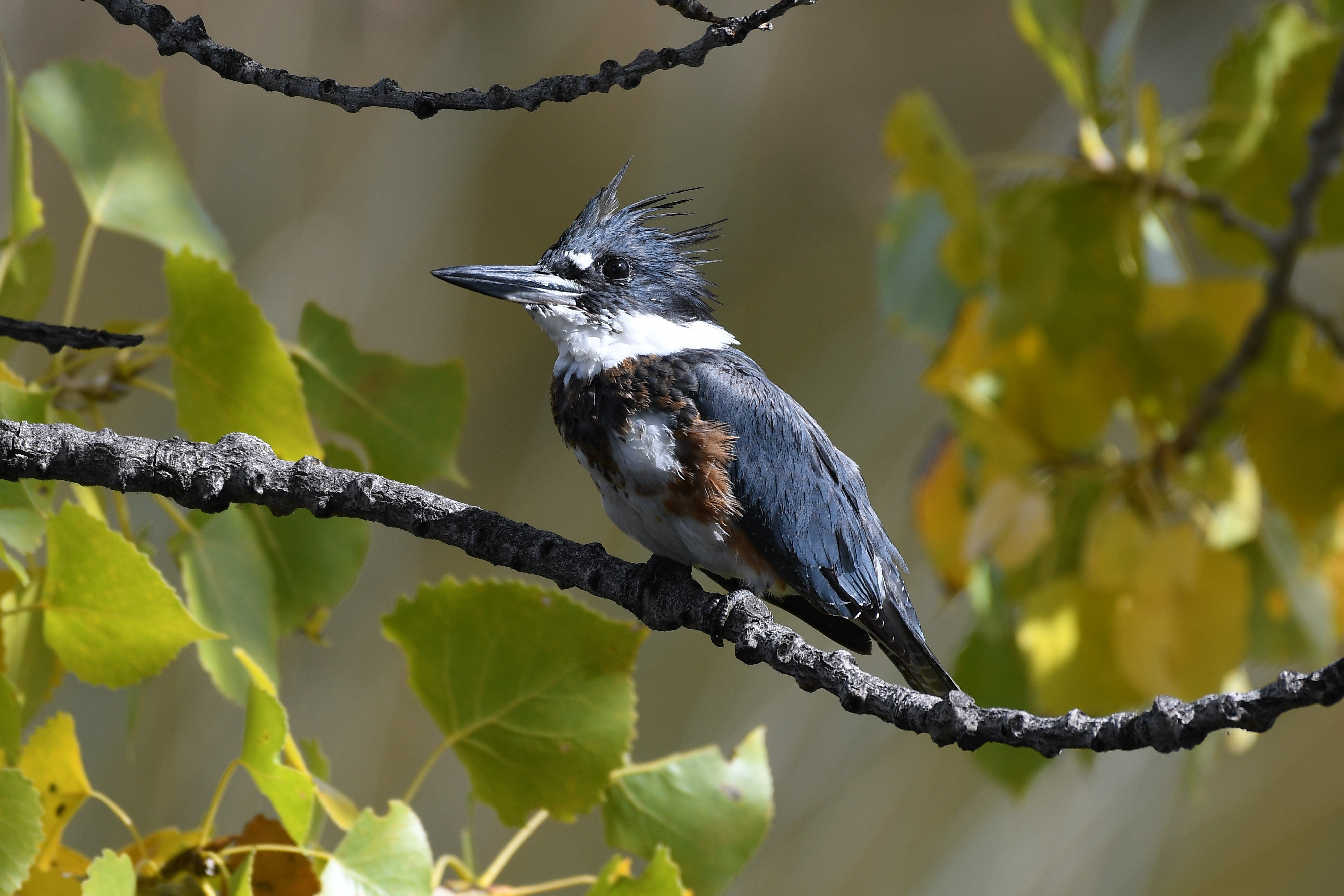
Belted Kingfisher: (Megaceryle alcyon) © Scott Johnson
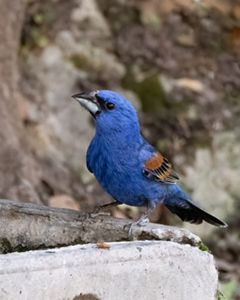
Blue Grosbeak: (Passerina caerulea) © Dan Wiesz
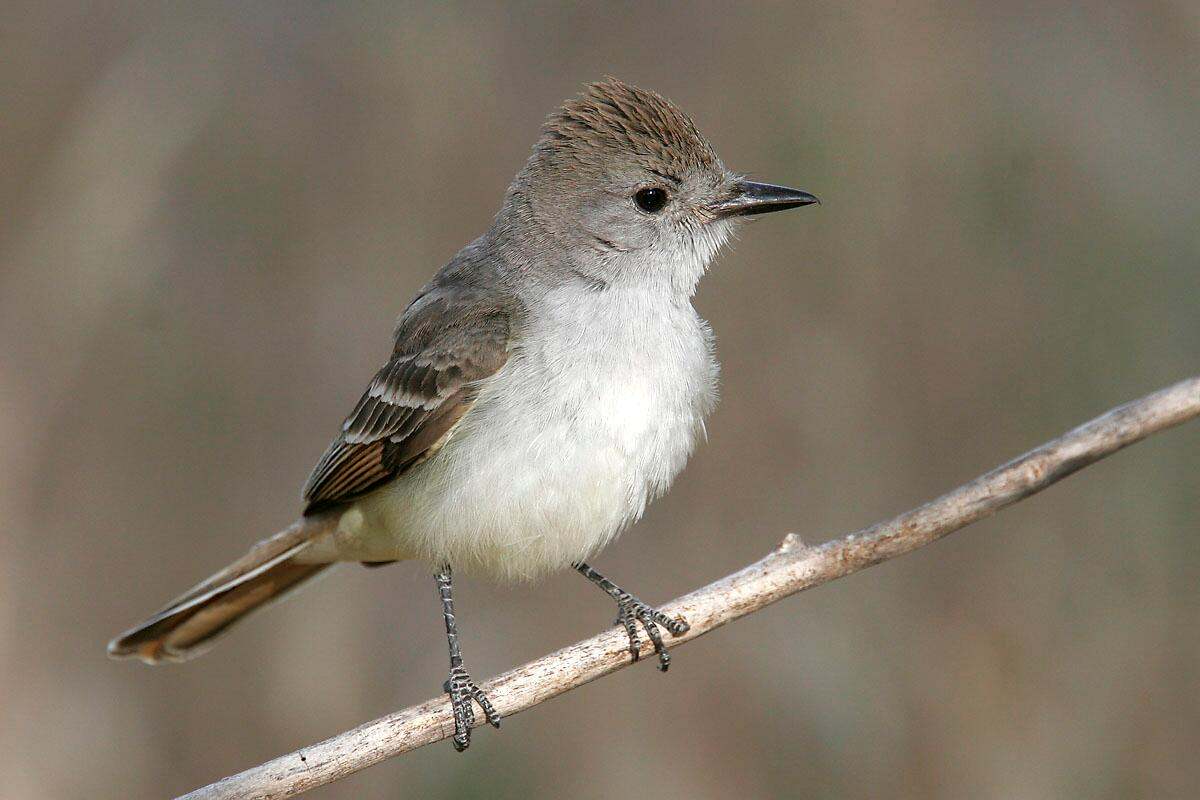
Ash-throated flycatcher: (Myiarchus cinerascens) © Bob Griffith
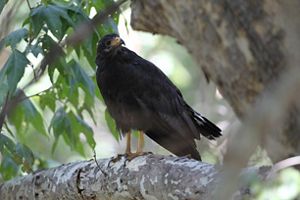
Common Black Hawk: (Buteogallus anthracinus) © Kerry Taylor
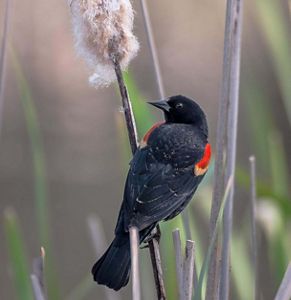
Red-winged blackbird: (Agelaius phoeniceus) © Rick Triana
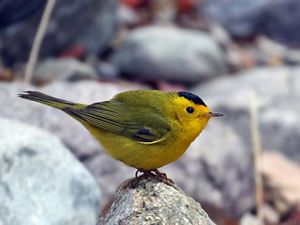
Wilson’s warbler: (Cardellina pusilla) © Dick Dionne
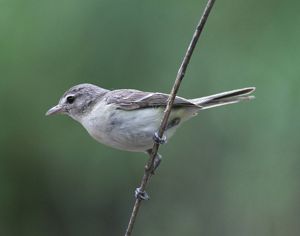
Bell's Vireo: (Vireo bellii) © Kerry Taylor
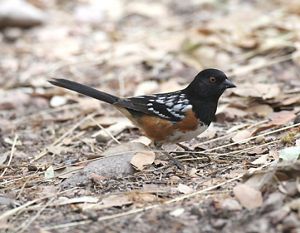
Spotted Towhee: (Pipilo maculatus) © Kerry Taylor
Plan Your Birdwatching Adventure
Hotspots Discover the best birding preserves in New Mexico.
Make a Difference in New Mexico
For more than 40 years, people like you have helped The Nature Conservancy protect more than 1.5 million acres of New Mexico’s forests, rivers and grasslands. We’re building on a conservation legacy to help solve today’s biggest conservation challenges from climate change and habitat loss to protecting clean water. Together we’re stronger!
More Stories

On the Move
A podcast mini-series about wild animals, their amazing migrations and how people are finding ways to free them up from all the things standing in their way.

Spotted: Wildlife Caught on Camera on TNC Preserves
Check out these trail camera photos from TNC preserves across New Mexico!

Videos from New Mexico
From rivers to forests to grasslands, check out a video to learn more about our conservation work throughout The Land of Enchantment.