


Four Ways to Conserve New Hampshire’s Waters for People and Nature
Our Freshwater Program is reconnecting waterways, restoring floodplains, improving river flows and helping ensure clean water for all.

Reconnecting the Ashuelot River opens new possibilities for wildlife, water and community.
The Ashuelot River has always been part of life in southwestern New Hampshire. It flows through forests, towns and fields, and connects communities to the Atlantic Ocean by a much larger river system.
Today, there is an opportunity to reconnect this river in new ways that can improve water quality, support fish and wildlife and create new possibilities for the people who live alongside it. That work is progressing in downtown Hinsdale, where the future of the river is being shaped in partnership with the community.
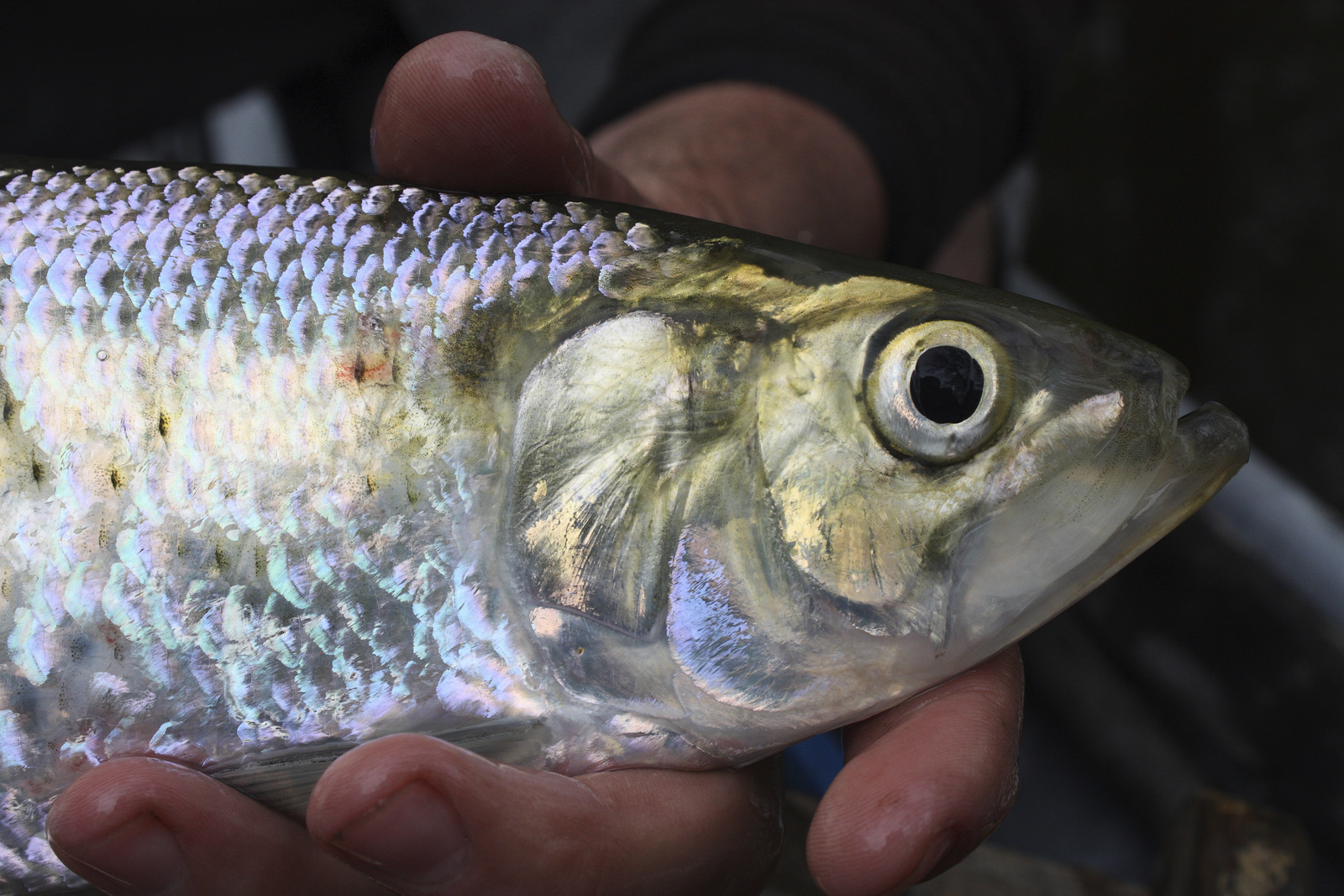
The Ashuelot River is one of the most important rivers for wildlife in the Northeast because it offers a rare chance to help migratory fish return to the middle and upper Connecticut River.
When fish like American shad, river herring and American eel can move freely upstream again, they bring nutrients from the ocean into inland rivers and streams. This extra food helps support a wide range of life, from tiny aquatic insects to birds, mammals and the fish people enjoy for recreation.
For thousands of years, the Ashuelot River has also been important to people. It sustained fish populations that were important to Indigenous communities. Later, early settlers also relied on the river for food, transportation and daily life. Over time, mills and other development changed the river. Dams were built, blocking fish from reaching the places where they reproduce and altering how the river flows.
Today, much of the land along the Ashuelot River’s upper reaches is still forested and protected. That creates a unique opportunity to reconnect the river in ways that benefit both nature and the communities along its banks, helping the river function more naturally while supporting recreation, water quality and local quality of life.
Reconnecting this stretch of river can lead to broad and lasting benefits.

Flowing rivers stay healthier and cleaner. They carry oxygen, balance temperature and help refill underground water sources that supply local drinking water.

When fish can move freely, they can reach the places they need to grow and reproduce. This helps rebuild populations and supports other wildlife that depend on the river.

Healthy rivers have room to spread out during storms. This helps slow floodwaters and reduces damage to nearby communities.

A cleaner, connected river makes it easier for people to fish, paddle and spend time outdoors, supporting local businesses and attracting visitors.
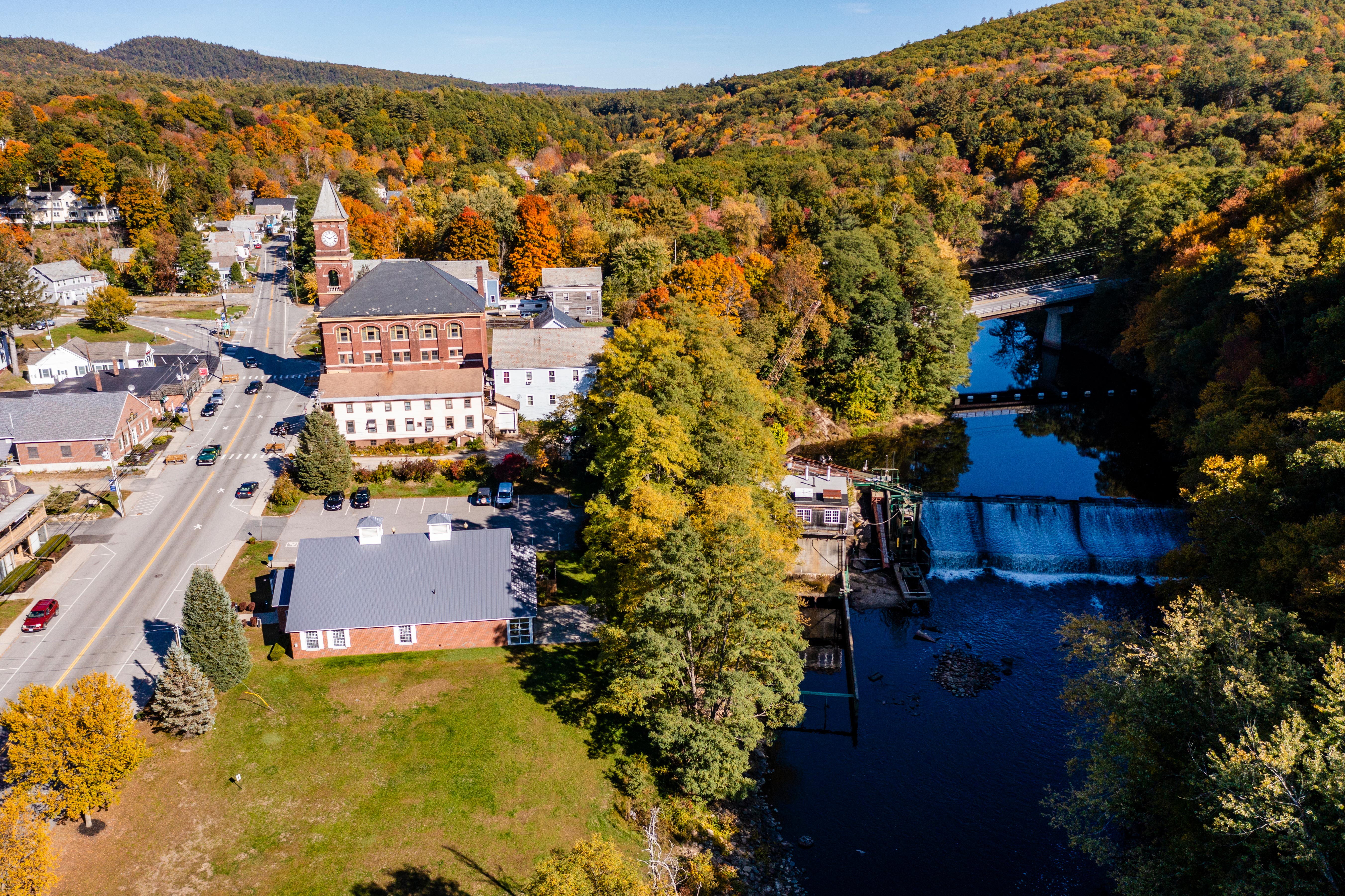
The Fiske Mill Dam, built in 1922, sits about 1.5 miles upstream from where the Ashuelot meets the Connecticut River. For migratory fish returning from the ocean, it is the first barrier they encounter.
In 2022, The Nature Conservancy purchased the dam to explore options that support a healthier river and create benefits for the community.
Reconnecting the river at this location would open 8 miles of river and tributary habitat and allow the river to move more naturally again. Over time, wetlands and streamside forests can begin to recover. Fish passage at two existing dams upstream from Fiske Mill will lead to 234 miles of restored habitat, allowing migratory fish to travel from the Atlantic all the way to Keene, New Hampshire, for the first time in more than a century.
This moment builds on earlier efforts along the Ashuelot River, where communities have already seen what’s possible when rivers are reconnected. Upstream in towns like Winchester and Swanzey, communities are experiencing the benefits of dam removal. Now Hinsdale has an opportunity to rethink how the riverfront can serve the people who live here now and in the future.

Sign up for our monthly e-news to get the latest stories and updates from NH!
This work is not just about the river; it’s about the communities on the river. That's why we're working with leaders, residents and local partners in Hinsdale and the surrounding communities to create a shared vision for the future of this riverfront space.
That vision may include improved access to the river, opportunities for recreation, and spaces for gathering, learning and connecting. By listening first and building relationships over time, this effort is grounded in the idea that the future of the river should be led by the people who know it best.
Our work along the Ashuelot River is part of a broader effort by TNC to reconnect rivers across New Hampshire and throughout the Appalachian region.
Freeing rivers and safeguarding communities.
How we're reconnecting rivers in the AppalachiansHealthy rivers depend on connections: connections between headwaters and downstream waters, between land and water, and between people and the natural places around them. Across the Appalachians, efforts like this are helping rivers flow more freely again, improving water quality, supporting fish and wildlife, enhancing recreation opportunities for those who live, work and play along these waterways, and strengthening communities.
The Ashuelot River is an important piece of that larger picture. By reconnecting this stretch of river, we are helping restore a system that reaches far beyond Hinsdale. Thanks to your support, our local work here in the Granite State positively impacts conservation efforts across the region.
We’re doing work throughout the Granite State to reconnect rivers, restore floodplains and saltmarshes, improve road-stream crossings and more, all for the benefit of people and nature.
By giving today, you are helping us make a difference along the Ashuelot River and beyond.


