


Autumn at Wilderness Lakes Autumn at Wilderness Lakes Reserve in Baraga County, Upper Peninsula of Michigan. © Dietrich Ludwig
Together in Michigan, we have protected 443,454 acres.
-

96,861
acres of wetlands
-

18
Great Lakes islands
-

6,645
acres of inland lakes and ponds
-

120
miles of Great Lakes shoreline
For 75 years, The Nature Conservancy (TNC) has been at the forefront of protecting the lands and waters on which all life depends. While TNC opened its first office in Michigan in 1974, we were active in the state going back to 1960. From our earliest projects, the work in Michigan has reflected, and in many cases forecasted, the evolving complexity of lasting conservation: not only creating land preserves but understanding and protecting landscapes at ecosystem scale, not only safeguarding lakes and rivers but entire watersheds and freshwater systems, not only preserving ecological wonders but building policy and innovative financing that supports sustainable working lands and waters.
We have learned that our mission requires working at greater scales — rooted in science, working in close collaboration with communities, business, and public and private partners — to deliver the best future for people and nature.
The following page offer a glimpse of our ever-expanding work in Michigan, focusing on the roots of the organization in land protection. To date, we have protected nearly 450,000 acres across the state, and while our work grows increasingly complex, land protection projects still capture the hearts of our staff and supporters.

We can visit these spectacular, ecologically rich places and feel the profound impact that TNC has made. We can walk through the forests and prairies, pause beside the wetlands, sit on the shoreline and gaze onto the Great Lakes, and know that thanks to the incredible work that continues to this very day, these vital landscapes will be here for future generations.
As TNC celebrates its 75th anniversary in 2026, we do so with profound gratitude for all who have this incredible work possible — our staff, our trustees, our partners and our generous donors. Your exceptional commitment to conservation fuels our momentum and strengthens our resolve as we work toward TNC’s 2030 goals and the vision that inspires them: a livable climate, healthy communities and thriving nature.
With that future in mind, please join us on this journey through our history in Michigan and all we have accomplished together.
In gratitude,
Helen Taylor, State Director
David Barfield, Board Chair
The 1960s
1,117 total acres protected in the 1960s:
1960 – South Manitou Island, 80 acres in Leelanau County
1968 – Black River Canyon Wilderness, Hiawatha National Forest, 556 acres in Alger County
1968 – Robinson Woods Preserve, 80 acres in Berrien County
1969 – Grand Mere State Park, 22 adjacent acres and 500 acres in the 1980s, Berrien County
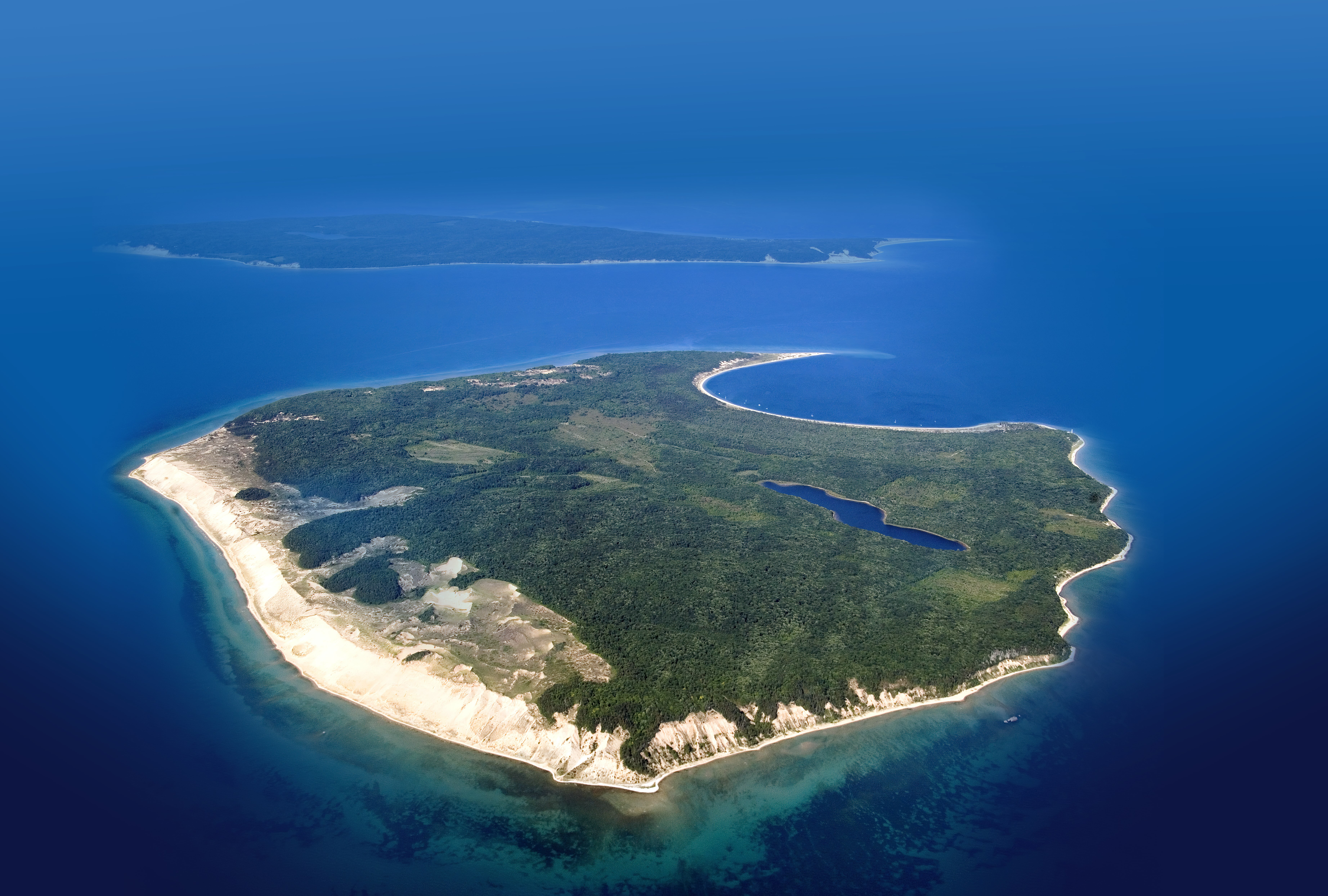
1960: South Manitou Island
Our first project in the state helped protect 80 acres of South Manitou Island in northeastern Lake Michigan through a loan of $1,400 to the State of Michigan.
The 1960 edition of The Nature Conservancy News reported the area “includes that State’s largest known balsam fir, as well as a white cedar that is thought to be the world's largest.” Today, the island remains protected as part of Sleeping Bear Dunes National Lakeshore.
Did you know?
Besides South Manitou Island, TNC has protected 4,114 acres across 18 Great Lakes islands, including the entirety of Power Island in Grand Traverse Bay.
1968: Rock River Canyon Wilderness
This 556-acre acquisition in what is now the Rock River Canyon Wilderness was TNC’s largest protection project in Michigan during our early years. Part of the Hiawatha National Forest, the wilderness area was established by Congress in 1987 and has grown to 5,200 acres.
1968: Robinson Woods Preserve
This gift of land 1968 established TNC’s first preserve in Michigan. TNC owned and managed Robinson Woods for 41 years before transferring the preserve to Chikaming Open Lands in 2009.
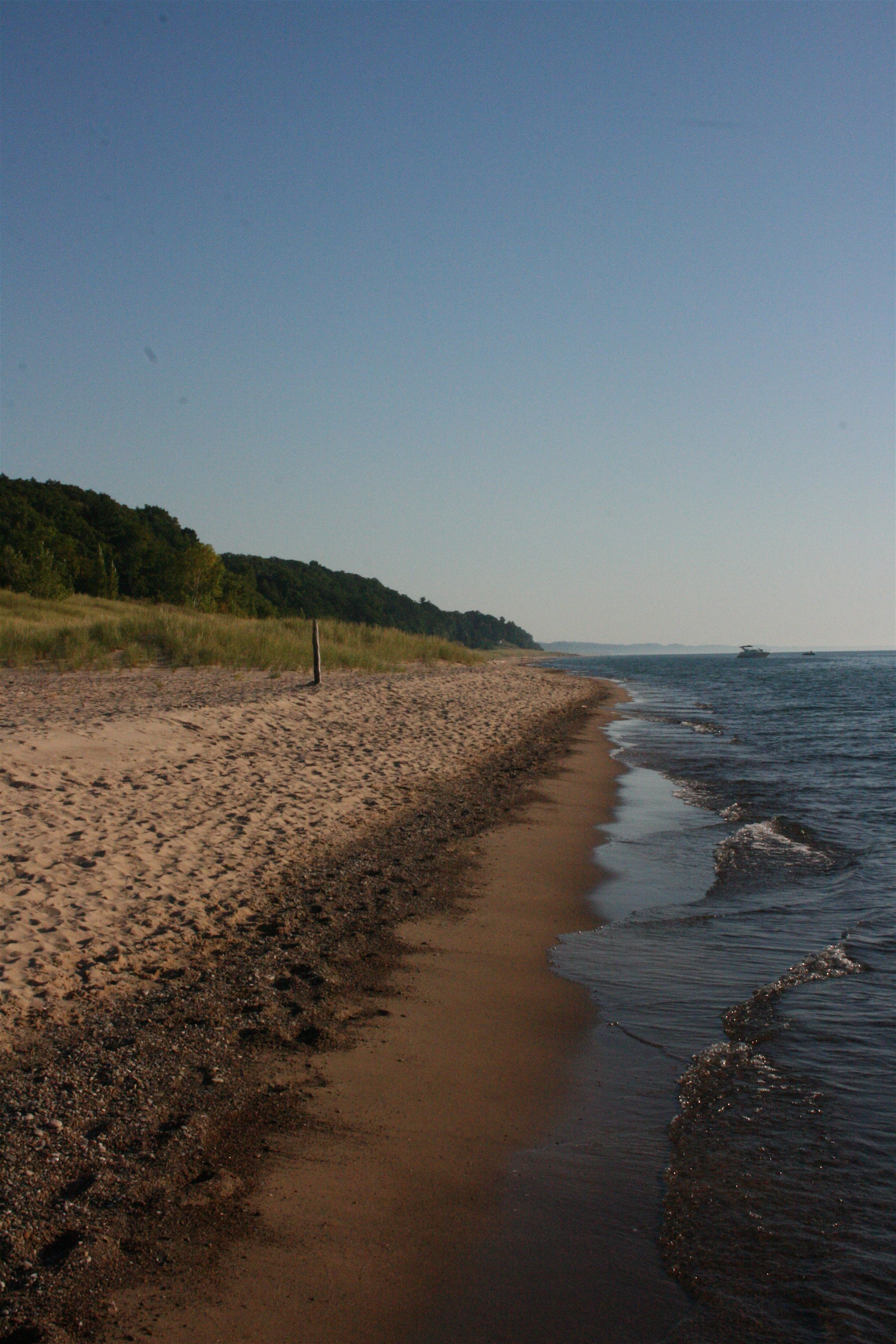
1969: Grand Mere State Park
In 1969, TNC assisted Kalamazoo Nature Center in acquiring 22 acres on Lake Michigan adjacent to what is now Grand Mere State Park. This initial acquisition helped fuel the local campaign to protect the surrounding dunes and unique coastal habitat, leading to the creation of Grand Mere.
In the 1980s, TNC partnered with the state and local stakeholders to expand the park with a 500-acre acquisition, nearly half of Grand Mere’s current 1,200-acre footprint.
The 1970s
21,616 total acres protected in the 1970s:
1970 – Pointe Mouillee State Game Area, 83-acre addition in Monroe County
1971 – Grass River Natural Area, 730 acres in Antrim County
1973 – Holloway Reservoir Regional Park, 1,437 acres in Lapeer County
1973 – Duck Lake State Park, 585 acres in Muskegon County
1975 – Power Island, 201 acres in Grand Traverse Bay
1975 – Skegemog Lake Wildlife Area, 1,106 acres in Rapid City
1977 – Beaver Island State Wildlife Area, 40-acre addition in Charlevoix County
1977 – Boyne Mountain's Avalanche Preserve Recreational Area, 300 acres in Charlevoix County
1978 – Erie Marsh Preserve, 2,200 acres in Monroe County
1979 – Nordhouse Dunes Wilderness Area, 598-acre addition north of Ludington
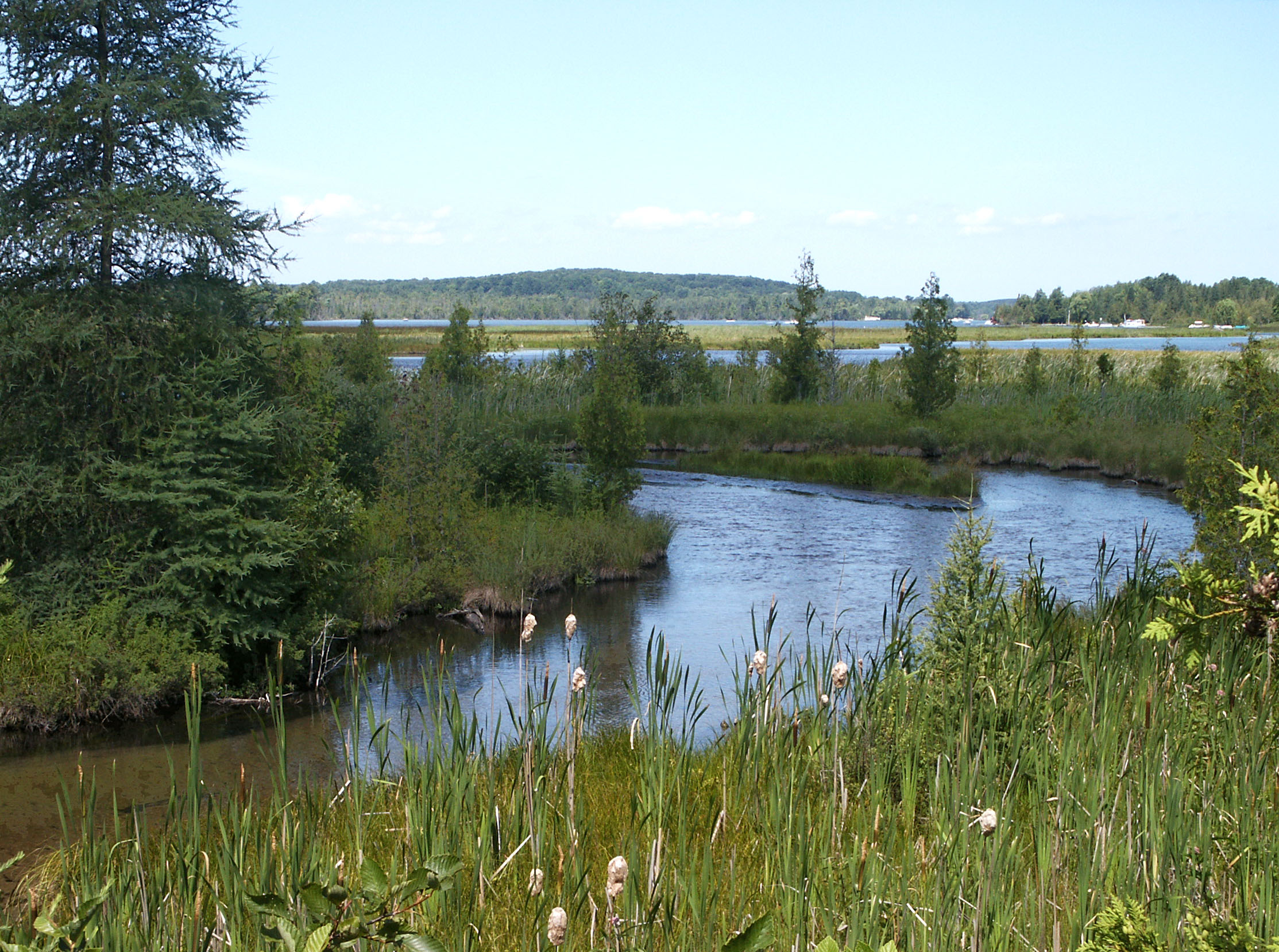
1971: Grass River Natural Area
In 1971, TNC joined a grassroots effort to protect the first acres of wetlands and forests that would become Grass River Natural Area in Antrim County.
Driven by local concern over the ecological impact of development, the project aligned with TNC’s growing focus on preserving natural diversity. Through 1983, TNC helped protect 730 acres of Grass River, which now spans 1,502 acres under the management of Grass River Natural Area.
1975: Skegemog Lake Wildlife Area
Between 1975 and 1993, TNC acquired the core 1,106 acres that became the Skegemog Lake Wildlife Area (SLWA).
Over those 18 years, TNC continued to support the growth of this protected area, transferring a total of 22 tracts to the Michigan Department of Natural Resources. Now encompassing 3,300 acres around the southern end of Skegemog Lake, the SLWA is managed by Grand Traverse Regional Land Conservancy.

1978: Erie Marsh Preserve
At more than 2,200 acres, Erie Marsh Preserve is home to some of the largest remaining coastal wetlands in southeastern Michigan, a critical stopover site for migratory birds.
When TNC acquired the preserve in 1978, its connection to Lake Erie had been severed for years. A decade-long wetlands restoration effort across nearly 1,000 acres, completed in 2021, fully restored diverse wetlands habitat and reconnected the marsh to North Maumee Bay for the first time in more than 60 years, supporting rejuvenated habitat for important native and migratory species.
1979: Nordhouse Dunes Wilderness Area
In 1979, TNC assisted the U.S. Forest Service in the acquisition of 598 acres north of Ludington. Now part of the 3,500-acre Nordhouse Dunes Wilderness Area and the larger Manistee National Forest, this project reflects TNC’s ongoing efforts to protect Michigan’s coastal habitats and the largest freshwater dune system on Earth.
The 1980s
13,218 total acres protected in the 1980s:
1980 – Grass Bay Preserve, now 915 acres and two miles of Lake Huron Shoreline in Cheboygan County
1982 – Mary Macdonal Preserve at Horseshoe Harbor, a gift of land from Mary Macdonald that has grown to 1,171 acres in the Keweenaw Peninsula
1983 – Nan Weston Preserve at Sharon Hollow, 249 acres on the River Raisin in Washtenaw County
1986 – Bois Blanc Island, 248 acres in Mackinac County
1987 – Ives Road Fen Preserve, 704 acres in Lenawee County
1988 – Thompson's Harbor State Park, 4,800 acres of Lake Huron shoreline
1988 – Ross Coastal Marsh Plain Preserve, a parcel of coastal marsh plains leading to today's 1,449-acre preserve
1989 – Zetterberg Preserve at Point Betsie, a gift of land from the Zetterberg family beginning today's 180 acre Preserve
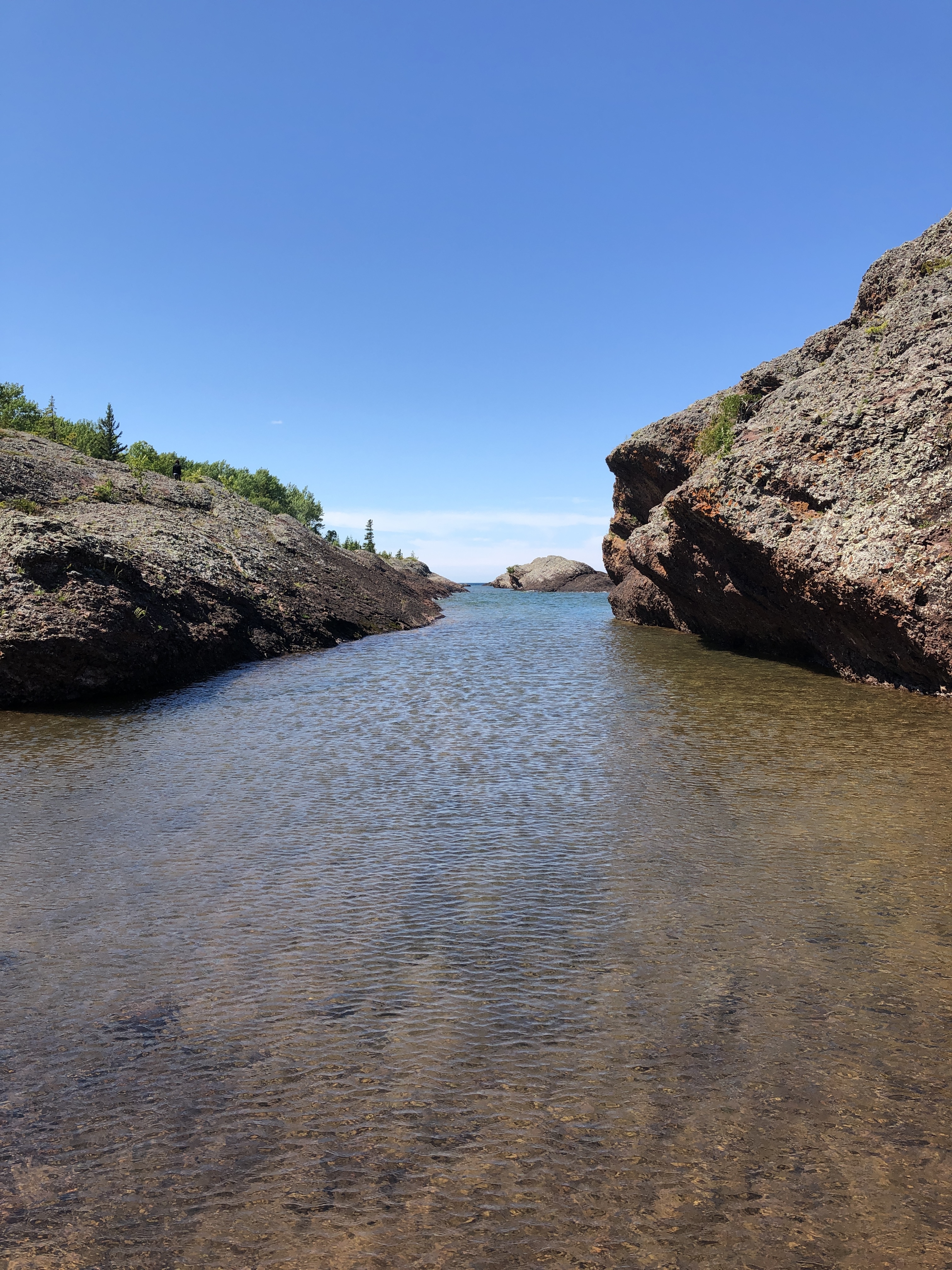
1982: Mary Macdonald Preserve at Horseshoe Harbor
One of our most visited preserves in Michigan, the Mary Macdonald Preserve was established in 1982 with a gift of land from Mary and has grown to encompass 1,171 acres, including five miles of Lake Superior shoreline. Looking back, this was the beginning of incredible conservation impact by TNC on the Keweenaw Peninsula, resulting today in 19.4 miles of shoreline protection and 43,835 acres of land protection, the creation of two additional TNC preserves and the landmark Keweenaw Heartlands project.
1989: Zetterberg Preserve at Point Betsie
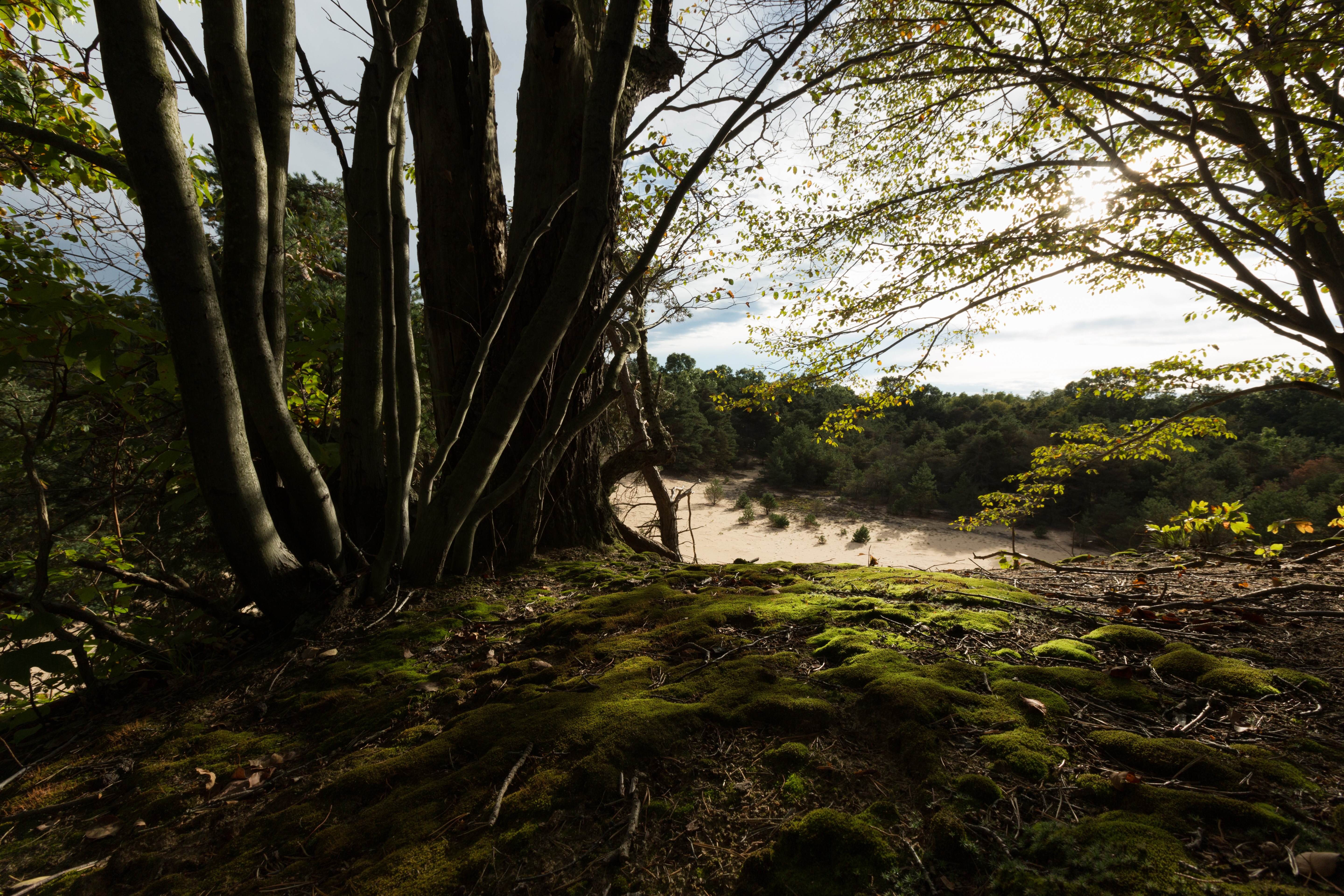
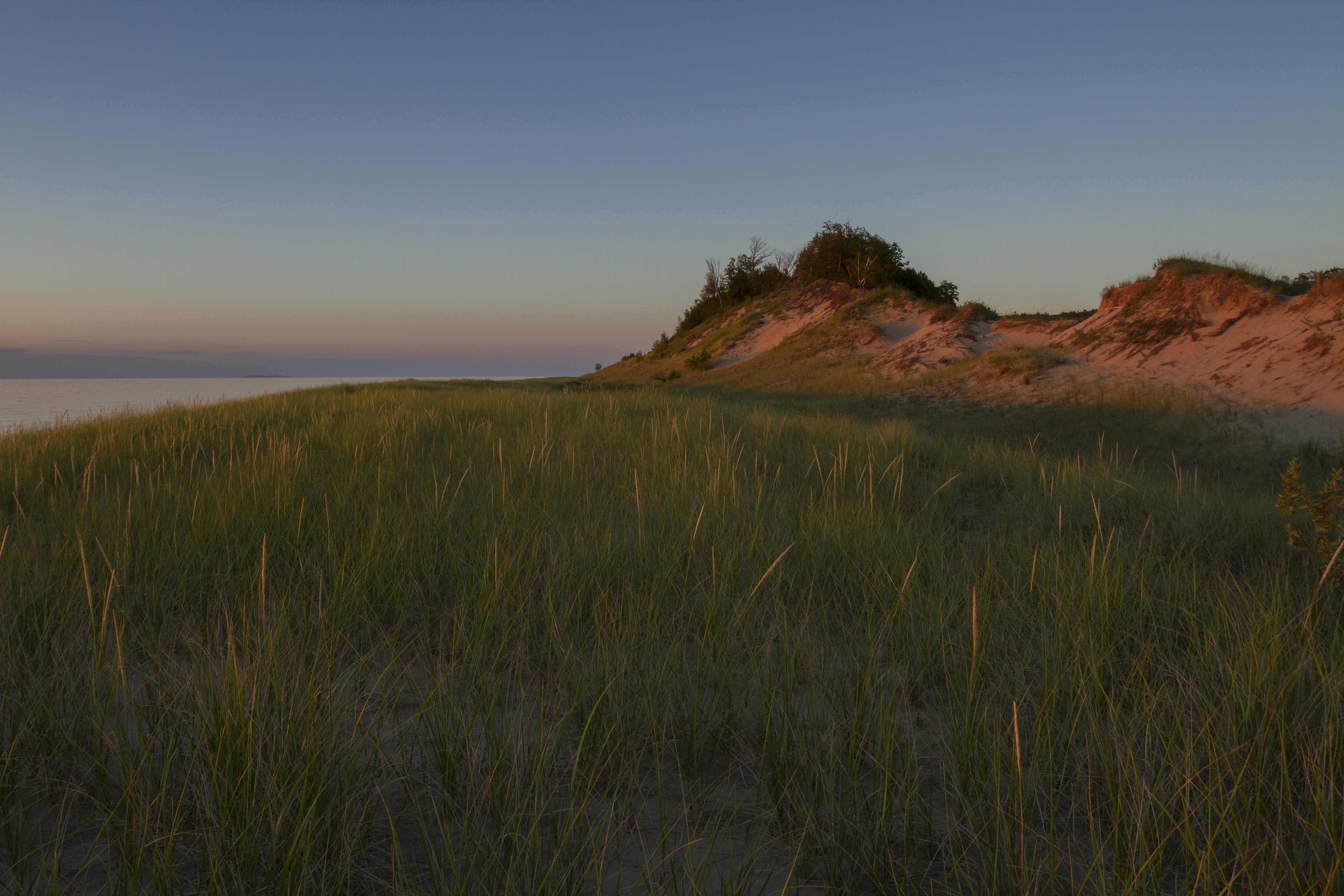
Established in 1989 with a gift from the Zetterberg family, Zetterberg Preserve at Point Betsie has grown to protect 180 acres of exquisite dune habitat. (The site is also home to a lighthouse thought to be one of the most photographed in the U.S.)
As the preserve has expanded, so has TNC’s understanding of what it takes to conserve the ecological processes that make Great Lakes dunes so ecologically vital. TNC has worked with partners for decades to manage invasive species across 145 miles of Lake Michigan shoreline.
The 1990s
23,795 total acres protected in the 1990s:
1992 – Laughing Whitefish Preserve, 1,700 acres between Munising and Marquette
1992 – North Manitou Island, 333-acre addition to Sleeping Bear Dunes National Lakeshore in Leelanau County
1992 – Marquette Island, 943-acre addition to Aldo Leopold Nature Preserve in Mackinac County
1993 – Carl A. Gerstacker Nature Preserve at Dudley Bay, part of more than 5,000 acres in the Les Cheneaux Islands area that TNC has helped protect with local partners
1995 – State Forest at Crow River Mouth, 10,373 acres in Mackninac County
1996 – Grand River Fen Preserve, 130 acre purchase that has grown to 627 acres
1999 – Park Lyndon, 130 acres in Washtenaw County
1992: Laughing Whitefish Lake Preserve
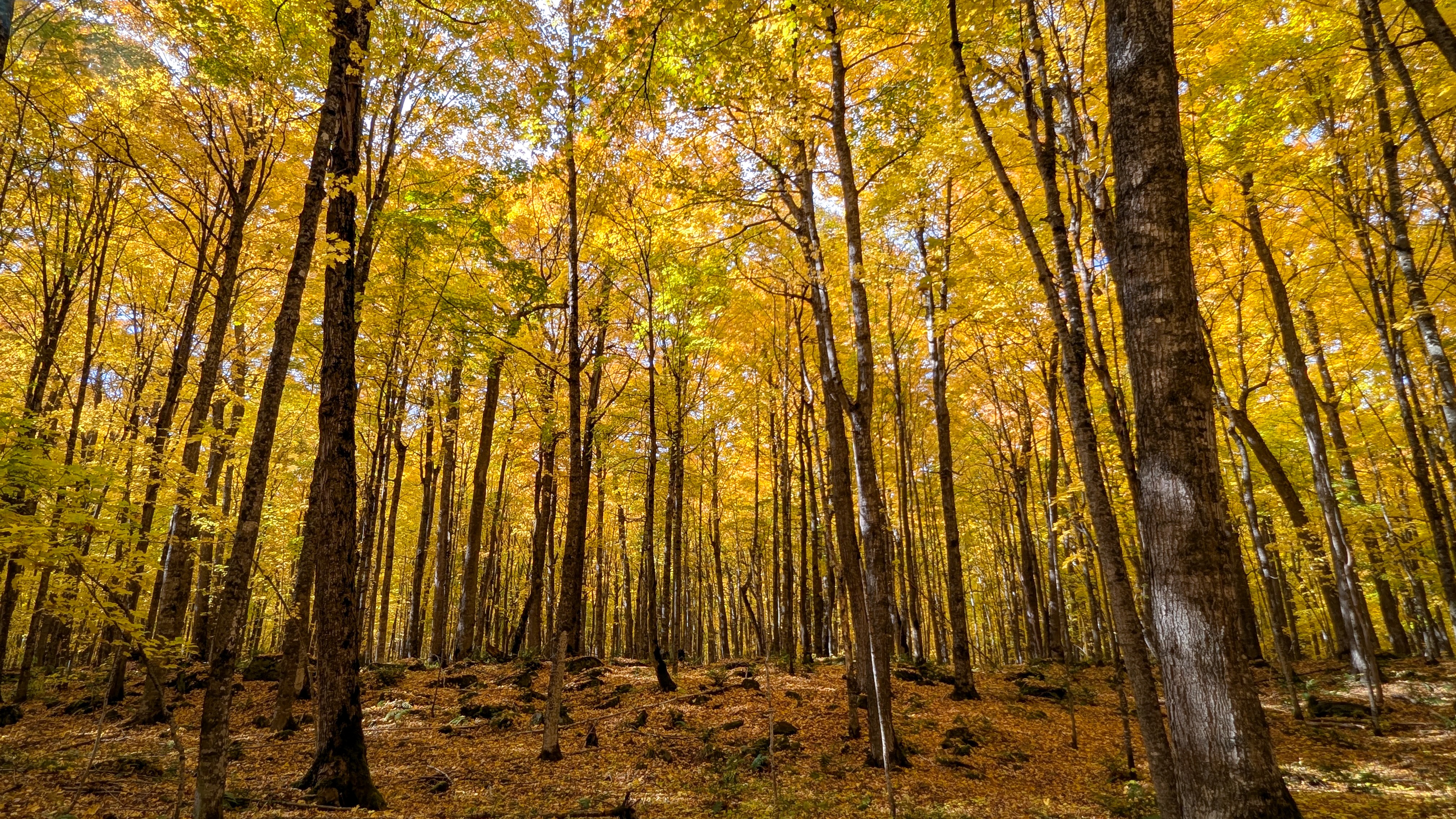
Situated between Munising and Marquette, Laughing Whitefish Lake Preserve offers more than 1,700 acres along Laughing Whitefish Lake and River, six miles south of where the river empties into Lake Superior.
It was here, in the early 1900s, that renowned nature photographer George Shiras III earned his moniker “the father of wildlife photography” for his remarkable nighttime images of iconic Michigan fauna.
1993: Carl A. Gerstacker Nature Preserve at Dudley Bay
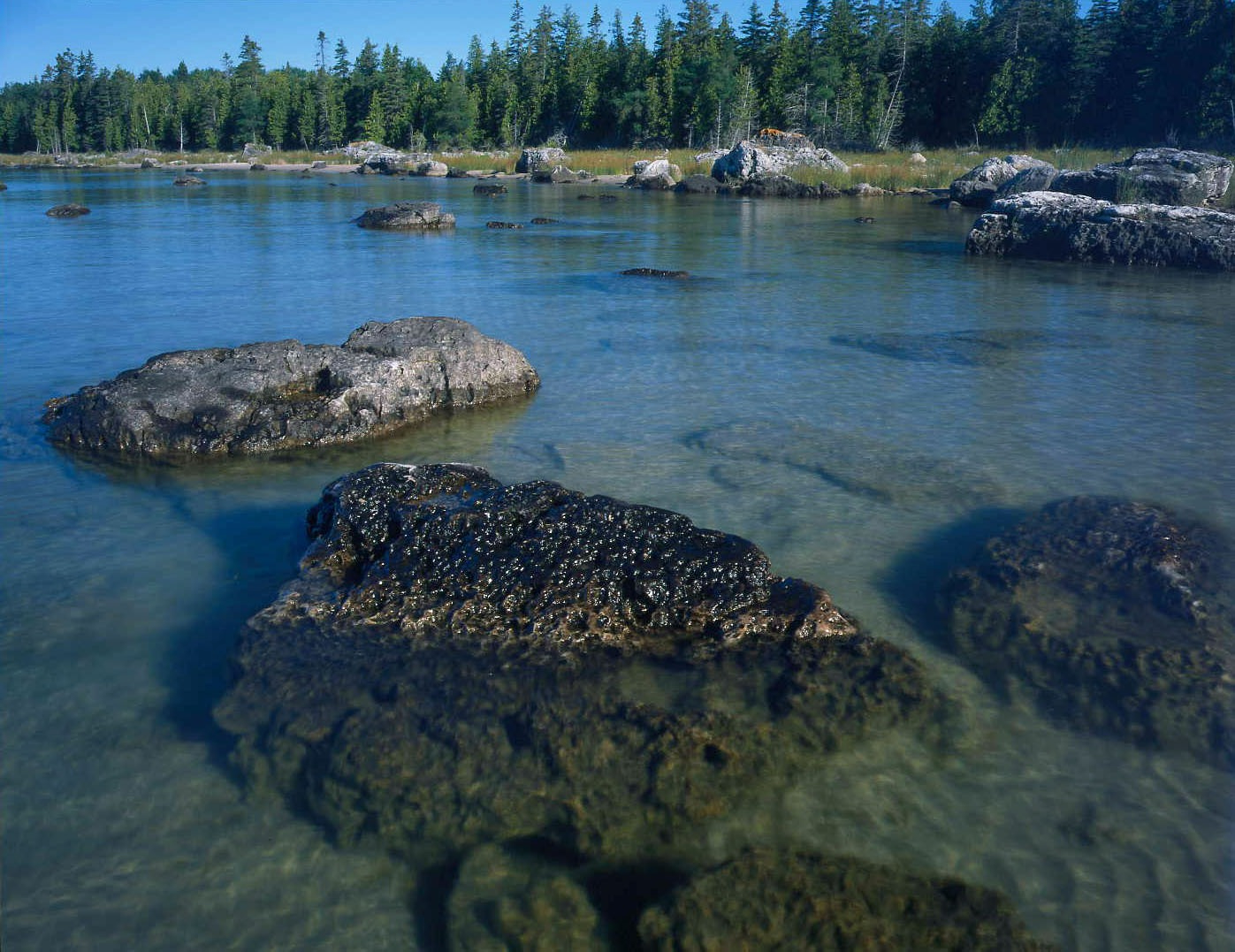
Established in 1993, Carl A. Gerstacker Nature Preserve at Dudley Bay protects vital aquatic habitats, with five miles of Lake Huron shoreline, two inland lakes, a wetland and two creeks.
Named in honor of Carl A. Gerstacker, a founding member of TNC Michigan’s Board of Trustees, the preserve is part of more than 5,000 acres in the Les Cheneaux Islands area that TNC has helped protect together with local partners and the community.
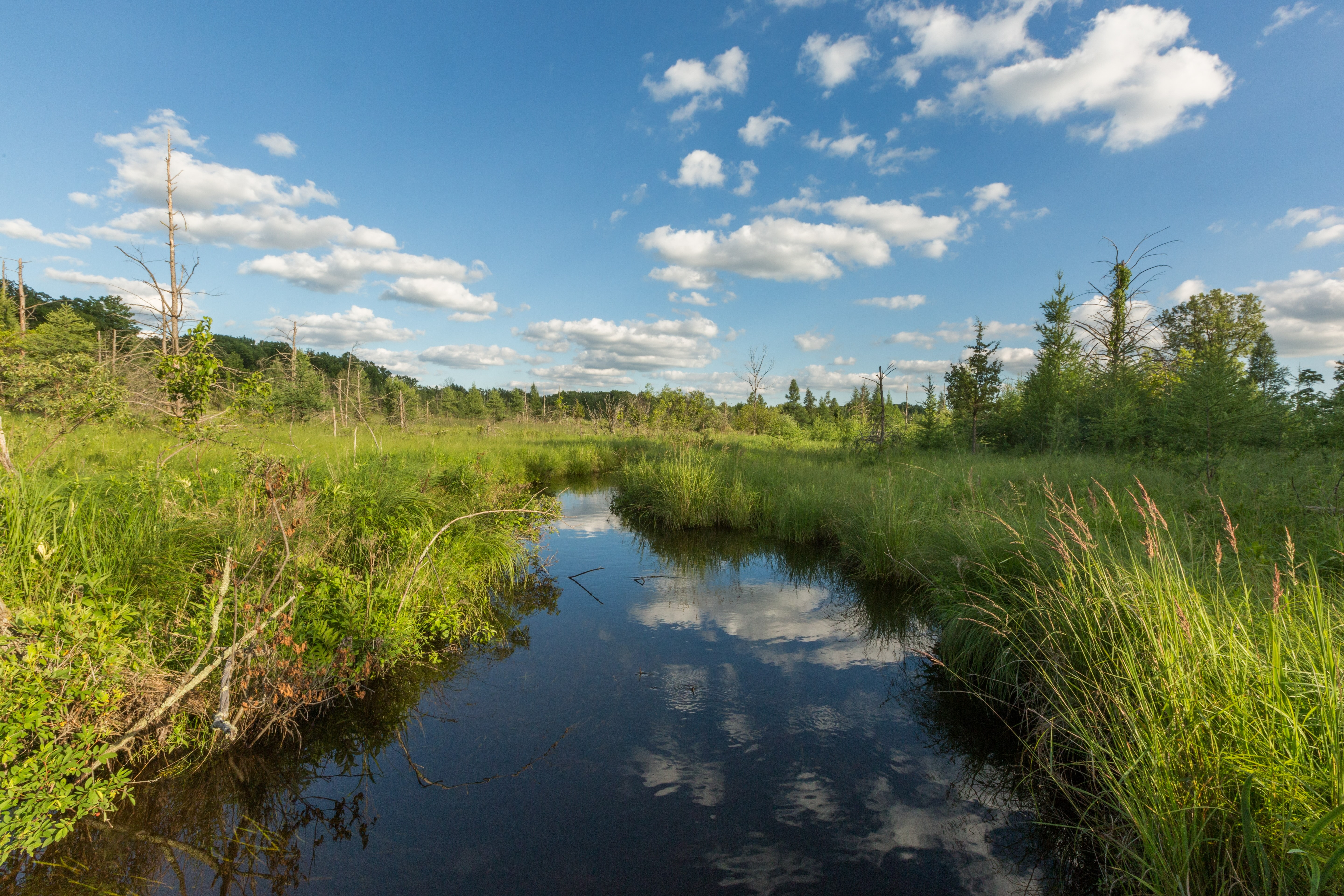
1996: Grand River Fen Preserve
Protecting the headwaters of Michigan’s longest river, Grand River Fen Preserve was established in 1996 with a purchase of 130 acres and has become a 627-acre oasis of biodiversity in the face of a changing climate.
Thanks to TNC’s careful restoration, the preserve’s beautiful prairie fens — a type of groundwater-fed wetland — nurture a host of butterflies, moths and unique wetlands species, including the Eastern massasauga rattlesnake and the globally rare bog bluegrass.
The 2000s
299,657 total acres protected in 2000s:
2001 – Helmut and Candis Stern Preserve at Mt. Baldy, now totalling 1,731 acres
2002 – Detroit River International Wildlife Refuge, 11-acre addition, Wayne County
2003 – Arcadia Dunes: The C.S. Mott Nature Preserve and surrounding protected lands, supporting Grand Traverse Regional Land Conservancy, 6,000 acres, Benzie County
2004 – Paw Paw Prairie Fen Preserve, 107 acres, Van Buren County
2004 – Manistee National Forest, 1,017-acre addition, Newaygo County
2004, 2007 – Tip of the Keweenaw + Bete Gris, a combined 8,096 acres
2005 – Big U.P. Deal, the largest land conservation transaction in Michigan's history at 271,338 acres across the U.P.
2009 – Saugatuck Harbor Natural Area, now 173 acres established by TNC, The Land Conservancy of West Michigan and the City of Saugatuck
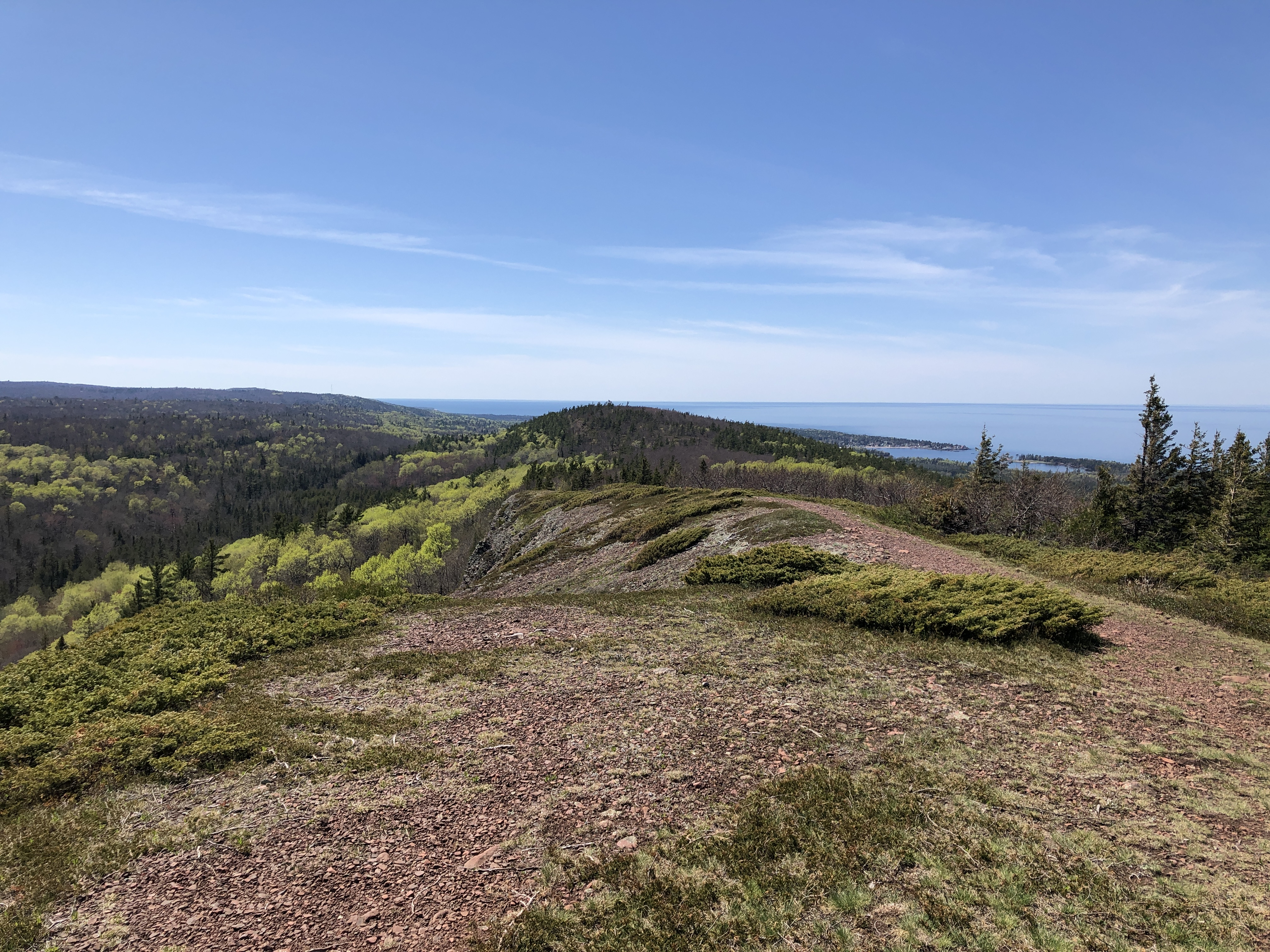
2001: Helmut and Candis Stern Preserve at Mt. Baldy
The Helmut and Candis Stern Preserve at Mt. Baldy offers a landscape like nowhere else in Michigan, with a craggy ridge of volcanic bedrock rising 730 feet above Lake Superior, forest of pines and hardwoods, and wind-contorted white cedar and ground juniper. Through the generous support of Helmut and Candis Stern, the preserve now totals 1,731 acres.
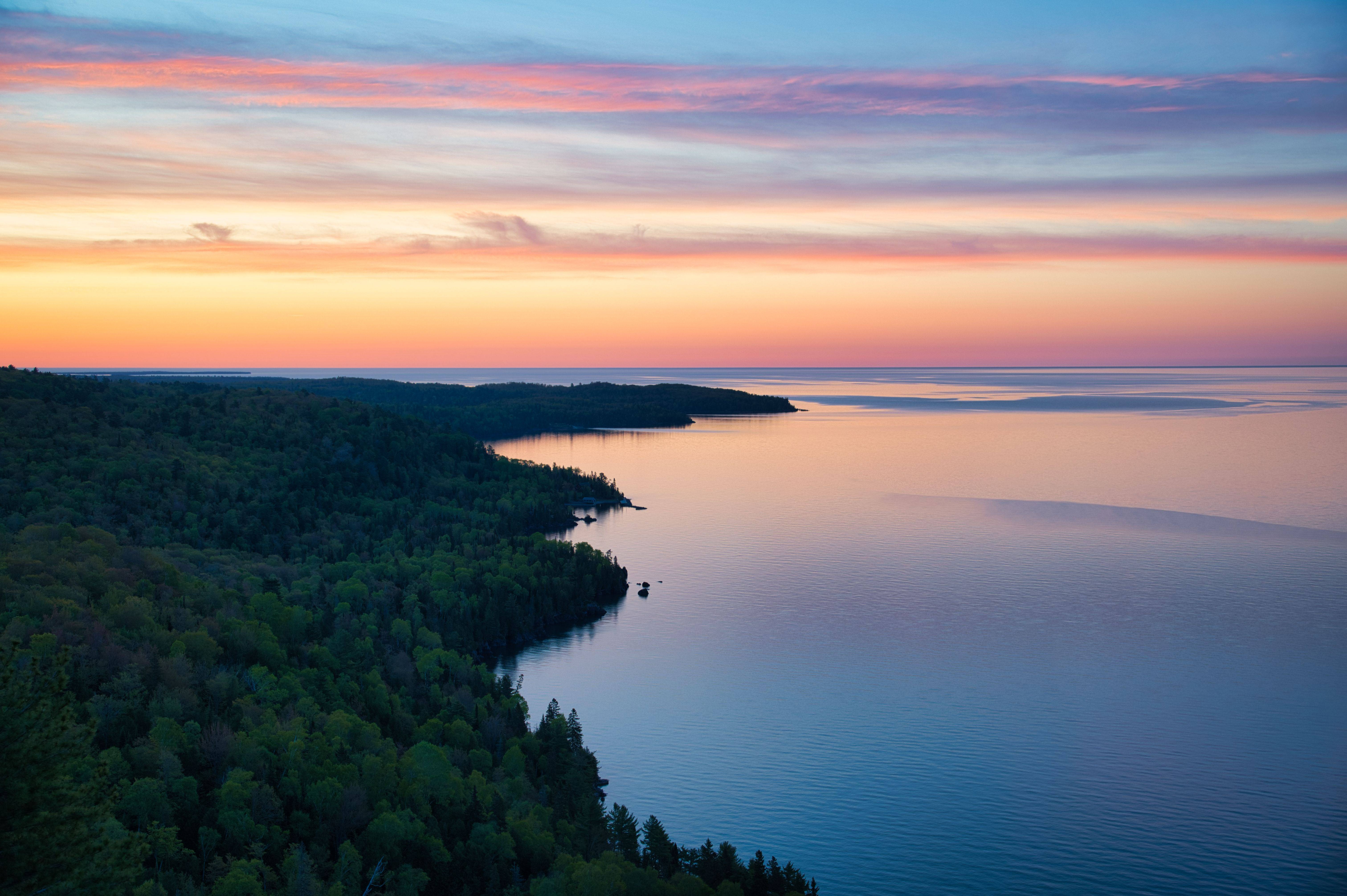
2004, 2007: Tip of the Keweenaw and Bete Grise
In the early 2000s, an opportunity arose for TNC to conserve the Tip of the Keweenaw Peninsula, including 6.5 miles of shoreline and 6,275 acres, which were transferred to the Michigan Department of Natural Resources in 2002 and 2003.
TNC also acquired more than 1,821 acres on Bete Grise Bay, conserving a mile and a half of Lake Superior shoreline and vital Great Lakes marsh habitat. TNC transferred all but 63 acres to the Houghton Keweenaw Conservation District with the help of the Keweenaw Land Trust and other partners. Since then, TNC has helped partners expand the original protected area by nearly 1,500 acres.
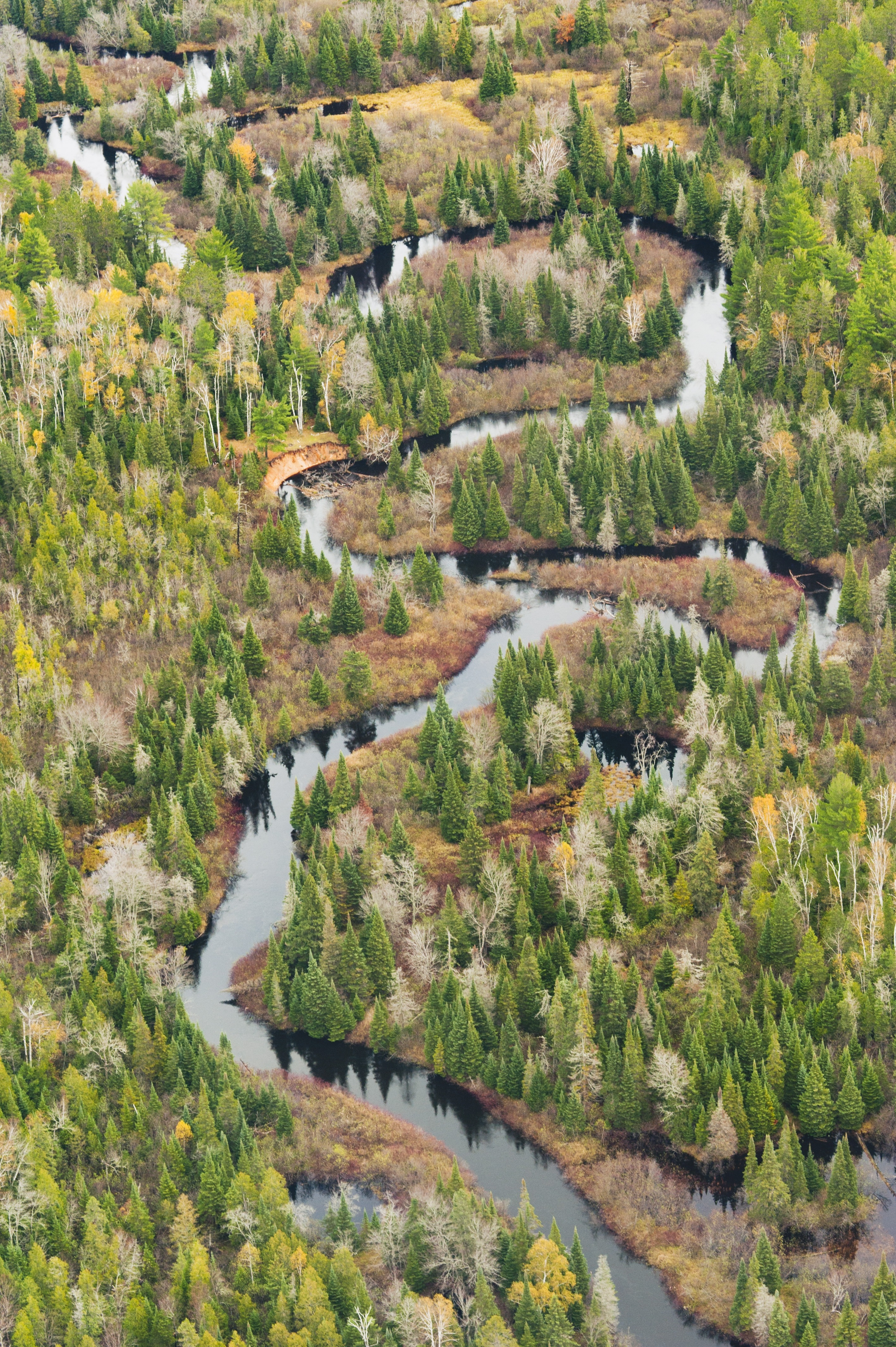
2005: Big U.P. Deal
In 2005, TNC closed on the largest land conservation transaction in Michigan’s history, forever protecting 271,338 acres across the Upper Peninsula, including TNC’s 23,000-acre Two Hearted River Forest Reserve in the watershed of the Two Hearted River. Known as “The Big U.P. Deal,” this monumental achievement linked more than 2.5 million acres of protected federal, state and natural areas.
Spanning the administrations of Governors Engler and Granholm, the Big U.P. Deal was made possible through the bold generosity of Michigan’s leading foundations and the close partnership of the MDNR. This deeply collaborative project secured public access and assured sustainable forestry across these lands forever, supporting the recreational and timber industries that are the economic lifeforce of the U.P. while protecting thousands of acres of wetlands, rivers and forest.
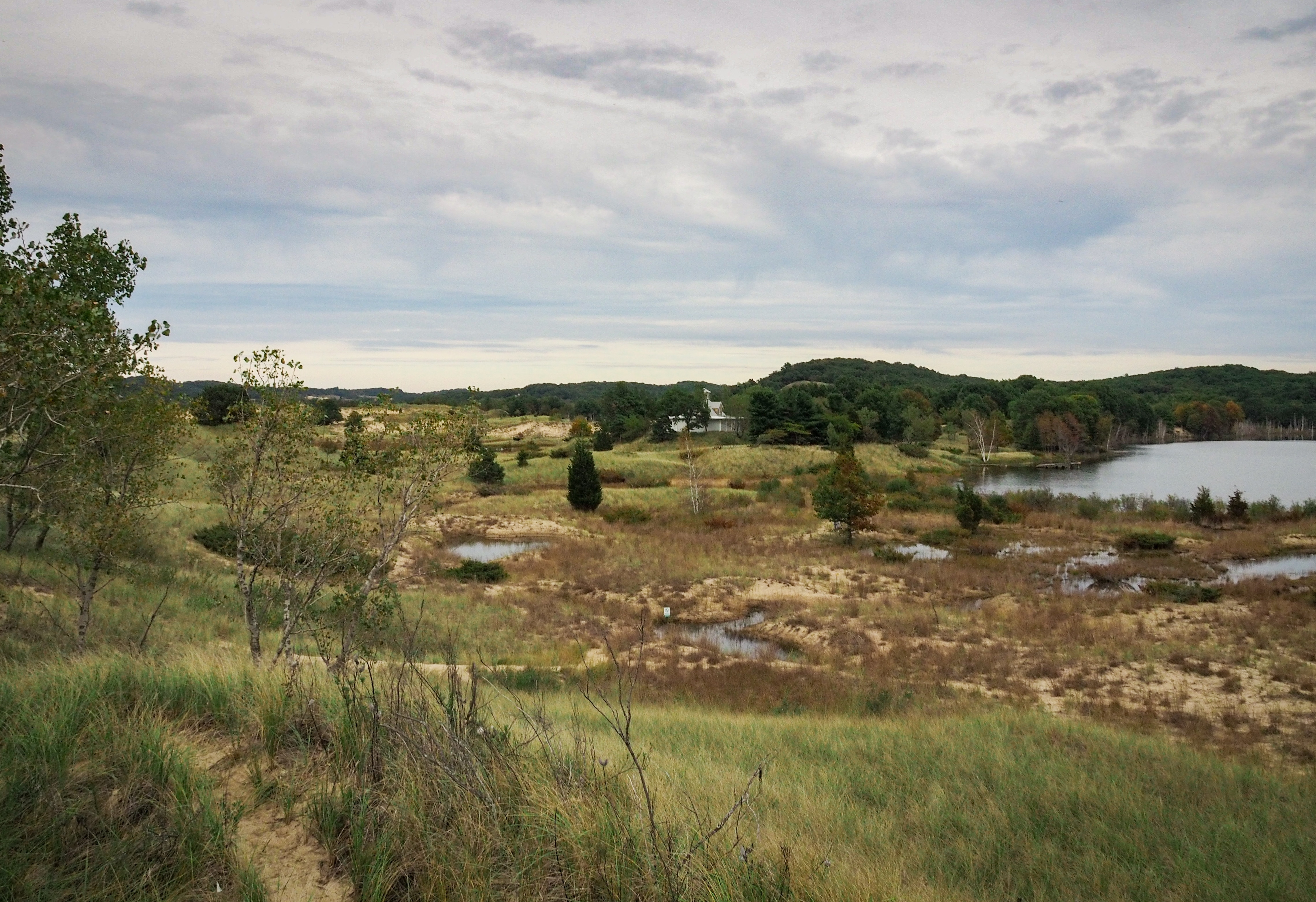
2009: Saugatuck Harbor Natural Area
For decades, the Saugatuck community sought to protect the iconic dunes on the Lake Michigan shore near Oval Beach.
Working alongside many local partners and community members, TNC played a leadership role in partnership with the Land Conservancy of West Michigan and the City of Saugatuck in establishing the Saugatuck Harbor Natural Area, spanning 173 acres of lakeshore and dune habitat.
Did you know?
Including the Saugatuck Harbor Natural Area, TNC has helped protect 11,615 acres of dune habitat along Michigan’s coasts.
The 2010s
21,167 total acres protected in 2010s:
2013 – John Arthur Woollam Preserve, 185-acre addition in Mackinac County
2013 – Brockway Mountain West Bluff, in partnership with Eagle Harbor Township, 320 acres, Keweenaw County
2017 – Wilderness Lakes Reserve, now 12,387 acres in the Michigamme Highlands
2017 – North Point Nature Preserve, now 1,384 acres and four miles of shoreline owned by Huron Pines
2018 – Ludington State Park, in partnership with MDNR, 100 acres, Mason County
2019 – Saginaw River Headwaters Rec Area, in partnership with Saginaw County and MDNR, 334 acres, Saginaw County
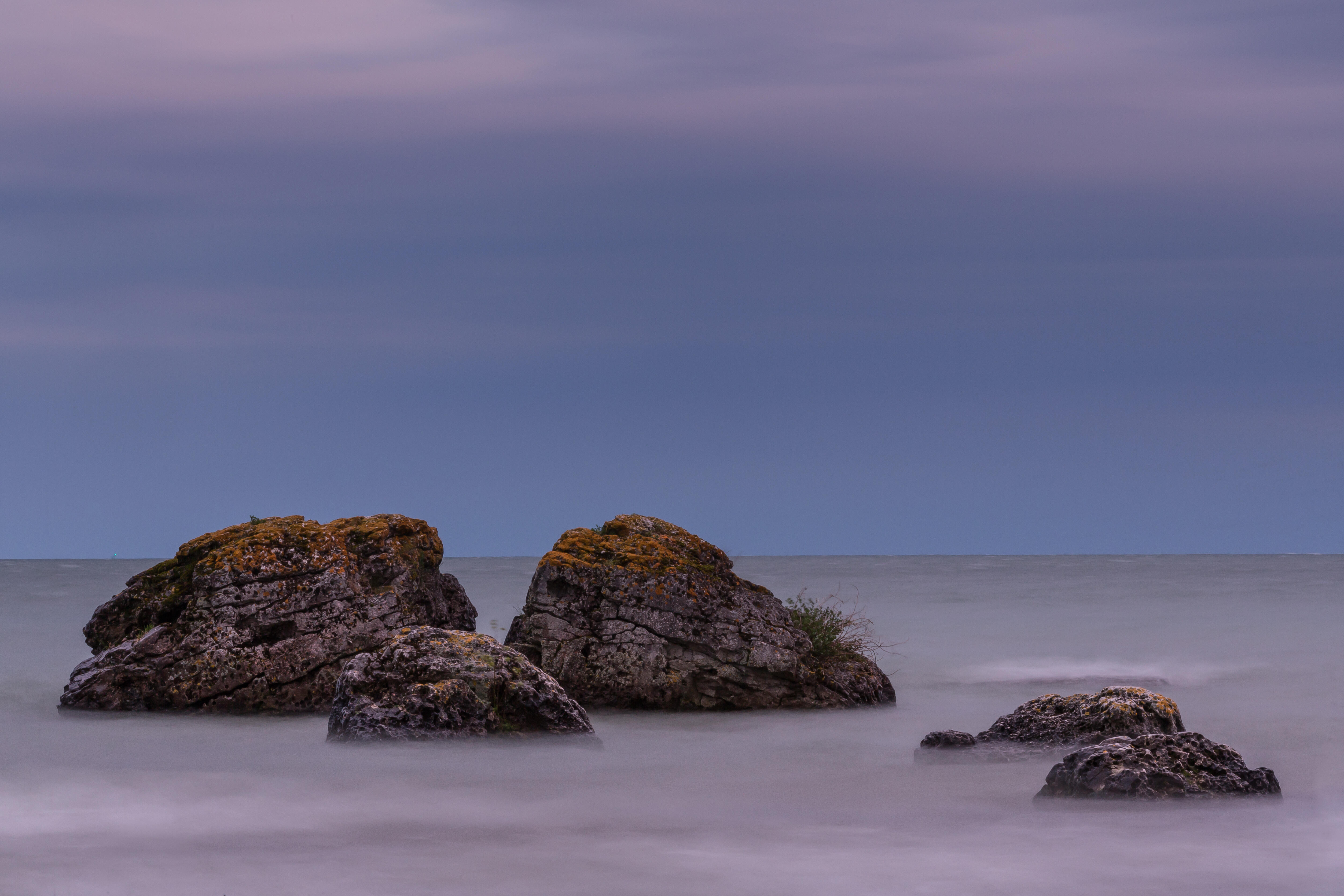
2013: John Arthur Woollam Preserve
Featuring 4,300 feet of Lake Huron shoreline and breathtaking forests, the J.A. Woollam Preserve is named in honor of Dr. John Arthur Woollam, one of the most prolific and successful benefactors of land conservation in Michigan’s history.
With 185 acres provided by TNC, land trusts across the state joined together to dedicate the preserve in recognition of his remarkable leadership.
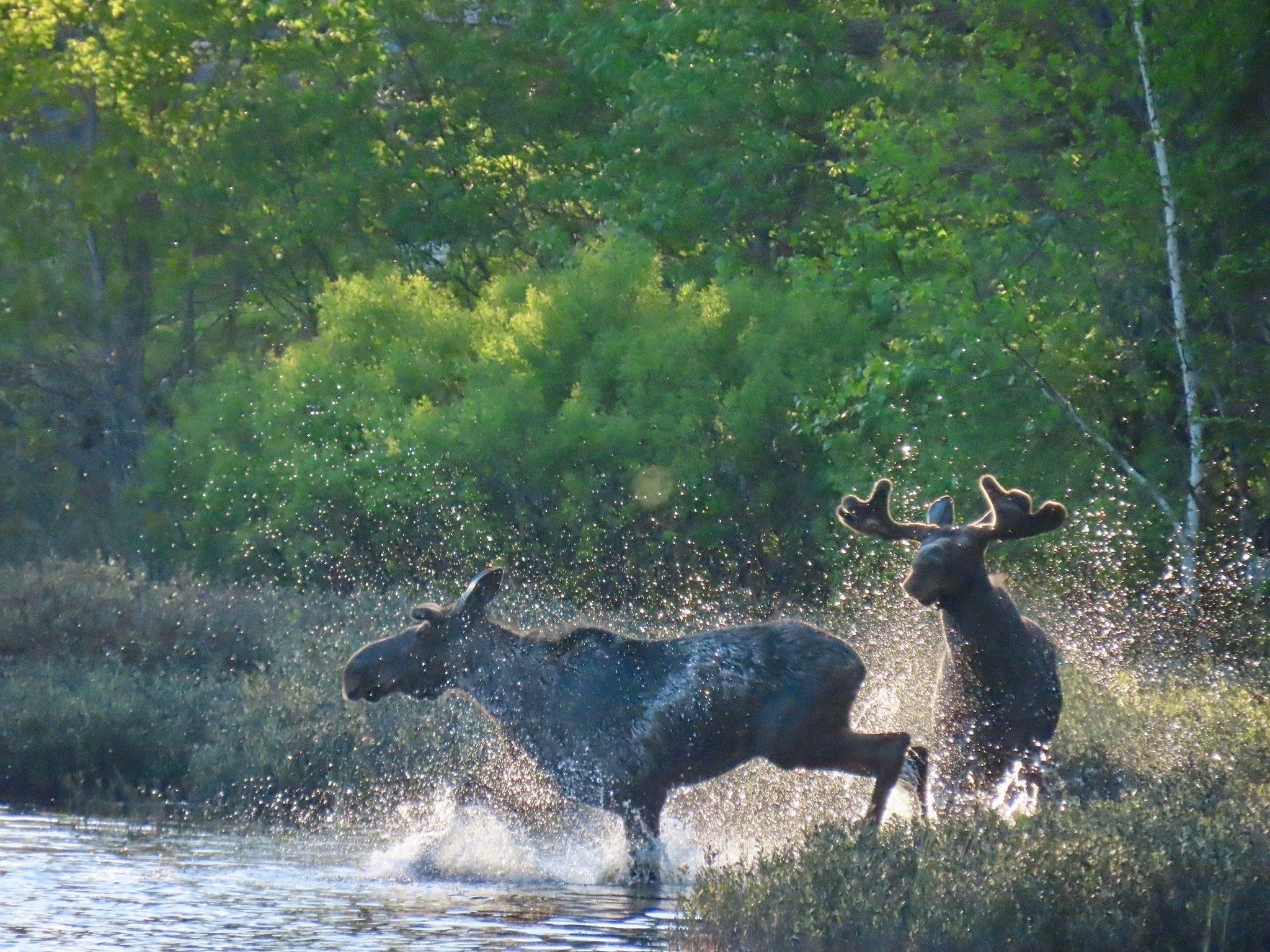
2017: Wilderness Lakes Reserve
Offering a living laboratory to test and implement forest restoration and sustainable forestry practices that strengthen forest health and longevity, Wilderness Lakes Reserve’s 12,387 acres are part of a growing network of connected protected lands in the Michigamme Highlands.
The reserve, which has roughly doubled in size since it opened in 2018, abuts Craig Lake State Park, connecting more than 22,000 acres of forest.
Did you know?
Alongside TNC’s Slate River Reserve, Wilderness Lakes Reserve is part of a network of more than 100,000 acres of protected lands and wildlife corridors within the Michigamme Highlands — a region identified by TNC scientists as vital for habitat connectivity and climate resilience.
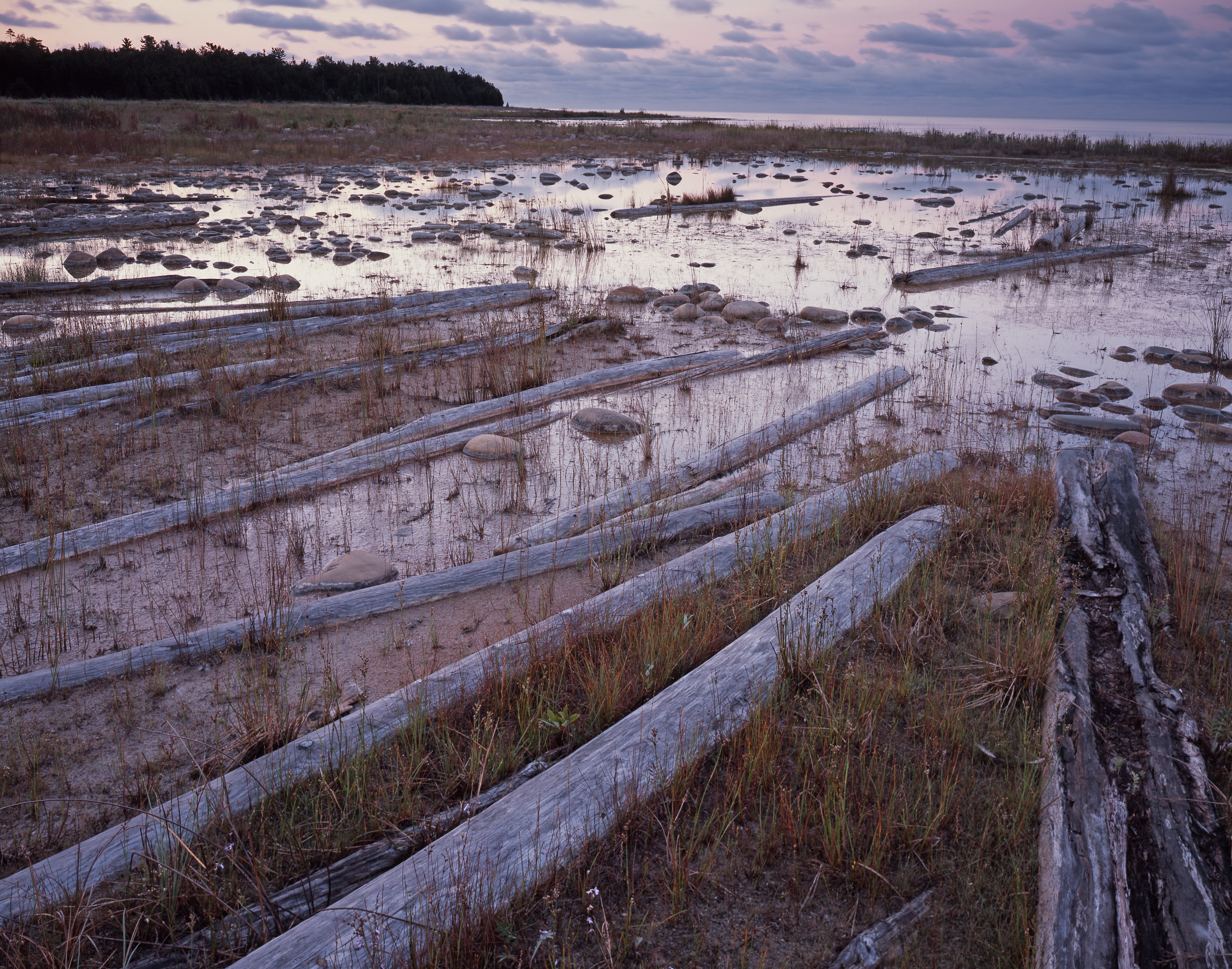
2017: North Point Nature Preserve
Embedded in the Thunder Bay National Marine Sanctuary, North Point Nature Preserve projects into Lake Huron, with four miles of shoreline and 1,384 acres that help protect critical stopover habitat for migratory birds, coastal fisheries and an estimated 200 historic shipwrecks located in the surrounding area.
After purchasing the property in 2017, TNC transferred North Point in 2022 to Huron Pines, which manages the preserve with support from Friends of Thunder Bay National Marine Sanctuary.
Did you know?
Between North Point, Thompspon’s Harbor State Park, Sugar Island and TNC’s Grass Bay Preserve, TNC has helped protect 16.5 miles of Lake Huron shoreline along the northern Lower Peninsula.
The 2020s
50,101 total acres protected so far in 2020s:
2021 – Slate River Forest Reserve, 10,000 acres in Baraga County
2022 – Keweenaw Heartlands, 32,500 acres in Keweenaw County
2025 – Pigeon River Country State Forest, 8,850 acreas in Montmorency, Cheboygan & Otsego Counties
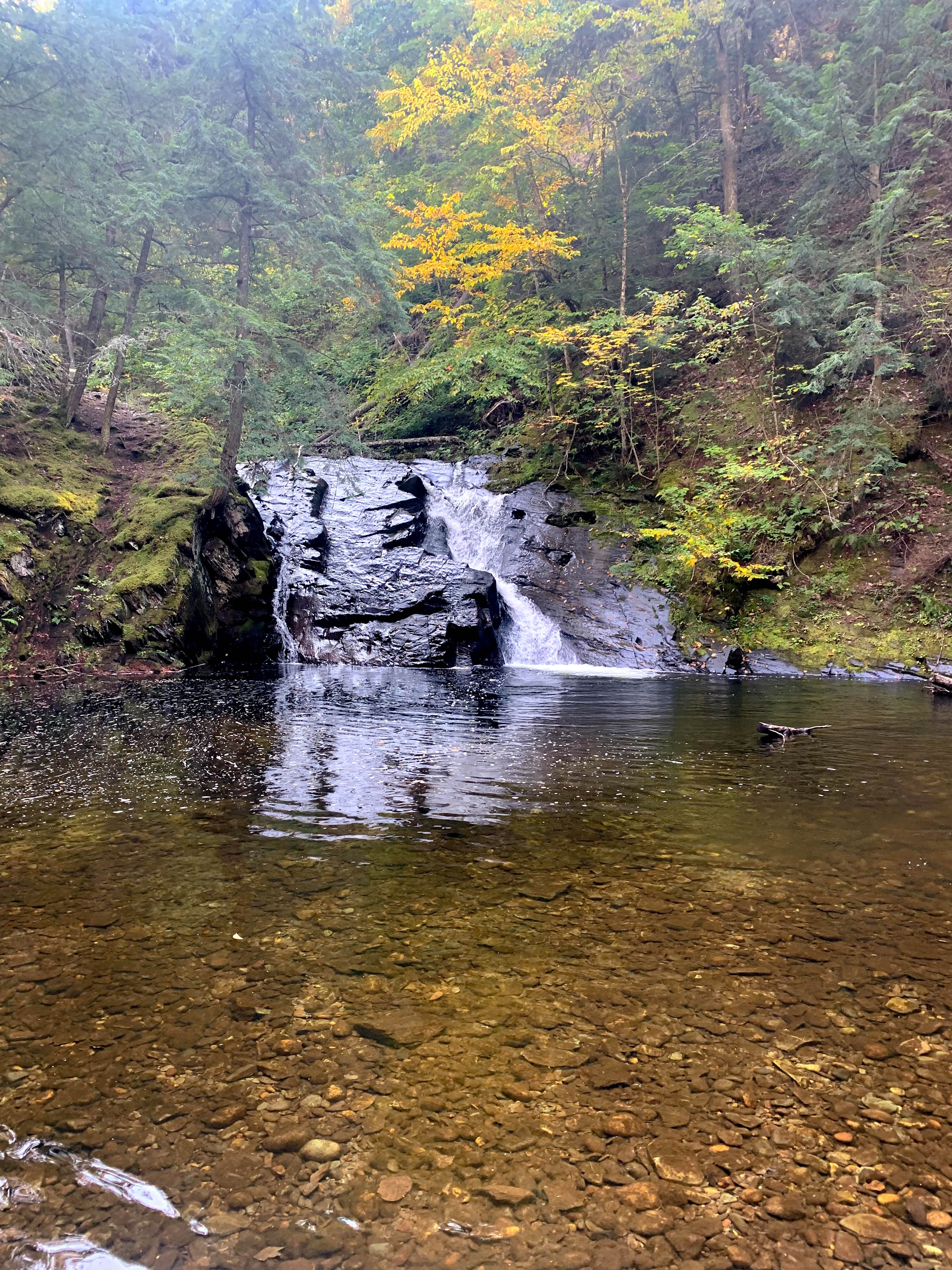
2021: Slate River Forest Reserve
Purchased in 2021, the nearly 10,000-acre Slate River Forest is a rare example of a healthy, mature working forest.
Because of its ideal diversity of tree species and ages, the reserve enables TNC to explore sustainable management approaches that we can replicate as we restore working forests across the U.P. — all while protecting four miles of the Slate River, three miles of the Ravine River and one of the last remaining natural red pine forests in Michigan.
Did you know?
At the time of purchase, the Slate River Forest included 760 acres within Keweenaw Bay Indian Community’s (KBIC) ancestral territories and 1842 reservation boundaries. In 2024, TNC gifted the land back to KBIC.
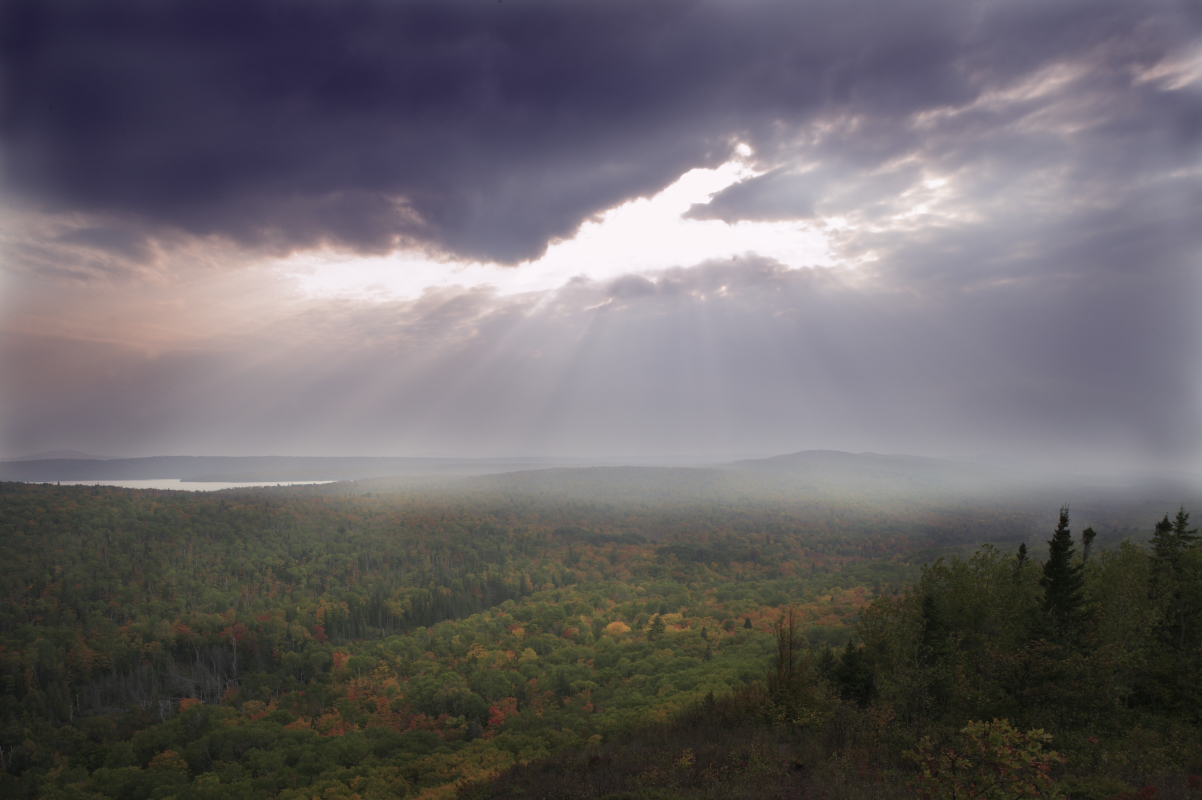
2022: Keweenaw Heartlands
Spanning 32,500 acres, the Keweenaw Heartlands project reflects the essence of TNC’s approach to conservation in Michigan: protecting the state’s iconic landscapes and natural resources in close partnership with communities to help nature and people thrive.
In 2022, TNC purchased the Keweenaw Heartlands with the support of local partners, Keweenaw community leaders and the State of Michigan, beginning a years-long process that has resulted in an unprecedented structure for community-led conservation.
2025: Pigeon River Country State Forest
In 2025, TNC helped the Michigan Department of Natural Resources acquire 8,850 acres known as the Black River Ranch in the Pigeon River Country State Forest. This land brings the total protected area in the forest to nearly 110,000 acres, the largest contiguous section undeveloped land in the Lower Peninsula.
Love wildlife? Let it wander into your inbox.
Get monthly stories that connect you to the wildlife, places and conservation wins shaping the Midwest and the world. Nature News keeps you inspired, informed and connected to the wild—no hiking boots required.
Sign Me Up for Nature NewsConservation in Michigan

Celebrating 20 Years of The Big U.P. Deal
Two decades later, its impact is still felt across the Upper Peninsula.

Community-Managed Public Forest in the Keweenaw Heartlands
A community forest management model, the first of its kind in Michigan, sets a new precedent in the Northwoods.

Responsible Recreation on the Bush Bay Trail
A new plan for the Bush Bay Trail, AKA “Narnia Trail,” includes restoration and encourages responsible recreation.