


Eyes to the Skies
Michigan’s most magnificent birding opportunities rely on spectacular habitat
Community concern prompted a new plan for a popular trail.

The Bush Bay Trail near Cedarville, Michigan has been visited and cared for by locals and visitors alike for generations. Its cedar forests, lush mosses, rare coastal wildflowers and pocked dolomite boulders evoke a sense of otherworldliness.
Once a quiet retreat for locals with roughly 5,000 visitors a year, online virality after 2020 contributed to 45,000-50,000 visitors in one peak 2024 season, an intense spike that affected the trail’s rare ecosystem and alarmed the local community.
The trail system largely follows the edge of the forest and dolomite limestone shoreline against Lake Huron, over bedrock outcrops, and crosses Great Lakes coastal wetlands. It passes through The Nature Conservancy’s John Arthur Woollam Preserve as well as adjacent neighboring properties.
Thick green mosses abound on the trail; the mosses take decades to develop and hold moisture and develop soil for the roots of cedar trees atop the rocks. This combination of mosses and trees creates a unique microclimate that offers cooler air and a sense of awe for any who pass through.


Visit the John Arthur Woollam Preserve page
to learn more about its history, preserve activities and trail restoration updates.
Awareness of the Bush Bay Trail began to grow after COVID-19 led residents and visitors to seek outdoor activities. Increased attention was also due to the trail’s primary attraction: a lamppost set in the woods among large limestone boulders covered with ferns and trees.
The trail was nicknamed the “Narnia” Trail by locals who thought it resembled the whimsy of the fantasy series by C.S. Lewis, entering a mossy cedar glade from between two boulders as if entering a new world through the series’ famous wardrobe. The sense of discovery, the beauty of the trail and the highly photogenic lamppost landmark entice people to the area and make for excellent “secret trails” and “hidden gem” fodder in social media, blog and news content, which drove the virality online.
But the rapid spike in visitation impacted the trail’s wetlands, more than doubling the foot trail from two feet to eight. Wet footpaths along the trail also caused the creation of braided social trails, which wind through the delicate ecosystem as hikers try to find a better route. This foot traffic impacts the wetland’s plant communities and sloughs the mosses off of the rocks, which can take decades to reestablish.
Restoration through improved infrastructure throughout the trail has become necessary to preserve it for the generations of those who’ve loved the trail and the generations to come.
You have the power
to make a difference for the Great Lakes State and for our planet. Your support will help fund groundbreaking science and conservation that protect the lands and waters you love.
To enact essential restoration and improvement work, TNC has identified areas most in need of support on the trail: ecological and visitor use monitoring, community outreach and engagement, and infrastructure improvements, including improved signage, boardwalk implementation and trailhead amenities.
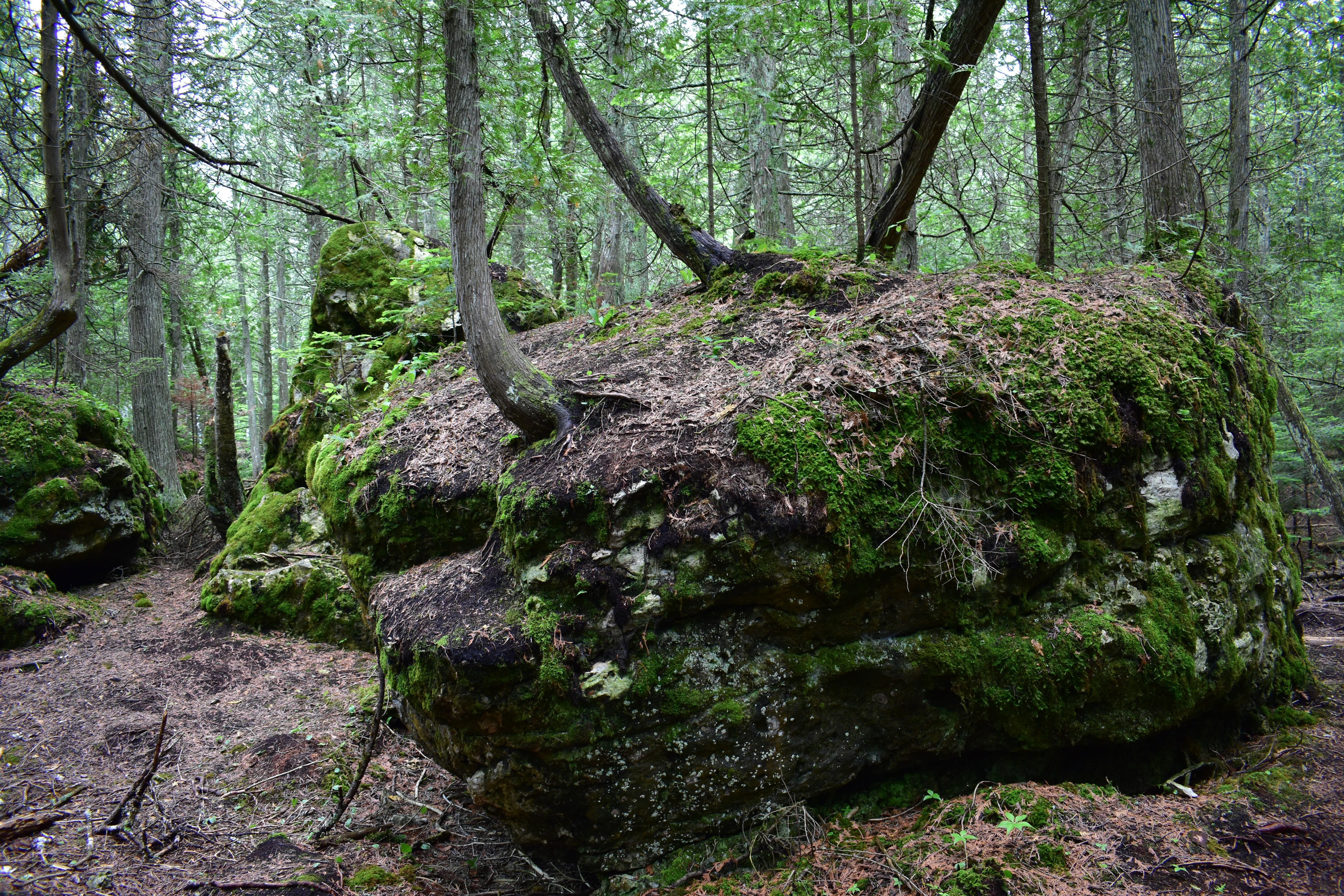
Trail counters and AllTrails data provided the first look at the increases in visitation to the trail. Ecological surveys were conducted to understand the impacts on the ecosystem the trail traverses and provide a basis for designing signage and boardwalk plans to protect the trail’s natural features.
A survey was conducted in May to collect information about visitor experiences and perspectives on the trail, help prioritize the local community’s values and determine the order of infrastructure installations. As monitoring and data collection continue, we can benchmark ecological and visitor impact over time and continue to make improvement decisions rooted in data.
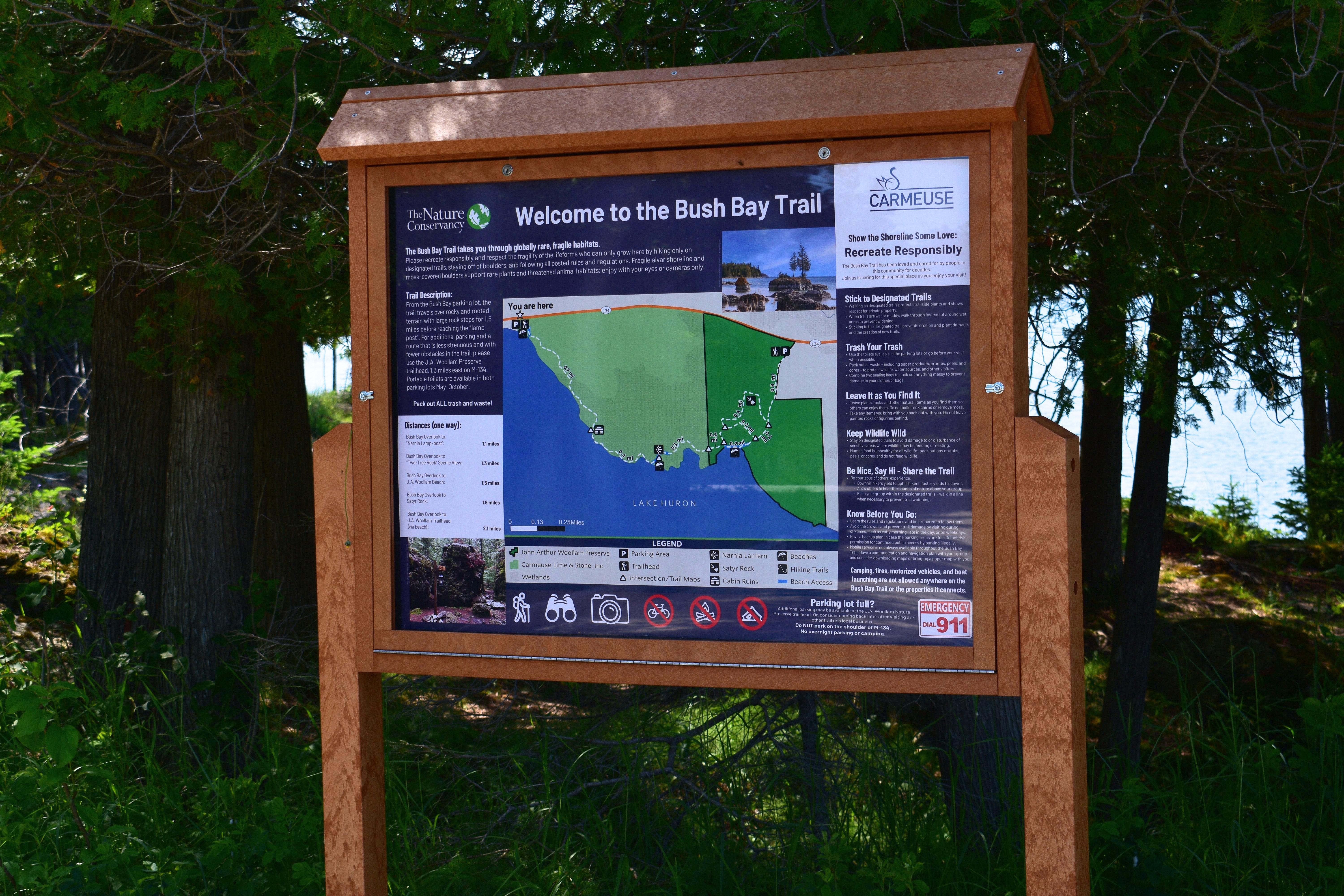
Local community engagement is essential to the improvement of the Bush Bay Trail. Many have lived or visited the surrounding area for generations, and their observations, experiences and values provide insights about how the trail continues to change over time.
An ongoing Community Conversations series in the local area offers opportunities for attendees to receive updates about trail work and provide feedback and input on any next steps. Volunteer support is also part of ongoing trail maintenance and supports our understanding of trail usage throughout the year.
Finally, TNC is working on ways to amplify responsible recreation messaging with partners and visitors, helping to educate all on why this ecosystem matters and how visitation can impact ecological systems and the trails that allow visitors to experience them.
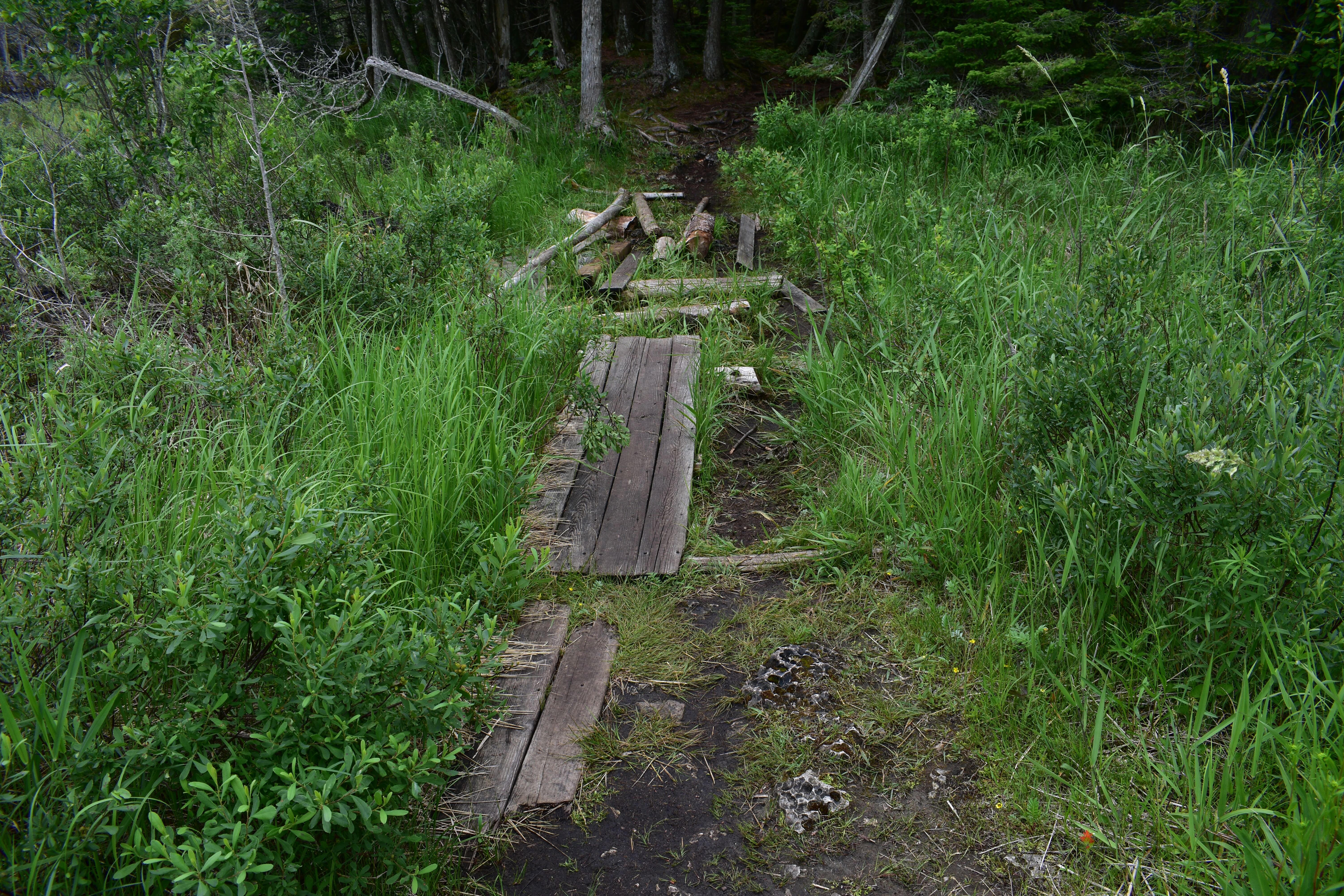
Trail data, surveys and community feedback indicated increased signage was needed. This summer, trailhead signage was added at the neighboring property’s highway turnout. Prompting signs were posted along the trail to keep hikers on the path and reduce climbing and social trail creation. Trailhead amenities, including restroom access and improved parking at turnout lots, were completed in May 2026.
Approximately 300 feet of wetland trail boardwalk is another essential piece of infrastructure for wetland protection and restoration, plus safety for trail users. Site-specific engineered boardwalk plans and permitting are in progress.
Work on the Bush Bay Trail is expected to continue into 2027. The successful application of surveys, community engagement and infrastructure improvement provides a path forward for other trails and natural areas faced with similar increased visitation challenges. Visit the preserve's webpage for up-to-date project information.
Get monthly stories that connect you to the wildlife, places and conservation wins shaping the Midwest and the world. Nature News keeps you inspired, informed and connected to the wild—no hiking boots required.
Sign Me Up for Nature NewsExplore more work to preserve Michigan's natural wonders.

