

Places We Protect
Learn about the places we protect in Louisiana.

The Nature Conservancy manages about 45,000 acres of land across Louisiana. Those lands include nature preserves that are open to the public, as well as restricted-access preserves and landscape-scale projects. Learn more about each of these places here.
- Public Nature Preserves: These preserves provide an opportunity for visitors to experience nature in ways that respect TNC's efforts to protect and restore local wildlife habitat.
- Restricted Access Preserve: These preserves are not open to the public to protect rare species, natural communities or other sensitive ecological features.
- Landscape-scale Projects: These are projects spanning public and private land ownerships where TNC is working at larger scales to support animal migration, connect and protect watersheds, and safeguard other ecosystem-level processes.
Unlike public parks that prioritize recreation, TNC's preserves are designed to protect our most biodiverse landscapes and to safeguard native plant and animal species and the habitats. A few of our Louisiana preserves protect the last remaining natural habitats for rare and endangered plants and animals. Others serve as living laboratories where TNC and partners are collecting important data and exploring strategies for protecting lands, waters and wildlife.
Every place we protect is made possible with support from caring people who value nature’s treasures. And the impact of these preserves extends far beyond their boundaries, generating clean air and water, safeguarding soils, and providing space for wildlife to roam and thrive.

Public Nature Preserves
These are TNC preserves in Louisiana that are open to the public. Enjoy your visit, and thank you for your support!
Plan Your Visit!
No results are shown. To see results, turn on the toggle switches in the legend.
- Abita Creek Flatwoods Preserve
-
Abita Creek Flatwoods Preserve
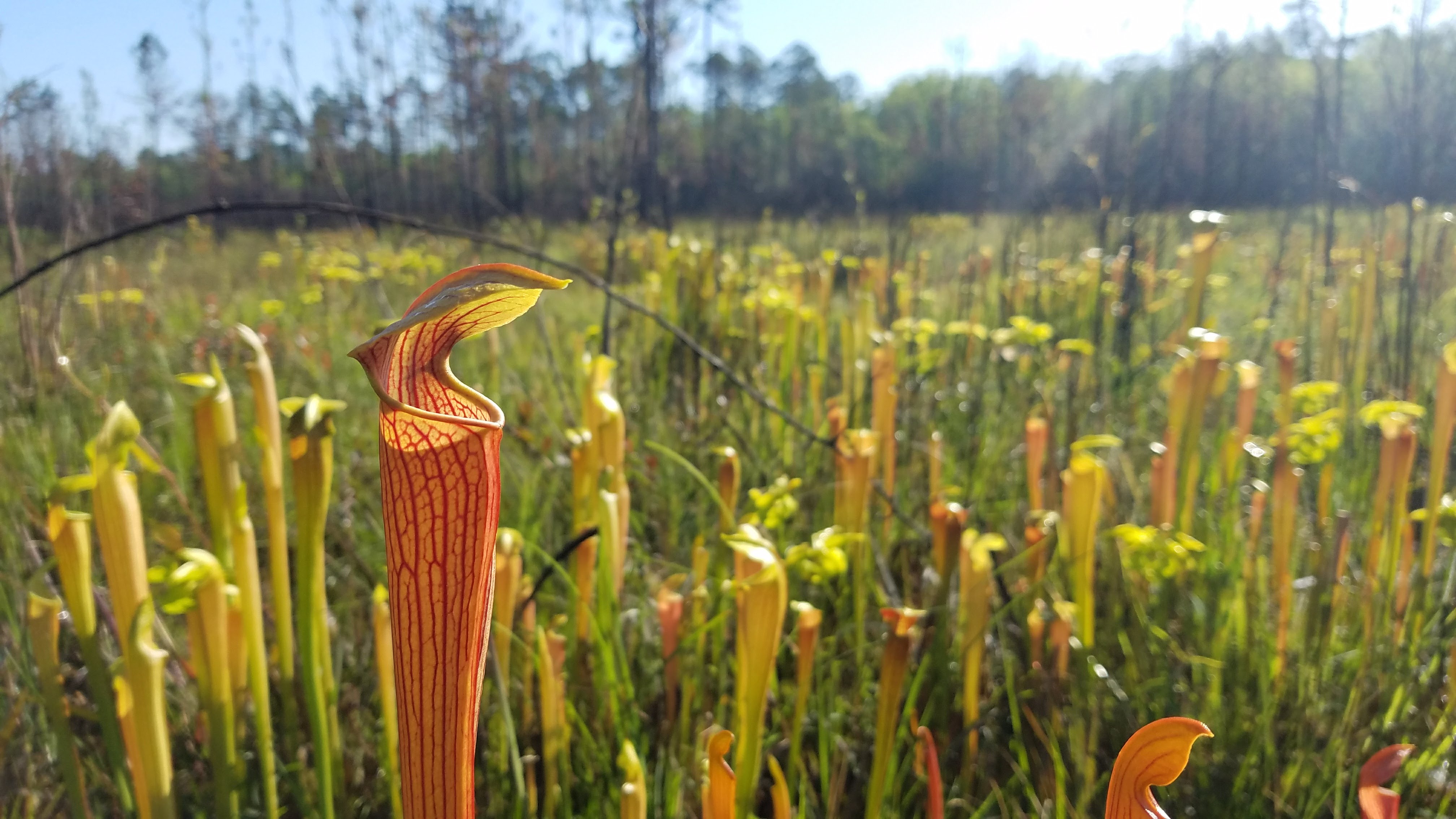
A trail map helps visitors navigate the property's interpretive trail and boardwalk. Both feature a premiere example of a longleaf pine savanna wetland ecosystem remaining in the region. Depending on the time of year, look for carnivorous plants, wildflowers and a variety of grassland birds, and listen for the federally threatened red cockaded woodpecker.
Image © Colin May/The Nature Conservancy
- Cypress Island Preserve
-
Cypress Island Preserve
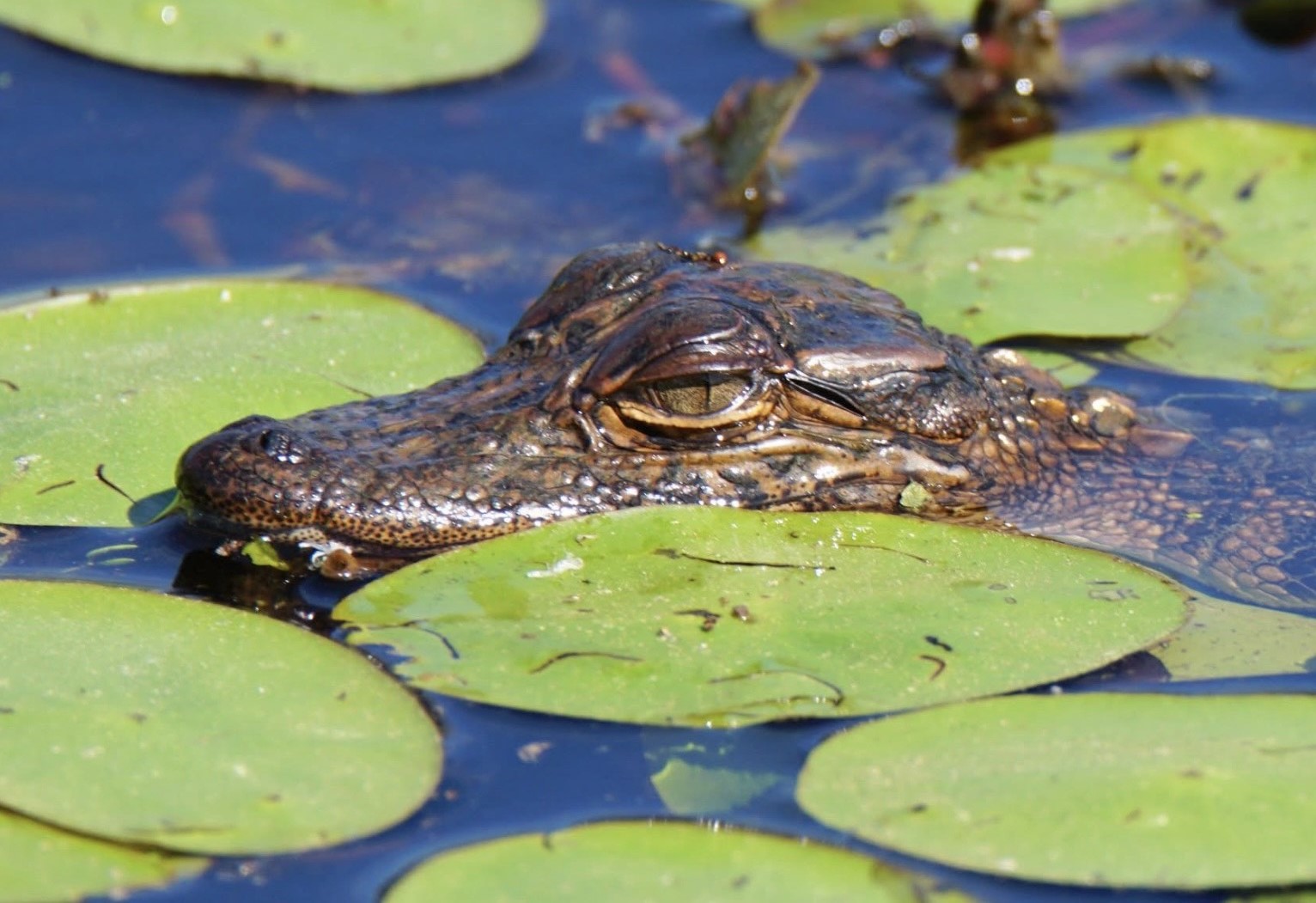
Visitors can choose among the preserve's 2.5-mile levee trail and a small boat/kayak launch to find iconic cypress trees, bottomland hardwood forest, birds and a vareity of wildlife (including alligators) at a destination that is only 20 minutes from several cities within the region. Don't forget to stop by the Visitor Center to learn more about the area's history.
Image © Shirley Bogenrief
- Lake Ramsay Preserve
-
Lake Ramsay Preserve
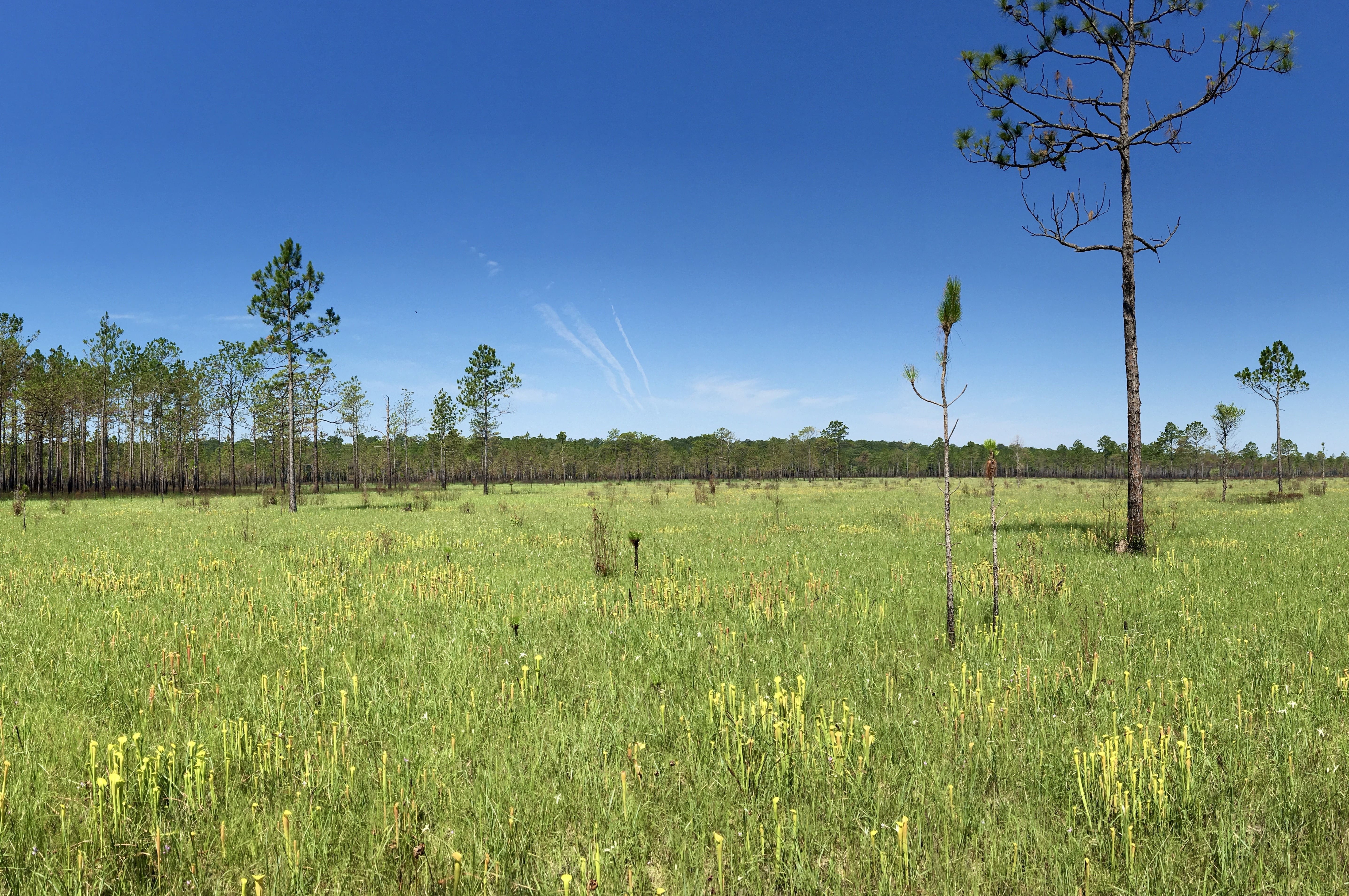
Visitors to the preserve can use the map to navigate an interpretive trail that highlights what is considered by local ecologists as the highest quality longleaf pine flatwood savanna remaining in southeast Louisiana. The preserve is also adjacent to the Louisiana Department of Wildlife and Fisheries’ Lake Ramsay Savannah WMA.
Image © Will deGravelles/TNC
- Lafitte Woods Preserve at Grand Isle
-
Lafitte Woods Preserve at Grand Isle
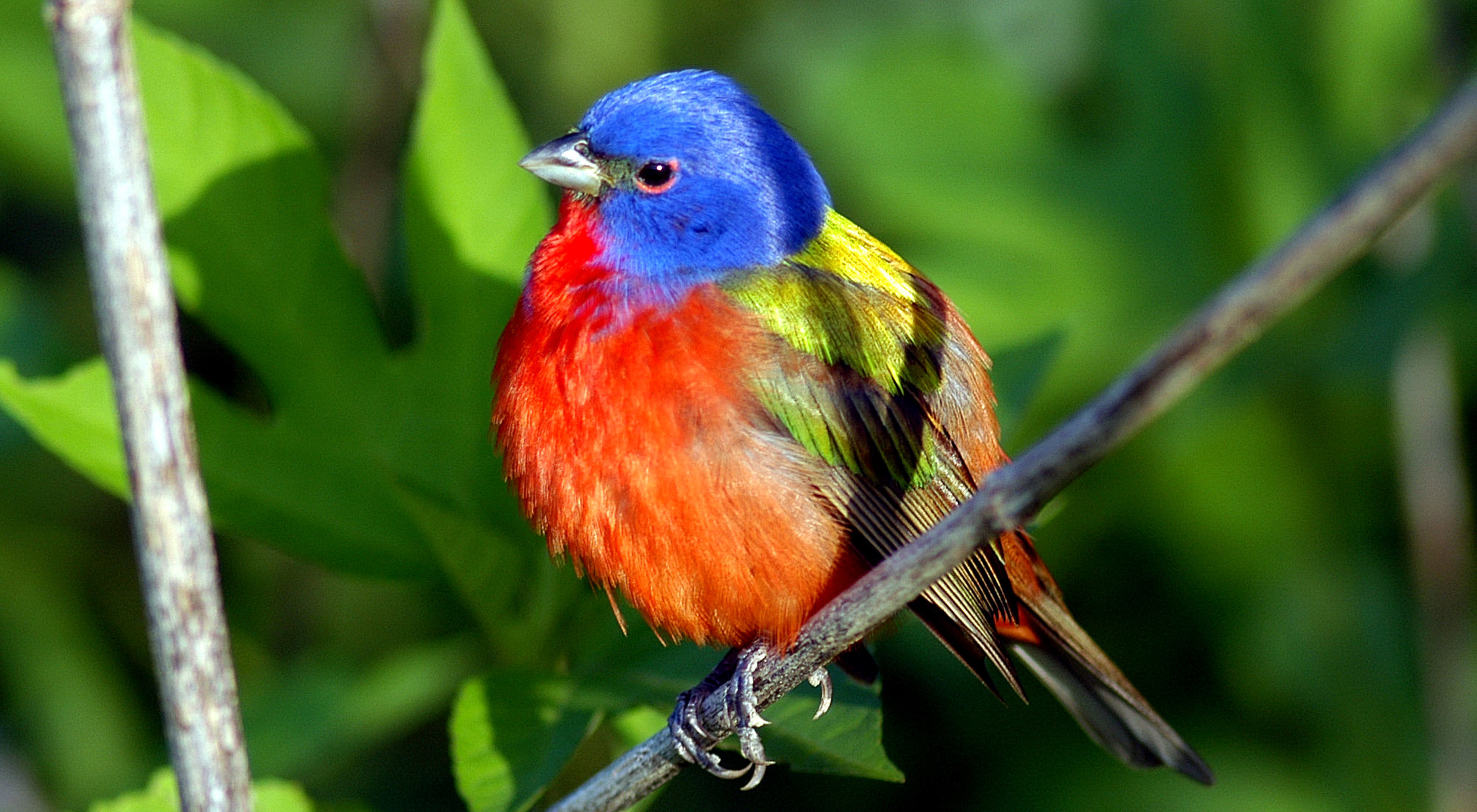
Located in the heart of Grand Isle, Lafitte Woods is a critical component of the world reknowned annual migratory bird festival, organized around a time of year when millions of birds arrive after crossing the Gulf during spring migration. The rest of the year, TNC works with partners and community members to protect the preserve's globally rare maritime forest at this Louisiana barrier island.
Image © David A. Cangolatti
- Mary Ann Brown Preserve
-
Mary Ann Brown Preserve
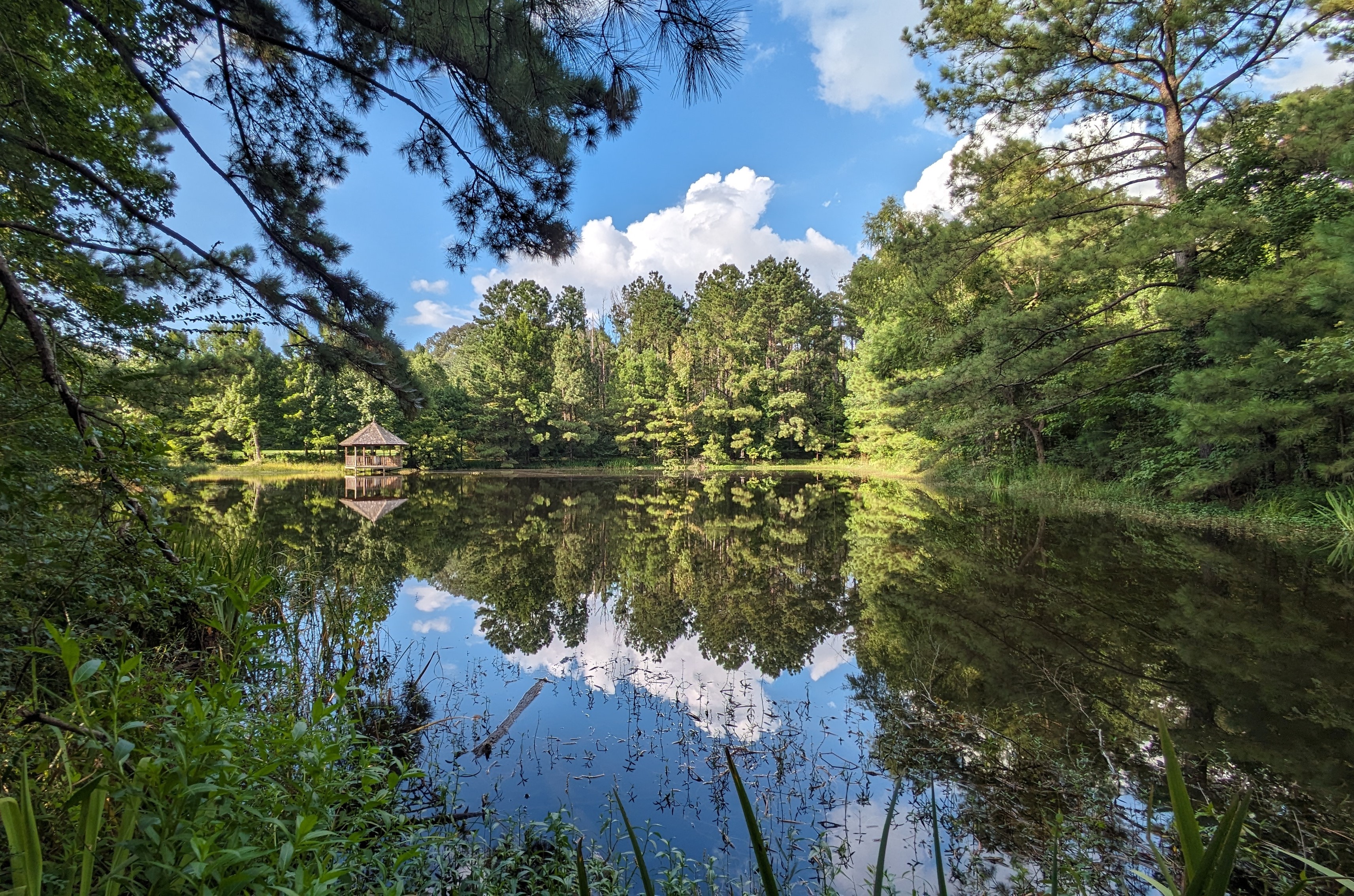
Two miles of trails ensure that visitors get a front row seat to the preserve's native forest of loblolly and shortleaf pines mixed in with old-growth beech, southern magnolias and other hardwoods. The preserve also has a pavilion and pond house for picnicking, and camping options for large groups.
Image © Seth Blitch/TNC
- Hollister Chenier Preserve
-
Hollister Chenier Preserve
The Hollister Chenier Preserve opens to the public twice a year – between March 15 and May 15, and again during the month of October – for visitors to witness seasonal migration. The rest of the year, TNC works to restore and maintain a resilient chenier forest that can stand up to hurricanes and serve as stopover habitat for neotropical migratory birds crossing the Gulf during spring and fall.
Image © Will deGravelles/TNC
Restricted Access
-
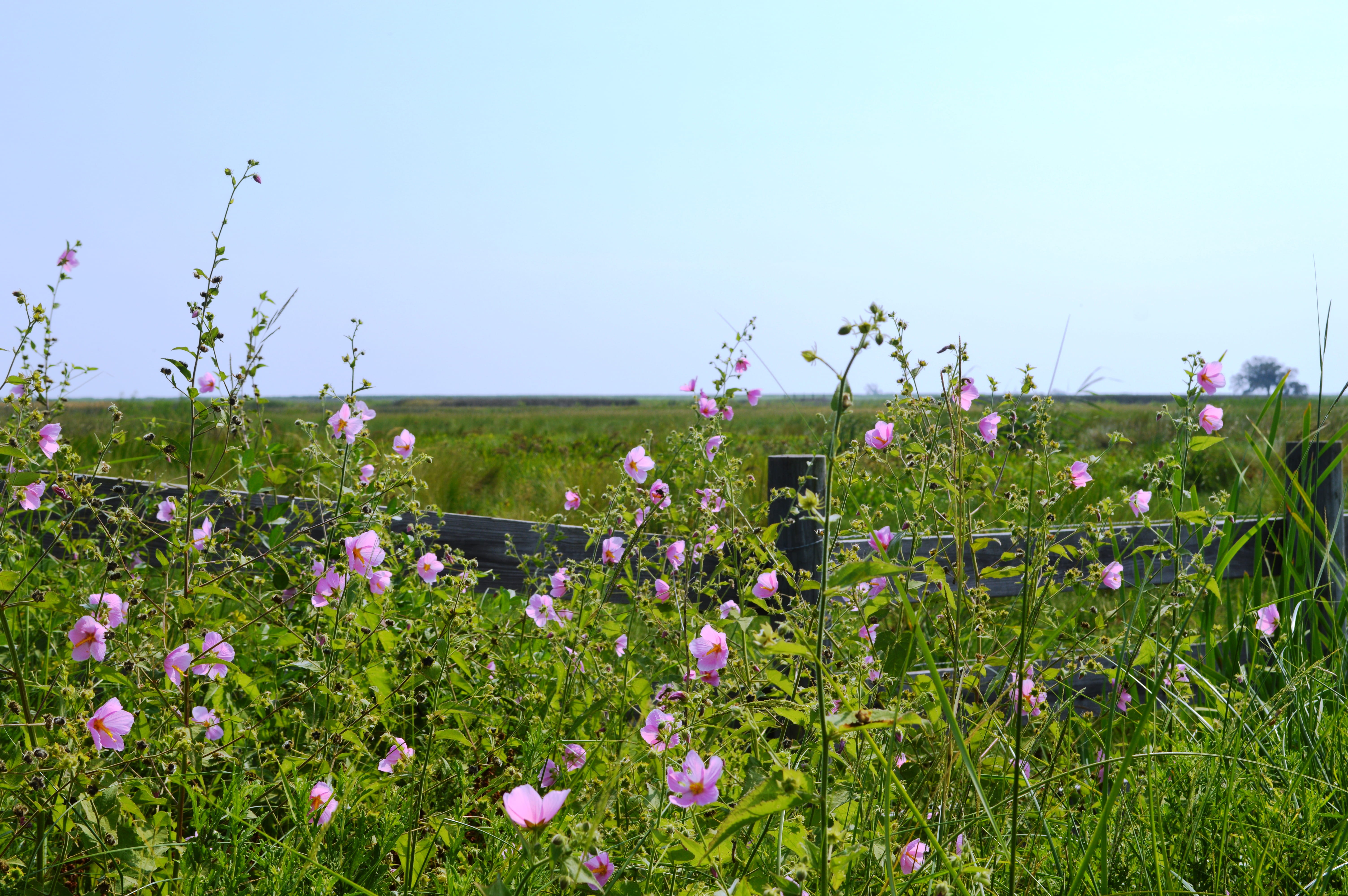
CC Road Savanna Preserve harbors rare longleaf pine savanna habitat for wintering grassland birds, like the rare Henslow’s sparrow, and the federally endangered American chaffseed (Schwalbea americana), which had not been documented in Louisiana for more than a century until its discovery at this site in 1996. The preserve also protects a section of Barnes Creek, a Louisiana Scenic River and important tributary of the Calcasieu River, whose larger watershed is among the most diverse in Louisiana.
-
A botanical treasure, the Copenhagen Hills Preserve supports globally rare plant communities, including at least 12 found only in Louisiana.
-
TNC's Persimmon Gully Preserve harbors ancient longleaf pines, some over 300 years old. This preserve represents one of the last true, old growth longleaf pine stands in the West Gulf Coastal Plain.
-
The Talisheek Pine Woodlands Preserve is closed to the public to serve as a demonstration site for restoring and managing native longleaf pine flatwood savanna habitat to resemble what once occured across the region.
Landcape-scale Projects
-
Atchafalaya River Basin
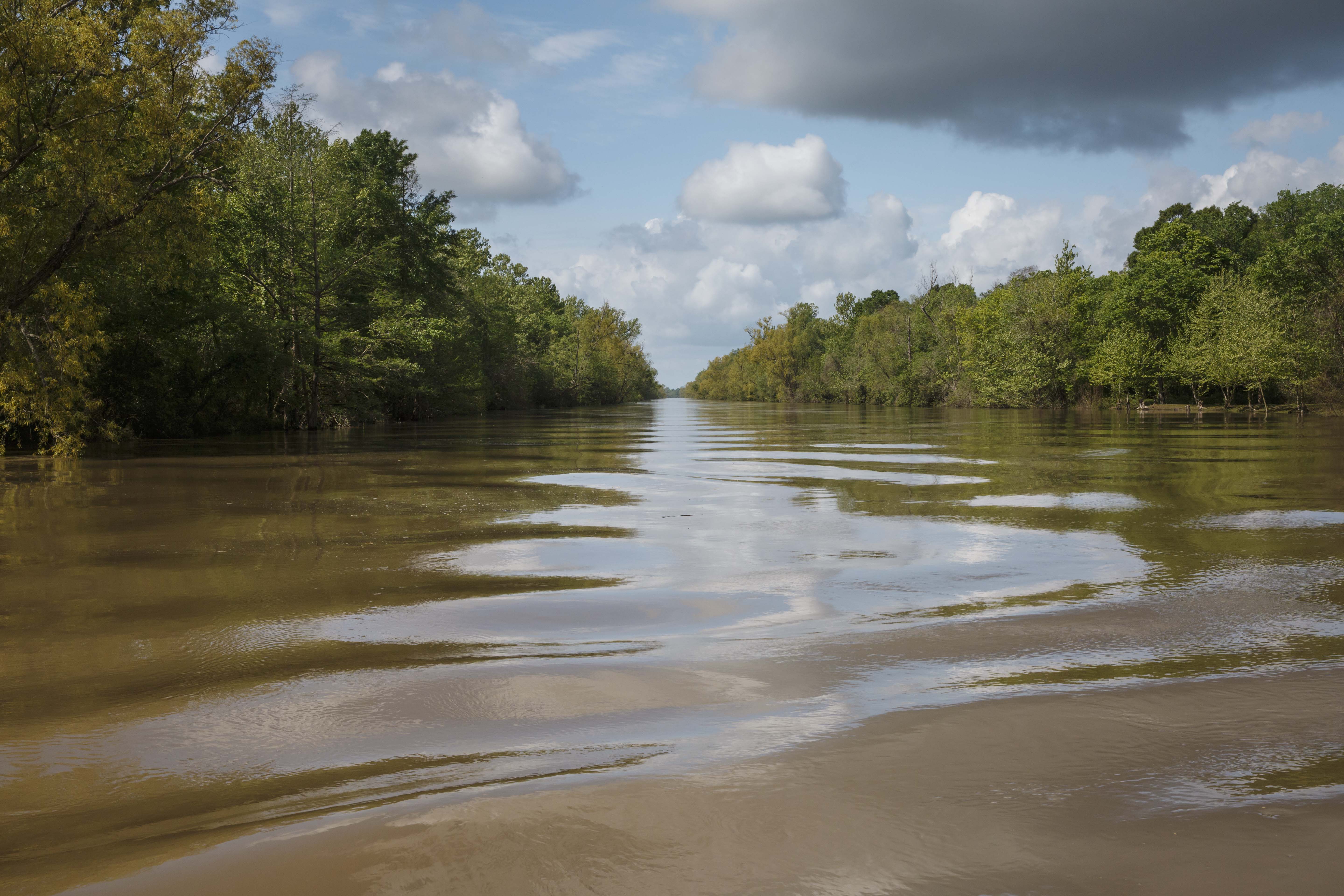
At almost a million acres, the Atchafalaya river and surrounding watershed comprises North America's largest floodplain swamp. Learn More
Thank you for prioritizing Louisiana nature.
Your support helps to advance the science, management and on-the-ground work required to protect Louisiana’s lands, waters and wildlife for future generations.
More Louisiana Stories

Louisiana Conservation News
The Nature Conservancy shares recent accomplishments from around the Pelican State.

Policy Priorities in Louisiana
Explore our legislative priorities aimed at conserving Louisiana’s natural resources and strengthening the connection between nature and people.

Louisiana Longleaf Pine Cone Count
The Nature Conservancy conducts an assessment of Louisiana's longleaf pine cone seed crop.