


Pollinators in Disguise
Meet the unexpected insects working to keep Kansas blooming.
When you picture a pollinator, a bee or butterfly may be the first thing that comes to mind. But they are far from the only animals visiting flowers and helping plants reproduce. Beetles, moths and wasps can all play a part in pollination, while even spiders may occasionally carry pollen as they move among flowers.
Pollination is essential to the reproduction of flowering plants. Sometimes wind or water does the work of transporting pollen, but many plants rely on animals moving between flowers. As they search for nectar or other resources, pollen can collect on their bodies and be carried to the next bloom.
The relationships between flowering plants and the animals that visit them are an important part of healthy, diverse ecosystems. However, some of these important relationships are easy to miss. Take a closer look at the species hiding in plain sight and discover how they play an important role in the pollination process.
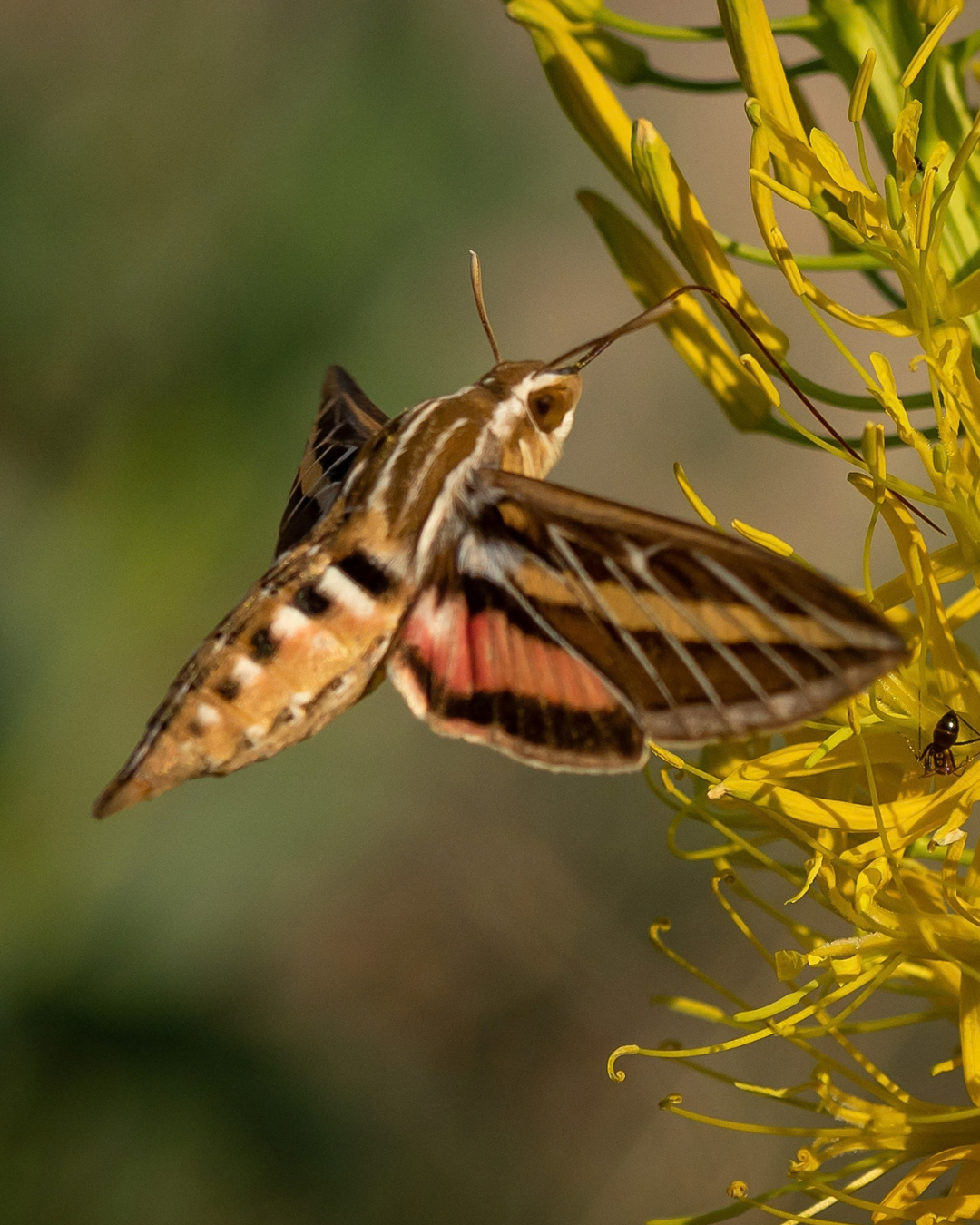
Taking the Night Shift
When the sun goes down, pollination doesn’t stop.
Moths are among the pollinators that remain active after dark. While we often associate moths with visiting our porch lights, many spend their nights moving through the landscape in search of nectar. As they visit flowers to feed, pollen can collect on their bodies and travel with them to another bloom.
Some plants have adaptations that make them particularly attractive to nighttime visitors, including pale flowers that are easier to see in low light and strong fragrances that can help guide moths toward the blooms.
While we sleep, moths continue moving among flowers, playing a part in the pollination happening across the landscape.
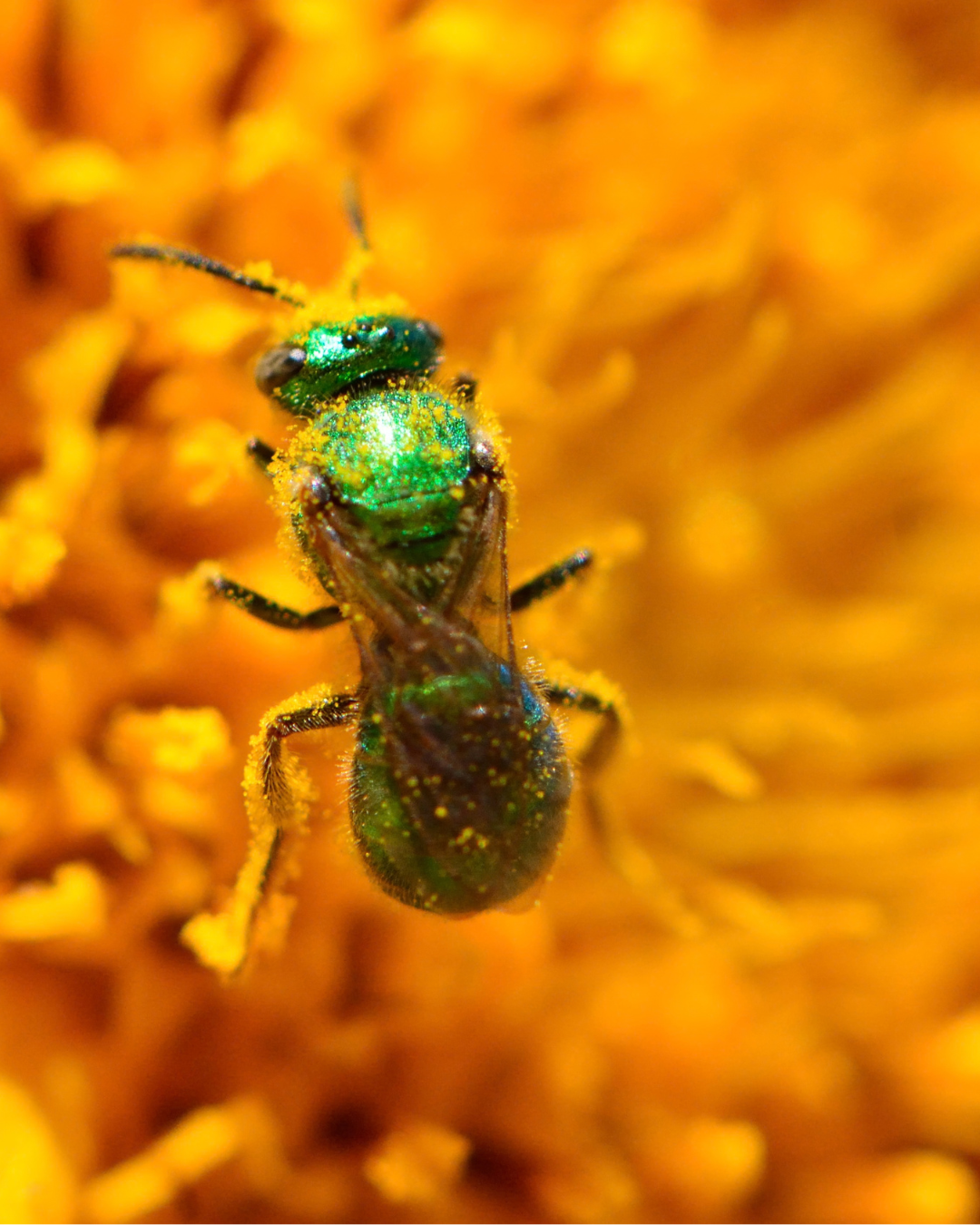
An Ancient Partnership
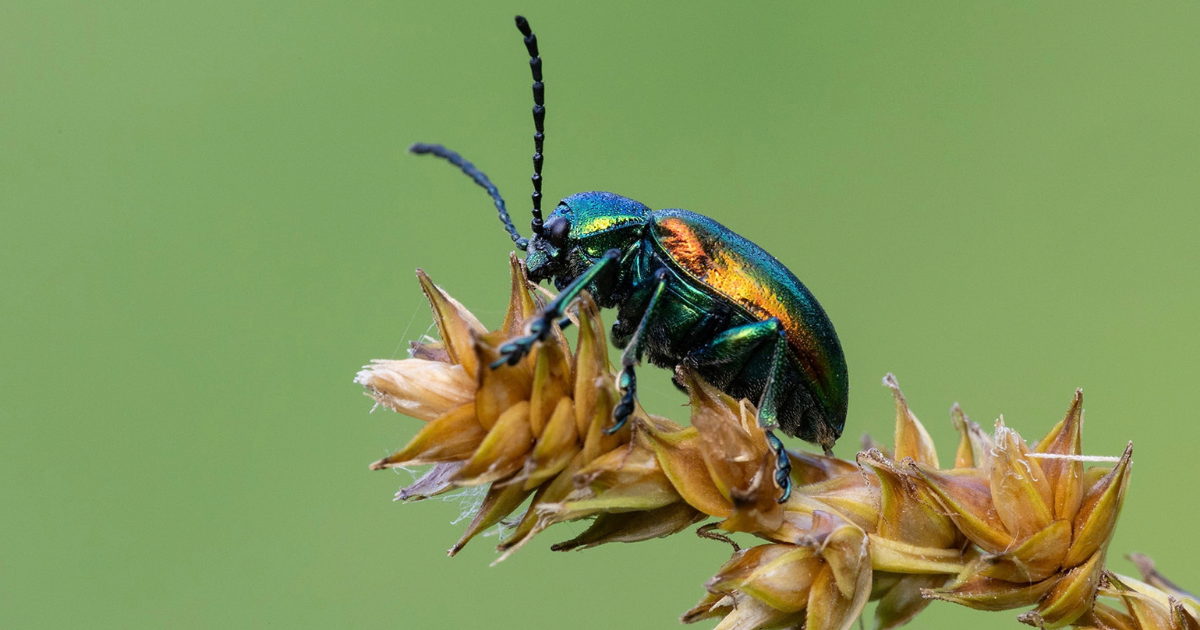
Around since the Mesozoic Era, beetles were among the earliest insects associated with the pollination of flowering plants.
When beetles arrive on a flower, they make their presence known. They venture across blooms consuming nectar and pollen, and sometimes even eat parts of the flowers themselves. Throughout this process, their bodies also collect pollen, and as they travel from flower to flower, they can carry that pollen with them, continuing a relationship between beetles and flowering plants that has existed for millions of years.
Soldier beetles are one example you may find right in the middle of the action. Adults are frequent visitors to flowering plants and can often be spotted on goldenrods, sunflowers and other blooms, where they feed on nectar and pollen.
Not all flower-visiting beetles are as easy to recognize as beetles. Fireflies, despite their name, belong to this group too. Best known for lighting up summer nights, some firefly species also visit flowers, where they may feed on nectar and pollen.
Beetles continue to fill a wide variety of roles in the landscapes around us, just as they have for millions of years.
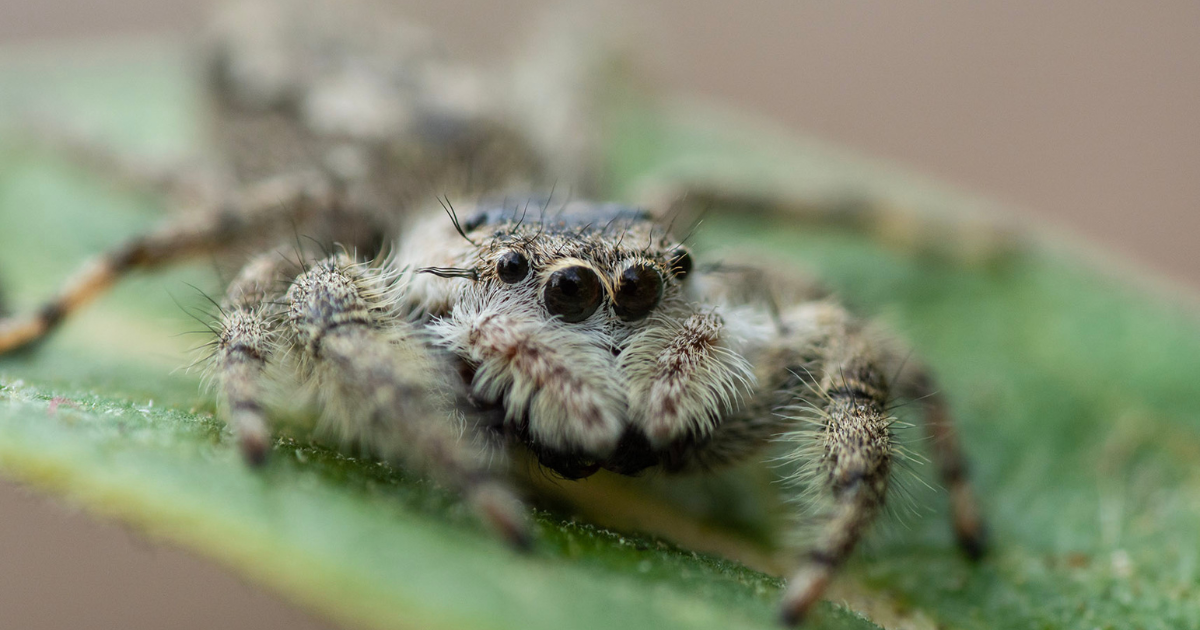
Waiting Among the Wildflowers
While a spider on a flower may appear unusual, certain species of spiders consider flowers to be prime hunting grounds.
Crab spiders and jumping spiders don't always create a web to catch their food. Instead, they can actively hunt or position themselves where insects like to visit, including flowers. Crab spiders are especially well suited for this behavior. Their front legs extend outward much like a crab's, ready to grab an insect that ventures within reach.
Although pollination isn't why they are visiting flowers, pollen can attach to the bodies of these flower-dwelling spiders as they move around and occasionally be carried to another bloom. So while a spider tucked away in a flower may only play a small part in pollination, it still has an important role to play within their ecosystems.
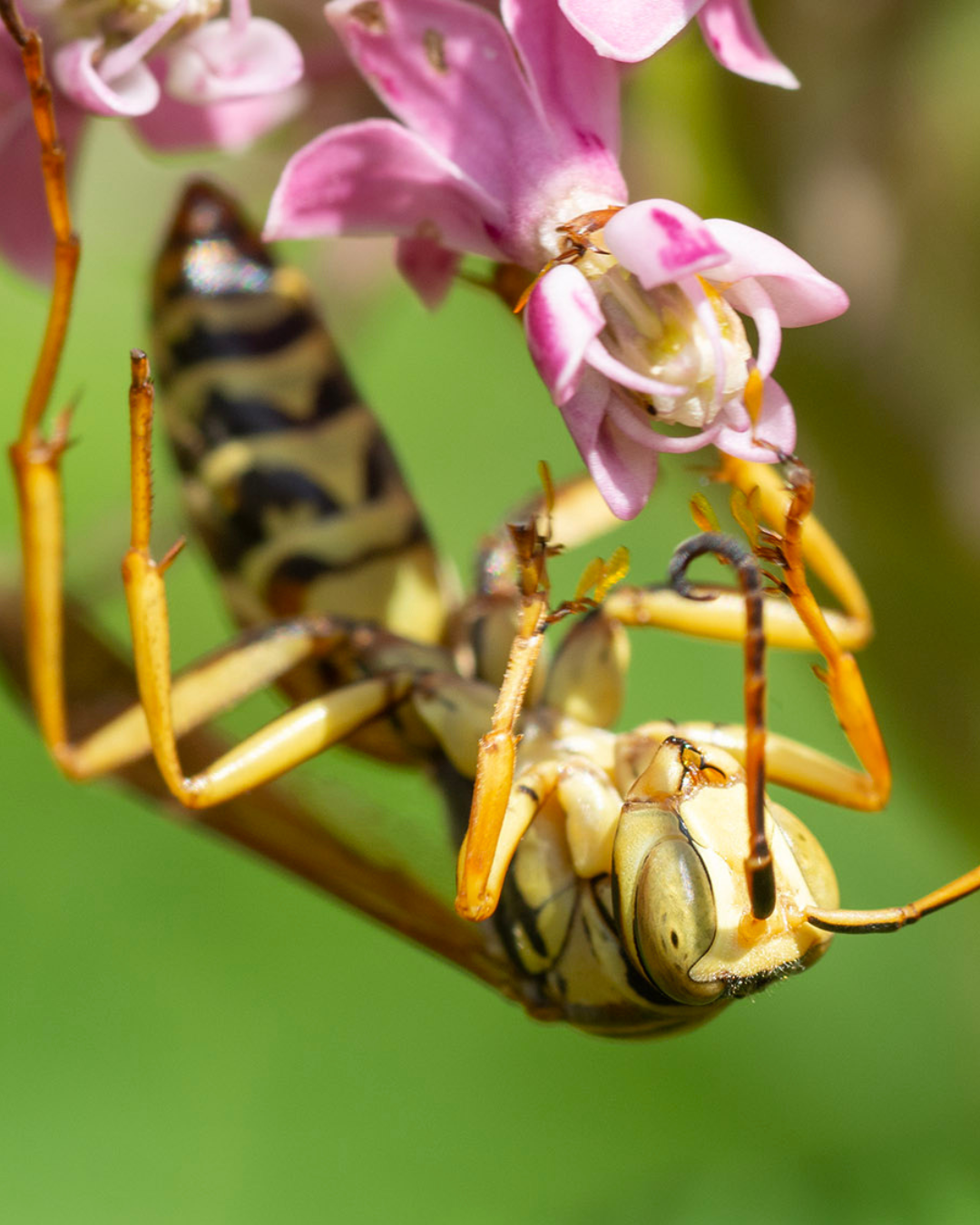
Double Duty
Wasps and bees share a history, but their reputations couldn't be more different. Bees are celebrated as pollinators, while wasps are more likely to send people in the opposite direction.
Yet wasps are an incredibly diverse group. Some live in colonies, but many live solitary lives. Some build nests from paper, mud or plant material, while others use existing cavities. And many spend much of their lives going largely unnoticed by people.
Many species of wasps visit flowers to consume nectar. Those visits bring them into contact with pollen and give them opportunities to move it between flowers.
Wasps also hunt other insects, helping keep populations of plant-eating insects in check. That can reduce pressure on the plants those insects feed on, giving them a better opportunity to grow, flower and provide resources for other pollinators and other wildlife.
Rather than filling just one role, wasps can contribute to a healthy ecosystems in many ways.
How You Can Help Overlooked Pollinators
Supporting pollinators means making room for more than just bees and butterflies. Moths, beetles, flies, wasps and even the spiders living among flowering plants can benefit from healthy, diverse habitats.
You can help by planting a variety of native plants that bloom throughout the growing season and by leaving some natural spaces a little less tidy. Fallen leaves, plant stems, patches of bare ground and other natural materials can provide places for insects to shelter, nest or spend the winter.
Turn off unnecessary outdoor lights at night. Artificial light can interfere with nocturnal insects, including moths that become active after the sun goes down.
Most importantly, take another look at the small creatures sharing your yard, garden or favorite natural area. An insect you might normally overlook could be playing an important role in the landscape around you.
More Than Pollinators
Guess Who's behind the clue
-
Beetle. Beetles make up the largest order of insects, with more than 350,000 species around the world. From fireflies and weevils to soldier beetles, they come in an incredible variety of shapes, sizes and colors.
-
Moth. Moths' behavior can be disrupted by artificial lights during the night. These lights can draw them away from flowers to your porch, interfering with their role as nocturnal pollinators.
-
Spider. Although spiders may be small and have many legs like an insect, they belong to an entirely different group called arachnids. Along with eight legs, spiders have two main body sections and lack antennae.
-
Wasp. Before humans began making paper, some wasps were creating their own version. By chewing small fibers of wood and mixing them with their saliva, they would create a pulp. Once this mixture dried, it became a papery material that they would then use to build their nest.
Explore More of Our Work

Working Together for Bison | The Nature Conservancy
Explore how collaboration and shared knowledge are helping strengthen bison conservation in Kansas and across herds throughout the country.

Prescribed Burn Training | The Nature Conservancy
Learn about what it takes for TNC staff to become certified fire practitioners.

A Kansas Legacy That Lasts
Share your legacy plans. Generate $2,500 for Kansas conservation today.