

Policy and advocacy work can be difficult to put a finger on. The impact is not always immediately visible—especially compared to TNC’s work on the ground—but our policy work is the foundation for much of this success. State and federal conservation programs, along with other key funding and policy tools, allow us to be more ambitious and work at a scale not possible through private investment alone.


Solving our most complex challenges requires policies that ensure we are on a path for long‑term change while meeting the needs of Idahoans and addressing climate impacts like drought and wildfire. Our External Affairs team works at federal, state and local levels to compel broader and deeper support for conservation programs, policies, public funding and partnerships—all of which are the bedrock for advancing our work at scale and bringing the greatest possible impact for nature and people.
Policy Priorities in Idaho
-
Public Lands
Strengthening policies that protect the wild places Idaho is known for and ensuring public lands remain accessible, resilient and responsibly managed for generations. Learn more about our work to protect public lands.
-
Forest Health
Advancing collaborative, science-driven approaches that restore Idaho’s forests using prescribed fire and proactive management to reduce severe wildfire risk, protect communities and help resilient forests thrive. Learn more about our forest and fire program.
-
Regenerative Agriculture
Partnering with policymakers and producers to champion soil health practices that build drought resilient lands, conserve water, boost productivity and sustain the working landscapes that anchor Idaho’s rural economies. Learn more about our agriculture work.
-
Renewable Energy
Shaping policies that guide clean energy development to help Idaho transition to a clean energy future while benefiting local communities and landscapes. Learn more about our climate action.
Commentaries
Bipartisan support keeps lands in public hands
Acting for Public Lands
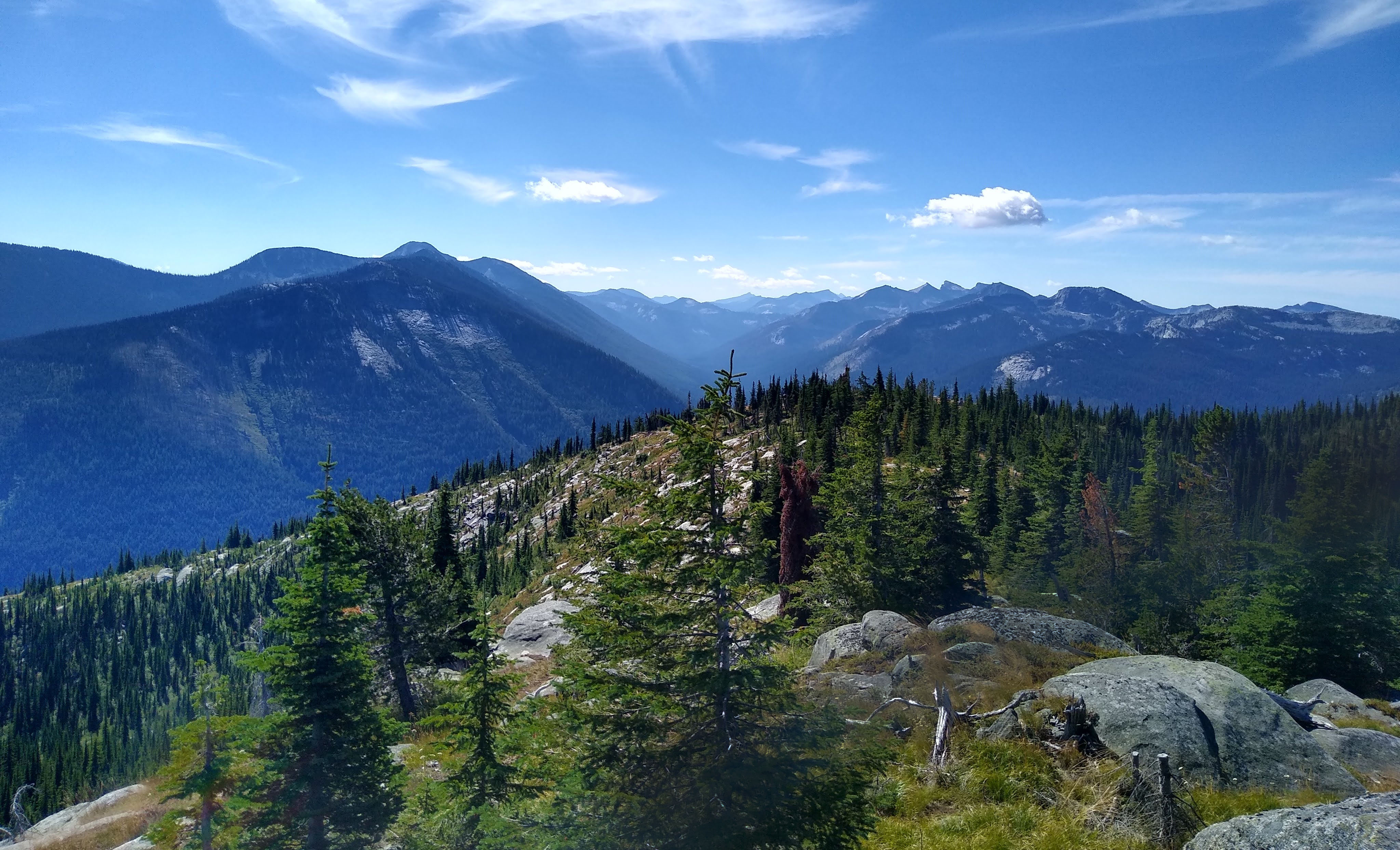
Idahoans recently showed the nation what can happen when people stand together for the places they love. A federal proposal that could have led to the sale of up to 3.3 million acres of public lands was withdrawn, thanks to an extraordinary wave of bipartisan support and grassroots action from across the state.
What made this moment so powerful wasn’t just the outcome. It was the unity behind it. From industry leaders to outdoor enthusiasts, Idahoans of all stripes stood united in defense of our shared landscapes. Polling conducted in July 2025 showed that 96 percent of Idaho voters—across the political spectrum—believe public lands should remain in public hands. That kind of consensus is rare, and it reflects something deeply true about Idaho: Our landscapes aren’t just scenery. They’re a foundation for our economy, our way of life and a defining part of who we are as Idahoans.
The Nature Conservancy helped make that collective voice impossible to ignore. Idahoans sent more than 100,000 messages to Congress, including more than 750 phone calls from Idaho voters to our Senators. Outreach to Idaho Representative Mike Simpson and Senators Mike Crapo and Jim Risch was especially critical. Their public opposition to the sell-off helped ensure the federal land-sale provision was ultimately removed from the federal budget bill. Because of this shared effort, these public lands remain where they belong – with the public.
This victory is a testament to what is possible when communities, lawmakers, and conservation organizations work together. But it’s also a reminder that policy matters. The threats to public lands don’t appear just once. They re-emerge in the form of federal-to-state land transfer proposals, cuts to land-management programs and staffing, diminished capacity for maintenance and upkeep, or renewed efforts to privatize public lands that generations of Idahoans have relied on.
That’s why our policy team continues to work every day to ensure public lands stay protected, accessible and responsibly managed. Good policy is one of the strongest tools we have to safeguard wildlife habitats, support local economies and keep Idaho’s outdoor heritage alive.
And we celebrate public lands victories. We celebrate Idahoans speaking up and the power of collective action. We celebrate conservation at its best: collaborative, bipartisan and community-driven. And we celebrate the shared commitment to keep our public lands public, protected and thriving for the people who enjoy them today and the generations who will care for them tomorrow.
Profile: Jared Talley
Helping Preserve an Idaho Way of Life
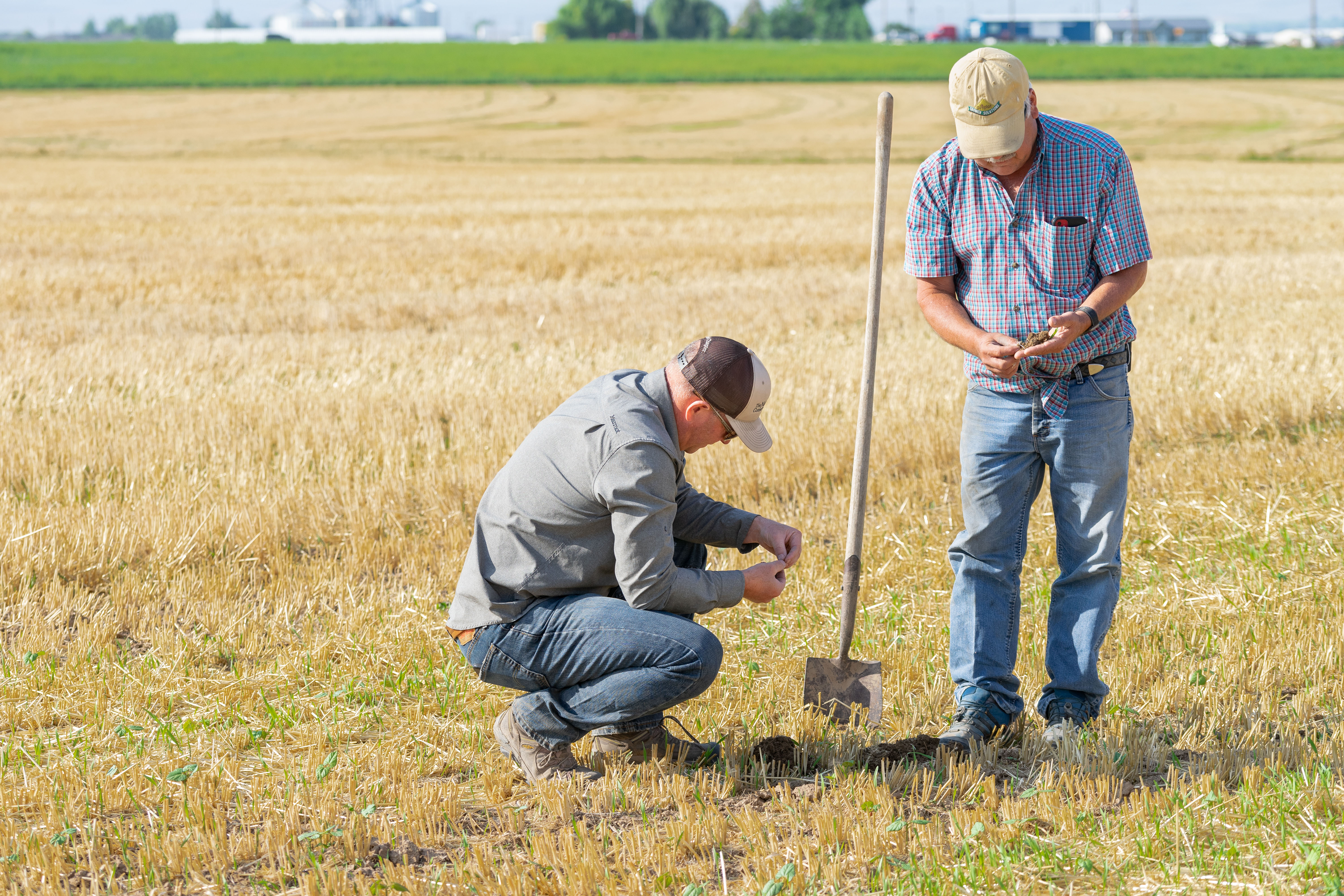
As a fifth‑generation Idahoan with deep family farming and ranching roots in the Treasure Valley, Jared Talley was immersed in the culture and traditions of agriculture from a young age. It’s a background that has served The Nature Conservancy’s Idaho state policy advisor well as an advocate for policies that promote the use of regenerative agriculture. Regenerative agriculture practices aim to restore soil and ecosystem health, improve water cycles and retention and combat climate change while producing nutritious food. These practices include no-till farming, use of cover crops and diverse crop rotation. But for an industry steeped in tradition, regenerative agriculture is seen by some as a bit too “new age” or experimental.
“It’s kind of a black or white thing. A lot of farmers and ranchers figure, if it ain’t broke, don’t fix it,’” explains Talley. “In general, the trigger is when people are at the end of the road and ready to try new things to save their operations.”
The resistance is understandable. Most ranchers and farmers operate on razor thin margins so changing long-standing practices is a risky business. Losing even one crop can mean losing the farm.
But momentum is building as curiosity and interest in regenerative agriculture begins to grow. Workshops at both the Idaho Environmental Forum and the Governor’s Summit on Agricultural viability have brought together members from diverse professional backgrounds, including American Farmland Trust, Farm Bureau, and The Nature Conservancy, to inform decision-makers and the public on how regenerative practices support soil health, water quality, and long‑term agricultural resilience. There are also eight farms currently working with TNC to employ and study regenerative practices on their operations. And, of course, policy efforts are advancing as trusted advocates like Talley, with deep agricultural roots, champion measures that encourage and incentivize regenerative practices.
“The biggest misconception about regenerative ag is that it’s all about the environment,” says Talley. “It’s about the bottom line. It’s a more profitable way to produce better food and maintain communities.”
That’s because these practices mean less labor and fewer inputs such as fertilizer, pesticides and gas for machinery—all of which helps farmers save money. One pilot farm showed a savings of about $200,000 by incorporating regenerative ag practices.
Talley says the sense of happiness and well-being is also higher in small farming communities.
“This relationship is well established in rural sociology, through what’s known as the Goldschmidt Hypothesis: communities with a greater number of small, family‑run farms consistently see stronger social and economic well‑being than those dominated by large, absentee‑owned operations.”
Anything that keeps Idaho agriculture healthy is good for all Idahoans. Agriculture is an industry that touches nearly every aspect of life in Idaho. Roughly 22% of the state’s total land area is in cropland, and agribusiness accounts for 20% of Idaho’s gross state product each year. When farms can’t survive, they often turn into pavement and subdivisions, gobbling up the open space that Idahoans value so much. But if regenerative agriculture is going to take hold in a big way, it will need supportive policies at the state and federal levels.
One key need is to reduce the risk that farmers and ranchers take on when making the change. That means funding and technical support that can put a safety net under farmers making the transition. Tax incentives to food processors to buy local would also help, as would market incentives that encourage consumers to buy local and raise public awareness and support. There is also a need for more soil scientists and experts who can help tailor agriculture plans to the situations on individual farms. The federal government has made a start, allocating $700 million for regenerative agriculture—but more federal and state investment is needed to meaningfully support farmers in adopting regenerative practices.
As an organization committed to supporting farmers, TNC is leveraging our on-the-ground expertise, credibility and science to ensure Idaho’s agriculture is resilient into the future, providing access to region-specific information, facilitating knowledge sharing between farmers and developing supply chain incentives with corporate partners. We are also working directly with farmers to implement regenerative practices and have launched multiple demonstration farms throughout the state. TNC and Idaho are fortunate to have someone like Talley, with deep connections to and expertise in agriculture, leading our policy efforts.
Commentary Archive
-
Idaho’s state legislature convenes each January to set new policy and budgets for the state. It can be an exciting and daunting time of year, particularly when Idaho politics are severely divided and frequently contentious. Misunderstanding and misinformation often characterize the debate around conservation issues. As a trusted source of credible science for policymakers, The Nature Conservancy engages with state legislators and agencies to help inform a better understanding of conservation and natural resource issues and to help protect the policies and funding that make conservation in Idaho possible.
This year, TNC policy and government relations staff are again focused on protecting landowners’ ability to utilize conservation easements and other tools to protect Idaho’s important places, wildlife habitat and working lands. We are also supporting funding for state programs aimed at improving water quality, expanding and enhancing outdoor recreation and advancing new opportunities for pollution reduction projects across the state that address climate change and help local communities. No less critical, we must continue to be diligent in defending against proposals that would limit our ability to move projects forward, such as renewable energy development.
Wins at the state level are difficult to come by, but they are possible when we show up at the table. We lead with a nonpartisan, collaborative approach to ensure conservation is considered in the state’s decision-making. If we fail to engage in the legislative process, we run the risk of losing gains already made. For these reasons, TNC continues, session after session, to defend what we have and to work toward a better Idaho in the future.
The Nature Conservancy in Idaho visits Capitol Hill
-
Staff and trustees from The Nature Conservancy in Idaho recently visited Washington, D.C.—alongside a contingent of nearly 400 TNC staff and trustees from across the U.S.—to advocate for nature in federal policy and funding decisions. TNC participated in 215 meetings with Republican and Democrat leaders during our annual Advocacy Day event to talk about the environmental challenges facing our states, such as extreme drought coupled with the impacts of Hurricane Hilary that damaged crops in Idaho and beyond. It was also an opportunity to remind our elected officials that policy makes conservation possible.
In meetings with all four of Idaho’s congressional offices, we discussed key priorities for our state, including bolstering private land conservation programs in the Farm Bill, protecting critical wildlife habitat as proposed in the Recovering America’s Wildlife Act and ensuring our conservation programs get the funding they need through the federal appropriations process. Beyond sharing TNC’s policy priorities, we were able to highlight the impact federal programs and funding are already having in Idaho.
As a leading conservation organization, TNC brings important insights to our elected officials. Idaho trustee John MacCarthy said of the congressional meetings, “It’s more of a partnership than just asking for something. It feels good knowing TNC can offer help too.” These meetings and relationships are critical for making our local issues known and helping to shape the future of conservation.
Your voice matters too. Join us and speak up for nature by letting your federal and state representatives know you care about taking climate action and protecting the diversity of life on Earth.
-
Updated October 2, 2023
On September 18th the presence of quagga mussels at larval life stages in the Centennial Waterfront Park area of the Snake River was confirmed by Idaho State Department of Agriculture (ISDA).
Quagga mussels are a quick-spreading invasive, non-native species that pose a major threat to Idaho’s fisheries, water supplies and systems, wildlife habitat, agriculture and human communities. The microscopic larvae spread between bodies of water by live wells, bait buckets, bilge water, waders, watercraft and anything else that moves from one body of water to another. They present perhaps the greatest risk to our economy and recreation of any invasive species, and Idahoans must do everything possible to prevent their spread and eradicate them if possible.
In addition to potentially devastating impacts to Idaho’s aquatic plants, fish and wildlife, quagga could quickly spread and threaten the entire Columbia River Basin and lead to hundreds of millions of dollars in actual and indirect costs. The Nature Conservancy (TNC) has worked with ISDA and partners for more than 20 years to prevent the introduction and spread of quagga mussels and other invasive species. Those efforts have been successful largely due to the foresight and vigilance of Idahoans. Now for the first time, the State of Idaho has initiated their rapid response plan to contain and control the threat of a quagga mussel infestation.
Unfortunately, the most effective treatment available will cause significant mortality of fish and other aquatic life in the 6-mile treatment area from the Twin Falls pool above Shoshone Falls downstream to Centennial Park. The Idaho Department of Fish and Game is not anticipating impacts to mammals or birds within the treatment area based on the proposed treatment plan. For more information see the ISDA Snake River Quagga Mussel Treatment Factsheet.
TNC firmly believes that the long-term benefits of preventing the spread of quagga mussels across Idaho and the Pacific Northwest far outweigh the short-term side effects of the treatment. Taking no action is not an option―the stakes are too high. We are confident the agencies overseeing the response are taking necessary, urgent action and are doing so with the best science, planning and oversight available.
Successful containment and control of the infestation requires everyone to do their part. We implore you to continue to be diligent in the prevention of spreading quagga mussels by following the guidance provided by ISDA and adhering to water access closures. For the most up to date information please visit Idaho.gov/quagga. -
March 21, 2023
Following the largest ever U.S. action on climate, it's time to opt in and shape a better future for Idaho.
Recent federal policy wins have shifted our collective course on climate action, and positive momentum is building—momentum on a path to innovate new technologies, leverage the carbon-storing powers of nature, incentivize cleaner energy and build community resilience.
With passage of bills like the bipartisan Infrastructure Investment and Jobs Act and Inflation Reduction Act, never-before-seen levels of federal funding are now available for climate and conservation. The Inflation Reduction Act alone includes nearly $370 billion in clean energy and climate investments over the next 10 years and will make significant strides toward meeting the United States’ commitment of 50% emissions reductions by 2030. The package includes $30 billion in incentives for solar, wind and battery manufacturing in the U.S., $60 billion for low-income communities that bear a disproportionate share of pollution, $20 billion to support climate-smart agriculture practices, and $7.6 billion to conserve and restore forests and coastal habitats to protect communities.
In Idaho, this could mean key investments with broad impact. For example, an additional $700 million is slated for the Forest Legacy Program, which has been incredibly successful in North Idaho and is vital for conserving working timberlands, rural economies and connected wildlife corridors. An additional $1.4 billion will go toward the Agricultural Conservation Easement Program, which has made possible the conservation of working ranches and rangelands across the state for the benefit of people and fish and wildlife species like salmon and pronghorn. And dozens of new programs and funding are now on the table for programs that can help key Idaho sectors like transportation and agriculture reduce emissions and could even help prevent catastrophic wildfires. These investments could create hundreds—even thousands—of good-paying jobs for Idahoans in all parts of the state.
In many instances, new federal funding will be allocated through formula grants to states based on population or other metrics. This means funds are specifically set aside for Idaho—should the state elect to approve applicable programs and spending. For example, the State of Idaho has $3.9 million available through the State Energy Program for state-led strategic energy planning and initiatives focused on priorities such as energy security, resiliency and emergency preparedness. There are also new opportunities for wildfire preparedness and resiliency, land and water conservation, natural climate solutions, renewable energy and more.
Success will require Idaho’s leaders and entities like The Nature Conservancy, along with other nonprofits, state and local agencies and Tribes, working together to implement programs. Federal agencies intend to work in large part through new and existing partnerships, innovative agreements and contractors to get funding on the ground. With proven solutions in hand and long-standing state and federal agency relationships, TNC is well positioned to help put expertise and funding on the ground.
It is also important to keep in mind that many federal grant programs require non-federal matching funds. As we seek to increase application of these programs and new federal funding, the need for private donations and other funding sources increases as well. This is a critical moment for leveraging private philanthropy to scale impact.
For climate action and new federal funding to touch down here—for the benefit of Idaho and Idahoans—we need support and action from Governor Little, state administrative agencies and the state legislature. Idaho legislators are again considering where to direct an unprecedented state tax surplus and seeking solutions to pressing Idaho issues like drought and water shortages and the threat of wildfire. State and private funds can position Idaho to leverage new federal dollars and address these critical needs at a much greater level.
We know today some new federal funding is already available, and more will be available soon. We know federal guidance is lacking in places, and processes can be complicated. We know capacity restraints limit bold and ambitious new strategies and programs. But we also know there has never been an opportunity—at even a remotely similar scale—to invest in our state and our future in this way.
Can Idaho lawmakers act in the best interest of Idaho? Will Idaho choose to complement federal investment and accelerate natural climate solutions and technology innovations? Can we set Idaho on a positive path toward greater climate resiliency for future generations? It’s up to Idaho to meet this moment.
-
March 15, 2022
Policy and advocacy work can be difficult to put a finger on. The impact is not always immediately visible—especially compared to TNC’s work on the ground—but our policy work is the bedrock for much of this success. Federal conservation programs and public funding sources allow us to be more ambitious and work at a scale not possible through private funding alone.
Passage of the Great American Outdoors Act in 2020, for example, provided full and permanent funding for the Land and Water Conservation Fund (LWCF), or $900 million annually—for the first time in the fund’s more than 50-year history. LWCF funds a host of programs, including the Forest Legacy Program, which has accounted for the conservation of more than 100,000 acres in northern Idaho. These projects keep working lands working, support local timber economies, and help keep migration corridors intact, among many other benefits.
New federal funding through vehicles like the recent Infrastructure Investment and Jobs Act (IIJA) will be instrumental in scaling up other areas of TNC’s work, such as our prescribed fire pilot program featured in this newsletter. There is tremendous interest for TNC to greatly expand this model across the state and the IIJA will likely provide much of the funding needed to do so.
We need solutions that address local challenges and fit the needs of Idahoans. It’s why we’re talking about policies to address drought and wildfire, and policies to leverage the carbon storage potential of our agricultural and forested lands. And, above all, we need durable policy that will outlast swings in political leadership to ensure we’re on a path for long-term change.
Whether it is our work making a difference on the ground, in the policy realm, or through partnerships, we couldn’t do it without you.
Speak Up for Public Lands
Take Action
Add your name to tell your congressional leaders that are public lands are not for sale.

Contact Our Team
Director of External Affairs
Kari Kostka
Email: kari.kostka@tnc.org
View Biography
Senior Policy Advisor
Bas Hargrove
Email: bhargrove@tnc.org
State Policy Advisor
Jared L Talley
Email: jared.talley@tnc.org
Climate & Renewable Energy Program Manager
Jillian Hanson
Email: jillian.hanson@tnc.org
Idaho Policy Fellow
Molly Levy
Email: molly.levy@tnc.org
You Might Also Like

America’s Public Lands
U.S. public lands are critical to our outdoor traditions, local economies and wildlife habitats—but threats to these lands are growing. Learn how TNC is defending our public lands.

Nature’s Dividends: The Economic, Health and Safety Benefits of Investing in Nature
The Nature’s Dividends report finds that conservation is a cost-effective way to grow the U.S. economy, protect public safety and reduce healthcare costs.

Advancing U.S. Policy
Learn how TNC partners with national, state and local governments to advance federal policy solutions that work for people and nature in the U.S.