

The Print: Punjab didn’t end stubble burning with bans. Gurudwaras played a role too
The results are documented. According to government data, fire incidents in Punjab fell by over 90%, from nearly 80,000 in 2020 to 5,114 by 2025.

Wheat threshing NW India Aerial view of wheat threshing at Rajesh Kumar’s farm in Karnal region, Haryana. Rajesh is a fourth generation farmer and has been farming for 20 years. He works on 70 acre land collectively owned by his three brothers and himself. © Smita Sharma
PRANA is one of several Foodscapes driving positive, on the ground food systems change.
The Indo-Gangetic plains of India are extremely fertile and provide food security to around 40 percent of the country’s population. While the Northwest region of India is the highest producer of paddy (rice) and wheat, essential food crops for the people of India, some current farming practices are causing harm to the environment and threatening the suitability of farming in the region. The Nature Conservancy in India is working with farmers to address these issues through collaborative solutions, aiming to build long-term adaptable farming practices for a climate-resilient future.
Launched in 2021, the Promoting Regenerative and No-burn Agriculture (PRANA) Foodscape tackles environmental challenges by reducing crop residue burning and promoting sustainable agricultural practices. Through a combination of behavioral interventions, farmer training and policy support, PRANA is driving lasting change in Northwest India and creating a more sustainable food system.


How PRANA transformed Northwest India’s agricultural landscape

Farmers Adopted No-Burn

Area Under No-Burn (hectares)

Water Saving Ensured (liters)

C02e avoided emissions (tonnes)
Through PRANA, I have gained knowledge that empowers me to make informed decisions and support other women to do the same. When women have access to the right information, we don't just grow crops- we grow communities.

A foodscape is a specific area of food production, defined by the combination of biophysical characteristics and management attributes in that area. Simply put, a foodscape maps a portion of the global food system, categorized by ecological and human influence.
Rice paddies are significant sources of methane emissions, while burning crop residues leads to the release of harmful gases including carbon dioxide, sulphur dioxide, carbon monoxide and nitrous oxide. These emissions have severe consequences, affecting soil fertility, human health and contributing to global warming.
Agriculture is the largest consumer of Punjab's groundwater, with alarming rates of depletion predicted to exhaust the resource by 2039. To mitigate this issue, the team recommends implementing measures to regulate groundwater extraction, which will be integrated into the project's implementation framework as we move forward with the next phase of Foodscapes in Punjab.
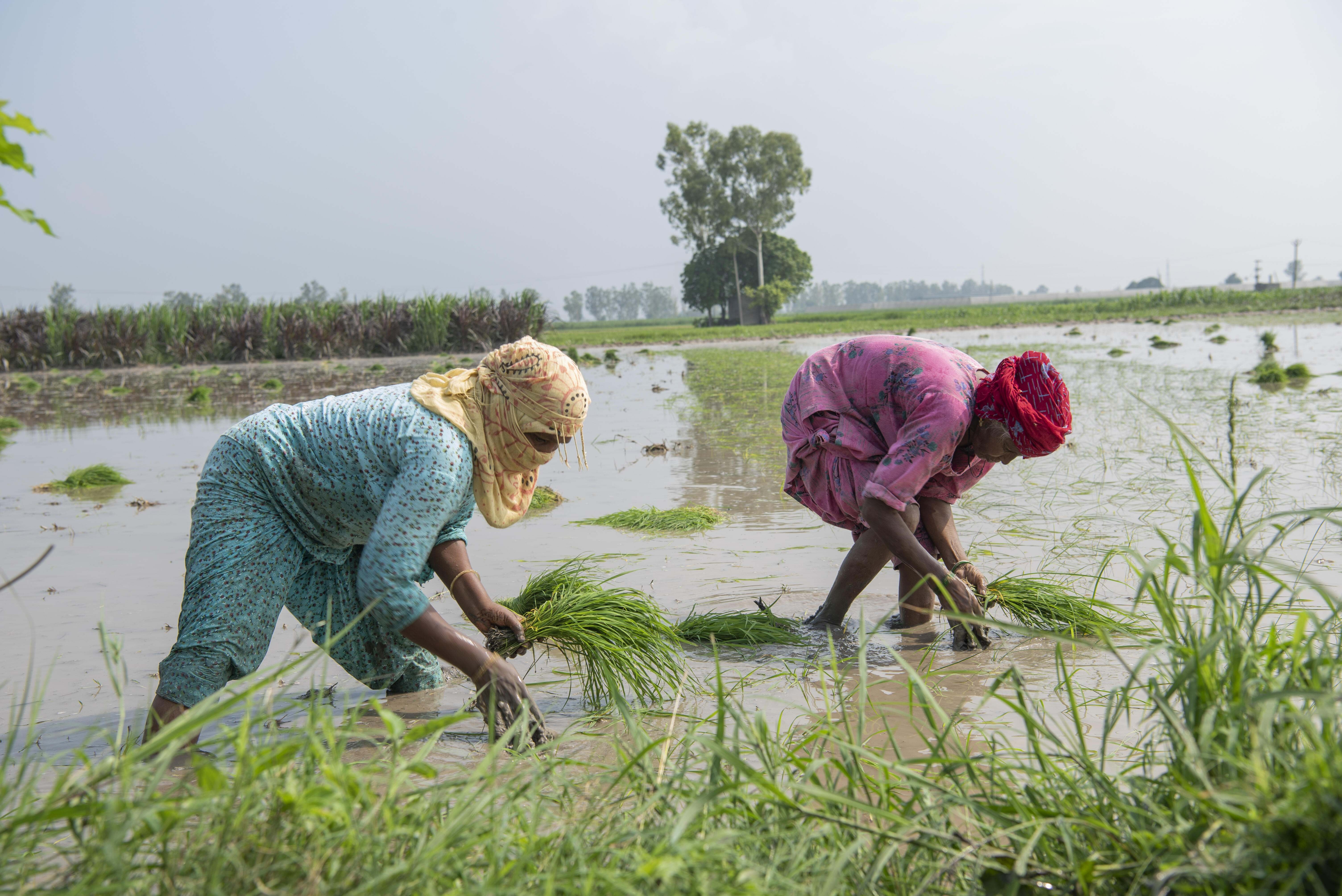

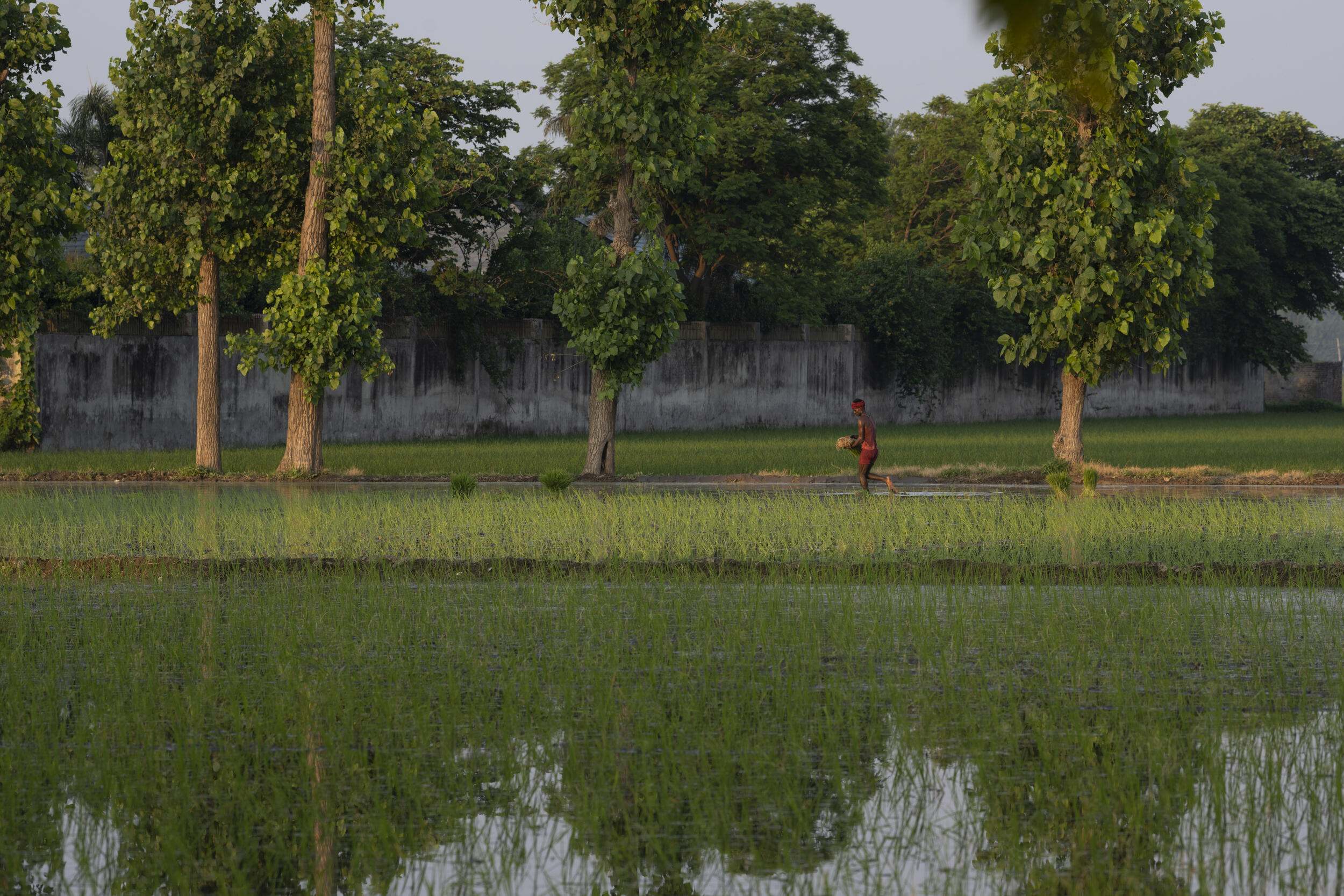
To address crop residue burning and declining soil health, PRANA has launched a Biochar pilot project. Biochar, a carbonized biomass from sustainable sources, is added to soil to boost agricultural productivity and environmental sustainability. It enhances soil's water and nutrient retention, promoting plant growth. PRANA’s Biochar pilot aims to produce high-quality biochar, improving soil health and offering a solution for residue burning in Punjab. PRANA and its partners have successfully produced 100 tons of biochar, marking an exciting and innovative phase in crop residue management.
The AgResults Model is a groundbreaking approach to agricultural development and impact evaluation. This pay-for-results model incentivizes the private sector, researchers and other stakeholders to create and scale solutions for critical agricultural challenges. Service providers of agricultural machinery are key players in addressing crop residue burning and promoting Direct Seeded Rice (DSR). By targeting these service providers through the AgResults Model, we can sustainably tackle residue burning and encourage water-saving techniques like DSR. This model aims to foster Agri-entrepreneurship among service providers and build sustainable, scalable business models.

With PRANA’s support, I adopted water-saving methods like Direct Seeding of Rice and Alternate Wetting and Drying. It transformed my farm and taught me that farming is about more than yields—it's about restoring our land and preserving Punjab’s groundwater.
By reducing residue burning and promoting regenerative practices, PRANA is achieving tangible environmental benefits:
Significant reductions in air pollution and greenhouse gas emissions.
Improved soil health through the incorporation of crop residue as mulch.
Conservation of groundwater resources, crucial for Punjab’s long-term agricultural sustainability.

With PRANA's support, I have adopted crop residue management techniques, which are beneficial for the environment. These techniques have helped me improve soil health and farm more sustainably. It's a change that benefits both my land and our future.
News from the field

Mapping the diversity of food production around the world to inform food systems transformation.

Together we can turn one of today’s biggest challenges into our greatest opportunity—a food system that goes beyond sustainable and creates positive growth for communities, economies and the planet.

Meet food producers using regenerative farming at the heart of their practices to tackle climate change and restore nature with regenerative outcomes.