


Beyond Price: Corporate Power Purchase Agreements (PPAs) and Non-Price Criteria
How incorporating social and environmental standards in renewable energy procurement can reveal the value to climate, people, nature and economies.
The next phase of Europe’s energy transition cannot be driven by price and carbon alone. As corporate demand helps accelerate the build-out of wind and solar, procurement decisions will increasingly shape not just how much renewable energy gets built, but where it is built and what it means for nature and communities.
Our latest paper sets out how companies can evolve power purchase agreements (PPAs) into a more powerful procurement tool, rewarding renewable energy projects that deliver measurable climate, biodiversity, and social benefits while helping reduce project risk.
See what this looks like in practice, through real-world examples of companies using renewable energy procurement to deliver benefits for climate, nature, and communities.
Download our latest Beyond Price Report
Why Renewable Energy Procurement Needs to Evolve
Corporate PPAs have helped drive record investment in solar and wind energy across Europe. However, the continent's renewable energy transition is facing growing challenges.
At the same time, businesses are under pressure to demonstrate meaningful progress against climate, nature and sustainability commitments.
Moving beyond a price-only approach to renewable energy procurement can help address both challenges. By recognising wider project benefits, buyers can support renewable energy developments that deliver stronger outcomes for climate, conservation and communities.
Key challenges facing Europe's renewable energy transition:
- Lengthy permitting processes and project delays
- Grid connection bottlenecks
- Revenue uncertainty and market volatility
- Growing pressure on biodiversity and land use
- Community concerns and growing social opposition
- Financing barriers for new renewable energy projects

From Corporate Renewable Demand to Durable Environmental and Community Benefits
How corporates invest is as important as how much they invest. Corporate sustainability commitments must go further than purchasing green energy certificates, with procurement decisions reflecting broader ESG goals.
Harnessing this demand to accelerate high-quality deployment requires shifting procurement beyond lowest-price logic, and synergising sustainability and procurement corporate policies.
Following the lead of non-price criteria (NPCs) in renewable energy auctions, embedding biodiversity and social impact criteria that reflect the 3Cs (Climate, Conservation and Communities) attributes into PPAs, and other long-term contracts, can create market incentives for projects that protect biodiversity, engage and benefit host communities, strengthen social licence and future-proof contracts against evolving regulation.
This shift not only rewards developers for robust environmental measures and proactive community outreach but also accelerates permitting, PPA signings, and overall deployment quality while bolstering brand reputation and stakeholder trust.

Bridging the Gap – From High Level Principles to Practical PPAs
Recent market conversations have begun to identify a set of emerging enablers that, while not exhaustive or prescriptive, illustrate the benefits that embedding the 3Cs framework into PPAs can unlock.
When strengthened, these elements can become strategic drivers of Europe’s equitable, resilient, and nature-positive energy transition. Realising their potential in practice will require continued constructive dialogue between buyers, sellers, and NGOs to shape a shared, actionable agenda for the European market.

Case Studies
This paper presents a selection of renewable energy case studies drawn from both developers and corporate buyers. The case studies explore how the 3Cs (Climate, Community, and Conservation) considerations have been incorporated into renewable energy projects and PPA negotiations in different European contexts.
The cases focus on the practical ways in which 3C considerations have been reflected in project design, contractual arrangements, and procurement decisions, as well as the challenges encountered in doing so. They also highlight the potential value that can emerge from integrating 3C’s objectives alongside commercial and delivery considerations.
Together, the case studies are intended to support market learning by illustrating a range of approaches, tradeoffs, and decision points that may arise when seeking to embed the 3Cs within renewable energy procurement.
All case studies are available in the full paper.
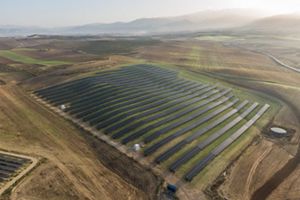
Alhendín Agri-PV Project
BayWA r.e. and VELUX
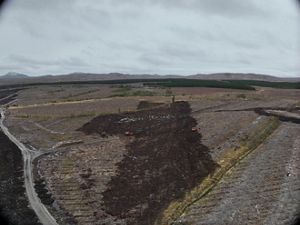
Strathy South Wind Farm
SSE Renewables
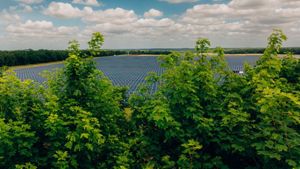
Low Carbon Solar PPA
Low Carbon and Lloyds Banking Group
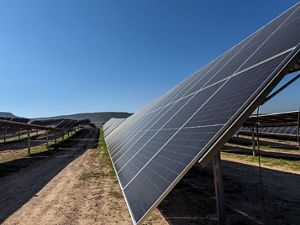
Aragón (Zaragoza) Solar Project
Zelestra and Microsoft
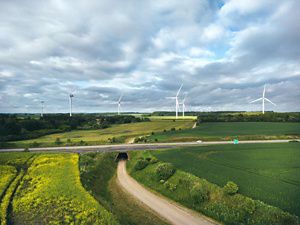
Handest Hede Energy Park
Eurowind Energy
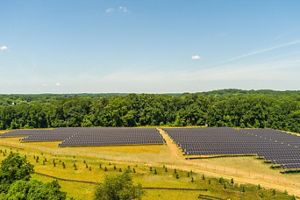
Distributed Solar Generation Projects
Microsoft, Pivot Energy, Clearloop, Sunwealth, Nexamp, Reactivate, OneEnergy and Powertrust
Download
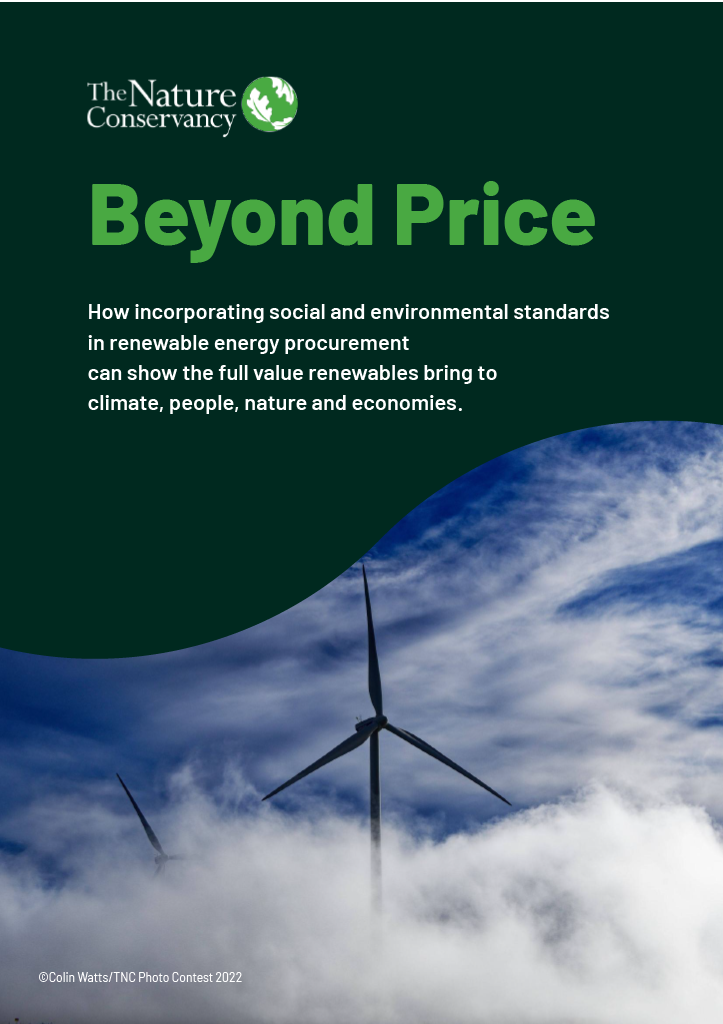
How incorporating social and environmental standards in renewable energy procurement can reveal the value to people, nature and economies.
DownloadRelated Reading

How to Build a Renewable Energy Future in Europe that Is Good for People and Nature
To go climate-neutral, Europe must accelerate its renewable energy. If we site solar and wind projects smartly, we'll reduce costs, conserve natural and cultural resources, and support equity.

Renewable Energy Smart Siting Guide: Portugal
The Smart Siting Guide: Portugal offers a practical roadmap for decision-makers, renewable energy actors and civil society for spatial considerations of a renewable energy future.

How Offshore Wind Can Restore Europe's Lost Oyster Reefs
Europe's offshore wind expansion offers a unique chance to restore native oyster reefs—uniting clean energy, climate action, and ocean habitat recovery.