

Community Nurtures Opportunity
In Kenya’s community conservancies, members are finding unique ways to improve their livelihoods.

In Westgate Conservancy, Juliana Lekilii, a 28-year-old mother of four, sits under the shade of a tree, joined by other women from the community. Around them, a tarp covered with beads and thread becomes a small workplace where the women sing songs while they string red, yellow, white, black, blue and green beads, weaving together intricate necklaces, earrings and bracelets.
The jewelry handcrafted by Juliana and her neighbors is sold by BeadWORKS, and the women earn an income for their handiwork. Juliana's income through beading, and other opportunities in the conservancy like selling grass seed harvested in a grassland management project, has empowered her to contribute to her household, support her family and even start a small business selling gasoline to motorcyclists who pass through Westgate.


Kenya’s Community Conservancies
Wildlife and people both benefit from the community conservancy model.
Explore“What my husband brings in on this hand, I contribute with the other hand,” Juliana said. “Now we solve our problems together, whether it is school fees for our children, hospital bills, food and every problem is solved easily because we’re now two hands.”
Kenya’s community conservancies create opportunities for employment and entrepreneurship for their members. Alongside their livelihoods in raising livestock, community members can generate income, whether it’s by working as a ranger protecting wildlife in the conservancy or by starting a small business to serve the needs of the community. Coming together also enables communities for form saving groups and micro-finance initiatives, helping members access funds to start businesses to support their families.
More from Community Conservancies
Youth: The Future of Conservation
Young people are central to conservation on Kenya’s rangelands, and they are seeing the benefits of community conservancies.
A Space Where Wildlife Thrive
In Maasai Mara’s community conservancies, people prosper and wildlife flourish.
Restoring Kenya's Grasslands
Healthy grass sustains livelihoods in Kenya’s rangelands.
Generations of Conservation
To create lasting change for people and nature, elders and youth share in the benefits of community conservancies.
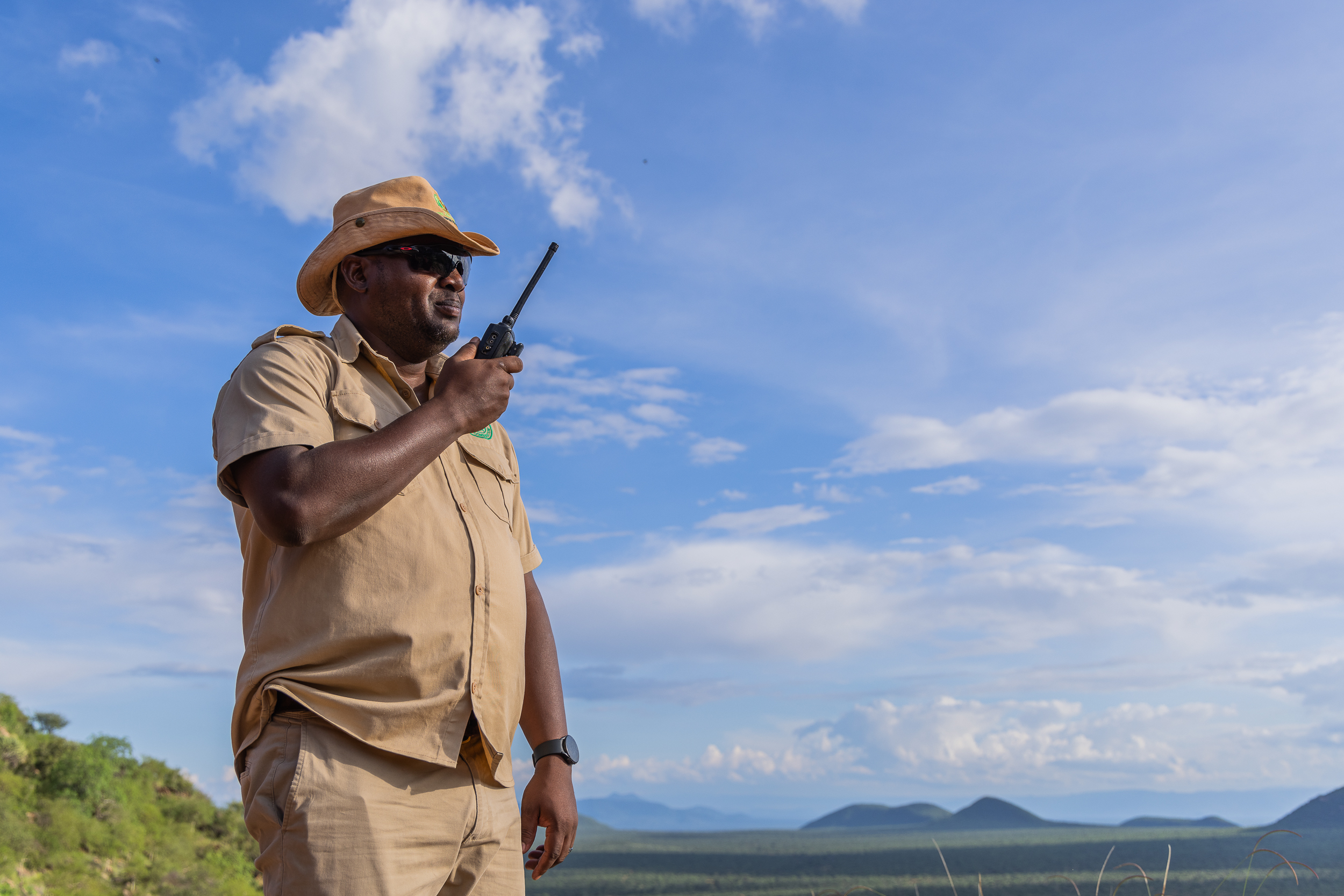
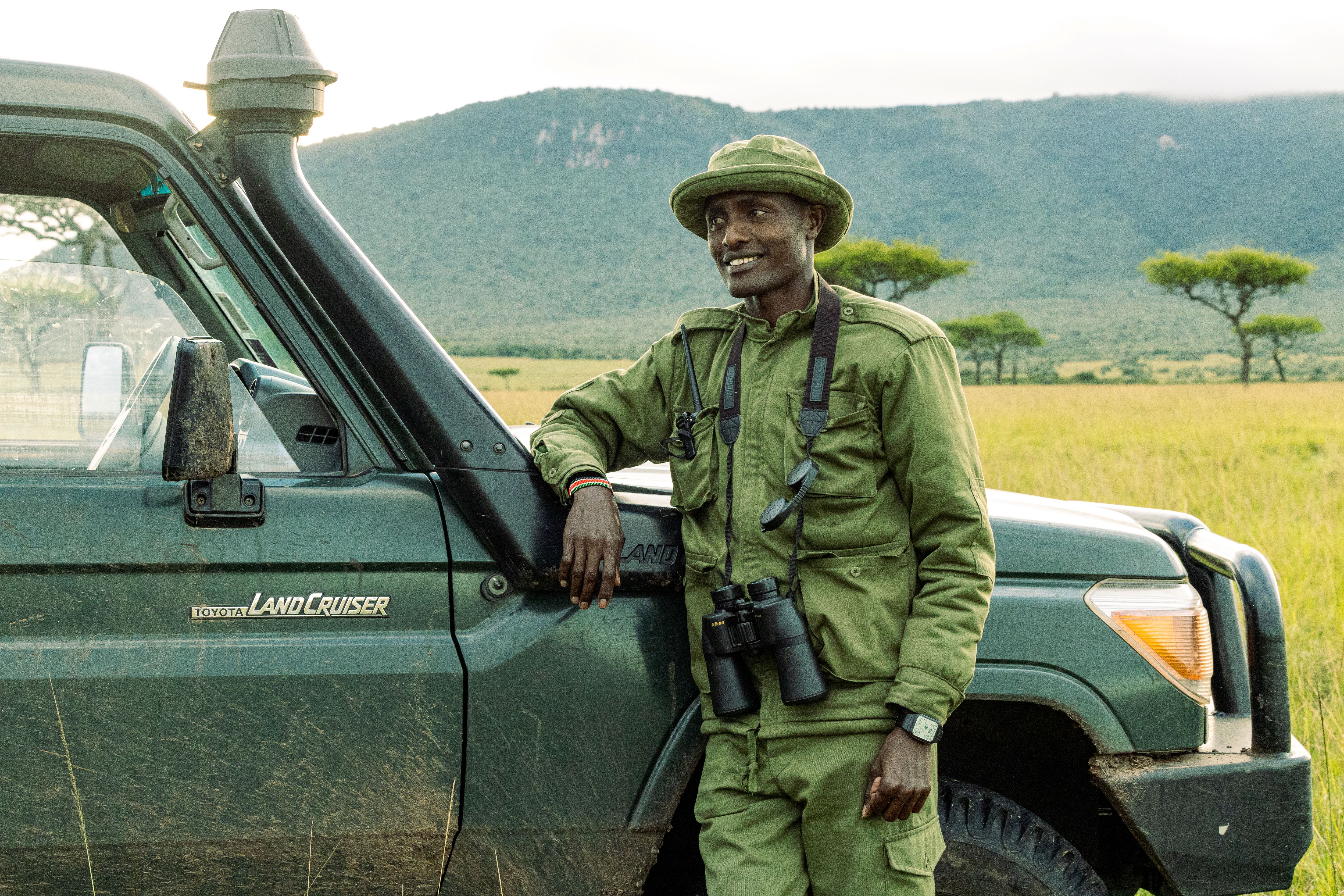
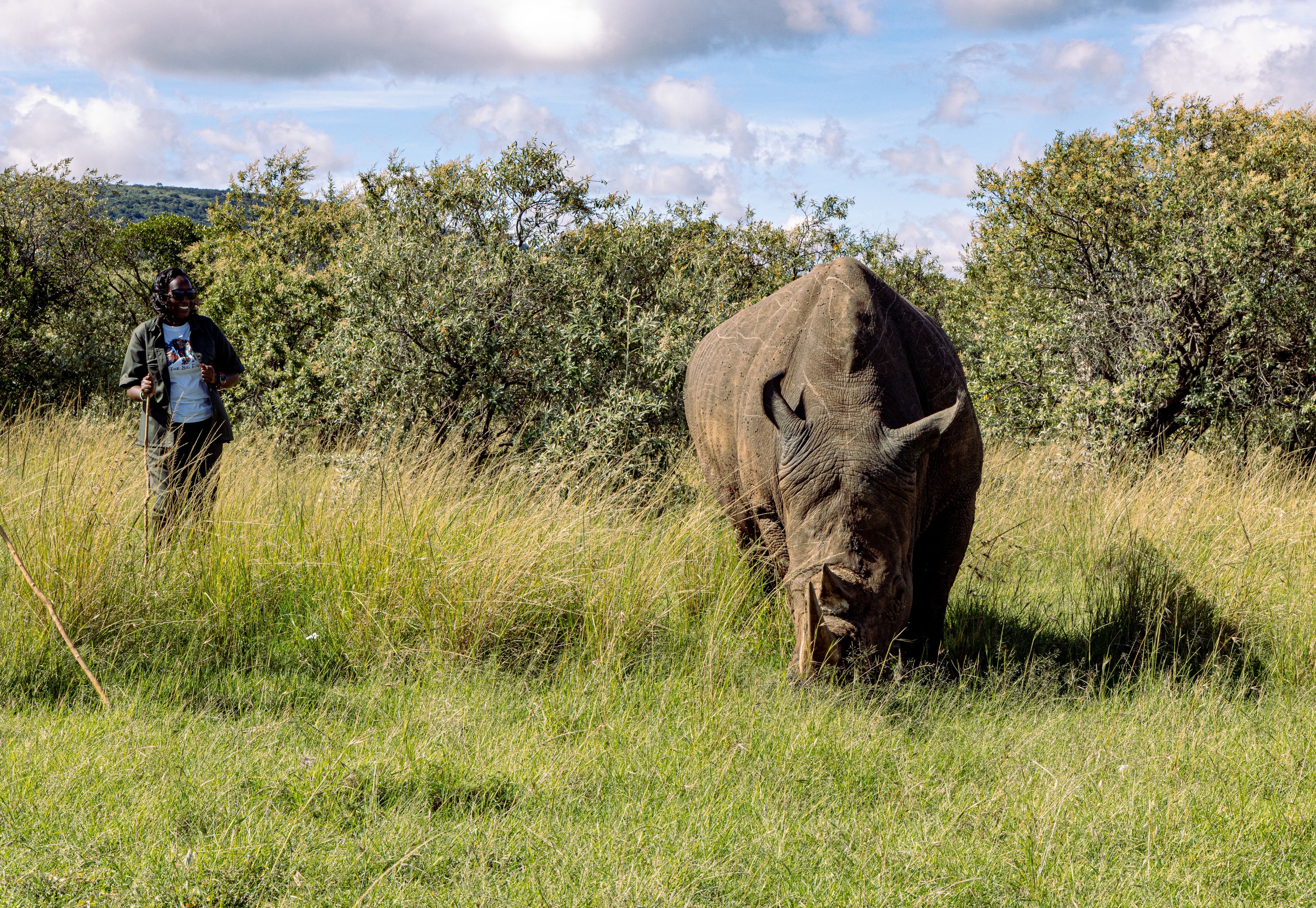
Meet other community conservancy members who have found ways to improve their livelihoods and their communities.
We Can’t Save Nature Without You
Sign up to receive monthly conservation news and updates from Africa.

Related Stories

Kenya’s Community Conservancies Are a Win for Nature and Livelihoods
On Kenya’s rangelands, both wildlife and people benefit from the community conservancy model.

Kenyan Communities Lead the Way in Conservation that Works for People and Nature
Where the majority of wildlife roam outside of parks, community conservancies provide critical land stewardship.

The Communities Behind Grassland Restoration
Healthy grass sustains livelihoods in Kenya’s rangelands.