

Western Dry Forests
Discover how we’re catalyzing restoration across the western U.S.

Spanning nearly 150 million acres across North America, western dry forests are vital to life in the West. Today, their health is rapidly declining as large, severe wildfires burn millions of acres each year—destroying habitat, threatening communities and depleting resources.
Building on more than 60 years of expertise in prescribed fire and forest management, TNC’s Western Dry Forests Program is leading and convening efforts to restore dry forest resiliency and reduce wildfire severity throughout the West.
Together, we can create a resilient future for western dry forests.
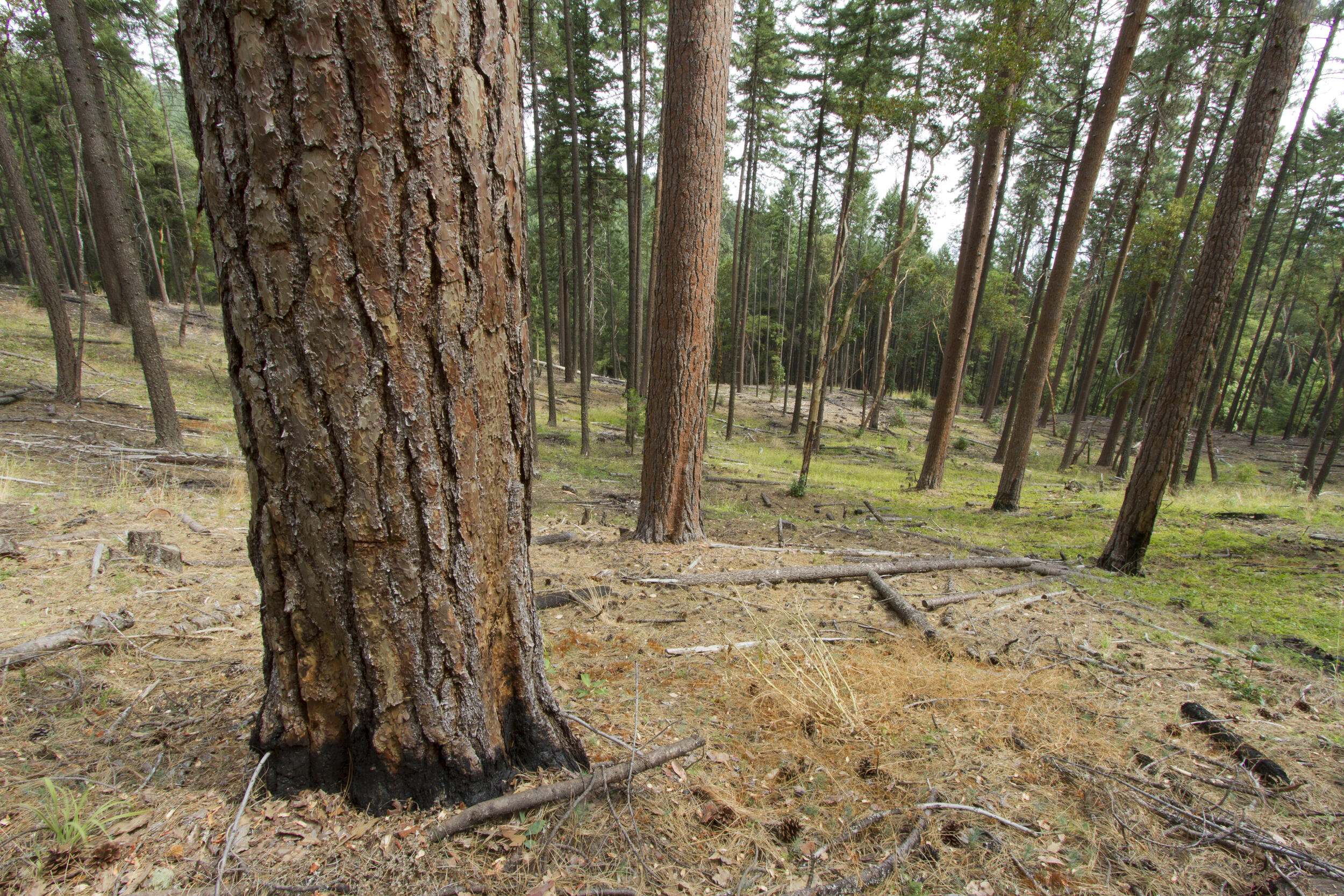
Western Dry Forests by the Numbers
-

12
Western dry forests grow across 12 U.S. states and two Canadian provinces.
-

4x
Without change, severely burned western forests are projected to quadruple by the mid-21st century.
-

72%
Together, thinning and prescribed burning can reduce wildfire severity up to 72%.
-

$7
Reducing wildfire risk in high-risk watersheds can return as much as $7 for every $1 spent.
Our Strategies
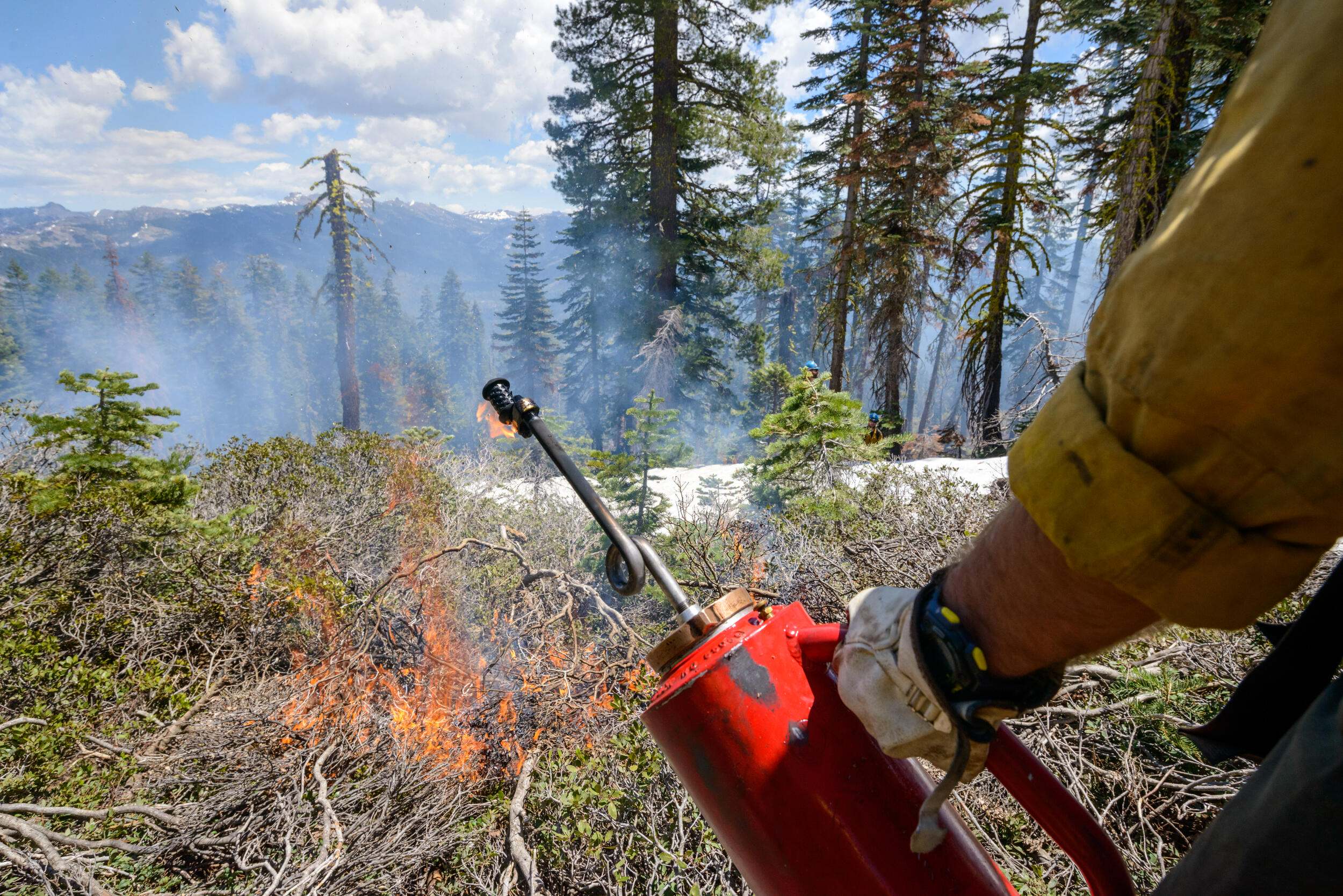
Ecological Restoration and Protection
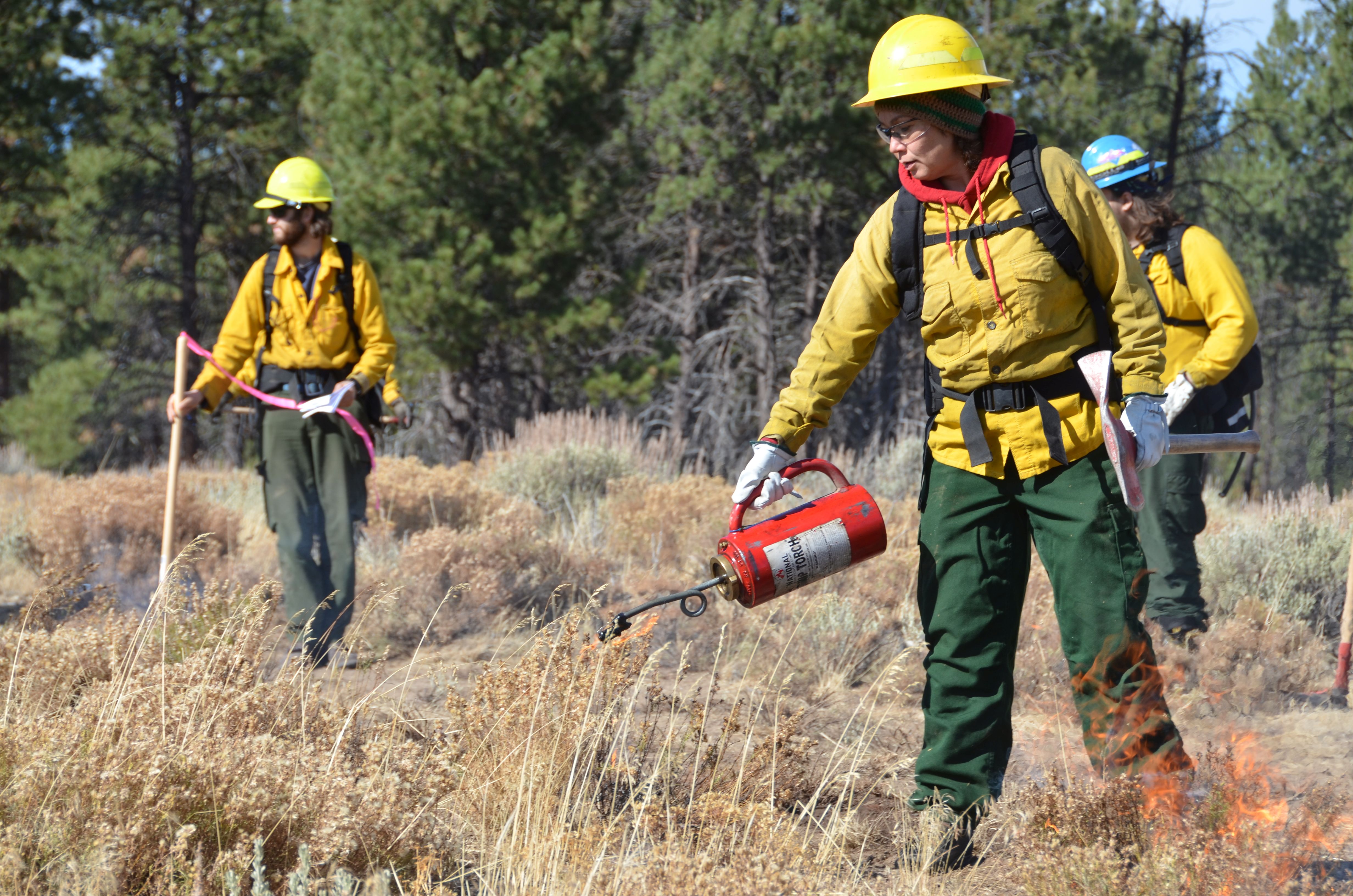
The Western Dry Forests Program is accelerating the pace and scale of science-informed restoration treatments for dry forests. Methods of ecological restoration include reducing overgrown forests through ecological thinning, controlled burning and cultural burning.
The program also strategically protects and connects fragmented forest landscapes, transferring them to community and Tribal partners when possible.

Cross-Boundary Collaboration
We collaborate with partners across the West to develop multi-state solutions aimed at restoring forest resilience.
Wildfire knows no boundaries, so neither should we. The program is advancing solutions designed to accelerate restoration across public and private lands, working alongside TNC’s state-based programs, landowners, decision-makers and experts toward a shared goal of restoring forests and improving community resilience.
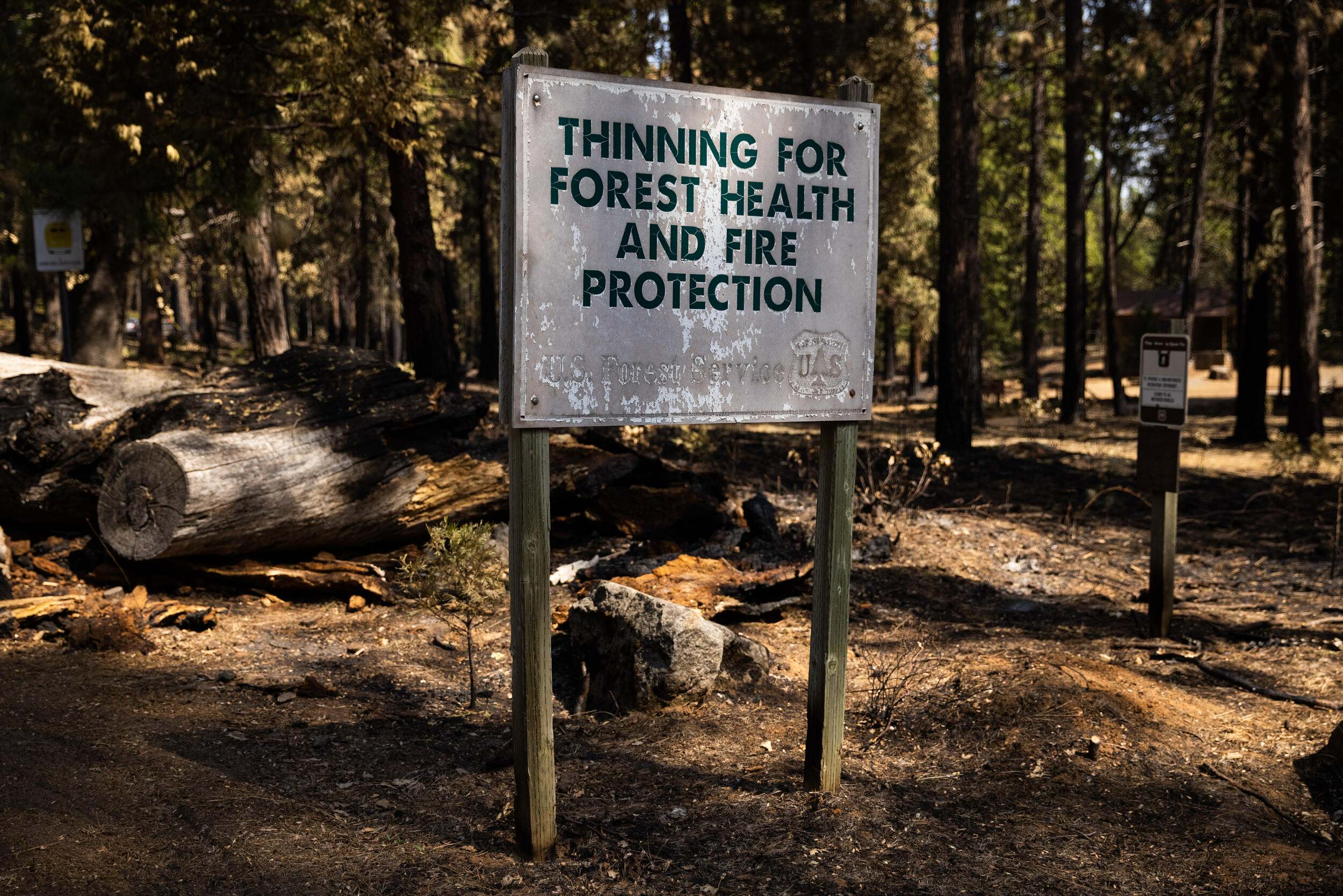
Policy Advocacy
We advocate for federal and state policies that direct sustained support toward forest restoration and climate resilience.
The program collaborates with TNC’s federal and state policy teams to design, advance and defend transformational regional and national policies designed to resource and remove barriers to ecological restoration.
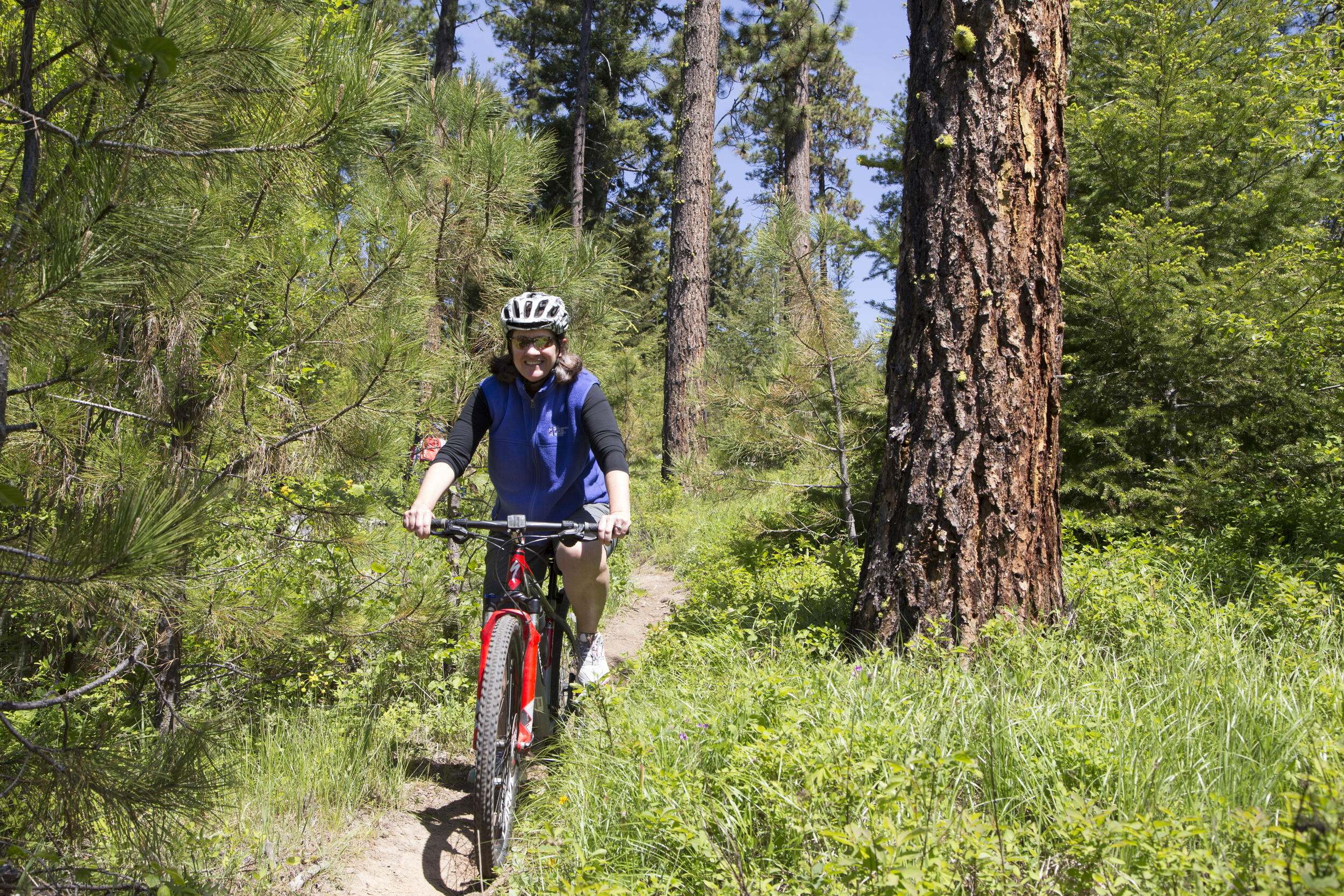
Community Engagement
We work to build public understanding and support for the ecological treatments needed to advance forest health and community well-being.
By collaborating with communities that live alongside forests and sharing information and stories about restoration, we’re focused on improving social relationships with prescribed burning and other ecological treatments.
Indigenous-Led Conservation
We collaborate with Tribes and Indigenous peoples, supporting efforts that respect and uphold Tribal Nations’ sovereign rights and facilitate Indigenous-led conservation – including the return of cultural burning.
Stay connected!
Sign up for monthly emails to discover conservation news, updates and opportunities to get involved near you.
Feature
From Overgrowth to Renewal
How Restoration is Transforming Western Dry Forests


