


Edge of Field Practices in Agriculture
A whole-farm, collaborative approach to working lands conservation.
Moving toward regenerative agriculture by improving nutrient management and soil health is critical—but in-field practices alone aren’t enough.
Farmers and nature both benefit by ensuring conservation at the edges of farm fields, too.
New Report
TNC researchers identify lands with the greatest opportunities for farmers and nature.
DownloadHow do we do this? With nature-based and engineered solutions installed at the borders or within farm fields—where farmland meets waterways, wetlands or other natural areas. These edge of field (EoF) practices help manage water, filter nutrients and sediments and deliver an array of benefits for farmers and communities.
Why Edge of Field Practices?
Many farmers have low yielding field areas that are often unprofitable, so converting those areas to EoF practices would instantly improve field profitability, while providing environmental benefits:
-

Clean Water
Reduce nutrient runoff and improve downstream water quality.
-

Soil Protection
Minimize erosion, keep valuable topsoil in place and regulate soil moisture.
-

Wildlife Habitat
Provide refuge for pollinators, birds, and other beneficial species.
-

Flood Resilience
Help manage excess water during floods.
-

Climate Smart
Promote carbon sequestration in vegetation and soils.
Types of Edge of Field Practices
Depending on a farmer’s needs and local conditions, there are a number of EoF practices that can be installed. Once established, these practices require little hands-on management, and when paired with in-field soil health and nutrient management practices, farmers and their communities can achieve both economic and environmental benefits.
EoF practices include:
-
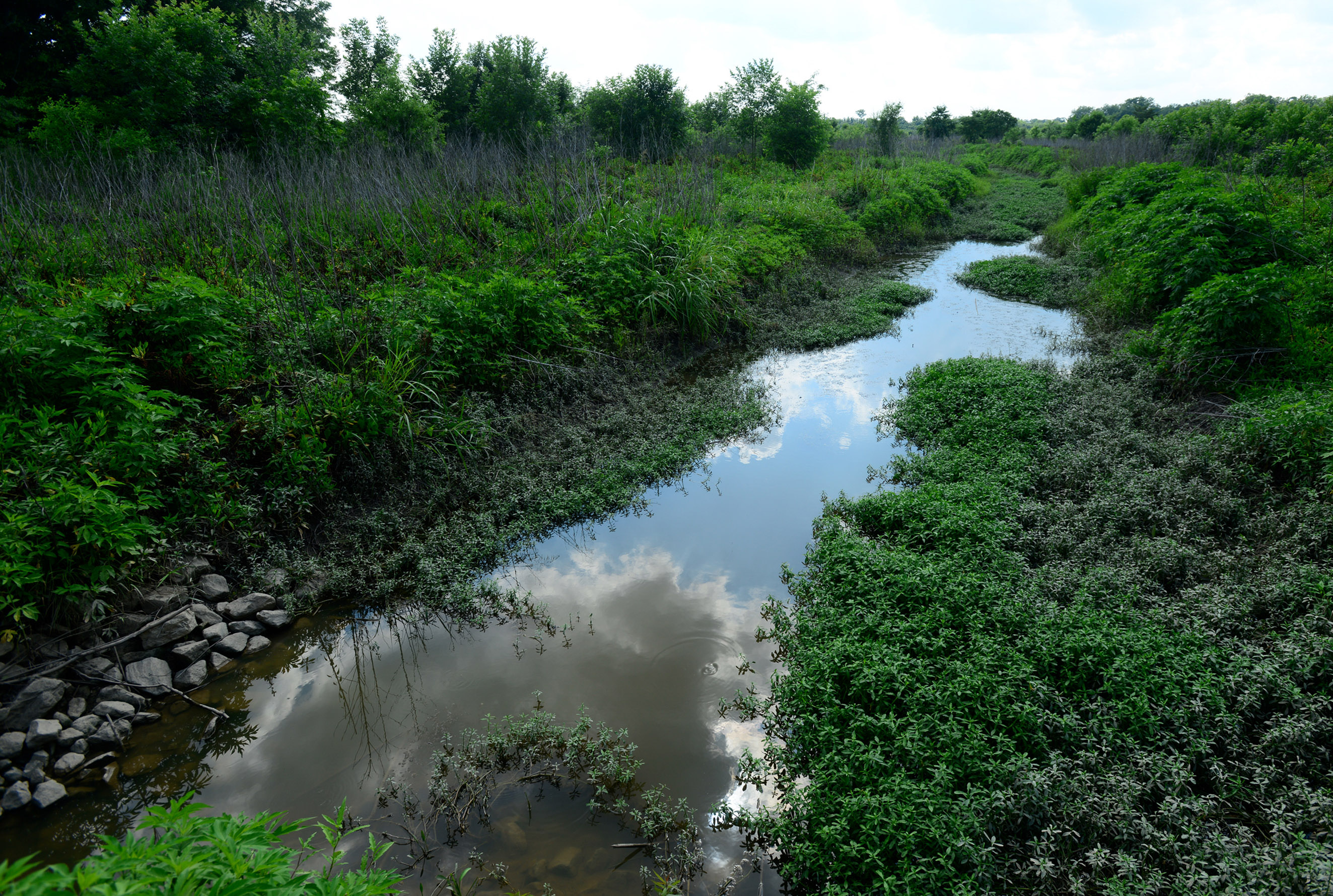
Vegetated Buffers
A vegetated buffer provides a transition zone between the crop field and a water feature. Vegetation in the buffer slows surface runoff, filters pollutants and reduces erosion. Examples include filter strips, field borders and riparian buffers. More on vegetated buffers.
-
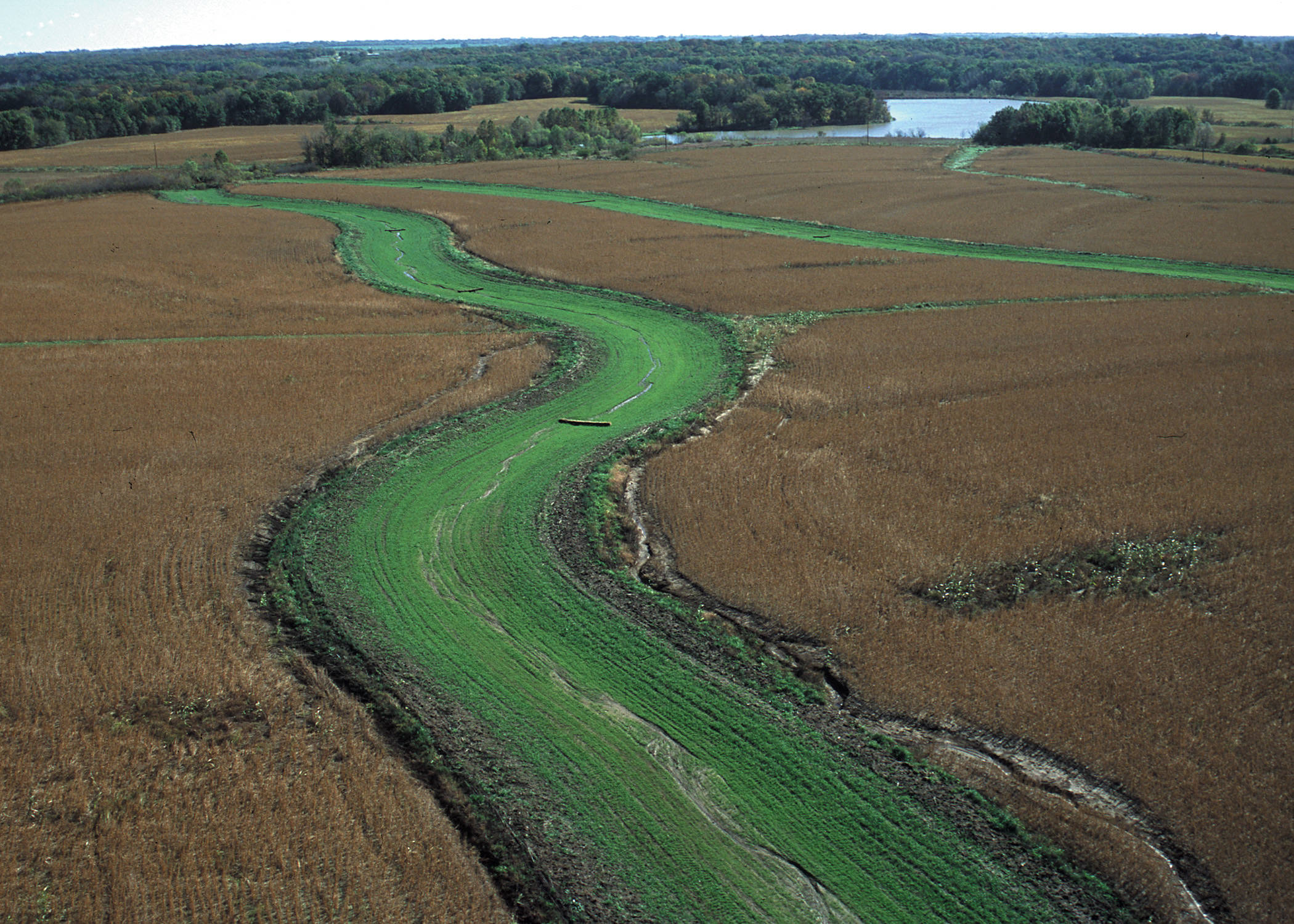
Grassed Waterways
A grassed waterway is an erosion control practice that provides a stabilized flow path for water through a farm field. More on grassed waterways.
-
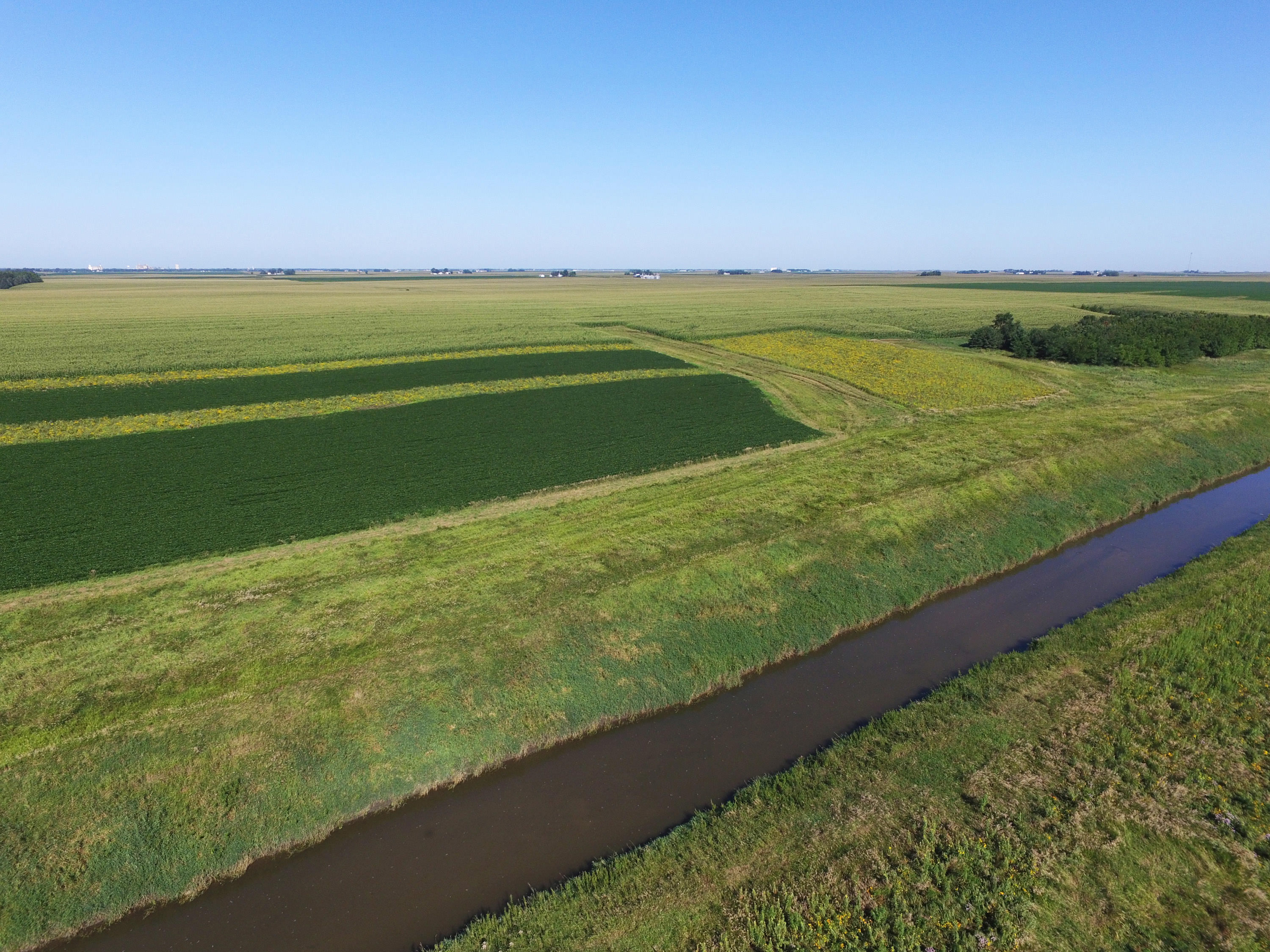
Prairie Strips
Prairie strips integrated with or planted at the edge of crop fields reduce nutrient and sediment loss while benefitting birds, pollinators and other wildlife. More on prairie strips.
-
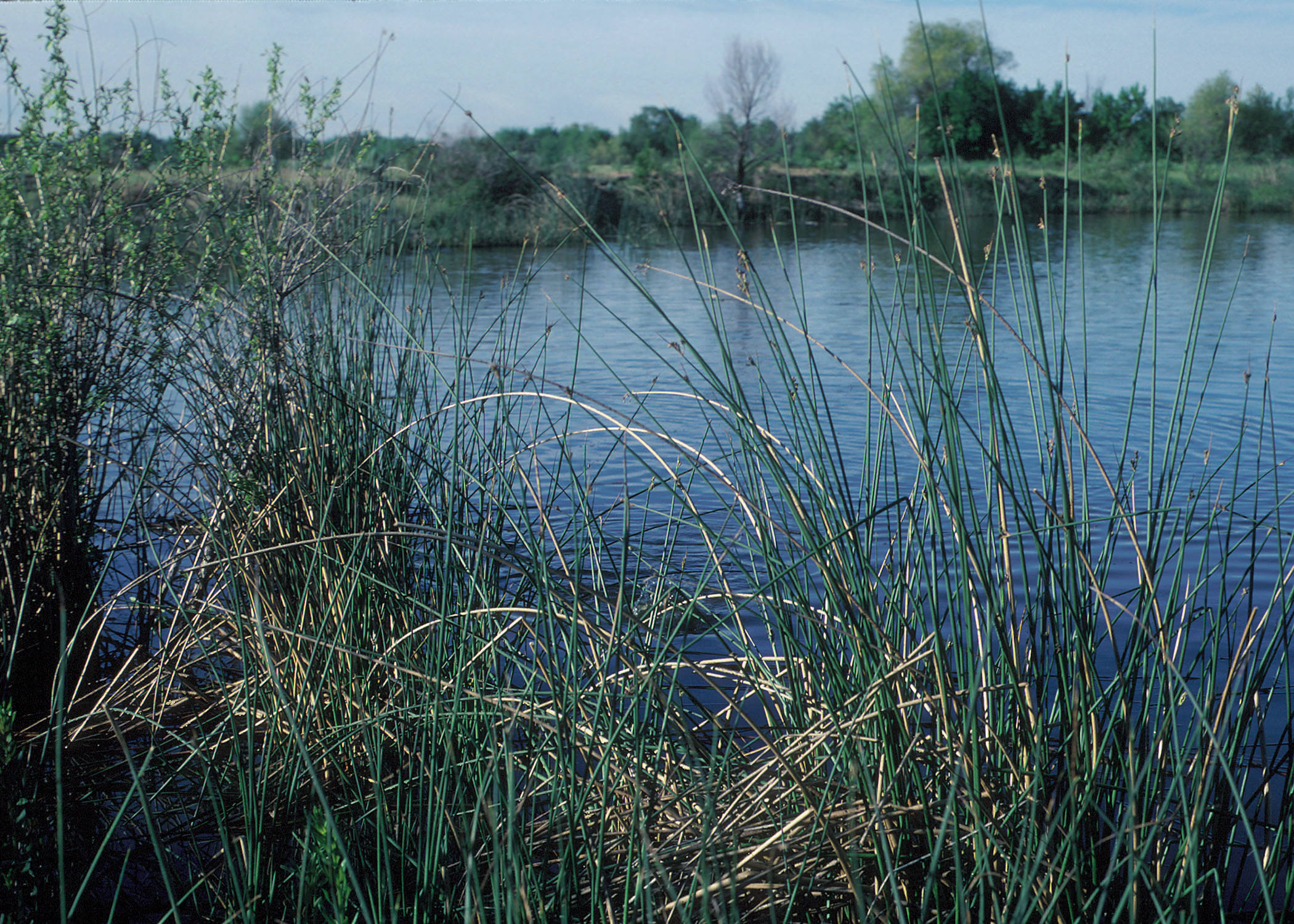
Wetland Restoration
A restored wetland recreates, to the extent possible, the hydrology, topography, native vegetation, processes and functions of a historically occurring wetland. More about wetland restoration.
-
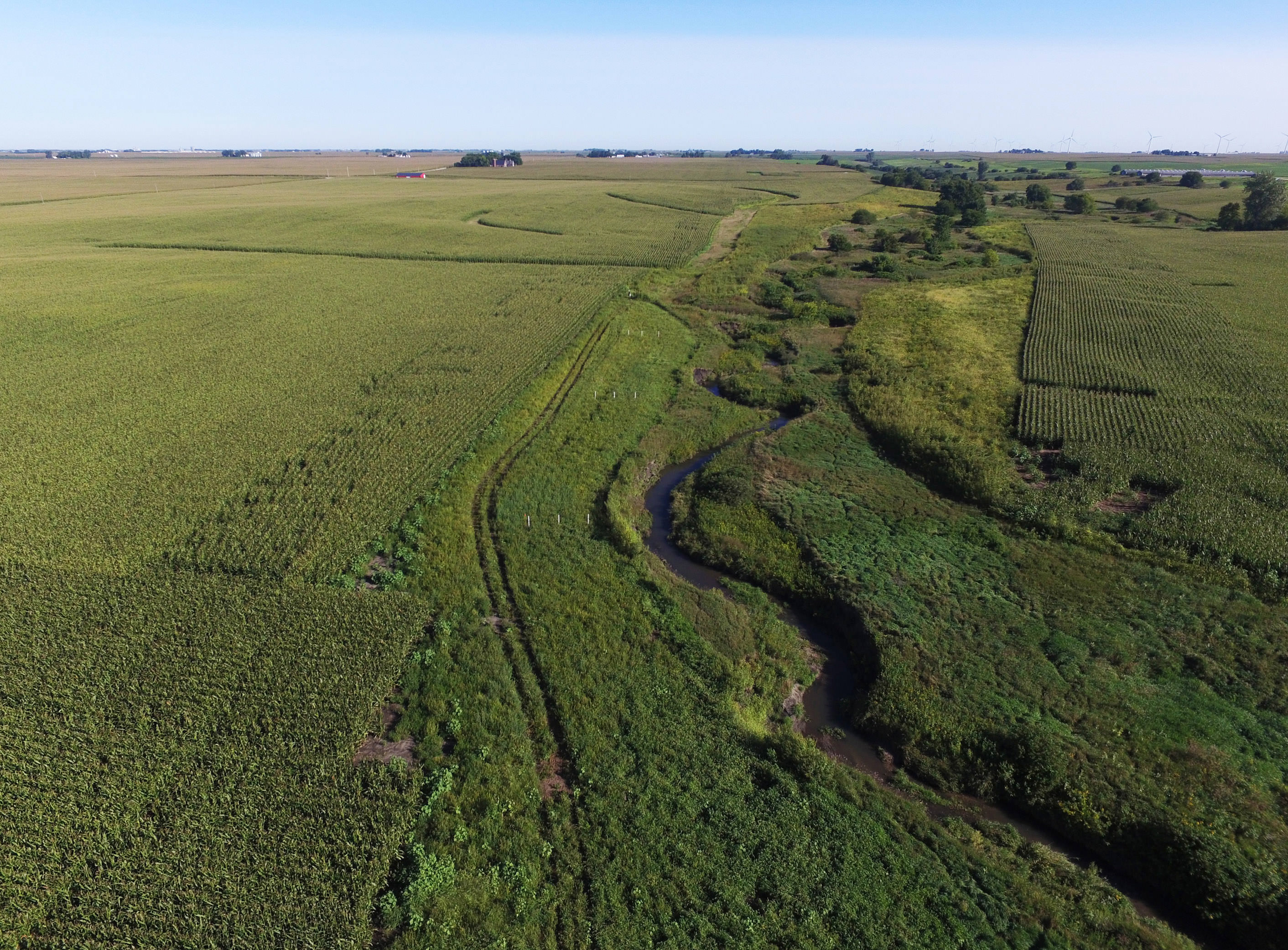
Saturated Buffers
A saturated buffer resembles a traditional buffer, but it is designed to capture and treat water from underground tile drains. As water seeps slowly through the buffer, high organic matter in the soil promotes denitrification. More about saturated buffers.
-
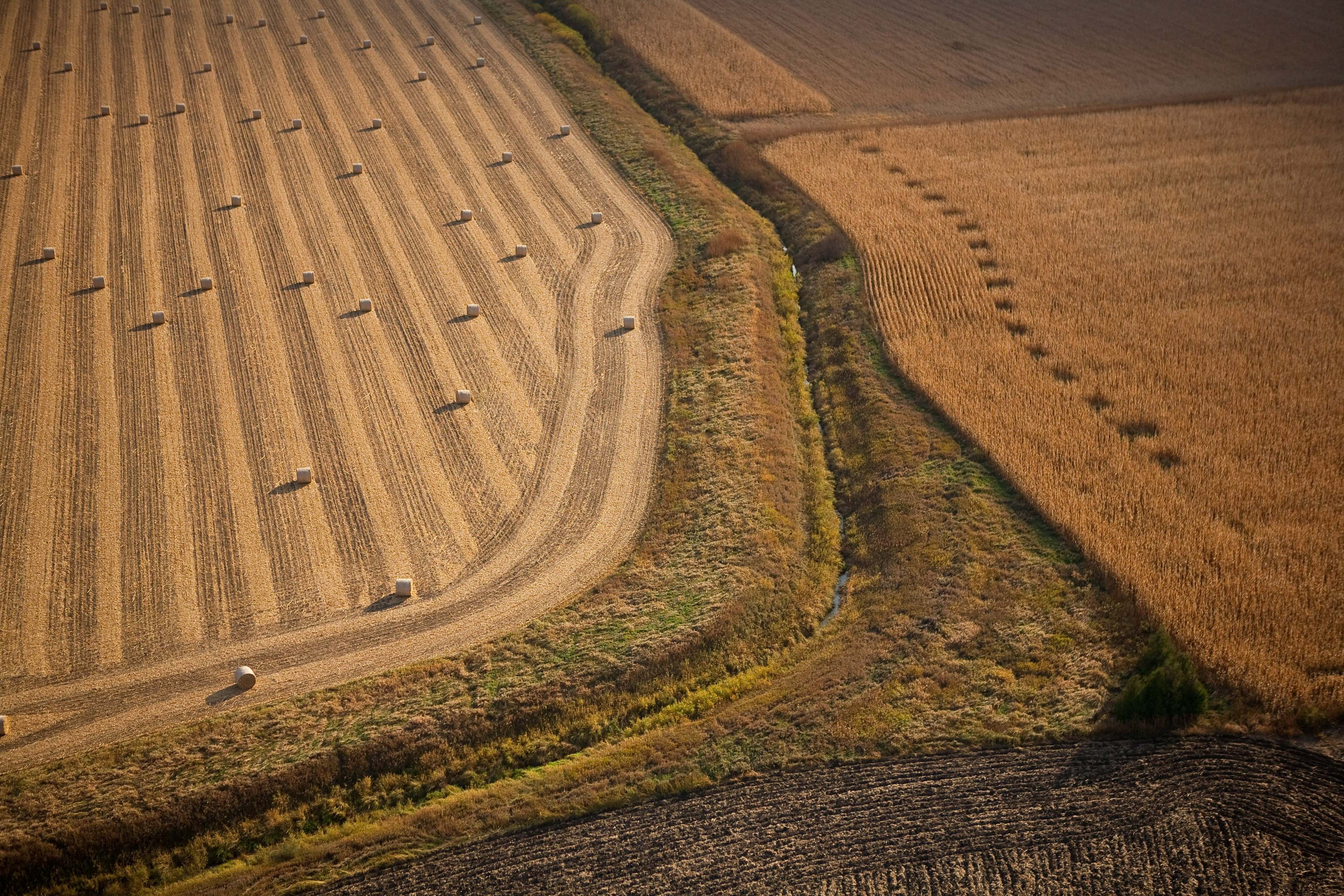
Two-Stage Ditches
A two-stage ditch is a trapezoidal drainage ditch with added floodplain benches that slow-water flow and promote sediment and nutrient retention and bank stability. More on two-stage ditches.

Explore Our Work
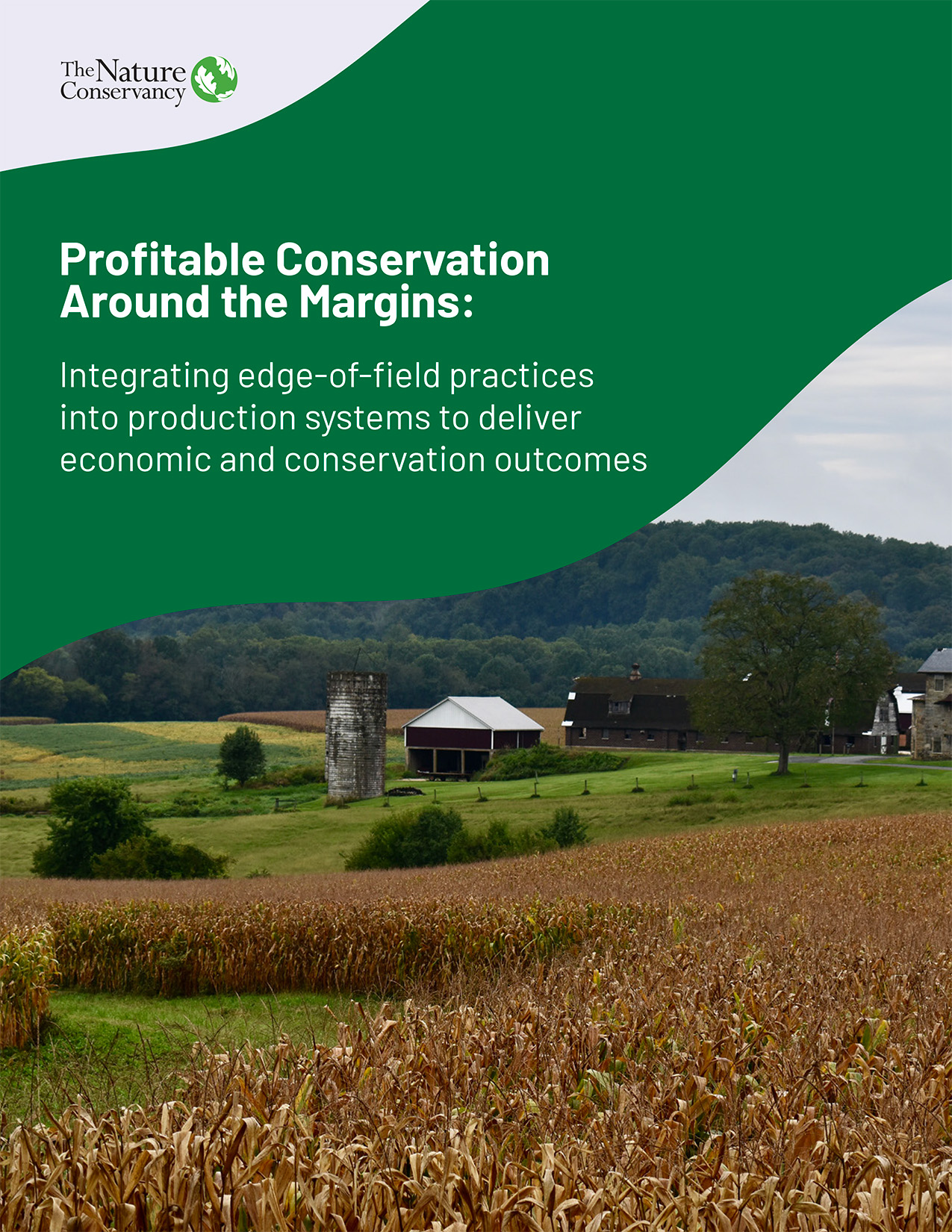
Profitable Conservation Around the Margins
TNC’s recent report, Profitable Conservation Around the Margins, identifies acres that both provide valuable ecosystem services when restored and benefit farmer’s bottom line. Based on farmer input, the authors provide recommendations on how to accelerate EoF adoption.
Edge of Field Roadmap
In 2020, TNC, Soil and Water Conservation Society (SWCS) and Meridian Institute convened 26 senior leaders from agriculture, the supply chain, civil organizations and former government officials. The result was a call to action for collaborative solutions to increase incentives, expand technical support and build acceptance

Many of the photos on this page came from the Soil and Water Conservation Society’s Conservation Media Library, a multimedia resource for images, videos, factsheets and other resources. The library is open to all, and the materials can be downloaded and circulated free of charge. SWCS is a close TNC partner in our work to expand the use of edge of field practices on U.S. farmland.
More on Soil & Farming

Filtering Out Phosphorus
Like a giant water filter, phosphorus filter beds help reduce runoff from fields with high dissolved phosphorus concentrations.

Farmers at the Forefront of Sustainable Agriculture
Seven farmers share how they’re creating a lasting legacy for their family, their communities and nature.

Rethinking Soil, Reinvesting in Our Foundations
See how innovations in farming can protect our lands and waters and store carbon.