

Life Colour Lush green mangroves line the mud flats accentuated by the tidal waters and months of rain filling the artesian basin. Gulf of Carpentaria in tropical north Queensland. © Scott Portelli/TNC Photo Contest 2021
Life on Earth is possible because of Natural Intelligence. Across four billion years, nature has created vast and powerful operating systems that provide the air we breathe, the water we drink and the food we eat. These dynamic and resilient forces are behind every drop of water that joins a rushing river, every seed that grows into part of a forest and every great migration that returns from generation to generation. Natural Intelligence existed long before humans walked the Earth. It designed the foundations our civilizations are built upon—and it must be the foundation of our future as well.
For more than 75 years, The Nature Conservancy (TNC) has invested in strengthening these systems—protecting, restoring and rewilding the Natural Intelligence that sustains life on our planet.
Natural Intelligence
The best ROI on Earth...is Earth.

The results are clear: abundant, thriving nature is the most powerful and proven investment we can make.
The return of free-flowing rivers helps salmon populations recover, bolstering a fishery that generates approximately $1.4 billion in economic activity in California alone. The development of sustainable farming in Brazil supports livelihoods while protecting the Amazon Rainforest, which makes up one-fifth of the world’s forests and the clean air they produce. The preservation of wild coastlines across California allows people to embrace the beauty of life on the Pacific while also buffering our communities from flooding and sea-level rise.
While the challenges our planet faces are daunting, solutions are all around us.
Natural Intelligence
Our lives depend on it.

Natural Intelligence in Action
Here are just a few examples of what Natural Intelligence looks like in action and how TNC is working to strengthen these systems to support all of life on Earth.
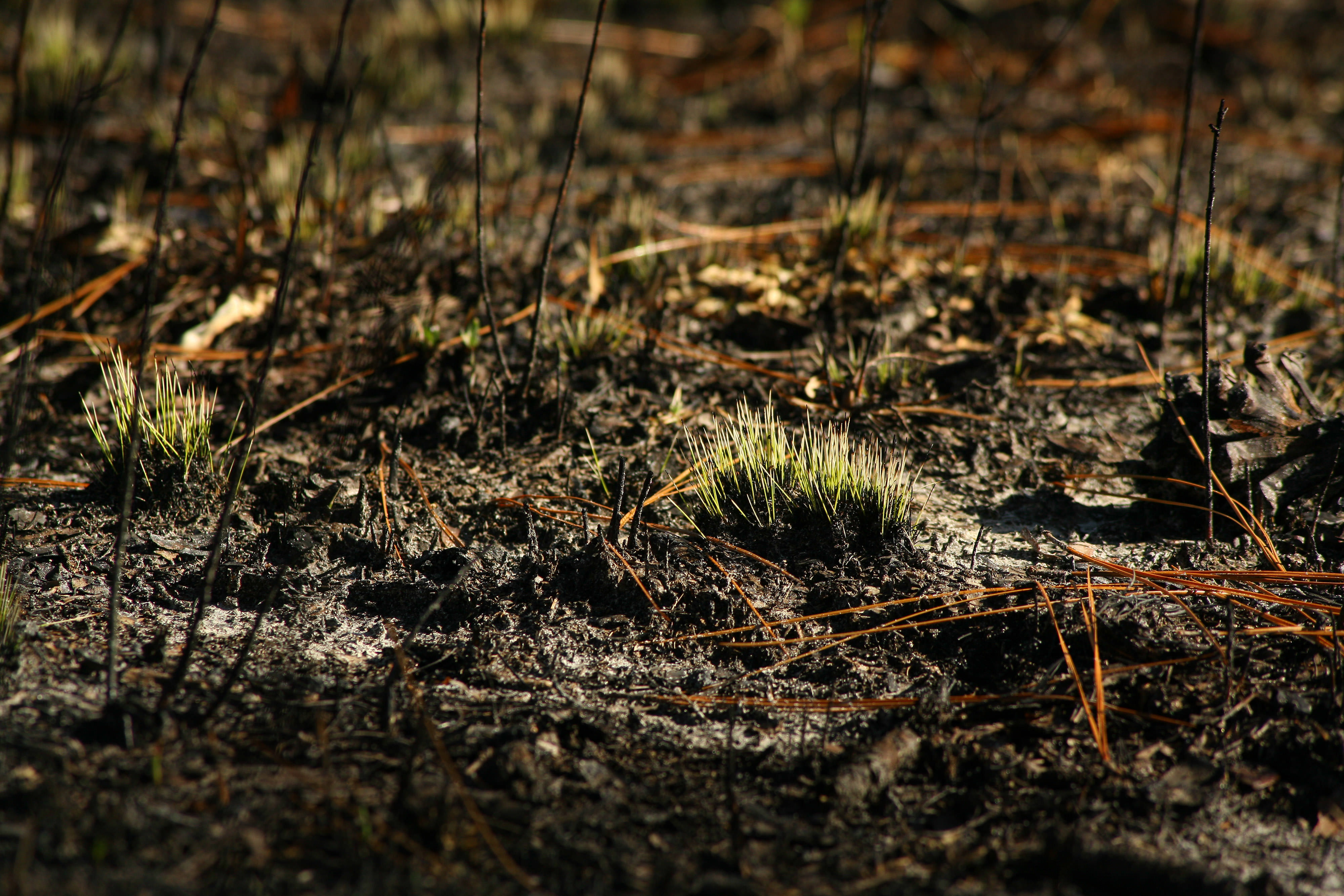
Climate Solutions Are Growing Right in Front of Us
As the world grapples with climate change, some of our most powerful climate solutions are right in front of us: our forests. Forests are vast, interconnected systems that take in carbon dioxide and produce oxygen, part of an ancient system that kept Earth’s climate in balance for millennia.
From protecting standing forests to planting new trees, forests are one of our planet’s most powerful ways to sequester carbon. For example, experts at TNC, the World Resources Institute and other institutions mapped potential rates of carbon capture from “natural forest regrowth,” where trees are allowed to grow back on lands previously cleared for agriculture and other purposes. The results show that letting forests regrow naturally has the potential to absorb up to 8.9 billion metric tons of carbon dioxide from the atmosphere each year through 2050 while still maintaining native grasslands and current levels of food production.
That’s the equivalent of soaking up one-quarter of global fossil fuel emissions from the atmosphere every year. This is on top of the carbon sponge already provided by existing forests, which currently absorb around 30% of fossil fuel emissions each year.
And, of course, this is just one way that forests demonstrate Natural Intelligence. They also create and store clean water, provide habitat for iconic wildlife and can even help reduce the risk of catastrophic wildfires—because all these natural systems are interconnected.
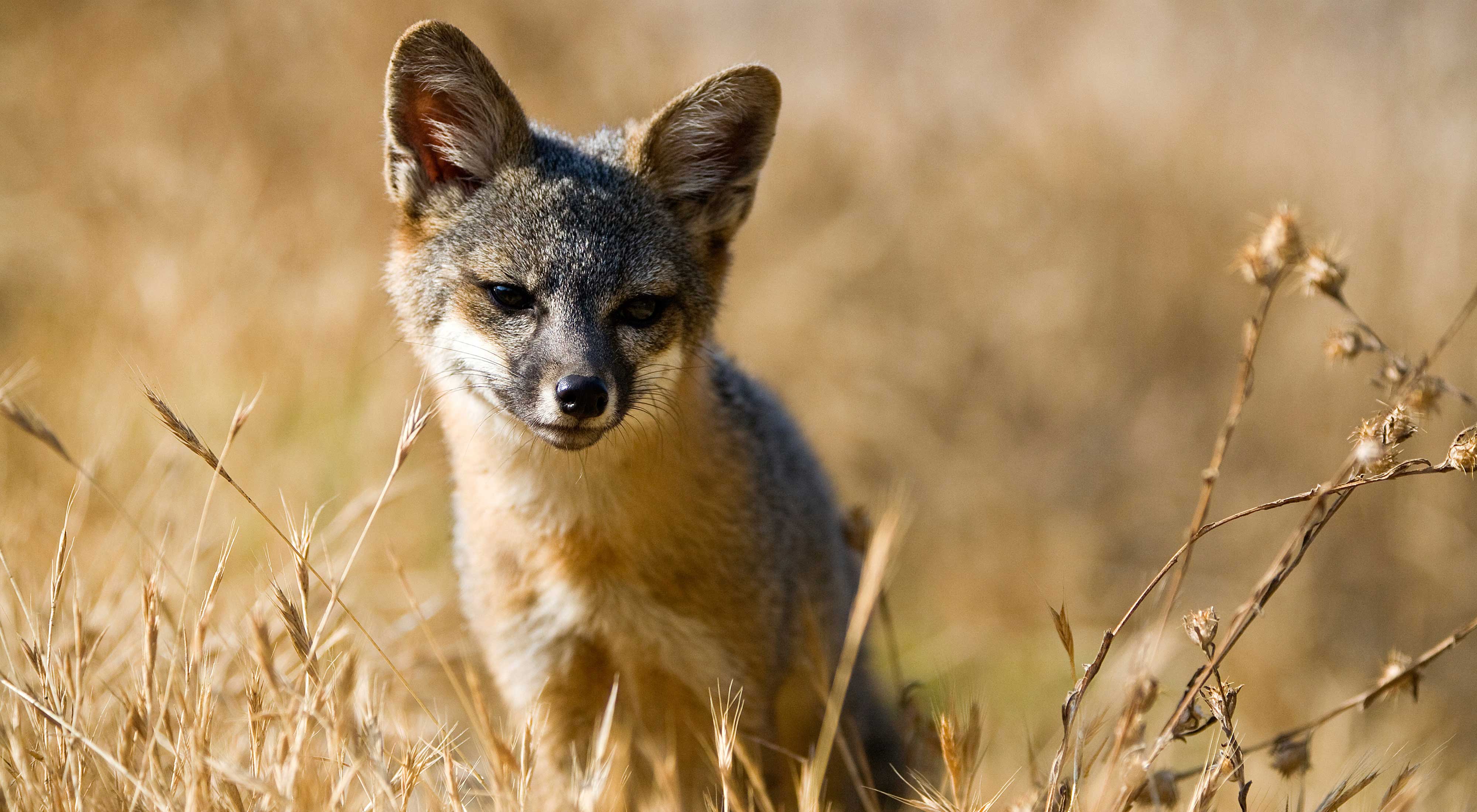
Changing the Trajectory from Extinction to Historic Success
Nowhere is it easier to see the intricacies of Natural Intelligence than on islands. Because of their remoteness, the isolated development of species over time leads to incredibly unique ecosystems, many including rare plants and wildlife found only in one spot on our planet. However, that same isolation also makes many of these natural systems highly vulnerable to impacts from invasive species and climate change. Today, 60% of extinctions occur on islands.
Yet there is hope. If we are able to remove the sources of these disruptions, many species are able to make astonishing recoveries as these interconnected natural systems are able to restore the balance that developed over millions of years. This is what TNC and our partners demonstrated at Santa Cruz Island in California.
When The Nature Conservancy purchased most of Santa Cruz Island in 1978, it was an island in crisis. Feral pigs and sheep—descendants of introduced domestic livestock—had overgrazed the island, severely altering its natural systems and landscape. At the same time, the island’s native bald eagles, which are highly territorial and prey on fish, had been wiped out by DDT. A new island predator—the golden eagle—moved in from the mainland to prey on piglets and island foxes, wiping out 95% of the Santa Cruz Island fox population in less than a decade.
The Nature Conservancy worked with its partners—the National Park Service, U.S. Fish and Wildlife Service and the Department of Fish and Game—to engage in an intensive, science-based restoration program to save the island fox and revitalize the natural communities of Santa Cruz Island.
As part of this effort, feral sheep and pigs were removed and golden eagles were captured and relocated to the mainland. Meanwhile, people around the country came together to ban DDT, allowing bald eagles and many other species to avoid extinction. Bald eagle chicks were reintroduced to Santa Cruz Island and carefully raised and released into the wild.
Efforts to restore the fox population were initiated in 2002, and the fox program has been heralded as one of the fastest and most successful endangered species recovery programs in the country. Today, the island is free of non-native animals, and many native species are flourishing.
While the story of Santa Cruz Island demonstrates the costs of disrupting natural systems, it is also a testament to the transformative power of working with Natural Intelligence to protect our world.
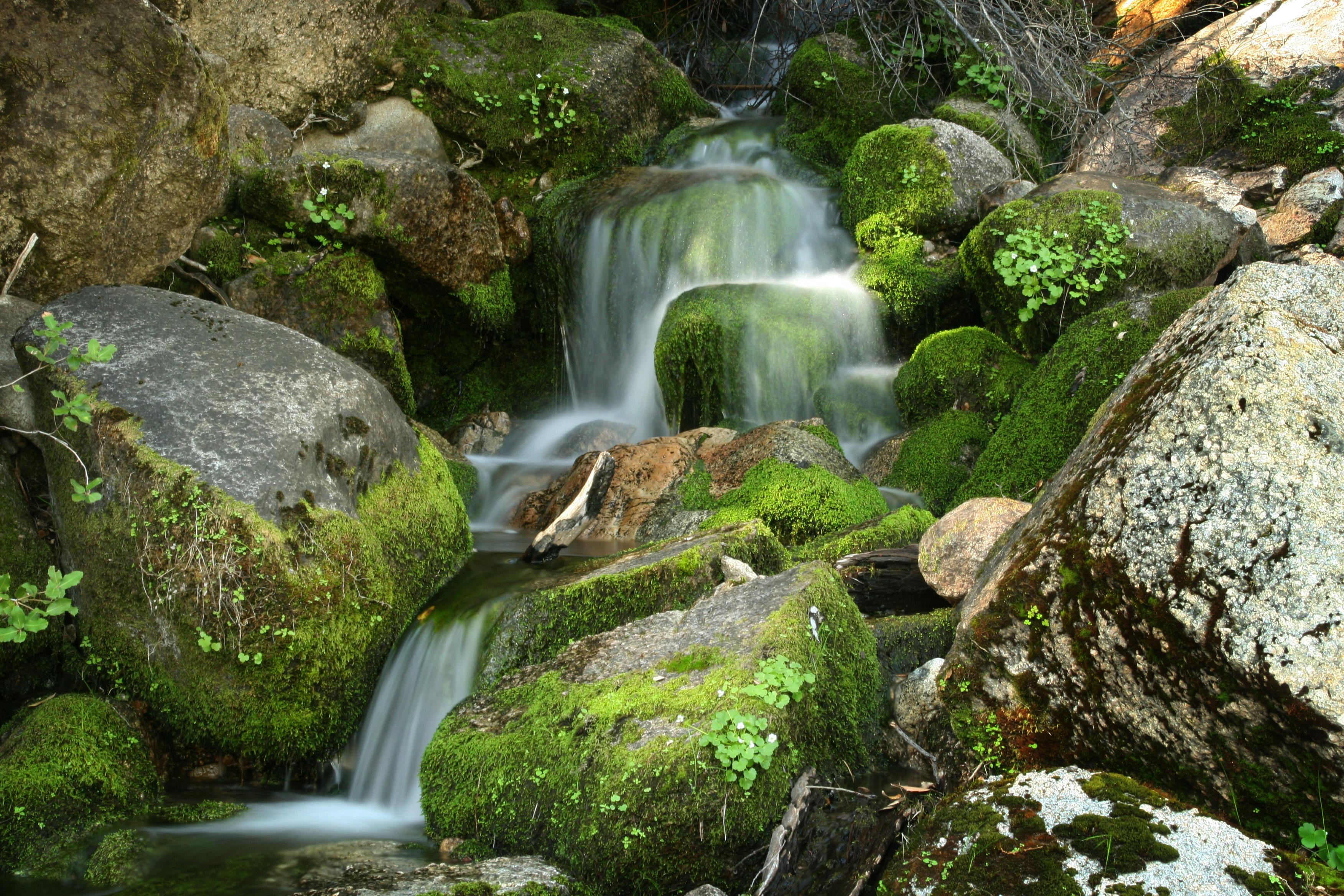
Water Is Life—Let’s Protect It
California faces a water crisis. About 85% of Californians depend on underground water (known as groundwater) for some portion of their water supply. In a wet year in California, aquifers provide 40% of the water people use—in dry years, that number jumps to 60%.
Unfortunately, in many places, people are pumping this groundwater faster than rain can replenish it. Along with droughts, the unsustainable pumping of groundwater is leading to drinking water shortages and declining water quality for disadvantaged communities.
These issues are felt deeply in the agricultural hub that is the San Joaquin Valley, and a changing climate is only making things more difficult, as drier conditions mean that once-fertile farmlands now lie fallow. In the years to come, retirement is likely for many more agricultural lands due to lack of water or poor soil conditions. Without any vegetation on the land, abandoned fields lead to increased dust and contribute to the southern San Joaquin’s air quality issues, which are already some of the worst in the nation.
Leveraging Natural Intelligence can help the San Joaquin transition to a more sustainable future. By planting a mix of native alkali desert scrub, wildflowers and non-native grasses that can be easily scaled to cover vast acreages, TNC and partners are looking to develop a cost-effective, low-water method to bring natural systems back to the land. If portions of retired agricultural lands become desert habitat, they can help the Valley reach groundwater sustainability, reduce dust pollution, recover threatened and endangered species and create new economic opportunities in the region.
You May Also Like

California
Our mission is to protect the lands and waters on which all life depends. We're working in California to do just that.

Grow Your Legacy for Conservation in California
Protect the places you love for the people you love with The Legacy Club.

California: Climate Change Solutions
Nature is essential in fighting climate change. TNC is making sure we’re harnessing its power for a more resilient California.