


Description
Ordway Prairie Preserve protects a vibrant mix of prairie, wetlands and woods—part of a once vast grassland system that covered millions of acres across the Midwest. Today, less than 1% of Minnesota’s original prairie remains.
The history here runs deep, like the roots of the prairie grasses. The rolling and rocky hills, known as knob and kettle terrain, were shaped more than 10,000 years ago by the ice, melting water and sediment from glaciers. Ordway Prairie is part of Mni Sota Makoce, the Dakota homeland, and Dakota people maintain a deep and enduring connection to this land. Before The Nature Conservancy acquired this land, the arrival of non-Native settlers and the expansion of agriculture all left lasting marks on the prairie.
Why this place matters
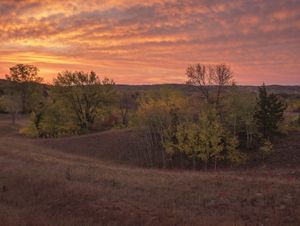
Ordway Prairie is one of the best remaining examples of Minnesota’s prairie-forest transition zone, where grasslands and woods meet and compete. Its relatively intact habitat—and the species it supports—make it a priority for protection.
Grassland birds, in particular, depend on large, open areas like this that are increasingly rare. Across Minnesota, these birds have declined sharply in recent decades as prairie has been converted to cropland and fragmented.
Caring for the prairie
Ordway Prairie was assembled in the 1970s with support from conservationist Katharine Ordway, whose vision helped protect tens of thousands of acres of prairie across the Great Plains.
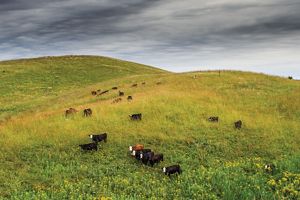
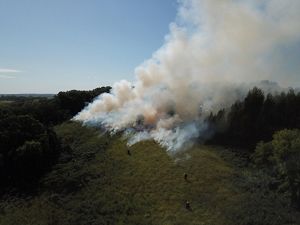
Today, The Nature Conservancy actively manages the preserve using a combination of prescribed fire, mowing, grazing, tree removal and restoration planting. Fire is especially important—it has shaped prairie ecosystems for thousands of years and continues to help keep trees and invasive species from taking over.
These efforts reflect both modern ecological science and long-standing Indigenous stewardship practices that sustained prairie for millennia.