
interstitialRedirectModalTitle

interstitialRedirectModalMessage

Find Events

Idea of Nature Lecture Series

Idaho

View of Boise river with rocks on the river bank.
Winter on the River Steam rises off of the Boise River © Neil Crescenti

Overview

Event Overview

Sponsored in part by The Nature Conservancy, the goal of the The Idea of Nature lecture series at Boise State University is to promote interdisciplinary inquiry about the environment and to foster dialogue across the campus and community.

These lectures are free, open to the public and you can attend in person or on Zoom! Register here (webinar link and parking instructions will be sent to you at a later date).

February 12: “Entangled Lives: How Fungi Make Our Worlds, Change Our Minds and Shape Our Futures” by Merlin Sheldrake
March 12: “Thinking Like a Seed” with Casey O'Leary
April 23: “The Burning Earth” with Sunil Amrith

See full details below, and more information is available here.

Various fungi grow in clumps on a tree.
Fungi Various fungi cover fallen logs across the forest floor at Brown's Lake Bog. © Danae Wolfe/TNC

February 12, 2026

Entangled Lives: How Fungi Make Our Worlds, Change Our Minds and Shape Our Futures

Merlin Sheldrake, biologist, speaker and New York Times best-selling author

Thinking about fungi makes the world look different. Most fungi live out of sight yet make up a massively diverse kingdom of organisms that support and sustain nearly all living systems. Fungi throw our concepts of individuality and even intelligence into question. They can change our minds, heal our bodies and help remediate environmental disaster. In this talk, Merlin will discuss the ways these extraordinary organisms—and our relationships with them—change our understanding of the planet on which we live and the ways that we think, feel and behave.

Close up of different seeds in a person's hand.
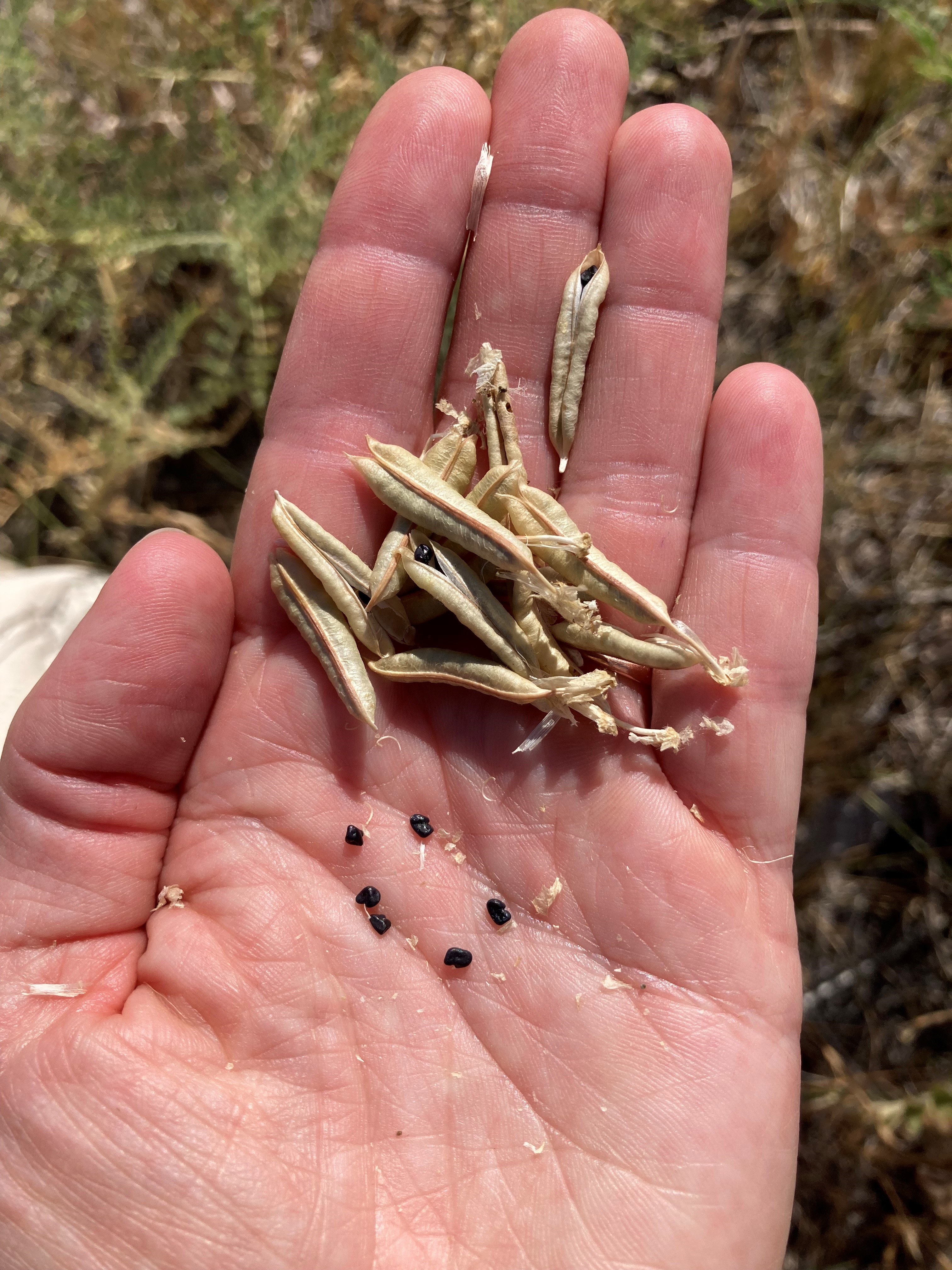
Seed Collection Milkvetch seeds collected as part of native plant growing efforts. © Maggie Eshleman/TNC

March 12, 2026

Thinking Like a Seed

Casey O’Leary, Co-Founder, Snake River Seed Cooperative and Director of Taproots Farm Hub

What can seeds teach us about adapting to change and uncertainty? What does a forest show us about cooperation and belonging? Turning to the natural world as a rigorous field of study not only offers us an endless well of intrigue, but also solutions to some of the biggest challenges we face. We are living in a time ripe with division, but even something as simple as planting and tending a seed brings us immediately into interconnection with a whole host of other fascinating beings. And when we join together with folks who also recognize these “others” as the wise teachers they are, our collective imaginations unlock and we are able to envision—and enact—a multitude of plausible, breathtaking alternatives to business as usual.

Mountain peaks in Peru with stormy clouds and snow.
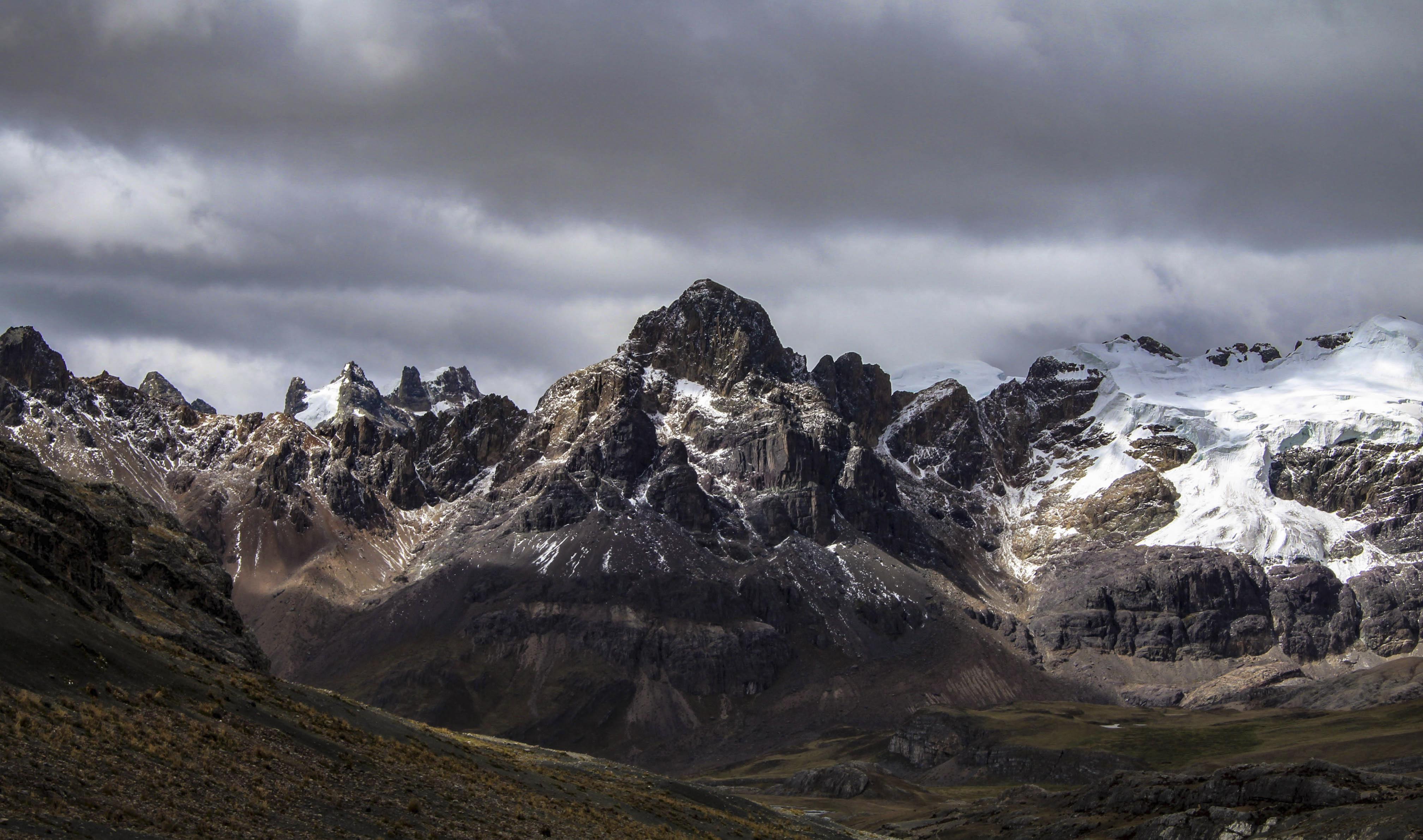
Glaciers melting in Peru At an altitude over 5000 meters over sea level coca leaves help to control the mountain sickness; in this area of Perú, glaciers are melting faster every year due to climate change, to see this rough landscape in the tropics is such a unique oportunity. Taken: Parque Nacional Pastoruri, Cordillera Blanca, Perú. 07/12/18 © Daniel Maraña/TNC Photo Contest 2019

April 23, 2026

The Burning Earth

Sunil Amrith, Renu and Anand Dhawan Professor of History, Professor of the Environment, Yale University

Sunil Amrith twins the stories of environment and empire, of genocide and eco-cide, of an extraordinary expansion of human freedom and its planetary costs. Drawing on an extraordinarily rich diversity of primary sources, he reckons with the ruins of Portuguese silver mining in Peru, British gold mining in South Africa and oil extraction in Central Asia. He explores the railroads and highways that brought humans to new terrains of battle against each other and against stubborn nature. Amrith’s account of the ways in which the First and Second World Wars involved the massive mobilization not only of men but of other natural resources from around the globe provides an essential new way of understanding war as an irreversible reshaping of the planet. So too does his book reveal the reality of migration as a consequence of environmental harm. The imperial, globe-spanning pursuit of profit, joined with new forms of energy and new possibilities of freedom from hunger and discomfort, freedom to move and explore, has brought change to every inch of the Earth.