

interstitialRedirectModalTitle

interstitialRedirectModalMessage

Find Events

Conference on World Affairs at CU Boulder

The Nature Conservancy is participating on two panels moderated by Carlos Fernandez, TNC's state director in Colorado.

The sun sets over mountains and grasslands.
Boulder Flatirons The sun sets over the Boulder Flatirons. © Maria Kopecky/TNC

Overview

Event Overview

Since 1948, the Conference on World Affairs (CWA) has brought together global leaders, innovators and experts to spark timely, thought-provoking conversations on the issues shaping our world. 

The Nature Conservancy will be participating on two panels during the CWA, moderated by Carlos Fernandez, TNC's state director in Colorado. Learn more about the date, time and topics of the two panels below!

Free and open to all—whether you join us in person at CU Boulder or via livestream—CWA invites audiences to connect, question and be inspired.
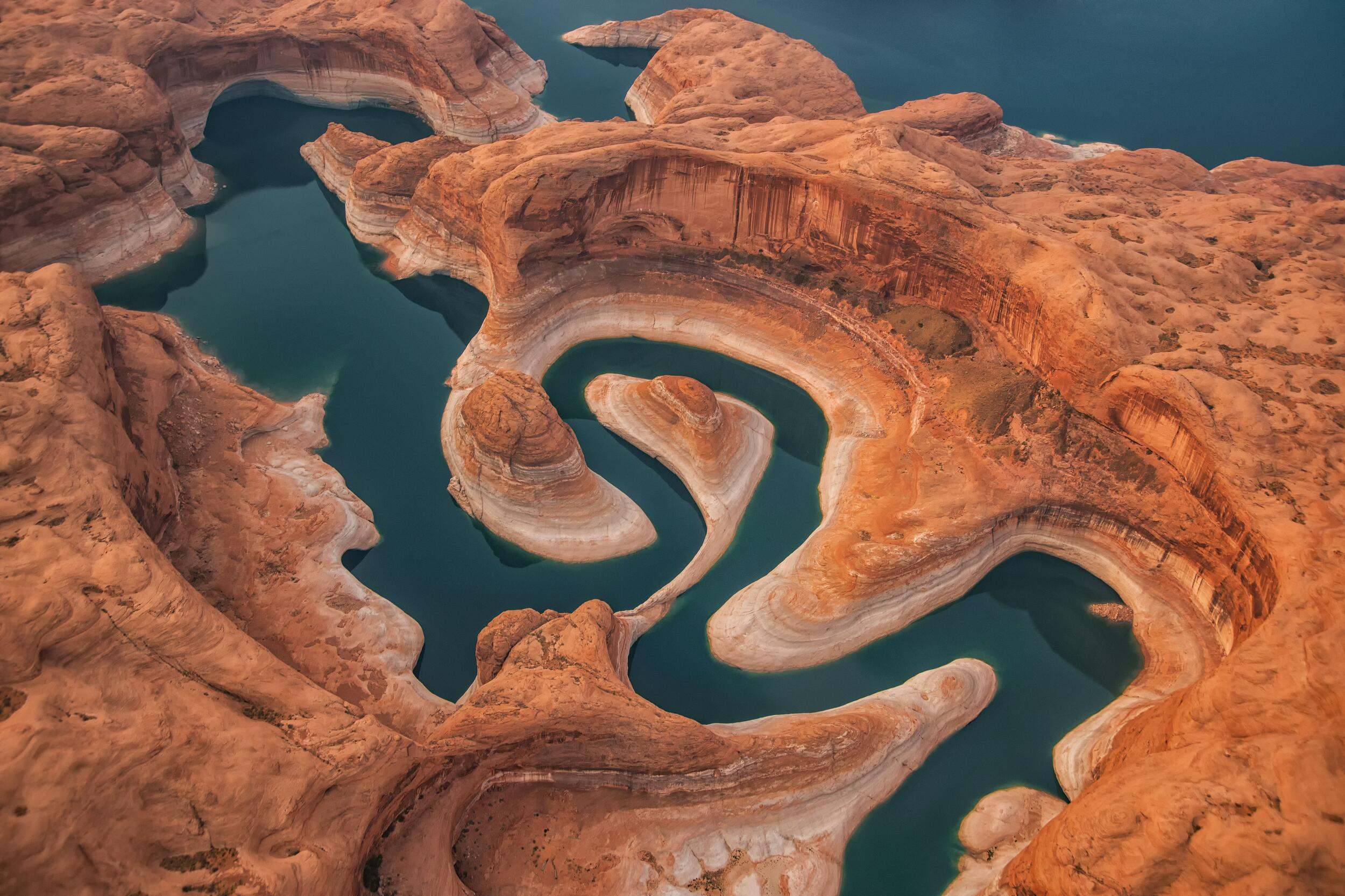
A river winding through a canyon.
Reflection Canyon Aerial 2 Reflection Canyon Aerial 2 // Lake Powell is the second largest man-made reservoir in the United States. It locates on the Colorado River in Utah and Arizona, United States. Plagued by climate change-fueled drought and increasing demand for water, it has fallen to its lowest level on record since it was first filled more than 50 years ago. When the lake level had dropped far enough that the exposed canyon walls created a pale © Jay Huang/TNC Photo Contest 2021

April 13, 2026 (2:30-3:40 p.m.)

The Colorado River Crisis: Where do we go from here?

The Colorado River is more than a river—it’s the hardworking backbone of the American West. It delivers drinking water to more than 40 million people, including 30 Tribal Nations. It irrigates more than five million acres of farmland that feed the country. It powers homes and businesses with critical hydropower and fuels a $26 billion recreation and tourism economy. And it is a lifeline for countless fish, birds, plants and wildlife. But this iconic river is in trouble. After two decades of severe drought intensified by climate change and rising temperatures, demand now outstrips supply. The region is being forced to take unprecedented, historic steps to confront a crisis that can no longer be ignored. So what happens next—for the communities that depend on the river, for the ecosystems shaped by its flow and for the future of the West itself? How do we chart a path that protects both people and nature? Join us for a vital conversation about the challenges facing the Colorado River, the solutions taking shape and the role each of us can play in securing its future.

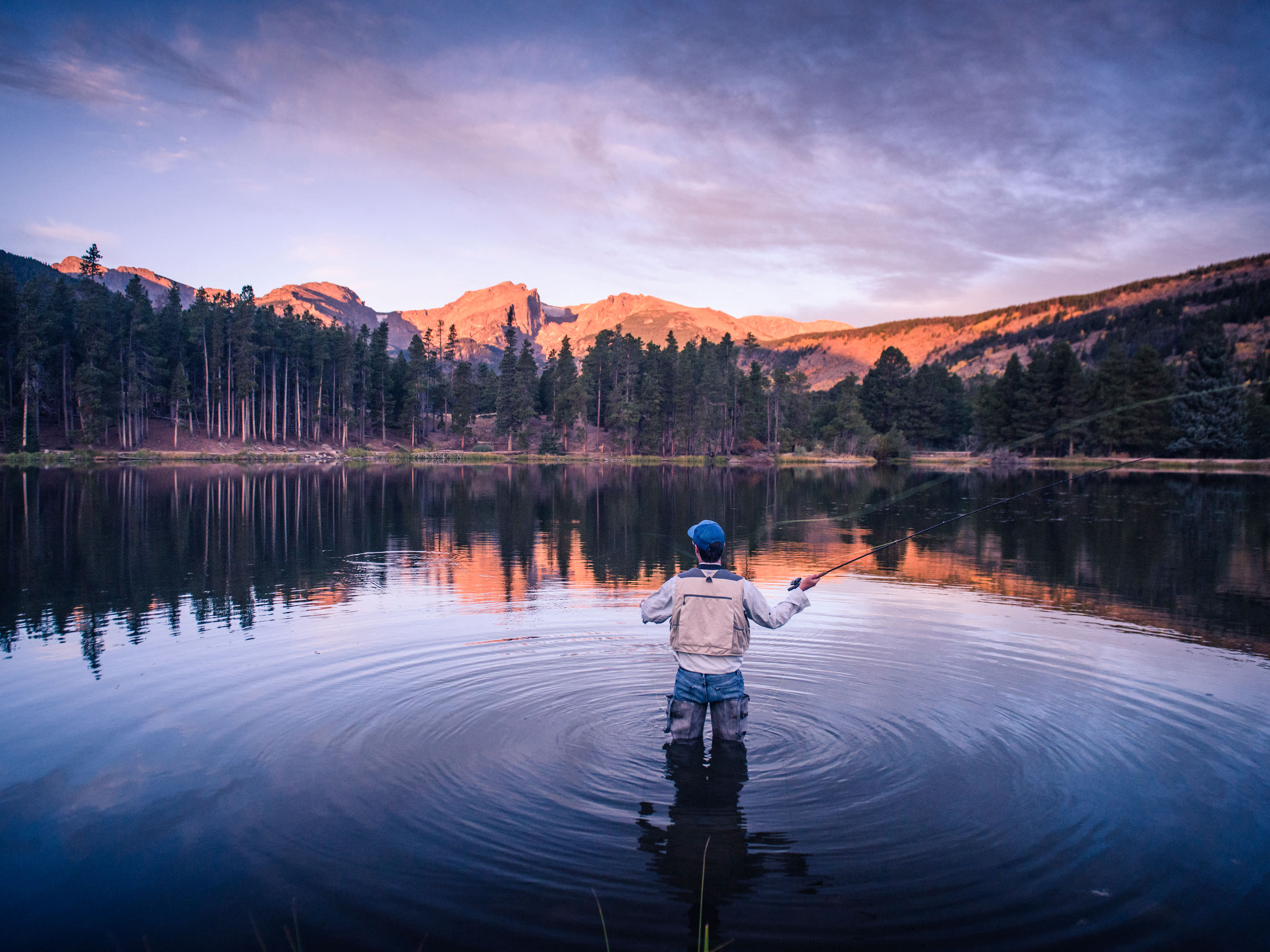
A person standing in a lake fly fishing.
Rocky Mountain National Park At more than 8,600 feet above sea level, Rocky Mountain National Park’s Sprague Lake is a popular spot for fly-fishing and hiking. © Nick Hall

April 13, 2026 (4:00-5:10 p.m.)

Under Pressure: Defending America’s Public Lands

Public lands are at a crossroads. From wide‑open spaces where people hike, hunt, fish and explore, to the landscapes that support energy development, timber harvesting, mining and grazing, these shared places are under mounting political pressure. Efforts to sell off millions of acres of federal public land were recently halted thanks to rare bipartisan pushback—but the momentum behind those proposals hasn’t disappeared. This panel will dig into why public lands matter so deeply to communities, economies and ecosystems, and what it will take to ensure public lands stay in public hands.

Sunset over mountains and grasslands.
Boulder Flatirons Sunset at Boulder Flatirons © Maria Kopecky/TNC