
Land and water conservation, fundraising, public relations and conservation strategy
Share
Biography
Heather Furman is the Appalachians Director at The Nature Conservancy (TNC), a position she has held since June 2023. In this role, Heather guides continental scale conservation for one of TNC’s four global priority landscapes, leading teams and initiatives across 18 states and 3 Canadian provinces. Prior, Heather spent a decade as TNC’s Vermont state director, where she grew the visibility, influence and scope of the chapter’s conservation programs. Heather has held leadership positions in both federal and state government and with local and international NGOs including the World Wildlife Fund in Nepal. She has traveled extensively throughout Europe, Latin America and Asia, building on her formal academic training in anthropology, her BA from the Ohio State University and her MS in natural resource planning from the Rubenstein School at the University of Vermont. She is passionate about critical habitat conservation, strengthening partnerships and mobilizing the funding and research needed to protect biodiversity while mitigating the impacts of climate change. Heather resides with her husband in the Winooski River Valley in rural Vermont, on the unceded land of the Western Abenaki that is known today as the Northern Appalachians.
I often pause during the holiday season to reflect on the gifts that this planet has given me. The local food on my table, the clean water in my glass and the immense solace I find in nature. I also increasingly feel how vulnerable these gifts are as we experience the unmistakable impacts of climate change and biodiversity loss. Fortunately, I am not alone in my concern, and as the Vermont state director of The Nature Conservancy, I get to work every day with Vermonters and people across the globe who want to see nature and people thrive into the future.
While the climate and biodiversity loss statistics are stark, our focus is not on counting losses but mounting gains, and we have reason to be hopeful. Now more than ever, the global community is recognizing the needs to address both climate change and the biodiversity crisis. Next week, 200 nations will gather in Montreal as part of the United Nation’s Biodiversity Conference (COP 15). The purpose is to agree to a new set of goals for the protection of nature and to transform our relationship with biodiversity. Why? Because if we don’t protect biodiversity, our communities, food systems and collective health are at risk.
The Nature Conservancy will be there, joining world leaders, ecologists, economists and health experts, to secure a future where wildlife can thrive in abundance and people share equitably in the benefits that nature provides. To accomplish these ambitious goals, we must build more sustainable food and energy systems, while also protecting the natural communities that are the building blocks of our collective health—our rivers, forests, grasslands and oceans.
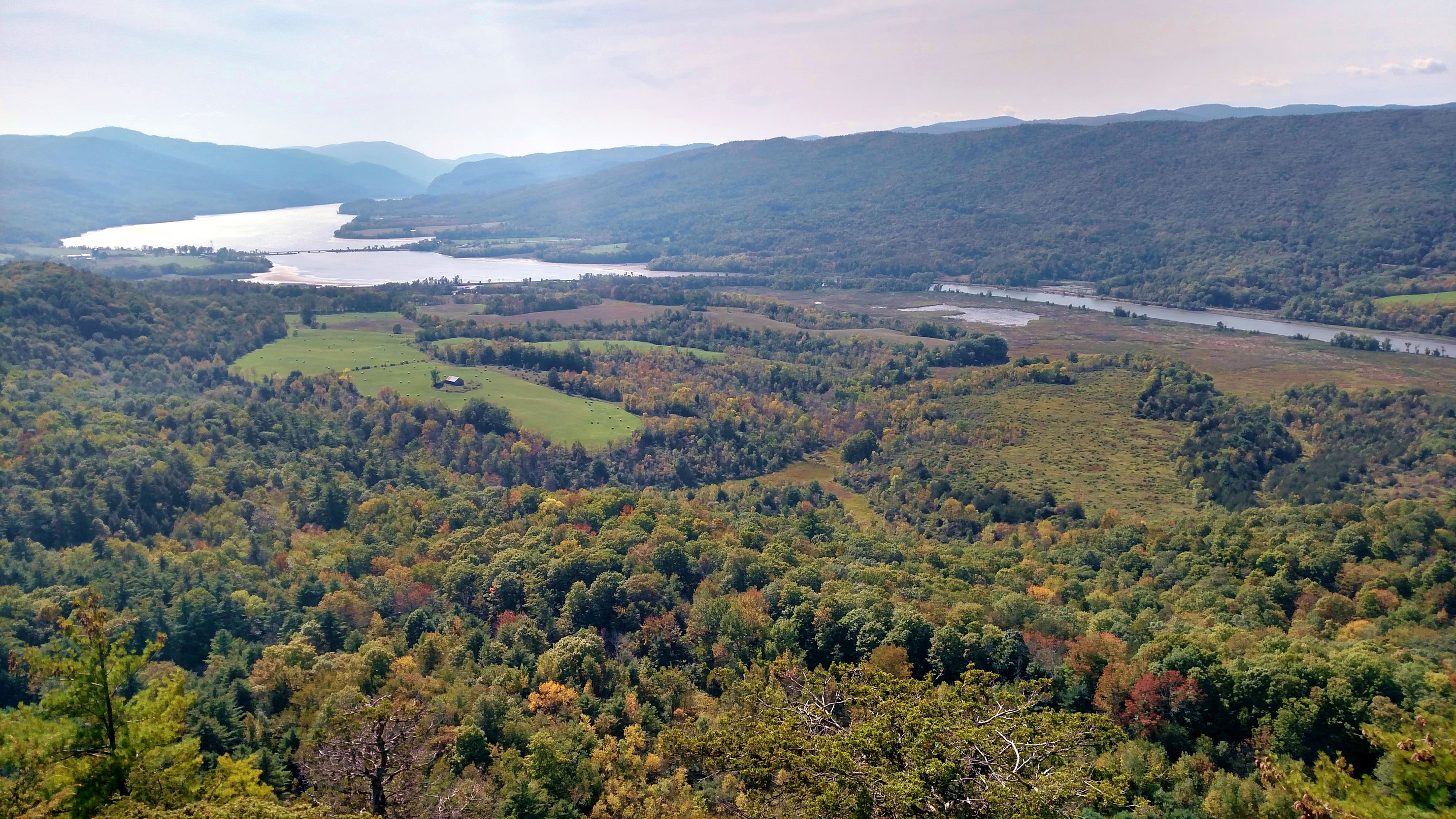
Here in Vermont and throughout the northeast, where we host one of the last remaining and largest temperate forests in the world, we are committed to conserving healthy forest and waters, through a combination of on the ground projects, policy actions and local engagement.
The Nature Conservancy is working with forest landowners on climate friendly management practices to increase carbon storage, and with State lawmakers to improve our communities’ flood resilience through river corridor protections. In southern Vermont, we recently helped the US Fish and Wildlife Service expand the Silvio O. Conte National Wildlife Refuge through the permanent protection of 3,500 acres at Glebe Mountain.
Underpinned by biodiversity, healthy ecosystems provide clean water, clean air, protect against natural disasters, furnish life-saving medications and ensure long-term food security. Protecting natural ecosystems and wildlife will reduce risk from new zoonotic diseases spreading to humans and mitigates the risk of another pandemic like COVID-19.
When we lose nature, we risk our health and safety, as the impacts of climate change are exacerbated. For the sake of our economies, livelihoods and physical and mental well-being—and those of future generations—it’s imperative that we tackle the nature crisis in conjunction with the climate emergency and bend the curve on both climate change and nature loss now. This is the time.
Heather Furman, State Director of The Nature Conservancy in Vermont.
When Nature Unites Us
Read Heather Furman's series of commentaries.
Investing in Natural Infrastructure
Times Argus
| Dec 03, 2021
A once-in-a-generation investment in our nation’s infrastructure was just made possible by Congress passing the bipartisan Infrastructure Investment and Jobs Act.
Read More
Nature is at the Heart of Our Recovery
Times Argus
| Feb 19, 2021
Next month marks the one-year anniversary of our worlds contracting, many of us into our homes, families or ourselves. During this great contraction, many were drawn to the outdoors as a place to escape.
Read More
Nature, Uninterrupted
Times Argus
| Mar 27, 2020
We have long recognized the restorative power of nature, but in times of social distancing during the COVID-19 crisis, nature becomes even more essential.
Read More
Green Transportation Investment Has Rural Support
VTDigger
| Jan 11, 2020
The time has come for us to think differently about how we get around in Vermont while investing in our rural communities, and rural voters seem to agree.
Read More
Decade Ahead Calls for New Conservation Vision
Times Argus
| Dec 20, 2019
The decade ahead demands a new vision for our Green Mountain State, one that will turn the tide on our environmental impacts and fully address our way of living on this planet.
Read More
Hunting & Conservation: Making Room for All
Times Argus
| Nov 01, 2019
Hunting & conservation have helped recover much of our wildlife, their habitats and our forests. Vermonters directly benefit from making room for all types of outdoor enthusiasts.
Read More
Focus On What Unites Us
Times Argus
| Sep 13, 2019
If we are serious about tackling the biggest challenge facing people and the planet today, there is one thing we can do that will make the biggest difference: Talk to one another.
Read More
Tapping the Potential of Our Forests
Times Argus
| Jul 26, 2019
Healthy forests are key to a climate-resilient future. Forests can offer 37% of the emissions reductions needed to keep the earth's warming below 2 degrees Celsius by 2030.
Read More
A Changing Landscape
Times Argus
| May 03, 2019
Change in Vermont’s landscapes can be unsettling, but it can also hold opportunities to implement creative solutions to some of our state’s most pressing issues.
Read More
[{"title":"A Legacy Rooted in Place","description":"The Crane family reflects on a lifetime in the Hocking Hills and why land conservation in the Appalachian landscape is essential for nature and future generations.","link":"https://www.nature.org/en-us/about-us/where-we-work/priority-landscapes/appalachians/crane-family/","target":"_self","desktopImageCrop":"center-middle","mobileImageCrop":"center-middle","pageImageAlt":"A narrow forest trail winds through moss-covered rocks and lush green trees in a quiet woodland setting.","articleDate":"Apr 29, 2026","contentTypeTag":"Donor Story","geoLocationTag":["Ohio","United States"],"topicTag":["land conservation","conservation work","community conservation"],"placesWeProtectTag":[],"businesstags":["Central Appalachians","United States"],"businesstags_ids":["tnc:business-group/united-states/central-appalachians","tnc:business-group/united-states"],"pageImage":{"small":"https://natureconservancy-h.assetsadobe.com/is/image/content/dam/tnc/nature/en/photos/lowe-easement/lowe-cliff-face.jpg?crop=0%2C0%2C4032%2C3024&wid=300&hei=225&scl=13.44","default":"https://natureconservancy-h.assetsadobe.com/is/image/content/dam/tnc/nature/en/photos/lowe-easement/lowe-cliff-face.jpg?crop=0%2C0%2C4032%2C3024&wid=300&hei=225&scl=13.44","medium2x":"https://natureconservancy-h.assetsadobe.com/is/image/content/dam/tnc/nature/en/photos/lowe-easement/lowe-cliff-face.jpg?crop=0%2C0%2C4032%2C3024&wid=600&hei=450&scl=6.72","large":"https://natureconservancy-h.assetsadobe.com/is/image/content/dam/tnc/nature/en/photos/lowe-easement/lowe-cliff-face.jpg?crop=0%2C0%2C4032%2C3024&wid=300&hei=225&scl=13.44","small2x":"https://natureconservancy-h.assetsadobe.com/is/image/content/dam/tnc/nature/en/photos/lowe-easement/lowe-cliff-face.jpg?crop=0%2C0%2C4032%2C3024&wid=600&hei=450&scl=6.72","medium":"https://natureconservancy-h.assetsadobe.com/is/image/content/dam/tnc/nature/en/photos/lowe-easement/lowe-cliff-face.jpg?crop=0%2C0%2C4032%2C3024&wid=300&hei=225&scl=13.44","large2x":"https://natureconservancy-h.assetsadobe.com/is/image/content/dam/tnc/nature/en/photos/lowe-easement/lowe-cliff-face.jpg?crop=0%2C168%2C4032%2C2688&wid=600&hei=400&scl=6.72"}},{"title":"The Nature Conservancy's Resilient and Connected Appalachians Grant Program","description":"The Nature Conservancy's Resilient and Connected Appalachians Grant Program offers funding opportunities for non-profit organizations, municipalities and other partners to engage in conservation.","link":"https://www.nature.org/en-us/about-us/where-we-work/priority-landscapes/appalachians/stories/resilient-connected-appalachians-grant/","target":"_self","desktopImageCrop":"center-middle","mobileImageCrop":"center-middle","pageImageAlt":"Dawn overlooking green mountains.","articleDate":"Nov 01, 2025","contentTypeTag":"Program Overview","geoLocationTag":["United States"],"topicTag":["climate change","conservation work","climate science","science"],"placesWeProtectTag":[],"businesstags":["Central Appalachians","United States"],"businesstags_ids":["tnc:business-group/united-states/central-appalachians","tnc:business-group/united-states"],"pageImage":{"small":"https://natureconservancy-h.assetsadobe.com/is/image/content/dam/tnc/nature/en/photos/w/o/WOPA090804_D002_JPG.Jpg?crop=42%2C0%2C2414%2C1811&wid=300&hei=225&scl=8.04888888888889","default":"https://natureconservancy-h.assetsadobe.com/is/image/content/dam/tnc/nature/en/photos/w/o/WOPA090804_D002_JPG.Jpg?crop=42%2C0%2C2414%2C1811&wid=300&hei=225&scl=8.04888888888889","medium2x":"https://natureconservancy-h.assetsadobe.com/is/image/content/dam/tnc/nature/en/photos/w/o/WOPA090804_D002_JPG.Jpg?crop=42%2C0%2C2414%2C1811&wid=600&hei=450&scl=4.024444444444445","large":"https://natureconservancy-h.assetsadobe.com/is/image/content/dam/tnc/nature/en/photos/w/o/WOPA090804_D002_JPG.Jpg?crop=42%2C0%2C2414%2C1811&wid=300&hei=225&scl=8.04888888888889","small2x":"https://natureconservancy-h.assetsadobe.com/is/image/content/dam/tnc/nature/en/photos/w/o/WOPA090804_D002_JPG.Jpg?crop=42%2C0%2C2414%2C1811&wid=600&hei=450&scl=4.024444444444445","medium":"https://natureconservancy-h.assetsadobe.com/is/image/content/dam/tnc/nature/en/photos/w/o/WOPA090804_D002_JPG.Jpg?crop=42%2C0%2C2414%2C1811&wid=300&hei=225&scl=8.04888888888889","large2x":"https://natureconservancy-h.assetsadobe.com/is/image/content/dam/tnc/nature/en/photos/w/o/WOPA090804_D002_JPG.Jpg?crop=0%2C72%2C2500%2C1666&wid=600&hei=400&scl=4.166666666666667"}},{"title":"The Ultimate Appalachians Road Trip","description":"Join us on an unforgettable road trip through the breathtaking Appalachians and experience nature at its finest.","link":"https://www.nature.org/en-us/about-us/where-we-work/priority-landscapes/appalachians/stories/appalachians-road-trip/","target":"_self","desktopImageCrop":"left-top","mobileImageCrop":"left-top","pageImageAlt":"A map of the eastern portion of the United States.","articleDate":"Apr 01, 2025","contentTypeTag":"Feature","geoLocationTag":["United States"],"topicTag":["forest conservation","conservation work","habitat restoration"],"placesWeProtectTag":[],"businesstags":["Central Appalachians","United States"],"businesstags_ids":["tnc:business-group/united-states/central-appalachians","tnc:business-group/united-states"],"pageImage":{"small":"https://natureconservancy-h.assetsadobe.com/is/image/content/dam/tnc/nature/en/photos/apps-roadtrip-map.jpg?crop=0%2C0%2C5333%2C4000&wid=300&hei=225&scl=17.77777777777778","default":"https://natureconservancy-h.assetsadobe.com/is/image/content/dam/tnc/nature/en/photos/apps-roadtrip-map.jpg?crop=0%2C0%2C5333%2C4000&wid=300&hei=225&scl=17.77777777777778","medium2x":"https://natureconservancy-h.assetsadobe.com/is/image/content/dam/tnc/nature/en/photos/apps-roadtrip-map.jpg?crop=0%2C0%2C5333%2C4000&wid=600&hei=450&scl=8.88888888888889","large":"https://natureconservancy-h.assetsadobe.com/is/image/content/dam/tnc/nature/en/photos/apps-roadtrip-map.jpg?crop=0%2C0%2C5333%2C4000&wid=300&hei=225&scl=17.77777777777778","small2x":"https://natureconservancy-h.assetsadobe.com/is/image/content/dam/tnc/nature/en/photos/apps-roadtrip-map.jpg?crop=0%2C0%2C5333%2C4000&wid=600&hei=450&scl=8.88888888888889","medium":"https://natureconservancy-h.assetsadobe.com/is/image/content/dam/tnc/nature/en/photos/apps-roadtrip-map.jpg?crop=0%2C0%2C5333%2C4000&wid=300&hei=225&scl=17.77777777777778","large2x":"https://natureconservancy-h.assetsadobe.com/is/image/content/dam/tnc/nature/en/photos/apps-roadtrip-map.jpg?crop=0%2C0%2C6000%2C4000&wid=600&hei=400&scl=10.0"}},{"title":"Momentum Grows for Ecological Connectivity Efforts in Northeastern North America","description":"The Staying Connected Initiative (SCI) partnership works to conserve, restore, and enhance ecological connectivity in the transboundary, Northern Appalachians to Acadian region and beyond.","link":"https://www.nature.org/en-us/about-us/where-we-work/priority-landscapes/appalachians/stories/resolutions-to-support-sci/","target":"_self","desktopImageCrop":"center-middle","mobileImageCrop":"center-middle","pageImageAlt":"Aerial image of town, river and mountains.","articleDate":"Oct 30, 2024","contentTypeTag":"Initiative","geoLocationTag":["Canada","United States"],"topicTag":["wildlife corridors","wildlife conservation","conservation work","land conservation"],"placesWeProtectTag":[],"businesstags":["Central Appalachians","United States"],"businesstags_ids":["tnc:business-group/united-states/central-appalachians","tnc:business-group/united-states"],"pageImage":{"small":"https://natureconservancy-h.assetsadobe.com/is/image/content/dam/tnc/nature/en/photos/1/other/1_Monkman_VTNFS_D21231.jpg?crop=301%2C0%2C1797%2C1348&wid=300&hei=225&scl=5.9911111111111115","default":"https://natureconservancy-h.assetsadobe.com/is/image/content/dam/tnc/nature/en/photos/1/other/1_Monkman_VTNFS_D21231.jpg?crop=301%2C0%2C1797%2C1348&wid=300&hei=225&scl=5.9911111111111115","medium2x":"https://natureconservancy-h.assetsadobe.com/is/image/content/dam/tnc/nature/en/photos/1/other/1_Monkman_VTNFS_D21231.jpg?crop=301%2C0%2C1797%2C1348&wid=600&hei=450&scl=2.9955555555555557","large":"https://natureconservancy-h.assetsadobe.com/is/image/content/dam/tnc/nature/en/photos/1/other/1_Monkman_VTNFS_D21231.jpg?crop=301%2C0%2C1797%2C1348&wid=300&hei=225&scl=5.9911111111111115","small2x":"https://natureconservancy-h.assetsadobe.com/is/image/content/dam/tnc/nature/en/photos/1/other/1_Monkman_VTNFS_D21231.jpg?crop=301%2C0%2C1797%2C1348&wid=600&hei=450&scl=2.9955555555555557","medium":"https://natureconservancy-h.assetsadobe.com/is/image/content/dam/tnc/nature/en/photos/1/other/1_Monkman_VTNFS_D21231.jpg?crop=301%2C0%2C1797%2C1348&wid=300&hei=225&scl=5.9911111111111115","large2x":"https://natureconservancy-h.assetsadobe.com/is/image/content/dam/tnc/nature/en/photos/1/other/1_Monkman_VTNFS_D21231.jpg?crop=189%2C0%2C2022%2C1348&wid=600&hei=400&scl=3.37"}},{"title":"Sprucing up the Appalachians","description":"TNC’s Plant a Billion Trees Program is helping connect and restore critical forests in West Virginia to mitigate climate change. ","link":"https://www.nature.org/en-us/get-involved/how-to-help/plant-a-billion/north-america/pbt-central-appalachians/","target":"_self","hideArticleDate":"true","desktopImageCrop":"center-middle","mobileImageCrop":"center-middle","pageImageAlt":"Drone shot over the Central Appalachian region in West Virginia.","articleDate":"Jul 19, 2024","contentTypeTag":"Feature","geoLocationTag":["West Virginia","United States"],"topicTag":["habitat restoration","habitat restoration","conservation work","forest conservation","United States","places","tree planting"],"placesWeProtectTag":["Central Appalachians","Landscapes"],"businesstags":["Central Appalachians","United States"],"businesstags_ids":["tnc:business-group/united-states/central-appalachians","tnc:business-group/united-states"],"pageImage":{"small":"https://natureconservancy-h.assetsadobe.com/is/image/content/dam/tnc/plant-a-billion/images/Central-Apps.jpg?crop=128%2C0%2C1342%2C1007&wid=300&hei=225&scl=4.475555555555555","default":"https://natureconservancy-h.assetsadobe.com/is/image/content/dam/tnc/plant-a-billion/images/Central-Apps.jpg?crop=128%2C0%2C1342%2C1007&wid=300&hei=225&scl=4.475555555555555","medium2x":"https://natureconservancy-h.assetsadobe.com/is/image/content/dam/tnc/plant-a-billion/images/Central-Apps.jpg?crop=128%2C0%2C1342%2C1007&wid=600&hei=450&scl=2.2377777777777776","large":"https://natureconservancy-h.assetsadobe.com/is/image/content/dam/tnc/plant-a-billion/images/Central-Apps.jpg?crop=128%2C0%2C1342%2C1007&wid=300&hei=225&scl=4.475555555555555","small2x":"https://natureconservancy-h.assetsadobe.com/is/image/content/dam/tnc/plant-a-billion/images/Central-Apps.jpg?crop=128%2C0%2C1342%2C1007&wid=600&hei=450&scl=2.2377777777777776","medium":"https://natureconservancy-h.assetsadobe.com/is/image/content/dam/tnc/plant-a-billion/images/Central-Apps.jpg?crop=128%2C0%2C1342%2C1007&wid=300&hei=225&scl=4.475555555555555","large2x":"https://natureconservancy-h.assetsadobe.com/is/image/content/dam/tnc/plant-a-billion/images/Central-Apps.jpg?crop=44%2C0%2C1510%2C1007&wid=600&hei=400&scl=2.5175"}},{"title":"Cumberland Forest Community Fund","description":"Supporting nature-based economic and community development in the Appalachian regions of Southwest Virginia, Tennessee and Kentucky.","link":"https://www.nature.org/en-us/about-us/where-we-work/priority-landscapes/appalachians/stories/cumberland-forest-community-fund/","target":"_self","hideArticleDate":"true","desktopImageCrop":"center-middle","mobileImageCrop":"center-middle","pageImageAlt":"White mist shrouds the peaks of mountain ridges and fills the deep valleys.","articleDate":"Oct 12, 2022","contentTypeTag":"Opportunity","geoLocationTag":["Tennessee","United States","Virginia","Kentucky"],"topicTag":["people and nature","community conservation","conservation work","impact investing","conservation finance","forest conservation","economy and environment","landscape scale","local communities","stewardship","land conservation","climate resilience","climate change","climate strongholds","forests","natural climate solutions","conservation funding"],"placesWeProtectTag":[],"businesstags":["Central Appalachians","United States"],"businesstags_ids":["tnc:business-group/united-states/central-appalachians","tnc:business-group/united-states"],"pageImage":{"small":"https://natureconservancy-h.assetsadobe.com/is/image/content/dam/tnc/nature/en/photos/d/m/DMV_MAG19008_190531_3711.jpg?crop=0%2C0%2C2998%2C2249&wid=300&hei=225&scl=9.995555555555555","default":"https://natureconservancy-h.assetsadobe.com/is/image/content/dam/tnc/nature/en/photos/d/m/DMV_MAG19008_190531_3711.jpg?crop=0%2C0%2C2998%2C2249&wid=300&hei=225&scl=9.995555555555555","medium2x":"https://natureconservancy-h.assetsadobe.com/is/image/content/dam/tnc/nature/en/photos/d/m/DMV_MAG19008_190531_3711.jpg?crop=0%2C0%2C2998%2C2249&wid=600&hei=450&scl=4.997777777777777","large":"https://natureconservancy-h.assetsadobe.com/is/image/content/dam/tnc/nature/en/photos/d/m/DMV_MAG19008_190531_3711.jpg?crop=0%2C0%2C2998%2C2249&wid=300&hei=225&scl=9.995555555555555","small2x":"https://natureconservancy-h.assetsadobe.com/is/image/content/dam/tnc/nature/en/photos/d/m/DMV_MAG19008_190531_3711.jpg?crop=0%2C0%2C2998%2C2249&wid=600&hei=450&scl=4.997777777777777","medium":"https://natureconservancy-h.assetsadobe.com/is/image/content/dam/tnc/nature/en/photos/d/m/DMV_MAG19008_190531_3711.jpg?crop=0%2C0%2C2998%2C2249&wid=300&hei=225&scl=9.995555555555555","large2x":"https://natureconservancy-h.assetsadobe.com/is/image/content/dam/tnc/nature/en/photos/d/m/DMV_MAG19008_190531_3711.jpg?crop=0%2C124%2C3000%2C2000&wid=600&hei=400&scl=5.0"}},{"title":"Restoring Red Spruce Forests","description":"New science is boosting TNC's 20-year effort to restore iconic red spruce forests in the Central Appalachians.","link":"https://www.nature.org/en-us/about-us/where-we-work/priority-landscapes/appalachians/stories/red-spruce-forest-restoration/","target":"_self","desktopImageCrop":"center-top","mobileImageCrop":"center-top","pageImageAlt":"Red spruce seedlings lay on the ground grouped in color coded bundles. A paper chart in the middle of the group identifies the genetic strains of each group.","articleDate":"Feb 23, 2022","articleAuthor":["Daniel White"],"contentTypeTag":"Feature","geoLocationTag":["Virginia","United States","West Virginia","Maryland and D.C."],"topicTag":["tree planting","volunteering","activities","forest conservation","conservation work","forest restoration","habitat restoration","habitat restoration","climate resilience","climate change","climate strongholds","forests","land conservation"],"placesWeProtectTag":["Canaan Valley and Dolly Sods","Landscapes","Cranesville Swamp","Nature Preserves","Finzel Swamp"],"businesstags":["Central Appalachians","United States"],"businesstags_ids":["tnc:business-group/united-states/central-appalachians","tnc:business-group/united-states"],"pageImage":{"small":"https://natureconservancy-h.assetsadobe.com/is/image/content/dam/tnc/nature/en/photos/s/e/Seedlings_2021-03-19_11-45-27.jpeg?crop=0%2C0%2C2000%2C1500&wid=300&hei=225&scl=6.666666666666667","default":"https://natureconservancy-h.assetsadobe.com/is/image/content/dam/tnc/nature/en/photos/s/e/Seedlings_2021-03-19_11-45-27.jpeg?crop=0%2C0%2C2000%2C1500&wid=300&hei=225&scl=6.666666666666667","medium2x":"https://natureconservancy-h.assetsadobe.com/is/image/content/dam/tnc/nature/en/photos/s/e/Seedlings_2021-03-19_11-45-27.jpeg?crop=0%2C0%2C2000%2C1500&wid=600&hei=450&scl=3.3333333333333335","large":"https://natureconservancy-h.assetsadobe.com/is/image/content/dam/tnc/nature/en/photos/s/e/Seedlings_2021-03-19_11-45-27.jpeg?crop=0%2C0%2C2000%2C1500&wid=300&hei=225&scl=6.666666666666667","small2x":"https://natureconservancy-h.assetsadobe.com/is/image/content/dam/tnc/nature/en/photos/s/e/Seedlings_2021-03-19_11-45-27.jpeg?crop=0%2C0%2C2000%2C1500&wid=600&hei=450&scl=3.3333333333333335","medium":"https://natureconservancy-h.assetsadobe.com/is/image/content/dam/tnc/nature/en/photos/s/e/Seedlings_2021-03-19_11-45-27.jpeg?crop=0%2C0%2C2000%2C1500&wid=300&hei=225&scl=6.666666666666667","large2x":"https://natureconservancy-h.assetsadobe.com/is/image/content/dam/tnc/nature/en/photos/s/e/Seedlings_2021-03-19_11-45-27.jpeg?crop=0%2C0%2C2000%2C1333&wid=600&hei=400&scl=3.3333333333333335"}},{"title":"Making Connections in the Allegheny Highlands","description":"A partnership protecting nearly 2,000 acres of land will connect diverse habitat thanks to the vision and generosity of landowner Fitz Gary.","link":"https://www.nature.org/en-us/about-us/where-we-work/priority-landscapes/appalachians/stories/connecting-allegheny-highlands/","target":"_self","hideArticleDate":"true","desktopImageCrop":"center-middle","mobileImageCrop":"center-middle","pageImageAlt":"A man stands at the edge of a wide, shallow stream. Two mountain ridges meet in a vee in the background framing bright blue sky.","articleDate":"Jan 03, 2021","articleAuthor":["Daniel White"],"contentTypeTag":"Feature","geoLocationTag":["Virginia","United States"],"topicTag":["forest conservation","conservation work","biodiversity","habitat restoration","land conservation","climate strongholds","climate change"],"placesWeProtectTag":[],"businesstags":["Central Appalachians","United States"],"businesstags_ids":["tnc:business-group/united-states/central-appalachians","tnc:business-group/united-states"],"pageImage":{"small":"https://natureconservancy-h.assetsadobe.com/is/image/content/dam/tnc/nature/en/photos/f/i/FitzGary-easement-June2020.jpeg?crop=0%2C0%2C1280%2C960&wid=300&hei=225&scl=4.266666666666667","default":"https://natureconservancy-h.assetsadobe.com/is/image/content/dam/tnc/nature/en/photos/f/i/FitzGary-easement-June2020.jpeg?crop=0%2C0%2C1280%2C960&wid=300&hei=225&scl=4.266666666666667","medium2x":"https://natureconservancy-h.assetsadobe.com/is/image/content/dam/tnc/nature/en/photos/f/i/FitzGary-easement-June2020.jpeg?crop=0%2C0%2C1280%2C960&wid=600&hei=450&scl=2.1333333333333333","large":"https://natureconservancy-h.assetsadobe.com/is/image/content/dam/tnc/nature/en/photos/f/i/FitzGary-easement-June2020.jpeg?crop=0%2C0%2C1280%2C960&wid=300&hei=225&scl=4.266666666666667","small2x":"https://natureconservancy-h.assetsadobe.com/is/image/content/dam/tnc/nature/en/photos/f/i/FitzGary-easement-June2020.jpeg?crop=0%2C0%2C1280%2C960&wid=600&hei=450&scl=2.1333333333333333","medium":"https://natureconservancy-h.assetsadobe.com/is/image/content/dam/tnc/nature/en/photos/f/i/FitzGary-easement-June2020.jpeg?crop=0%2C0%2C1280%2C960&wid=300&hei=225&scl=4.266666666666667","large2x":"https://natureconservancy-h.assetsadobe.com/is/image/content/dam/tnc/nature/en/photos/f/i/FitzGary-easement-June2020.jpeg?crop=0%2C53%2C1280%2C853&wid=600&hei=400&scl=2.1333333333333333"}},{"title":"The Cumberland Forest Project: Conservation at Scale","description":"With many years in the making, this innovative project demonstrates the climate benefits of sustainable forest management while providing positive conservation, community and financial returns.","link":"https://www.nature.org/en-us/what-we-do/our-priorities/protect-water-and-land/land-and-water-stories/cumberland-forest-project/","target":"_self","hideArticleDate":"true","desktopImageCrop":"center-top","mobileImageCrop":"center-top","pageImageAlt":"Aerial view of a steep mountain ridge that stretches to the horizon. The mountains are covered in green forests with patches of orange from fall foliage beginning to change color.","readTimeMinutes":"10","articleDate":"Jul 14, 2019","contentTypeTag":"Conservation Update","geoLocationTag":["Tennessee","United States","Virginia","Kentucky"],"topicTag":["value of nature","conservation finance","conservation work","forest restoration","habitat restoration","sustainable logging","forest conservation","working forests","forests","land conservation"],"placesWeProtectTag":[],"businesstags":["Central Appalachians","United States"],"businesstags_ids":["tnc:business-group/united-states/central-appalachians","tnc:business-group/united-states"],"pageImage":{"small":"https://natureconservancy-h.assetsadobe.com/is/image/content/dam/tnc/nature/en/photos/t/n/tnc_50616894_Large.jpg?crop=166%2C0%2C2666%2C2000&wid=300&hei=225&scl=8.88888888888889","default":"https://natureconservancy-h.assetsadobe.com/is/image/content/dam/tnc/nature/en/photos/t/n/tnc_50616894_Large.jpg?crop=166%2C0%2C2666%2C2000&wid=300&hei=225&scl=8.88888888888889","medium2x":"https://natureconservancy-h.assetsadobe.com/is/image/content/dam/tnc/nature/en/photos/t/n/tnc_50616894_Large.jpg?crop=166%2C0%2C2666%2C2000&wid=600&hei=450&scl=4.444444444444445","large":"https://natureconservancy-h.assetsadobe.com/is/image/content/dam/tnc/nature/en/photos/t/n/tnc_50616894_Large.jpg?crop=166%2C0%2C2666%2C2000&wid=300&hei=225&scl=8.88888888888889","small2x":"https://natureconservancy-h.assetsadobe.com/is/image/content/dam/tnc/nature/en/photos/t/n/tnc_50616894_Large.jpg?crop=166%2C0%2C2666%2C2000&wid=600&hei=450&scl=4.444444444444445","medium":"https://natureconservancy-h.assetsadobe.com/is/image/content/dam/tnc/nature/en/photos/t/n/tnc_50616894_Large.jpg?crop=166%2C0%2C2666%2C2000&wid=300&hei=225&scl=8.88888888888889","large2x":"https://natureconservancy-h.assetsadobe.com/is/image/content/dam/tnc/nature/en/photos/t/n/tnc_50616894_Large.jpg?crop=0%2C0%2C3000%2C2000&wid=600&hei=400&scl=5.0"}}]