

For almost a century, the U.S. Army Corps of Engineers has used its dams to provide benefits to people across the country, from navigation and hydropower to reduced flood risk and more. But the needs of both the people and wildlife that rely on rivers have changed over the years. Now, the Army Corps is working to modernize its dam management plans.
The Sustainable Rivers Program is a partnership between The Nature Conservancy and the Army Corps that harnesses science and public input to revise dam operations to better help local communities and nature. Instead of building new infrastructure, the SRP uses existing environmental practices and dam equipment more intelligently. For example, the SRP has funded projects that restore more natural river flows. These types of projects help dam managers understand how they can release water so that aquatic and riparian vegetation can thrive, fish can spawn and feed and migratory species such as waterfowl and shorebirds have vibrant habitats to stop over at.
A report commissioned by The Nature Conservancy, the Sustainable Rivers Program Cost-Benefit Analysis, shows just how effective the SRP is. The report found that nationally and at four specific case study sites the SRP consistently generates significant economic returns while improving river health.
Download
-
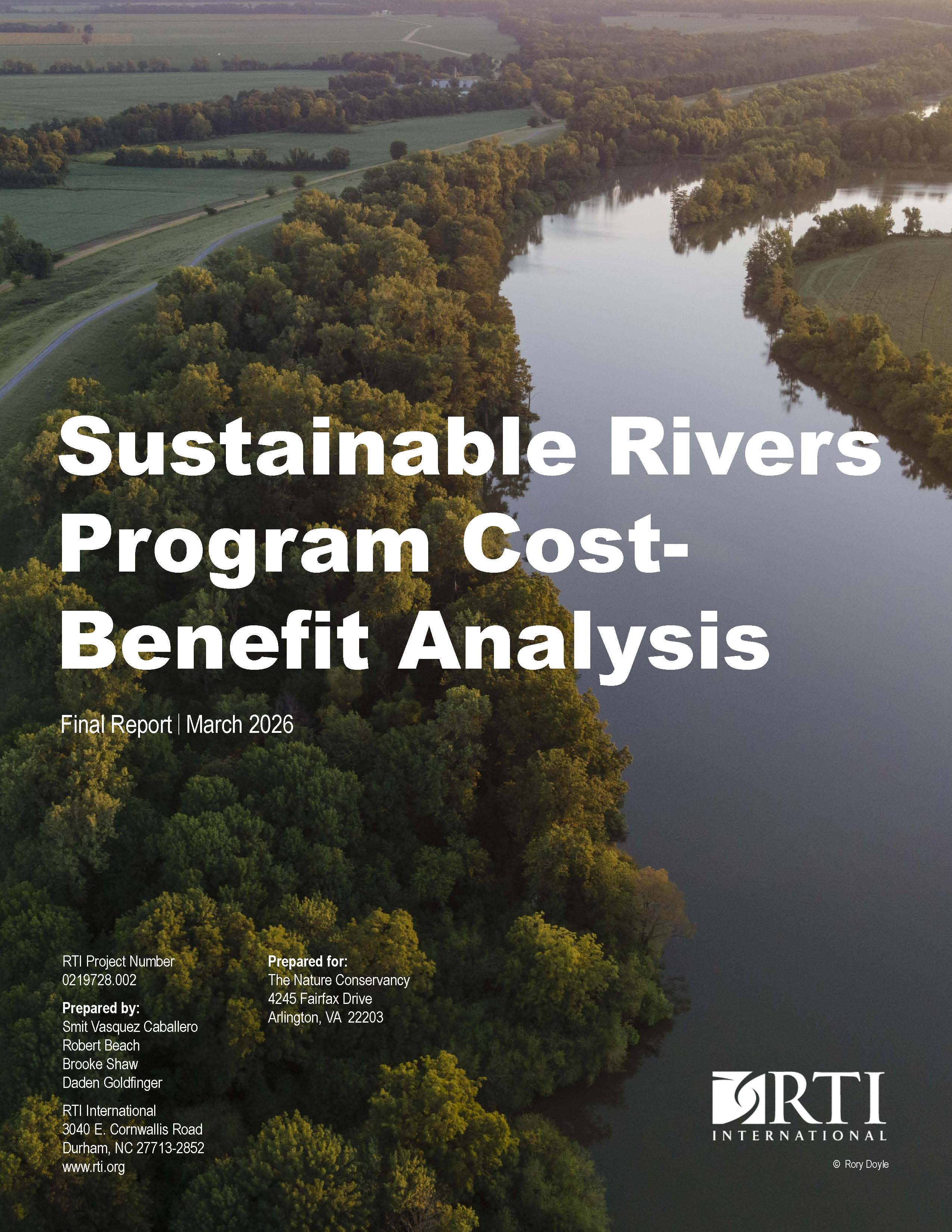 Sustainable Rivers Program Cost-Benefit Analysis
Learn how improved dam management is a cost-effective way to help people and rivers.
Download -
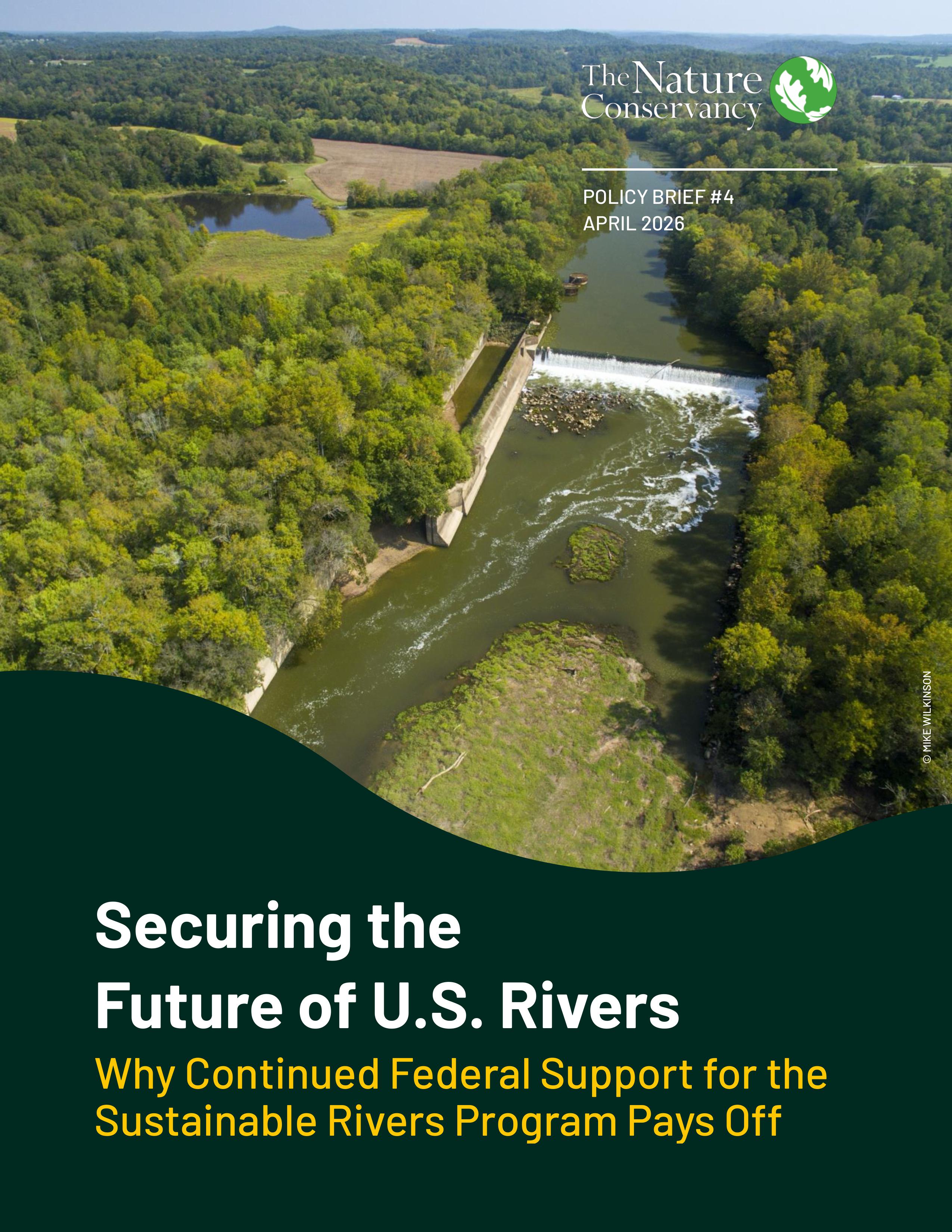 Policy Brief: Securing the Future of U.S. Rivers
Explore the benefits of continued federal support for the Sustainable Rivers Program.
Download
Sustainable Rivers Program: by the numbers
-

$265M
The net value of the program nationally
-

14:1
Nationally, SRP delivers up to $14 for every $1 invested
-

3 years
The amount of time until benefits outweighed costs at Illinois’s Melvin Price Locks and Dam
-

$37M
The projected benefits SRP projects will provide along Kentucky’s Green River by 2040
Federal support keeps the Sustainable Rivers Program flowing
While the SRP is a partnership between TNC and the Army Corps, it relies on federal funding to operate. As this report shows, the SRP is paying for itself many times over. While the dollar numbers are impressive, what those translate to on the ground can be life-changing for many people.
By restoring healthy wetlands and floodplains, the SRP reduces flood risk for people living near rivers and floodplains. The SRP also creates new recreational opportunities for boating and swimming. What’s more, all these benefits come with a healthier river and more abundant fish and wildlife.
Currently, the SRP is active in 65 river systems across the U.S. In Fiscal Year 2023, at its highest funding level, the program’s budget reached $7 million. However, despite the many economic and on-the-ground benefits this program provides, the current federal budget only provides the SRP with $2 million. In the past, the SRP was only able to meet 50% of the funding requests it received. Now, with a substantially lower budget, the program and the benefits it provides will be even more limited. The Sustainable Rivers Program Cost-Benefit Analysis shows that the SRP is worth every penny that the federal government invests in it, both from an economic and environmental standpoint.

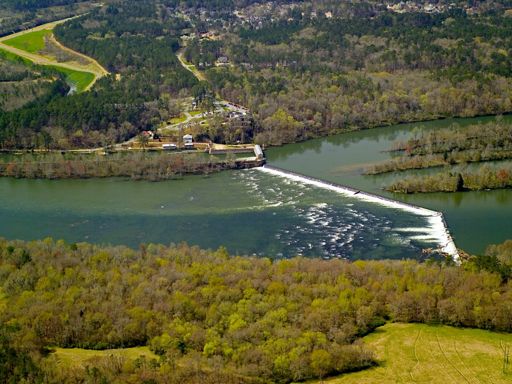


Case study: restoring environmental flows and pools along the Des Moines River
The Des Moines River is the largest river flowing across Iowa and a major tributary of the Mississippi River. Along its route are two major Army Corps reservoirs—Saylorville Lake and Lake Red Rock. The operations of these dams affect the local watershed, the Mississippi River and even the Gulf. In particular, Lake Red Rock helps regulate river flows that are among the nation’s largest contributors to nutrient loading and hypoxia in the Gulf.
The SRP started working along the Des Moines River in 2015 to improve river and reservoir habitats. Altering the flow of water out of the river’s dams is one of the primary ways the SRP is modernizing the Army Corps’ operations. The dams now release more water in pulses throughout the spring to mirror natural patterns and help stimulate fish spawning. Then in the fall, dam managers manipulate water levels in the reservoirs to either expose or inundate mudflats to create stopover habitats for southbound migratory shorebirds and waterfowl.

These updated management practices along the Des Moines River are helping the environment flourish. For example, the more natural flows of water have helped native mussels thrive along 142 river miles. A healthier mussel population has helped improve water quality and waste treatment in the river. Shovelnose sturgeon also enjoy these river flows because they provide the fish with heat relief and healthier habitats during hotter periods of the summer that previously caused lower oxygen levels and die-offs. And those are just two species that the SRP’s practices have helped. Others include native vegetation both in the river and along its banks, native fish species, amphibians and reptiles such as bullfrogs and snapping turtles, and a variety of shorebirds and waterfowl.
In 2030, the net benefits of this SRP project are projected to hit $4 million, and by 2040 the benefits will reach almost $18 million.
Stay informed on conservation policy
Sign up to receive monthly news and policy updates from The Nature Conservancy.
Explore more

Nature’s Dividends: The Economic, Health and Safety Benefits of Investing in Nature
The Nature’s Dividends report finds that conservation is a cost-effective way to grow the U.S. economy, protect public safety and reduce healthcare costs.

Sustainable Rivers Program
The Nature Conservancy and the U.S. Army Corps of Engineers are finding new ways to strike a sustainable balance in how people use and protect the many benefits that rivers provide.

America’s Public Lands
U.S. public lands are critical to our outdoor traditions, local economies and wildlife habitats—but threats to these lands are growing. Learn how TNC is defending our public lands.