

 How It Started
 How It's Going
 The Future
 Regional Impact
 Milestones


Seed to Scale in the Midwest
Small, place-based efforts through land protection, partnerships, or innovation grow over time into solutions that shape entire systems and influence work far beyond the Midwest.

Spanning more than 17 million acres, few landscapes capture the spirit of Wisconsin quite like the Northwoods.
Few landscapes capture the spirit of Wisconsin quite like the Northwoods. Spanning more than 17 million acres of forests, lakes, rivers and wetlands, this iconic region is home to some of the state’s most beloved wildlife, including black bears, bobcats, pine martens and even elk in some areas.
Yet the Northwoods we know today is not the same landscape that existed 150 years ago. By the late 1800s, much of Wisconsin’s old-growth forest had been logged and floated downstream to help fuel the growth of cities across the Midwest. What seems shortsighted by today’s standards was common practice at the time, and the transformation happened with remarkable speed.
In the following decades, perspectives and forest ecology practices changed. Landowners, conservationists and communities began to recognize that forests could provide timber, alongside other benefits. They realized they could support wildlife, filter drinking water, fuel local economies and offer opportunities for outdoor recreation.

The Northwoods filter out and absorb pollutants, protecting the rivers and lakes that together supply drinking water for nearly 50 million people.

The Northwoods are a valuable carbon sink that sequesters 12 million metric tons of carbon annually, helping to mitigate climate change.

According to the Wisconsin DNR, the Wisconsin forest products industry, much of which relies on Northwoods timber, has an annual economic impact of over $40 billion.
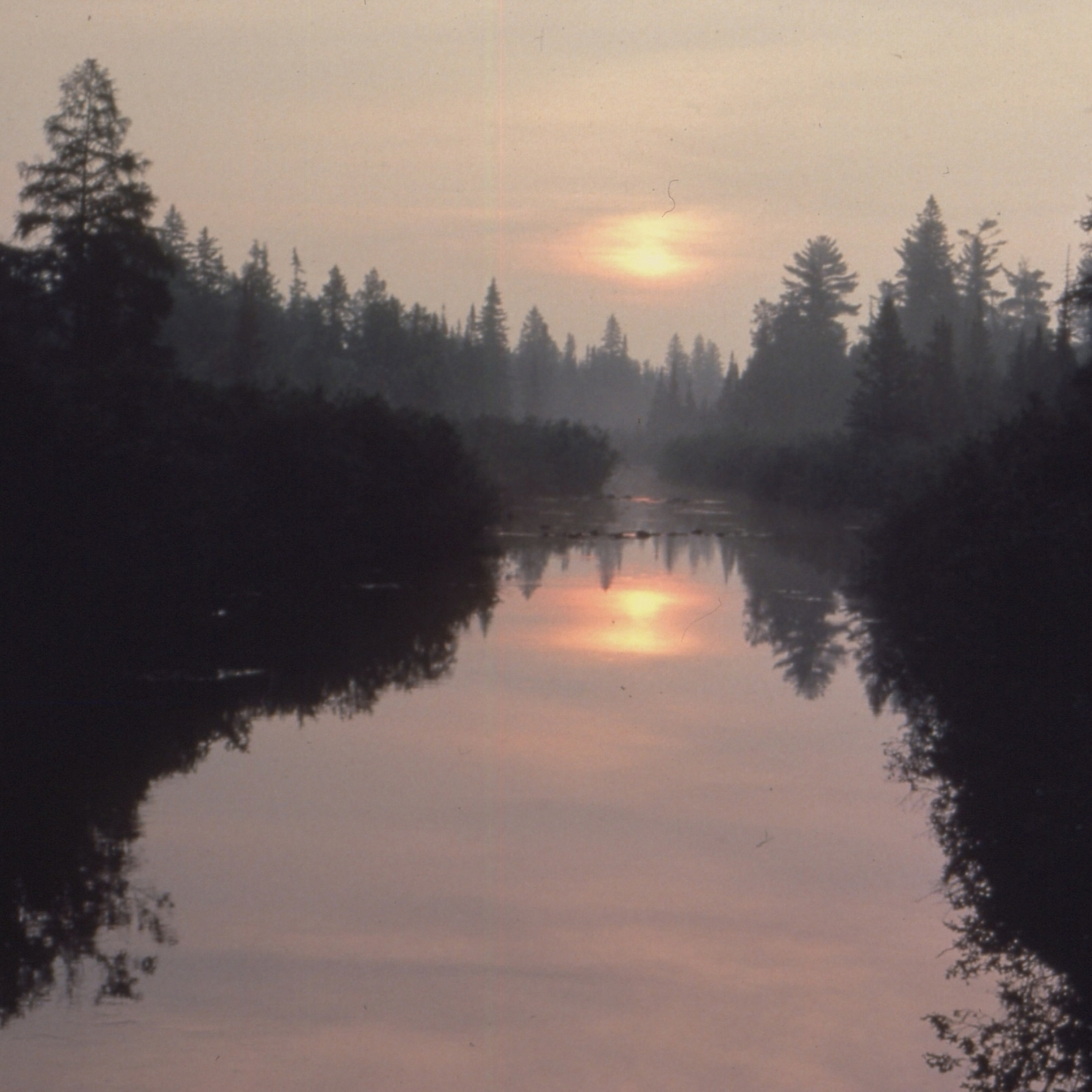
For TNC, work in the Northwoods began with land protections at some of the state’s most biodiverse and unique landscapes, including the Apostle Islands (first protection in 1970), the Bois Brule River in Douglas County (1981), the White River in Bayfield County (1982), Menard Isle near Tomahawk (1983) and a large acquisition near the north fork of the Flambeau River (1985). Through these acquisitions and conservation easements, these landscapes were protected for the long term, providing a safe haven for wildlife and creating opportunities for people to explore, connect with nature and enjoy the outdoors for generations to come.
The 1990s marked an important turning point for conservation across the Northwoods.
As momentum grew around protecting Wisconsin’s “Last Great Places,” TNC expanded its focus from protecting individual properties to conserving entire landscapes. Protection efforts included lands in the Kakagon-Bad River Sloughs watershed along Lake Superior in 1993 and at Caroline Lake in 1997, located just upstream in the same watershed.
Supported in part by funding from the Johnson Wax Fund, the Kakagon-Bad River project evolved into a long-term, landscape-scale conservation effort. Together, these projects helped champion a new conservation model that paired land protection with sustainable forestry and science-based management.
Conservation efforts at Kakagon-Bad River and Caroline Lake helped protect water quality throughout the Bad River watershed, which ultimately drains into Lake Superior. The work highlighted a critical connection: healthy forests support healthy water. These projects were among the earliest examples of forest management and watershed protection being approached as interconnected goals.
After the work of the ’90s, TNC made two new acquisitions in the Border Lakes Area near Michigan’s Upper Peninsula, with the Catherine Wolter Wilderness Area (2000) and Tenderfoot Forest Reserve (2005) coming online.
These projects focused on two unique aspects in the Northwoods: Catherine Wolter focused on protecting pristine, undeveloped inland lakes, and Tenderfoot focused on protecting old-growth forest stands, of which only 1% of the historic acreage remained. The forests also served as important living libraries for other forest projects. Due to their relative intactness, they have provided invaluable insights into the impacts of climate change on forest systems.
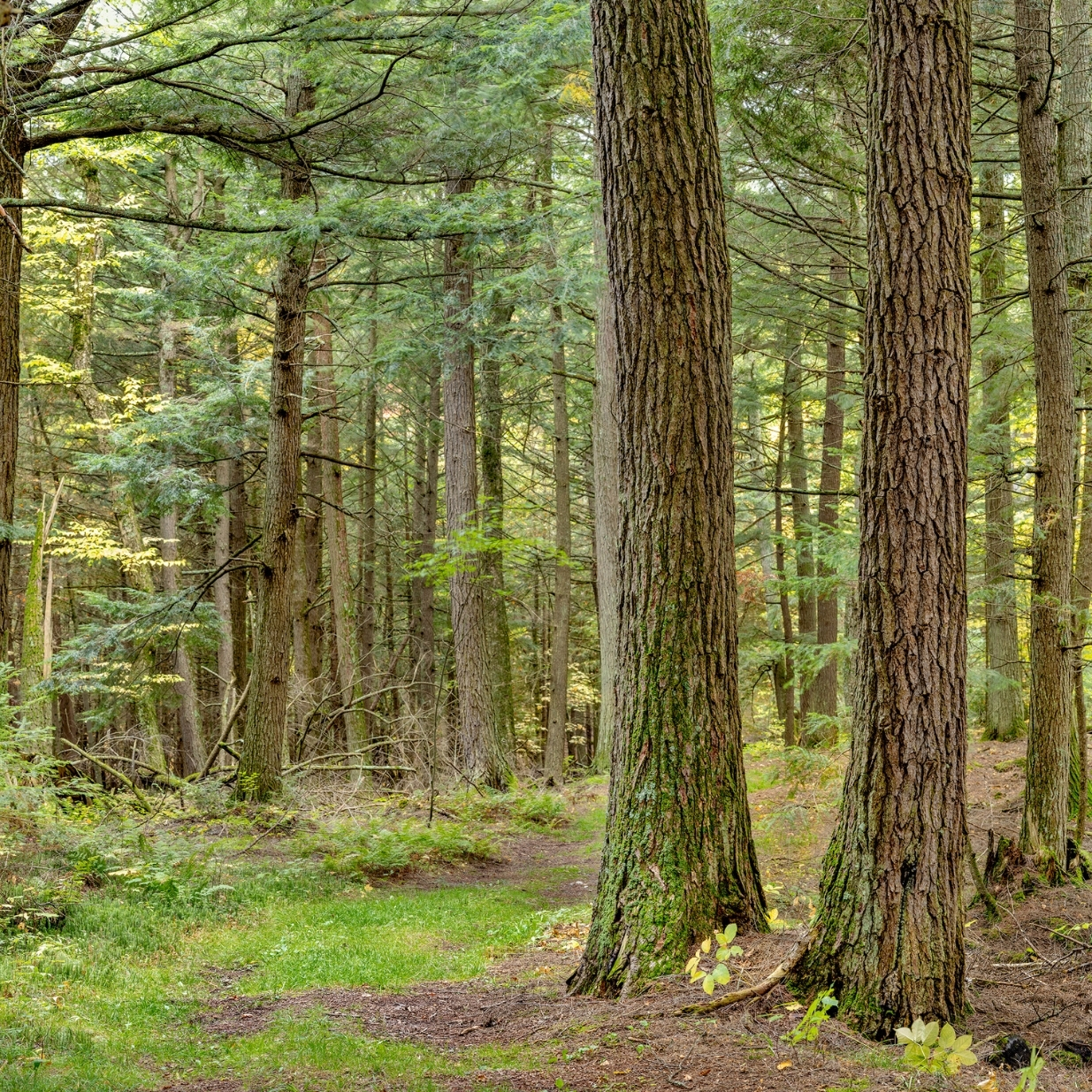
While the land protections of prior years and decades were significant, the 2000s had TNC and partners dreaming even bigger with purchases and easements totaling in the hundreds of thousands of acres between the Wild Rivers Legacy Forest (64,617 acres), purchased from International Paper, Waubikon Waters (19,094 acres), largely comprised of managed forest easements, and land deals with Plum Creek (21,300 acres) and Stora Enso (2,300 acres). The Plum Creek deal was especially noteworthy because it protected an area of forest connected to the Bad River Reservation, home to the Bad River Band of Lake Superior Chippewa.
These projects advanced a simple but powerful idea: keep forests as forests. By protecting working forests rather than converting them to other uses, conservation efforts could support sustainable timber production, safeguard wildlife habitat, protect water resources and sustain the recreation and tourism economies that many Northwoods communities depend on.
The result was a model that balanced ecological health with economic opportunity, demonstrating that conservation and working lands can successfully coexist.

We recognize the value of protecting these unique forest systems for animals and biodiversity and have also shifted to thinking about protection that benefits wildlife, biodiversity and people.
TNC’s conservation legacy in the Northwoods continues to grow. In late 2025, 502 acres were added to the Tenderfoot Forest Reserve, further expanding one of the region’s most important conservation landscapes.
The acquisition strengthens connections between protected lands across northern Wisconsin and Michigan’s Upper Peninsula, including the Northern Highland-American Legion State Forest and the Ottawa National Forest. This growing network of connected lands reflects a long-term vision for the Northwoods: a resilient, interconnected landscape where forests, waterways, wildlife and communities can thrive together.
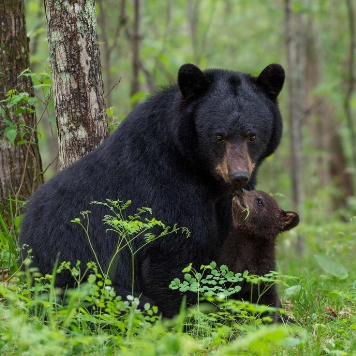
TNC’s approach to forest management in the Northwoods has evolved from a protection-first focus to an emphasis on sustainable forestry practices that provide a variety of nature-based benefits.
Healthy Northwoods forests filter water, improve air quality, store carbon, provide habitat for myriad plant and animal species and offer important economic benefits to local communities through timber harvests, recreation and tourism. TNC is proud of its legacy of Northwoods forest conservation.
What began as efforts to protect small pieces of the Northwoods in the 1970s has grown into a long-term vision for an expanding network of connected, resilient lands where forests, waterways, wildlife and communities can thrive together.


First acquisition of 1,481 acres on Michigan Island in the Apostle Islands.

First of several conservation easements, ultimately totaling 4,800 acres, acquired at Bois Brule River in Douglas County.

Landscape-scale project initiated at Kakagon/Bad River Sloughs.

Tenderfoot Forest Reserve established with the purchase of 971 acres from the Rahr family.
Tenderfoot Forest
Wild Rivers (2006) and Wabikon Waters and Woodlands (2010) protected, marking a shift to large working forest easements.
Wild Rivers LegacyExplore more inspiring seeds and stories from across the Upper Midwest and Wisconsin.


