


Sprucing Things Up a Bit
West Virginia's conservation and lands teams continue to plant thousands of trees across the state.
This page was updated on October 28, 2026.
Restoring a Forest Once Lost
High in the mountains of West Virginia, a quiet transformation is underway. The red spruce forests of the Central Appalachians—once a nearly vanished ecosystem—is returning, acre by acre, seedling by seedling, thanks to decades of collaboration, science and determination.
“Today, only about 68,000 of the original nearly 1,000,000 acres of spruce remain,” says Mike Powell, director of land management and stewardship for The Nature Conservancy in West Virginia.
These forests were almost entirely wiped out in the early 1900s by industrial logging and wildfires. Today, they are rising again. And their comeback is one of the most hopeful conservation stories in the region.

A Landscape‑Scale Effort
For years, The Nature Conservancy and partners across West Virginia, Maryland, Virginia and Pennsylvania have been working together to reconnect fragmented spruce stands, restore damaged soils and bring back the cool, high‑elevation habitat on which so many species depend.
“Today’s challenges, like climate change, large-scale land use changes and invasive species, mean that we need to think about conserving and restoring lands and waters at a much larger scale if we want our work to stand the test of time,” says Thomas Minney, executive director of The Nature Conservancy in West Virginia.
This is not a small project, but rather a landscape-scale restoration effort spanning public lands, private lands and former industrial sites. It is science‑driven, community‑powered and rooted in a shared vision: a thriving spruce ecosystem stretching across the historic range in the Appalachians.
Spruce Forests of West Virginia


A Major Leap Forward
In 2026, the work reached a new milestone. With TNC staff, partners, volunteers, AmeriCorps members and local contractors, we planted more than 160,000 red spruce trees, the largest single‑year planting effort in the history of our program.
This surge in restoration is accelerating the return of habitat for species like the northern flying squirrel, snowshoe hare and countless native plants that rely on cool, moist spruce forests.
It’s also strengthening climate resilience. Red spruce forests store carbon, regulate temperature and help buffer communities from extreme weather, making them a powerful natural climate solution for the region.
Why Spruce Matters
Red spruce forests are more than beautiful; they are ecological anchors.
They support rare wildlife. They stabilize soils and protect headwaters. They create microclimates that help species survive warming temperatures. They connect people to the wild, high‑country landscapes that define the Mountain State.
Restoring spruce means restoring the health of the entire mountain ecosystem—from the forest floor to the canopy, from the wetlands to the ridgelines.
Download

This guide is designed to assist ecological restoration practitioners and forestry professionals. Download the guide here!
DownloadA Partnership Rooted in Hope
This work is only possible because of TNC’s Plant a Billion Trees Program and the Central Appalachian Spruce Restoration Initiative (CASRI), a coalition of agencies, nonprofits, researchers and community partners working together across state lines.
Every seedling planted, every acre restored, every volunteer day contributes to a future where red spruce forests once again blanket the high mountains of Appalachia.
The Forest Is Returning
And the results are visible. Young spruce are taking root. Wildlife is returning. Fragmented forests are reconnecting. Wetlands and headwaters are stabilizing. The mountains are becoming more resilient.
This long‑term work is patient, steady and hopeful. But every year, the forest grows stronger. And every tree planted is a promise to the future.
Restoration in Action
-

Cranesville Swamp
Working to restore the native conifer forests that help regulate temperature and maintain the “frost-pocket” effect that creates suitable habitat for species such as red spruce. Explore Cranesville Swamp
-

Allegheny Front Preserve Complex
Ensure one of the most important pinch points for landscape connectivity in the Central Appalachians remains intact. Explore the Preserve Complex
-
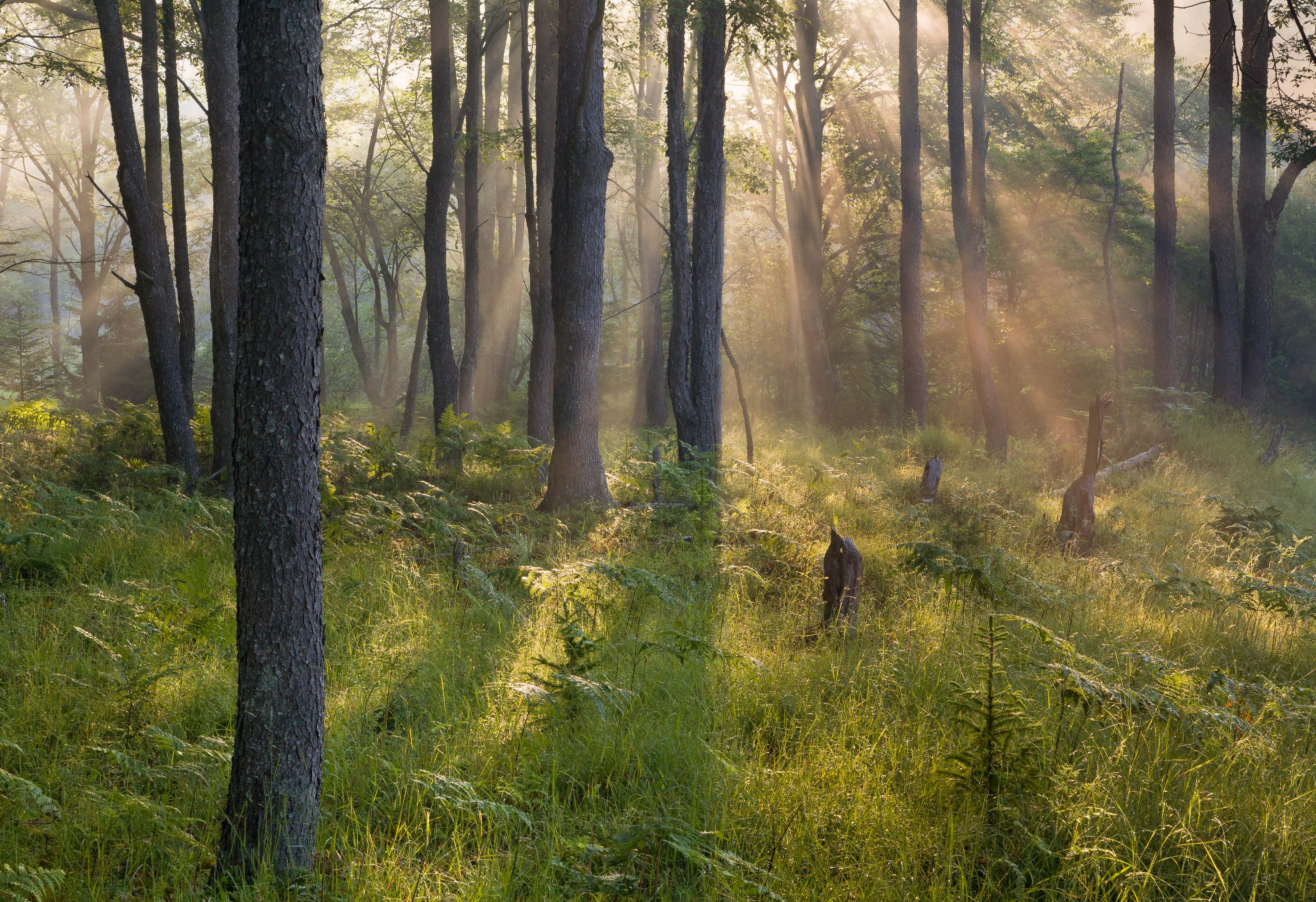
Canaan Valley
Planting Canaan balsam fir and red spruce, which will help restore areas to native conifer species that have been slow to regenerate naturally.
-

Cheat Mountain
Increasing restoration efforts at the Mower Tract by providing funds to plant up to 50,000 red spruce seedlings on areas disturbed by strip mining.
-
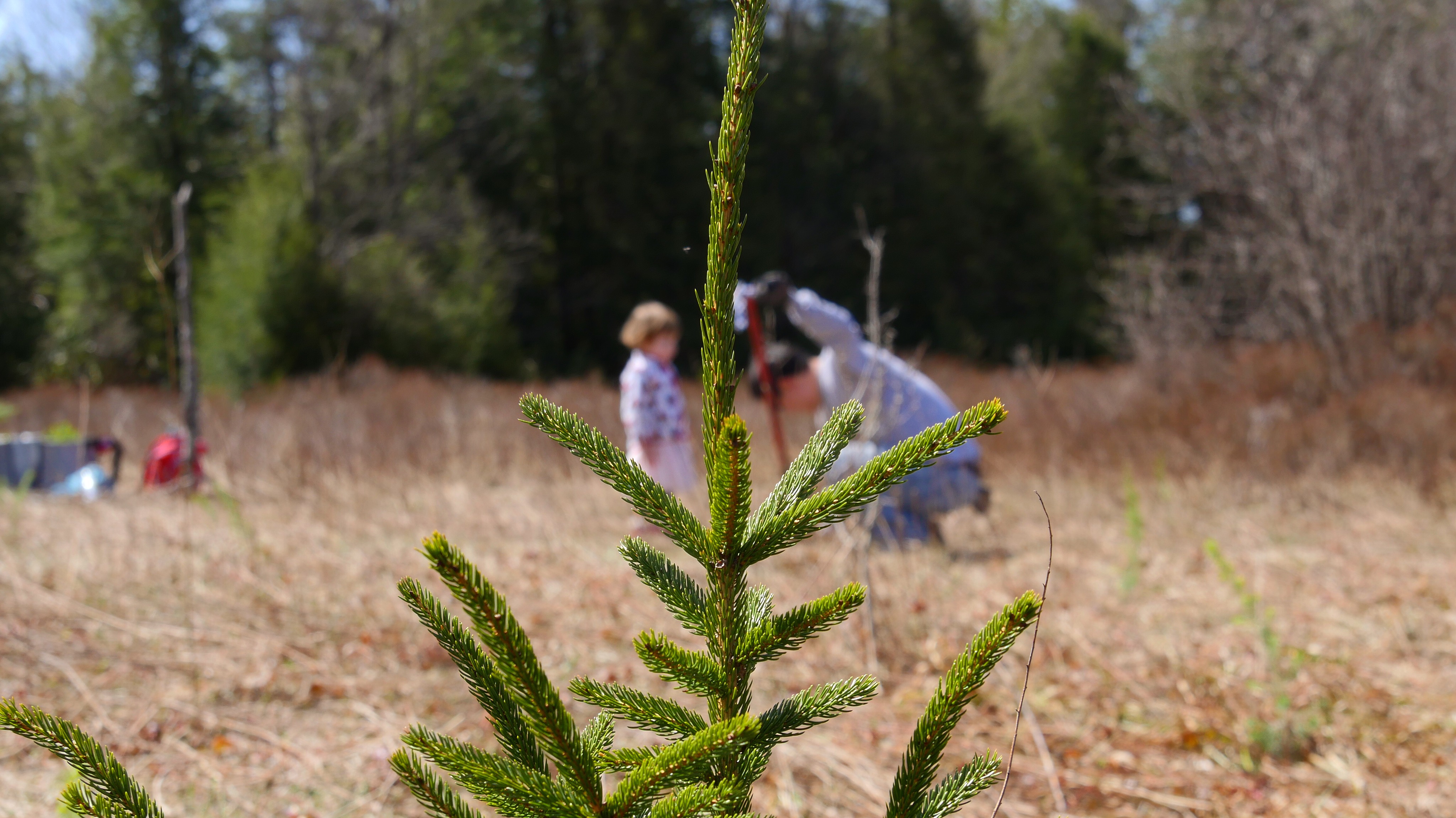
Sharp’s Knob
In partnership with TNC, spruce and associated hardwood seedlings provided to the Marlinton-White Sulfur Ranger District of the Monongahela National Forest, as well as the funds to plant them.
Our Work in West Virginia

Safeguarding a Climate Stronghold
Our work in the Central Appalachians will play a critical role in ensuring nature's survival in the face of climate change.

Nature and Economy
The Nature Conservancy has a multi-pronged approach to utilizing nature to diversify West Virginia's economy while bringing new and sustainable revenue streams to the state.

A Keystone Protected
TNC acquired a 1,143-acre tract that is key to promoting tourism, providing drinking water and standing as a resilient stronghold.