


The Prairie Never Sleeps
Discover what happens across Oklahoma's prairies when the temperatures begin to drop.
As the vibrant colors of wildflowers and green grasses give way to the golden yellows, rusty oranges and bright reds of fall, Oklahoma's prairies begin to look a little different. Temperatures drop, wildflowers finish blooming, many migratory birds head south and the landscape seems to become a little quieter.
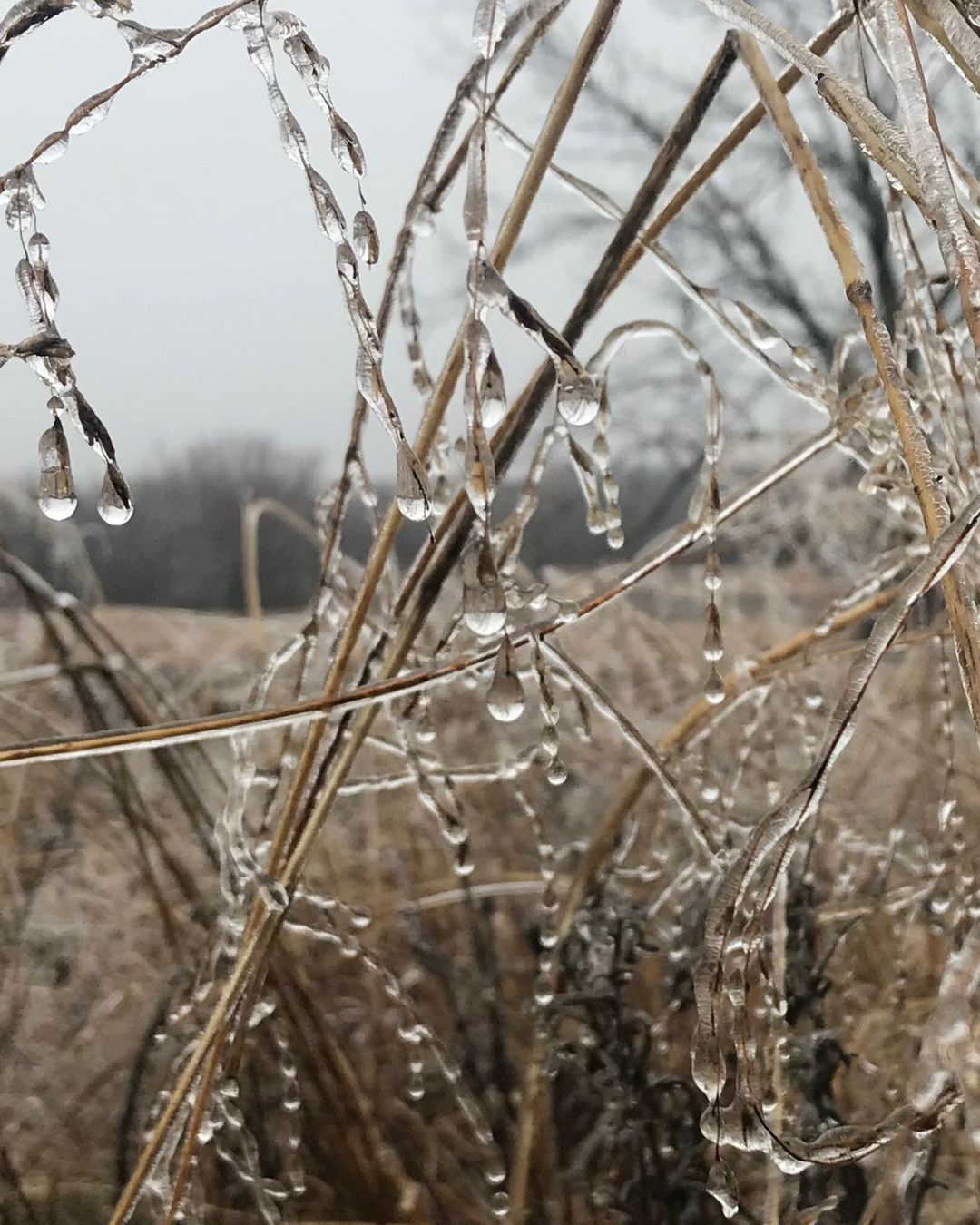
Life Beneath the Grass
While much of the prairie may appear dormant aboveground, there's an entire world continuing beneath the surface.
Many native prairie plants are perennials, meaning they survive from year to year. As temperatures drop, their aboveground growth dies back or becomes dormant, while their roots and other underground structures remain alive.
These extensive root systems do more than help plants survive winter. They hold soil in place, support water infiltration and store carbon, making them an important part of a healthy grassland ecosystem.
And they're not alone underground. Insects and other small organisms find shelter in the soil, leaf litter and plant stems, waiting for warmer days to return.
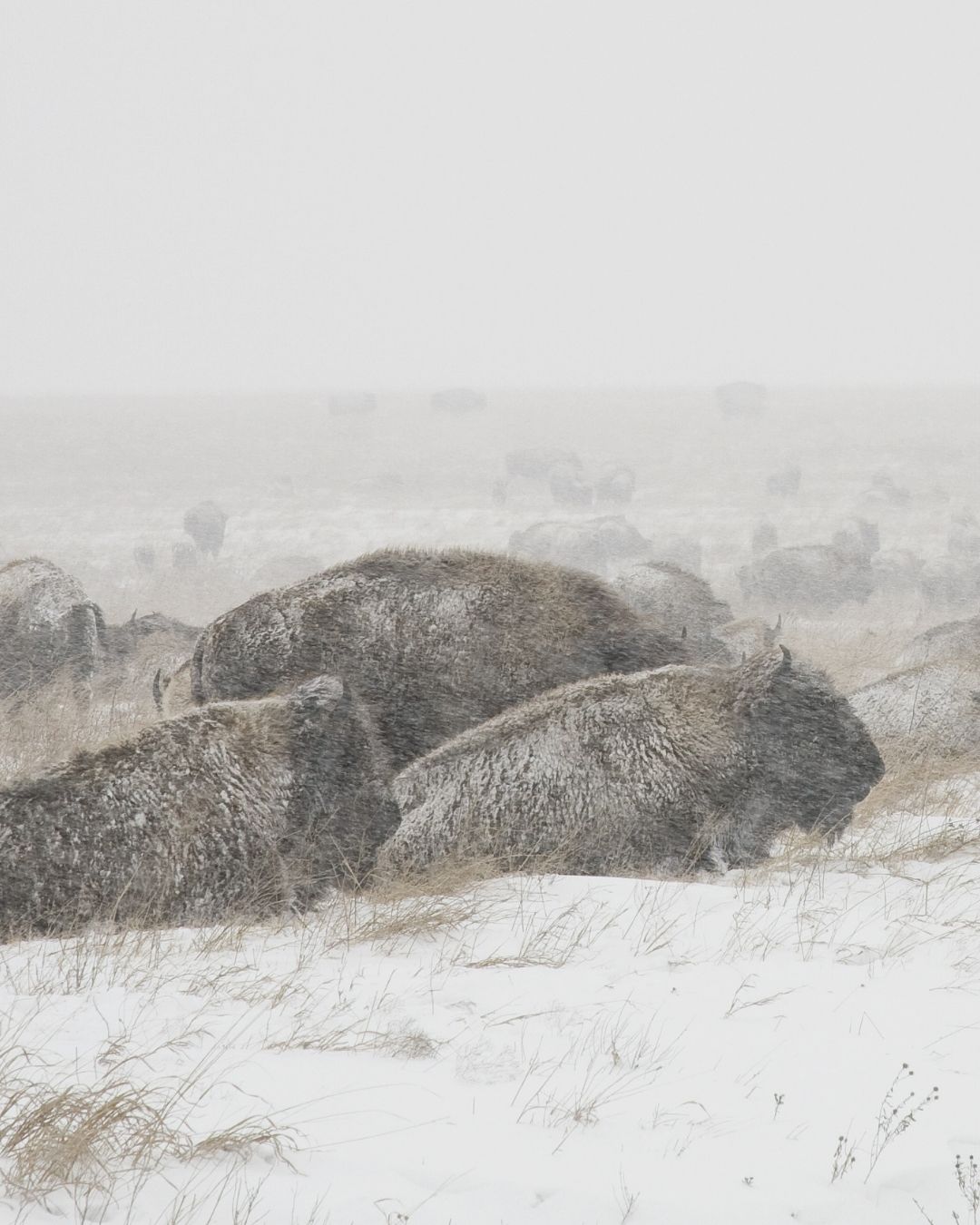
Wildlife Find a Way
For Oklahoma's wildlife, colder weather brings a different set of challenges and opportunities.
Some birds remain on Oklahoma's prairies throughout winter, each with their own ways of adapting to the colder weather. Greater prairie-chickens rely on grassland habitat for food and shelter, while northern bobwhite seek cover in dense vegetation. Native sparrows and other birds continue searching for seeds among the grasses.
Mammals have their own strategies. Nine-banded armadillos spend more time sheltered in their burrows during colder weather, emerging when temperatures are warmer to search for food. Some of Oklahoma's bats hibernate in caves and other protected places, while others migrate. Meanwhile, species like white-tailed deer, coyotes and bobcats grow thicker coats to help them through the winter.
Even standing grasses and dried wildflower stems serve a purpose. They provide shelter from winter weather and cover from predators, while leftover seeds offer an important food source for birds and other wildlife.
Whether they're resting underground, searching for food or remaining active through the colder months, Oklahoma's wildlife reminds us that life on the prairie continues in many different ways.
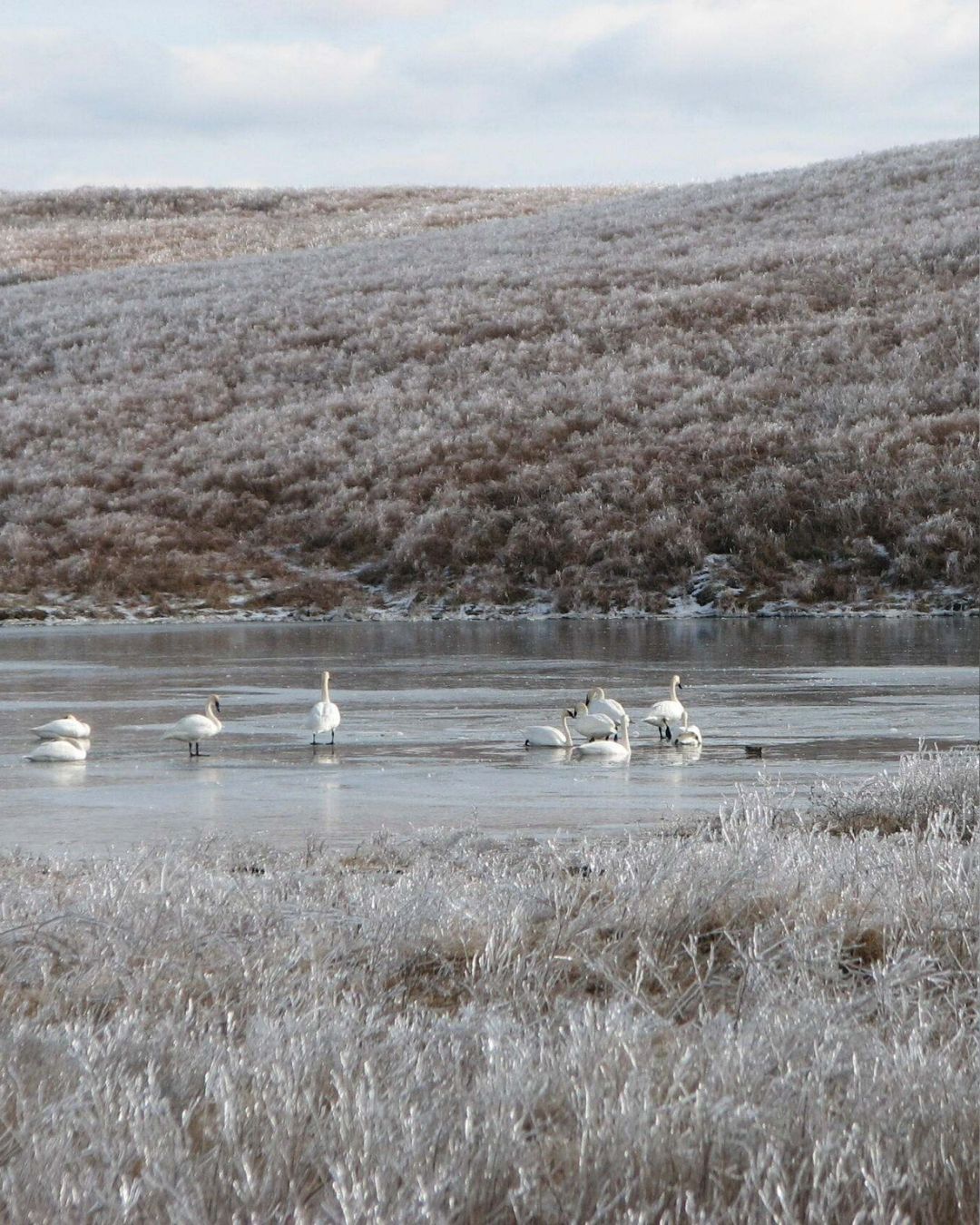
Life Along the Water
Even as temperatures drop and ice begins to form, Oklahoma's prairie wetlands, rivers and streams continue to support life throughout the winter.
Where water remains open, ducks and other waterbirds can find places to rest and feed. Beneath the surface, fish and aquatic insects continue their lives, often becoming less active as water temperatures fall. Some frogs and turtles spend the colder months sheltered underwater or in the mud, waiting for warmer conditions to return.
Wetlands also provide important habitat beyond the water's edge. Cattails, reeds and other vegetation offer shelter for birds and small mammals, while the surrounding landscape provides places to find food and escape harsh weather.
These watery habitats are an important part of Oklahoma's prairie ecosystems, supporting wildlife even during the coldest months and reminding us that winter is far from a quiet season.
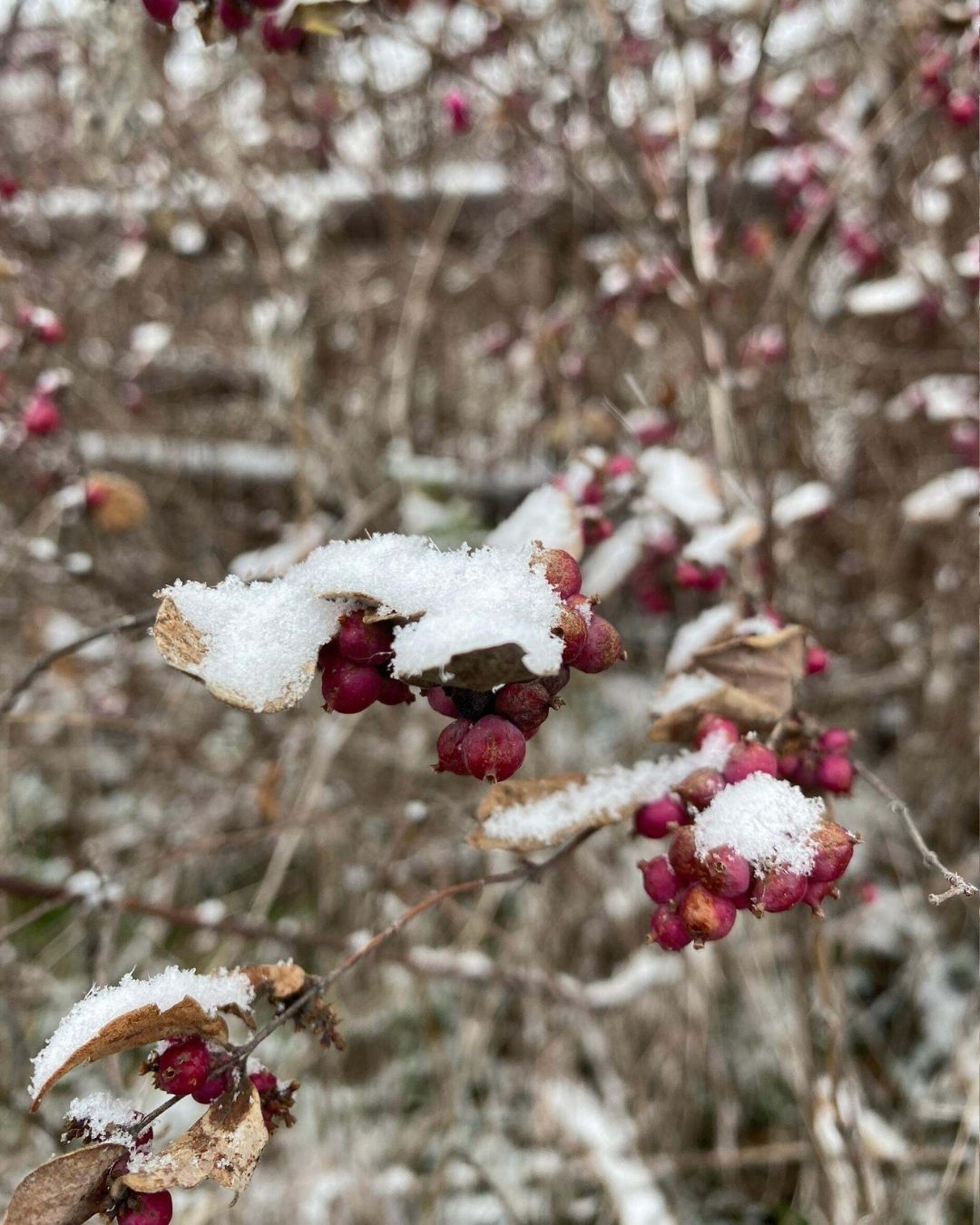
Explore the Winter Prairie
Colder temperatures don't mean you have to stay indoors! Winter offers a different way to experience Oklahoma's prairies, with peaceful landscapes, opportunities to spot wildlife and plenty of little details waiting to be discovered.
Bundle up and see what you can find on your next outdoor adventure.
Look for wildlife tracks. A fresh layer of snow can reveal who's been moving through the prairie. Keep an eye out for tracks left behind by deer, rabbits, birds and other wildlife. You might be surprised by how much activity happens when no one is watching.
Not all birds head south for the winter! Grab a pair of binoculars and look for birds perched among the grasses, searching for seeds or flying overhead. Even a short walk can offer opportunities to discover who's spending the season nearby.
Grab your camera and take a winter photography walk. Golden grasses, frosty seedheads and snow-covered landscapes make winter a beautiful time to explore with a camera. Challenge yourself to capture the small details that make the prairie special during the colder months.


Explore More of Our Work

Undercover Pollinators | The Nature Conservancy
Discover Oklahoma's undercover pollinators and the surprising roles moths, wasps, beetles and even spiders can play among the blooms.

Celebrating The Nature Conservancy’s Legacy in Oklahoma
For 40 years, we’ve helped protect the lands and waters on which all life depends—in Oklahoma and beyond.

Prescribed Burn at Pearl Jackson Crosstimbers Preserve | The Nature Conservancy
Learn how years of planning and collaboration led to the first prescribed burn at Pearl Jackson Crosstimbers Preserve and expanded TNC's use of fire as a conservation tool in Oklahoma.