

Reflecting on a Legacy of Conservation in Oklahoma
For 40 years, The Nature Conservancy has worked alongside partners to protect Oklahoma’s lands, waters and the life they support.

Since 1986, The Nature Conservancy in Oklahoma has protected nearly 140,000 acres, grown to manage 11 preserves and conservation properties, and expanded its conservation impact across the state's diverse landscapes. Today, that legacy continues through science-driven stewardship, collaborative partnerships and a shared commitment to a resilient future for Oklahoma’s lands, waters, wildlife and people.

We Can’t Save Nature Without You
Sign up to receive monthly conservation news and updates from Oklahoma.
Connecting People to Conservation
The Nature Conservancy has helped protect some of Oklahoma's most remarkable landscapes, from sweeping prairies and rugged forests to freshwater streams and critical wildlife habitat. Today, our preserves and conservation properties serve as living examples of conservation in action, demonstrating how science, stewardship and partnership can benefit both people and nature.
These places protect native plants and wildlife, support research and land management innovation, and provide opportunities for Oklahomans to experience the landscapes that make our state unique.


40 Years of Conservation in Oklahoma
1986
The Oklahoma chapter of The Nature Conservancy was established.


The Nature Conservancy protected its first preserve in Oklahoma: Boehler Seeps and Sandhill Preserve. This preserve spans 484 acres of bluejack oak sandhills and unique seep wetlands.
Learn More
Twin Cave Preserve was added, which will go on to be a part of the Ozark Cave Preserves. This area safeguards a unique cave system and surrounding forest, providing important habitat for cave-dwelling wildlife.
Learn More
TNC protected Cucumber Creek Preserve, a 3,629-acre summer home for nesting neotropical migrant birds.
Learn More
TNC protects Tallgrass Prairie, which was renamed the Joseph H. Williams Tallgrass Prairie Preserve in 2015 in honor of Joseph H. Williams (1933-2023), founder of TNC's Oklahoma chapter.
Learn More1990
Throughout the ’90s The Oklahoma Chapter continued to protect more of the unique landscapes found throughout the state.


Named for a layer of black lava rock formed about 30 million years ago, Black Mesa Preserve protects Oklahoma's highest point at 4,973 feet above sea level.
Learn More
A gift from the Buddy Smith family, Pontotoc Ridge Preserve spans 2,900 acres in south-central Oklahoma and has proven to be a regional hot spot of butterfly diversity, boasting over 90 species.
Learn More
Eucha Nature Preserve was created to protect sensitive subterranean ecosystems that support unique species, including the Ozark cavefish and Ozark cave crayfish.
2000
The early 2000s marked continued growth, with new preserves protecting forests, canyons and wildlife habitat across the state.


The Oklahoma Chapter protected J.T. Nickel Family Nature & Wildlife Preserve, the largest privately protected conservation area in the Ozarks, thanks to a land gift from the John Nickel family.
Learn More
Protected in 2002, Keystone Ancient Forest Preserve is Oklahoma's first and only forest included in the national Old-Growth Forest Network.
Learn More
Protected in 2004, Four Canyon Preserve encompasses 4,000 acres along the Canadian River and provides habitat for a number of rare grassland birds such as Cassin's sparrow and Swainson's hawk.
Learn More2012
From expanding conservation into new landscapes to celebrating 40 years of impact, this era reflects Oklahoma's continued commitment to protecting the state's natural heritage.


Protected in 2012, Oka’ Yanahli Preserve stretches across 3,600 acres, and its name means "flowing water" in Chickasaw. This preserve protects two miles of the Blue River, one of only two free-flowing rivers in Oklahoma.
Learn More
Established through a landmark family land donation, Pearl Jackson Crosstimbers Preserve conserves more than 12,000 acres of Cross Timbers forest and native prairie.
Learn More
Sand Creek Ranch expanded The Nature Conservancy's conservation footprint by 5,000 acres while protecting native grasslands and supporting Oklahoma's ranching heritage.
Learn More
For 40 years, The Nature Conservancy has worked alongside partners and communities to help protect nearly 140,000 acres across Oklahoma's diverse landscapes.
Building on 40 Years of Conservation
While our history reflects four decades of conservation progress, our work is far from finished. Across Oklahoma, The Nature Conservancy is advancing science-based solutions, restoring critical habitats and partnering with communities to address today’s conservation challenges. Explore some of the ways we’re working to create a more resilient future for Oklahoma’s lands, waters, wildlife and people.
Science in Service of Nature
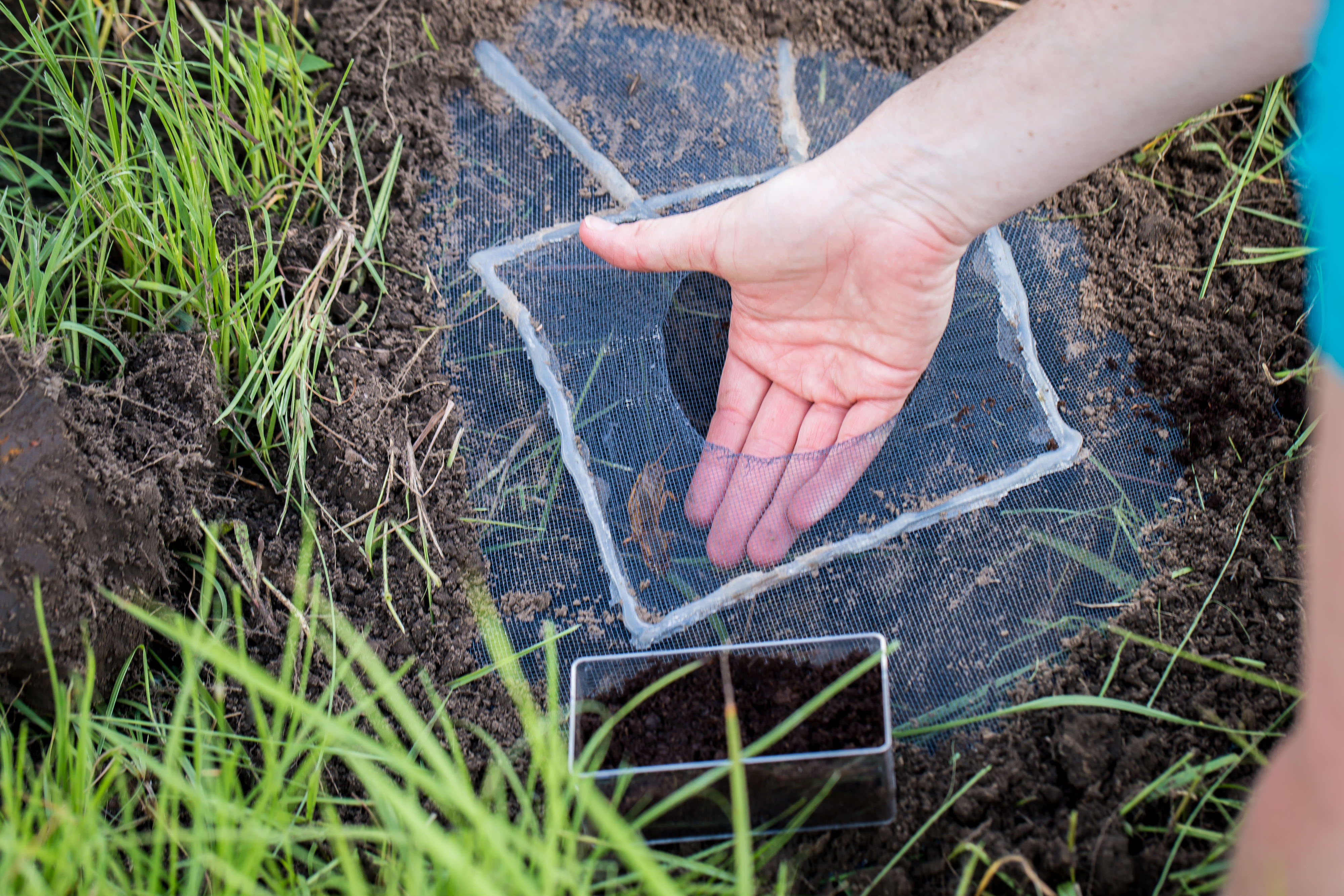
Oklahoma’s preserves are not only protected places. They are places to ask questions, test ideas and learn.
For decades, researchers have studied the state’s prairies, forests, caves, rivers and wildlife to better understand how natural systems work and how they are changing. At the Joseph H. Williams Tallgrass Prairie Preserve, long-term research has explored everything from soil and climate to the relationships among fire, grazing and biodiversity.
Other research has focused attention on species that can easily go unnoticed, including the prairie mole cricket, whose nighttime calls offer scientists a window into the health and complexity of grassland ecosystems.
These discoveries help inform conservation decisions in Oklahoma and contribute to a broader understanding of how nature can remain resilient in a changing world.
Restoring a River, One Tree at a Time
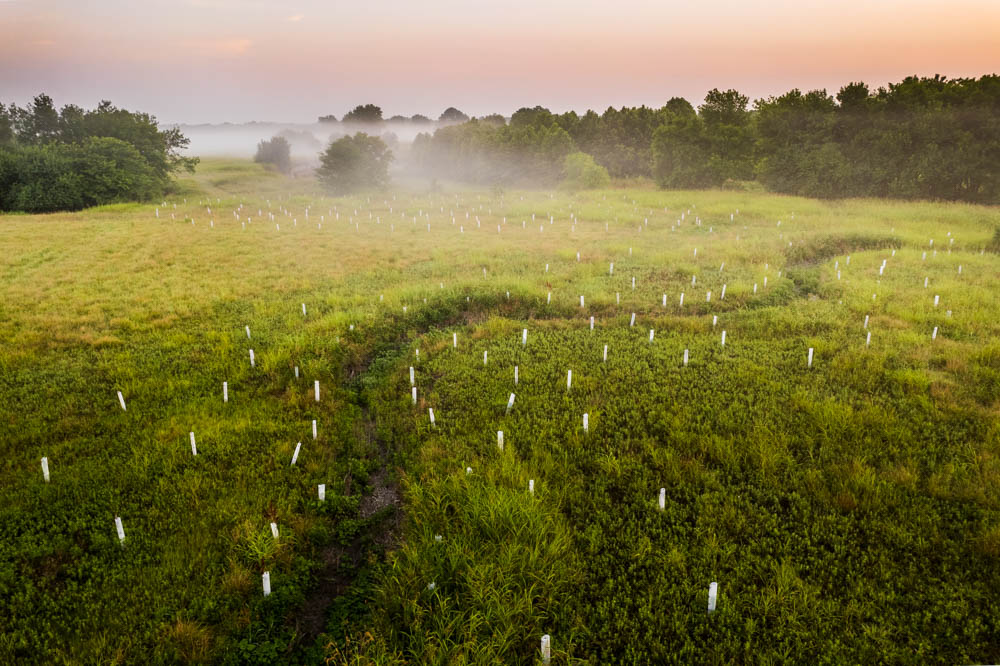
Along the Blue River, restoration is helping reconnect land and water. At Oka’ Yanahli Preserve, TNC planted more than 4,000 native trees to restore streams and wetlands that feed one of Oklahoma’s few free-flowing rivers. The project shows how conservation partnerships can support healthier habitat, cleaner water and greater resilience. As these native trees mature, they will help stabilize streambanks, improve water quality and create habitat for wildlife, demonstrating how restoration today can benefit both people and nature for generations to come.
Protecting the Next Great Grassland Landscape
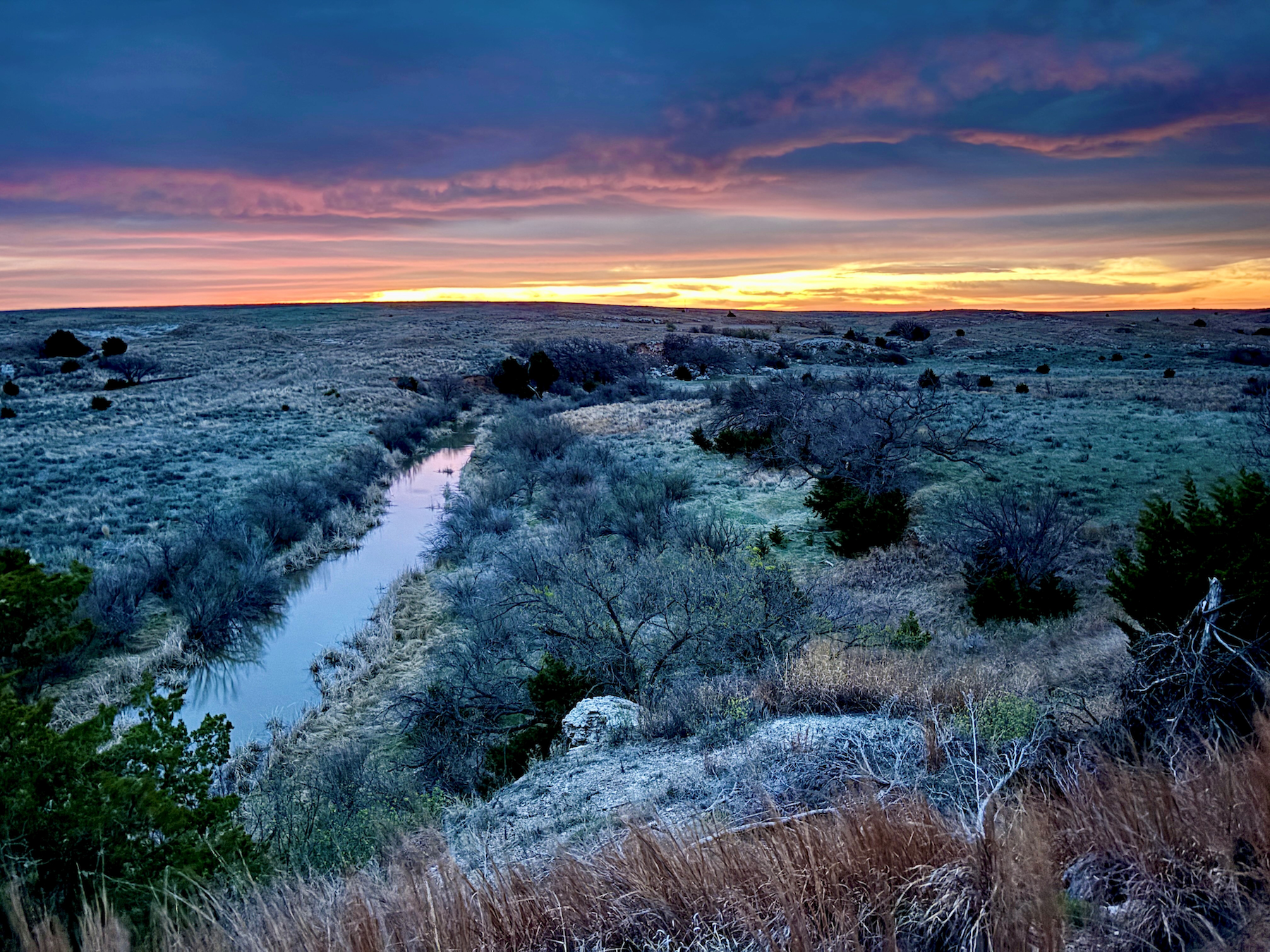
In Oklahoma’s Red Hills, a new chapter of conservation is taking shape. The 5,000-acre Sand Creek Ranch protects untilled grasslands, perennial streams and habitat for wildlife, including the federally threatened lesser prairie-chicken. Its protection expands TNC’s work in a region where connected, resilient grasslands are increasingly important. By protecting large, intact landscapes like Sand Creek Ranch, we can help sustain native species, strengthen ecosystem resilience and preserve the natural character of the Red Hills for years to come.
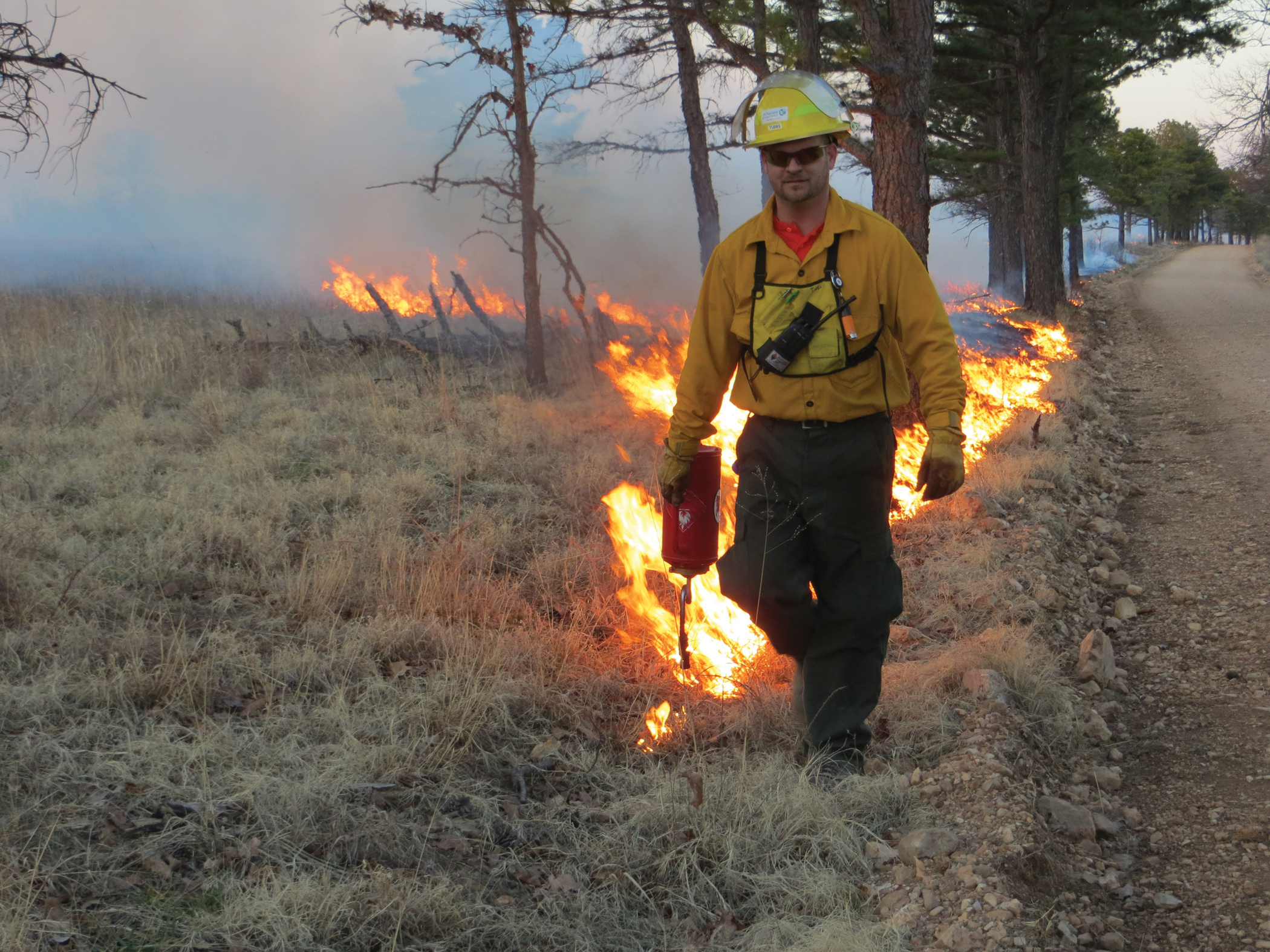
Bringing Fire Back to the Land
Fire has shaped many of Oklahoma’s landscapes for generations. Yet for much of the past century, its absence changed the character of prairies and forests, allowing woody plants to spread and altering habitat for wildlife.
TNC has helped advance the use of prescribed fire as a conservation tool across Oklahoma. At the Joseph H. Williams Tallgrass Prairie Preserve, fire works alongside bison grazing to create a shifting mosaic of habitat across the prairie. In eastern Oklahoma, prescribed fire is helping restore and maintain healthy forests and woodlands.
Today, that work extends beyond TNC preserves through partnerships, training and collaboration that help land managers safely return this natural process to the landscape.
Looking to the Next 40 Years
Over the last four decades, we’ve helped protect some of Oklahoma’s most important places and advanced conservation through collaboration, science and stewardship. As we look ahead, that work continues with the same optimism and determination that have guided us since 1986.
Together with our partners, supporters and communities, we’re building a future where people and nature can thrive across Oklahoma for generations to come.
Support Conservation in Oklahoma
Your support helps protect Oklahoma's prairies, forests, rivers and wildlife. Together, we can continue creating lasting conservation solutions for people and nature.

Explore More of Our Work

Bison Round Up At Tallgrass Prairie Preserve
Tallgrass Prairie bison are rounded up each fall for their annual checkup.

Conservation Easements
What are conservation easements and why are they important? Learn how The Nature Conservancy in Oklahoma is using this tool to protect resilient lands and waters.

Protecting Oklahoma Watersheds
See the diversity in Oklahoma’s rivers and learn how The Nature Conservancy is protecting them.