
Following the Scent: Dogs Join the Fight to Save Bog Turtles
Trained dogs are helping biologists find threatened bog turtles to boost the species’ survival


Dive In
Bog turtles are one of the rarest reptiles in North America, and in North Carolina, conservation dogs are helping scientists find and protect them. This story follows Peat—a trained conservation dog—as he searches for turtles in the Southern Appalachian mountain bogs.
Arden is going back and forth from the car to the kitchen. I smell my treats as she puts some in her fanny pack… jerky flavor, my favorite! I also smell turkey treats, which I’m pretty sure are for Lettie, since she would die for one. Oh wait—I see my ball!! I’m ready. Let’s go, Arden! I know it’s time to go on an adventure. She keeps telling us to hold still while she loads the car, but I can’t contain my excitement.
I hear her again—“Want to go to work?”—and I sprint to the car and jump into my crate. Lettie follows right behind me. Arden shuts our door and the car starts moving. I hope this ride isn’t as long as the one a few days ago from home (New York) to this new place where we came to play (North Carolina).
The car stops and I hear her open the back door. Yes, yes—is it my turn? Am I going first? Yes, I am! Arden helps me jump out of the car and puts my collar on. Off we go! I know exactly what I have to do to get my ball: find a turtle. It’s my favorite game. And it’s even more challenging here, because the turtles aren’t on the surface like I’m used to—they’re under wet soil and grass. This new challenge makes the game even more exciting.
We step into the field. I know this is it. Arden, please let me off the leash. “Find!” And I’m off! Sniff, sniff, sniff. I know they’re here somewhere.
“Peat, this way!” Oops, I didn’t even notice I’d gotten too far. I run back to her again. She’s a good partner in this game. Wait—what’s that? The smell is getting stronger.
I stop and stare. Hey! Right here!
Arden and our new friend Emilly come over and start digging around the area.
Is it a turtle? Is it? Is it?
“Yes!” Arden says as she reaches for her fanny pack.
Woohoo!! It’s time to play with my ball.


Bog Turtle Conservation in North Carolina
Bog turtles are a threatened species in North Carolina, and their tiny size and charming faces have unfortunately increased demand in the illegal pet trade—making them especially vulnerable to poaching. They depend on rare mountain bogs, that have mostly been ditched and drained for development or agriculture, leaving turtles with fewer places to survive. Bog turtles naturally move between wetlands using streams, rivers and forested corridors to find nesting sites, mates and wintering habitat. Today, however, those once connected forests have been replaced by roads, barriers, and other hazards. Together, these pressures—and many others—have contributed to the species’ decline.
The Nature Conservancy (TNC) is working with the Amphibian and Reptile Conservancy (ARC), the Wildlife Resources Commission (WRC) and the Knoxville Zoo on a headstarting program designed to help recover bog turtle populations. The team carefully collects bog turtle eggs and transports them to the Knoxville Zoo, where they are incubated, hatched and raised until the young turtles reach a healthy size and weight to be released in the same bogs they came from. This approach significantly improves their chances of survival, since eggs and young turtles in the wild face extremely high rates of predation.


Bog turtles are tiny—adults only grow to about 4 inches long—and are notoriously hard to find under inches of mud. In addition, Hurricane Helene swept large amounts of sediment into many bogs. After the storm, it’s still unclear exactly how the turtles are doing. That’s why TNC and partners brought professional sniffers from the New York New Jersey Trail Conference to help conservationists understand post-storm population numbers and keep tagging turtles for the headstarting program.
Conservation Dogs Finding Bog Turtles
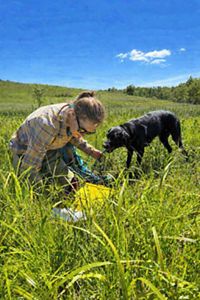
Arden Blumenthal
Dog mom, trainer and program coordinator at the New York New Jersey Trail Conference. Arden has experience in ecology and animal behavior, which she uses every day in her work with invasive or endangered species.
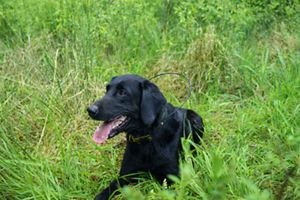
Peat
He’s a tornado of energy, practically creating his own wind wherever he goes. Fun fact: He loves doing trust falls with Arden.
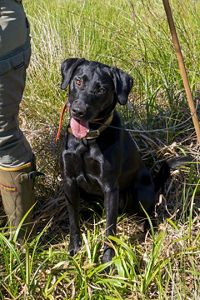
Lettie
She moves at the beat of her own drum, slow and steady. She notices everything in her environment and works with quiet diligence. Fun fact: When she’s in trouble, she gets called Leticia.
Dog Training Steps
- Training begins with teaching the dog to search — using food or a favorite toy, whichever motivates them most.
Next comes alert behavior, where the dog learns to signal a find.
The trainer introduces target odors, a process called imprinting.
These steps are repeated many times before going into the field.
The New York New Jersey Trail Conference conservation dogs program began in 2018 with an innovative and adorable idea: train dogs to find rare invasive plants. Over the years, they have expanded to endangered animals and even fungi. It’s no secret that dogs have an extraordinary sense of smell—up to 100,000 times stronger than ours. They’re also agile and hardy, able to navigate difficult terrain with minimal environmental impact.
Their success detecting box and wood turtles made them the perfect candidates to join us on this bog turtle project. The habitat, animal size and behavior of this species is new to the conservation dogs. These turtles live in bogs and like to burrow into mud—meaning their scent is faint. Arden Blumenthal, their trainer, helped the dogs adjust their search patterns to detect the small amount of odor available.
“Dogs can learn a new odor in just days. But the hard part about doing new projects is learning how to search for it,” Arden explains. Peat and Lettie are quick learners, and each day in the field helps them refine their skills for the next search.

“Peat loves his job more than anything,” Arden says. “He’s a workaholic. He loves using his nose and being physical, and most of all, he’s obsessed with playing with his toy with me. Our relationship—and the value he places on that toy—gives him the motivation to search for things that aren’t naturally relevant to him.”
The conservation dogs team spent a week in North Carolina searching for bog turtles, especially females, so the ARC team can tag them before nesting season. During nesting, the team tracks the turtles until they lay their eggs. The conservation dogs returned in June to help locate turtle nests so the eggs can be safely transported to the Knoxville Zoo.
Southern Appalachian Bogs
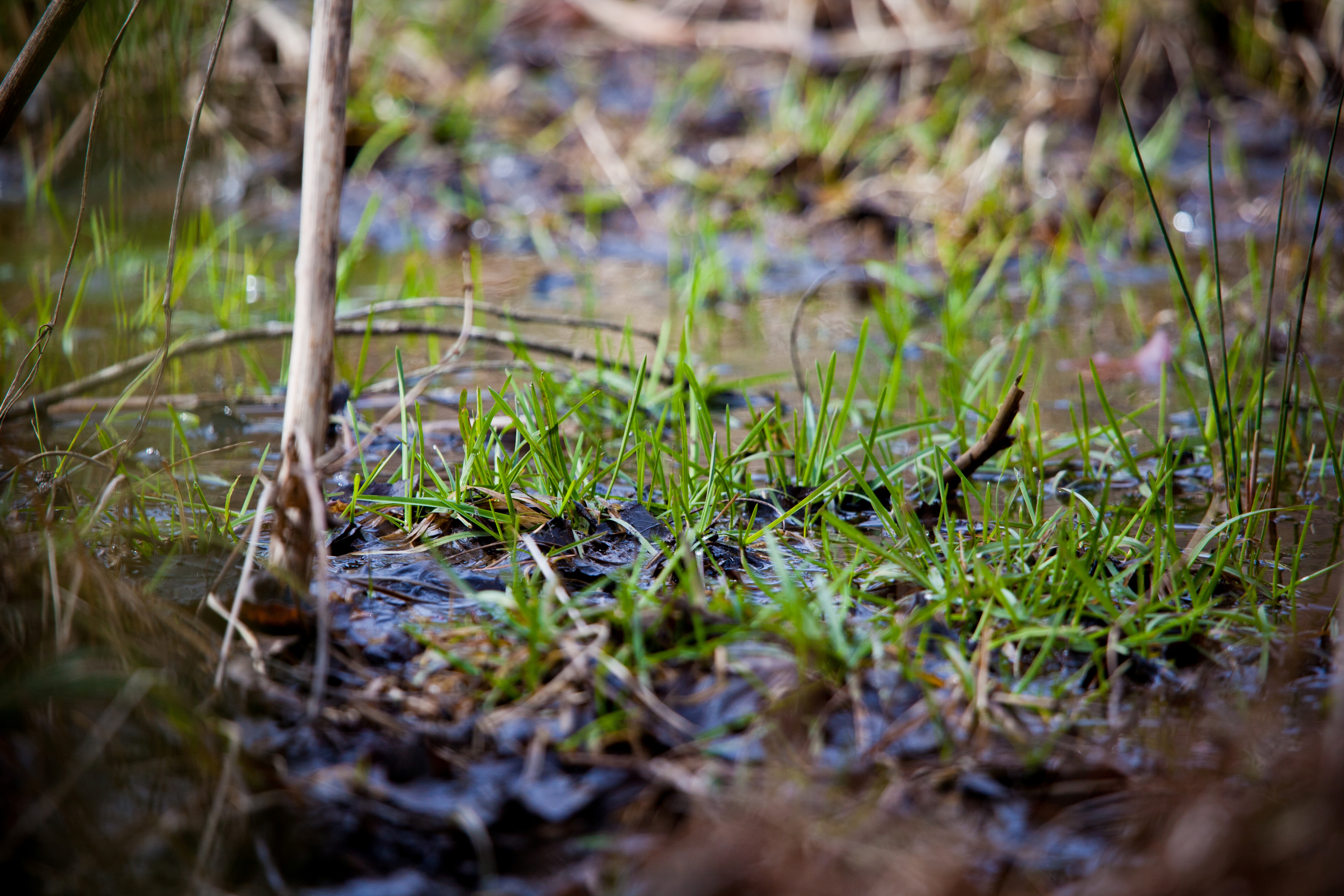
Mountain bogs are a vital part of the system that sustains more than bog turtles, they sustain life in western North Carolina. How? They act as natural containers, storing rainwater and slowly releasing it into the ground. This supports the flora and fauna that depend on healthy wetlands and that slow-release recharges our freshwater systems, which we rely on for drinking water. Without bogs, water would rush downslope as destructive floodwaters, carrying heavy loads of sediment into streams. They are essential to maintaining balance in the interconnected system that people and nature rely on. “We're all dependent. We all want fresh water. We all want clean air, we all want beautiful ecosystems... Protection is just, it's very important,” shared TNC Land Steward Brian Parr.

Be Part of This Work!
Lorna Anderberg’s generosity helped make all this possible — and her smile while holding a bog turtle says it all! Experience the joy of protecting North Carolina’s rarest landscapes with a gift today.
One of TNC’s priorities in western North Carolina is to protect these rare bogs. Through a science‑based approach, we’ve identified high priority bogs that are small tributaries to the New River headwaters. Even though these wetlands may seem isolated, they all contribute to the broader freshwater network, which also creates corridors for bog turtles to find a home and safely move around. We work with many partners on research, restoration, and long‑term management of these sites. Just like the natural world, conservation is an interconnected system: each partner helps maintain balance, keeps the ecosystem functioning and strengthens the collective impact of our work.
Bog Learning Network
Bogs are part of a wetland network that stretches across the Southern Appalachians—and, just like in North Carolina, many of them are at risk. To meet that challenge, TNC and partners across the region created the Bog Learning Network, a collaborative effort to share knowledge, coordinate research and advance science. Together, this community is building the expertise needed to protect these rare ecosystems—and ensuring that the bogs of the Southern Appalachians continue to support life.
Time to Go Home
I am waiting in my crate, waiting for Lettie’s turn to finish so I can come out and play again. Arden makes me take a break between play sessions... like I really need it! I hear Arden. Is it my turn again? Is it? Lettie jumps up in the car and Arden closes the crate.
“Good job Lettie and Peat!”
I guess we are done playing. I want to keep going, but my body does feel a little tired. I am looking forward to belly rubs and a long nap.
It was a fun day today.
More About Our Work

Mountain Bogs
Learn what TNC is doing in North Carolina to conserve one of North America's rarest and most incredible habitats.

Climate-Informed Forestry Is Restoring Nature’s Balance in the Southern Blue Ridge
TNC is using climate-informed forestry techniques to make the southern Appalachians more resilient with rising temperatures.

Appalachians
One of TNC’s top priorities, this landscape spans 2,000 miles from Alabama to the Canadian Maritimes, a vast, nearly unbroken chain of forested mountains, valleys, wetlands and rivers.