


It's in Our Nature Podcast
This story is adapted from a conversation between TNC’s Adam McLane and Doug Ladd, TNC Missouri’s longtime director of conservation science, who retired in 2018 after more than three decades with TNC. Listen Now.
In 1956, a small group of students, professors and conservation-minded citizens in St. Louis gathered around a simple question, what should we do about it?
They had spent months discussing Missouri’s remarkable natural heritage and the threats facing it. Studying nature was not enough. They wanted to protect it. Their question led to the creation of The Nature Conservancy’s Missouri chapter and launched a conservation journey that continues 70 years later.
Looking back on that history, Doug Ladd sees a story driven less by a master plan and more by curiosity, science and a willingness to act.
A State Worth Protecting
For Ladd, Missouri itself is the beginning of the story.
Originally from New England, he visited the Ozarks as a graduate student and quickly realized he had discovered something extraordinary. The region’s ancient, rugged landscapes escaped the glaciers that reshaped much of North America, and unique plants, animals and natural communities evolved there over millions of years.
Missouri’s position between eastern forests and western grasslands created an ecological crossroads that was unique.
Visitors often arrive with few expectations. Many are astonished by the clear rivers, dramatic rock formations and forested hills of southern Missouri. Others are surprised to learn that fragments of the vast tallgrass prairie ecosystem that once covered much of the continent still survive in northern Missouri, and restoration efforts now support grazing bison and grassland wildlife.
It was always about asking what nature needed. Then figuring out how to make it happen.


Explore the Podcast
It's In Our Nature is a podcast exploring the wild wonders and subtle stories of the natural world. Listen Now.
From Volunteers to a Conservation Force
For nearly three decades after its founding, TNC Missouri was run entirely by volunteers.
Board members organized meetings, raised funds and protected important natural areas across the state. Early efforts focused primarily on acquiring vulnerable lands and placing them into conservation ownership.
By the early 1980s, however, the organization began to transform. A dedicated Missouri office was established in St. Louis. Staff were hired. Scientific planning became more rigorous. Instead of simply protecting any available natural area, we began asking larger questions. Which ecosystems were irreplaceable? Which species faced the greatest risk? Where could investments create the biggest impact?
At the same time, the broader conservation movement was evolving.
“We realized you could save all the landscapes in the world, but if you didn’t think about the human context and people’s needs, you weren’t going to have conservation success,” Ladd reflects.
That shift toward science-based, measurable outcomes helped shape the Missouri chapter’s modern approach.
Taking risks others couldn’t
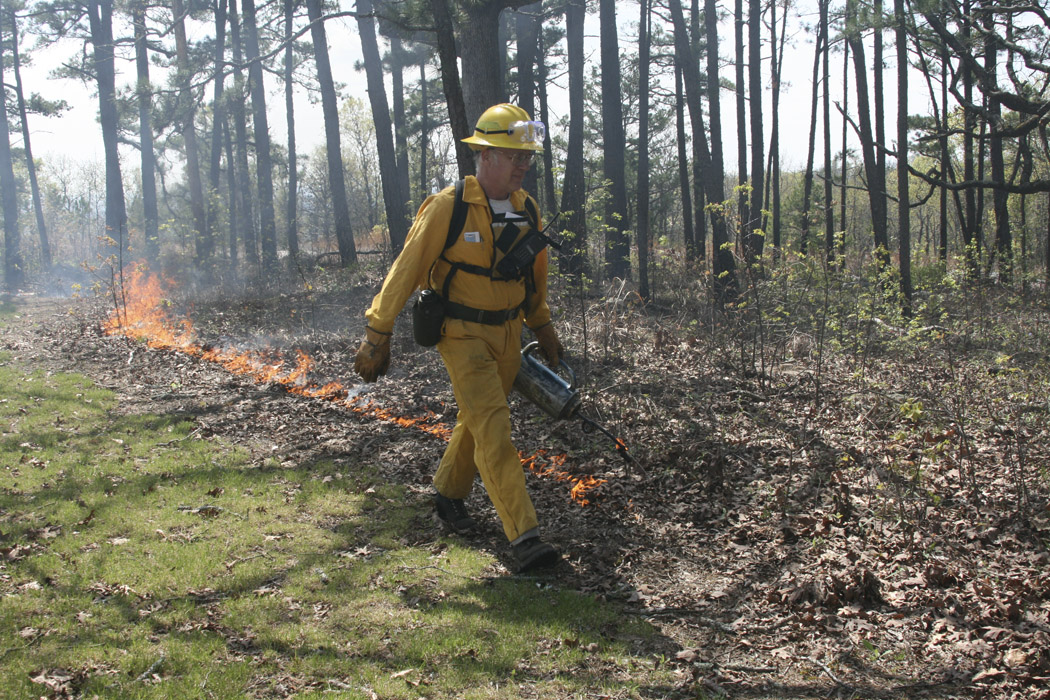
One theme from TNC’s history surfaced repeatedly, TNC’s willingness to test ideas that were sometimes far from mainstream. Perhaps no example illustrates that better than prescribed fire.
When Ladd began advocating for controlled burns in Missouri’s woodlands and grasslands, the concept was controversial. Decades of fire suppression had convinced many people that all fire was harmful. Yet ecological research increasingly showed that periodic fire had shaped many of Missouri’s most diverse natural communities.
Before joining TNC’s staff, Ladd volunteered to help conduct prescribed burns on TNC properties. Those early efforts were met with skepticism, and in at least one case, outside leaders tried to stop a planned burn altogether. But TNC pressed forward.
Leaders asked questions, weighed risks and ultimately allowed staff to test a strategy supported by emerging science.
Today, prescribed fire is widely recognized as one of the most important tools for restoring healthy forests, woodlands and prairies. State agencies, federal partners, nonprofits and private landowners routinely work together to apply fire across Missouri’s landscape.
The lesson, Ladd says, extends well beyond fire. Time and again, TNC has stepped into innovative spaces to test a new technique whose outcome was uncertain. By taking carefully considered risks, we often helped demonstrate what was possible so others could follow.
The power of partnership
While innovation has played a central role in TNC Missouri’s history, Ladd believes partnership has been equally important. No single organization, agency or landowner can conserve Missouri’s natural heritage alone.
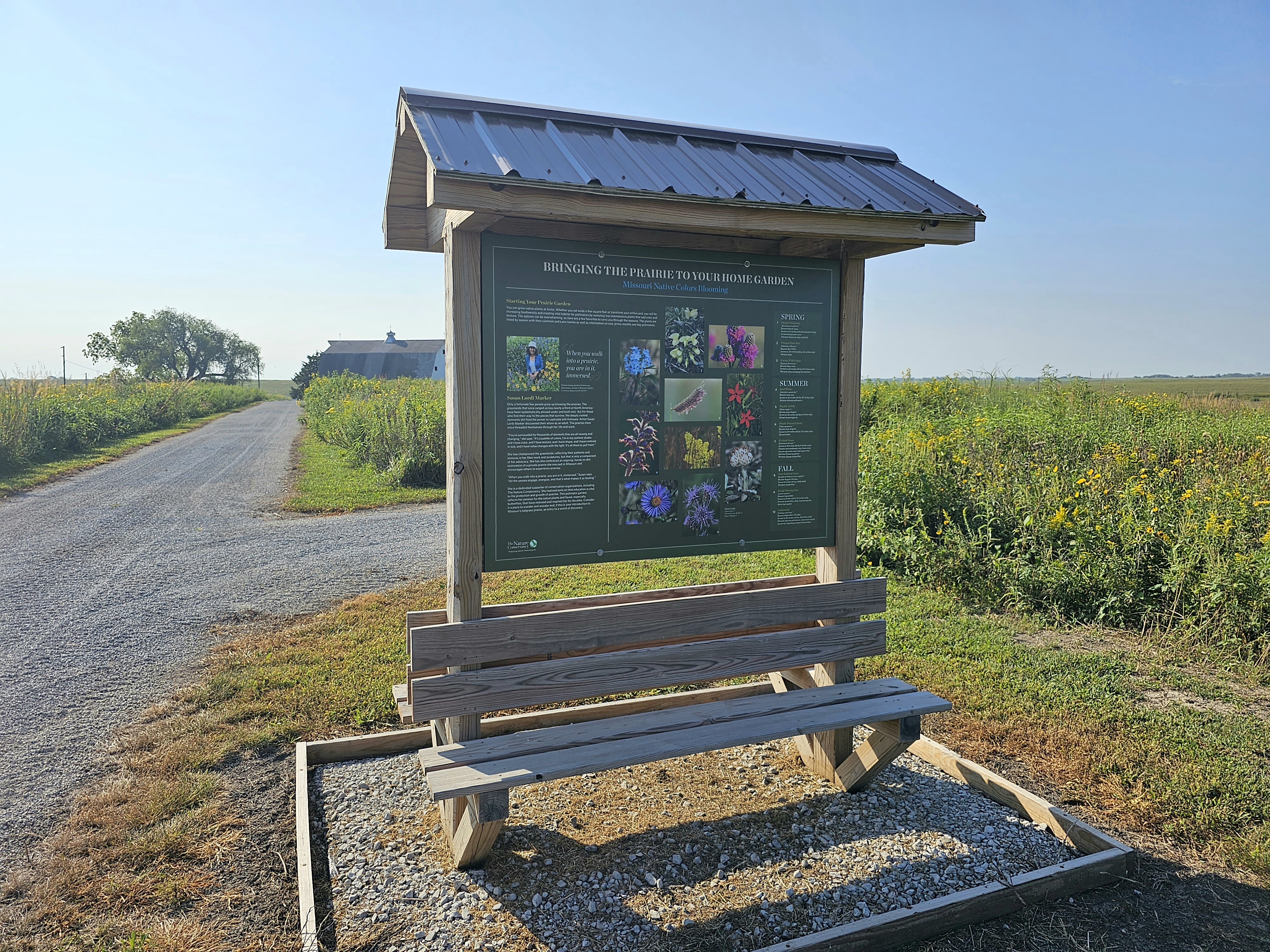
The restoration of northern Missouri’s grasslands offers a powerful example. Prairie conservation evolved from scattered acquisitions into a landscape-scale vision that connected landowners, government agencies and conservation organizations around shared goals.
Properties like TNC’s Dunn Ranch Prairie became more than protected landscapes. They became demonstration sites that showed how large-scale prairie restoration could support wildlife, improve habitat and reconnect Missourians with an ecosystem that once covered millions of acres.
The same partnership model has shaped work on rivers, forests and agricultural lands across the state.
For Ladd, effective conservation is rarely about drawing lines between people and nature. It is about finding solutions that benefit both.
Looking ahead
After seven decades of progress, conservation remains an unfinished story.
Today’s challenges are different from those we faced in 1956. Climate change, shifting land use, renewable energy development and growing demands on natural resources require conservationists to think at larger scales and anticipate new pressures.
Ladd notes that some future challenges will arrive unexpectedly. Others may emerge as opportunities that conservationists cannot yet fully imagine. He believes the key is maintaining the qualities that have guided TNC for decades: scientific inquiry, adaptability and a willingness to learn.
“We have to think about how everything is connected,” he says. “People and nature are always part of the discussion.” That philosophy mirrors the one that inspired TNC Missouri’s founders 70 years ago. Their work began with a simple question and a conviction that action mattered.
Along the way, volunteers became conservation leaders. Small projects grew into landscape-scale efforts. New ideas changed how Missouri manages forests, rivers and prairies.
Most importantly, generations of supporters, donors, scientists, landowners and community partners continued asking what could be done and then taking the next step forward. Ladd believes those founders would be proud of what followed.
“I don’t think they would have anticipated
Support Our Work in Missouri
Since 1956, we have worked to conserve the lands and waters that make Missouri unique and beautiful. Your support has helped us protect more than 150,000 acres, and we’ve still got a lot of work to do. Your donation will make a difference. We can’t save nature without you.
More from Missouri

Missouri's Centers for Conservation Innovation
Through our Centers for Conservation Innovation, TNC is advancing evidence-based collaborative conservation efforts across Missouri's diverse and iconic landscapes.

Restoring Missouri’s Landscapes with Fire
TNC Missouri is using prescribed fire, strategic partnerships and hands-on training to restore native habitats and build a more resilient landscape.

Birdwatching in Missouri
From prairies to woodlands, Missouri offers unforgettable birdwatching adventures for all skill levels.