


The Power of Connection
From Ozark streams to northern Missouri prairies, conservation projects are reconnecting the pathways wildlife need to survive and thrive.

Restoring Nature’s Connections
The Ozarks are connected by far more than roads and rivers. Beneath the surface, a remarkable network of streams, caves and aquatic communities demonstrates the power of connection. These underground waterways support an extraordinary diversity of fish, mussels and other species, including some found nowhere else on Earth, that rely on connected habitats to move, feed and reproduce.
That same spirit of connection shapes conservation efforts across the region. Working with local communities and agencies, TNC is helping reconnect streams and rivers by improving crossings and removing barriers that can interrupt the natural movement of water and wildlife. Together, these efforts support healthier habitats, cleaner water and a more resilient future for the Ozarks.
At first glance, a low-water crossing in the Ozarks and a bison tunnel on a northern Missouri prairie seem to have little in common. One is a simple slab or culvert that allows vehicles to cross a stream; the other is a structure running beneath a road. But both are part of a larger effort to solve one of conservation’s greatest challenges— keeping wildlife connected.
For thousands of years, Missouri’s rivers flowed freely and its vast grasslands stretched for miles, allowing animals to move where they needed to go. Fish traveled upstream to reach their spawning grounds. Bison roamed across the prairie in search of fresh forage. Birds navigated open grasslands shaped by grazing herds. Today, roads and other human-made barriers can interrupt those natural movements, fragmenting habitat and limiting animals’ access to the resources they need to survive.
As scientists work to understand why so many species are declining, one answer continues to emerge. It’s not enough to preserve habitat. Wildlife also need the ability to move through it.
Reconnecting Huzzah Creek
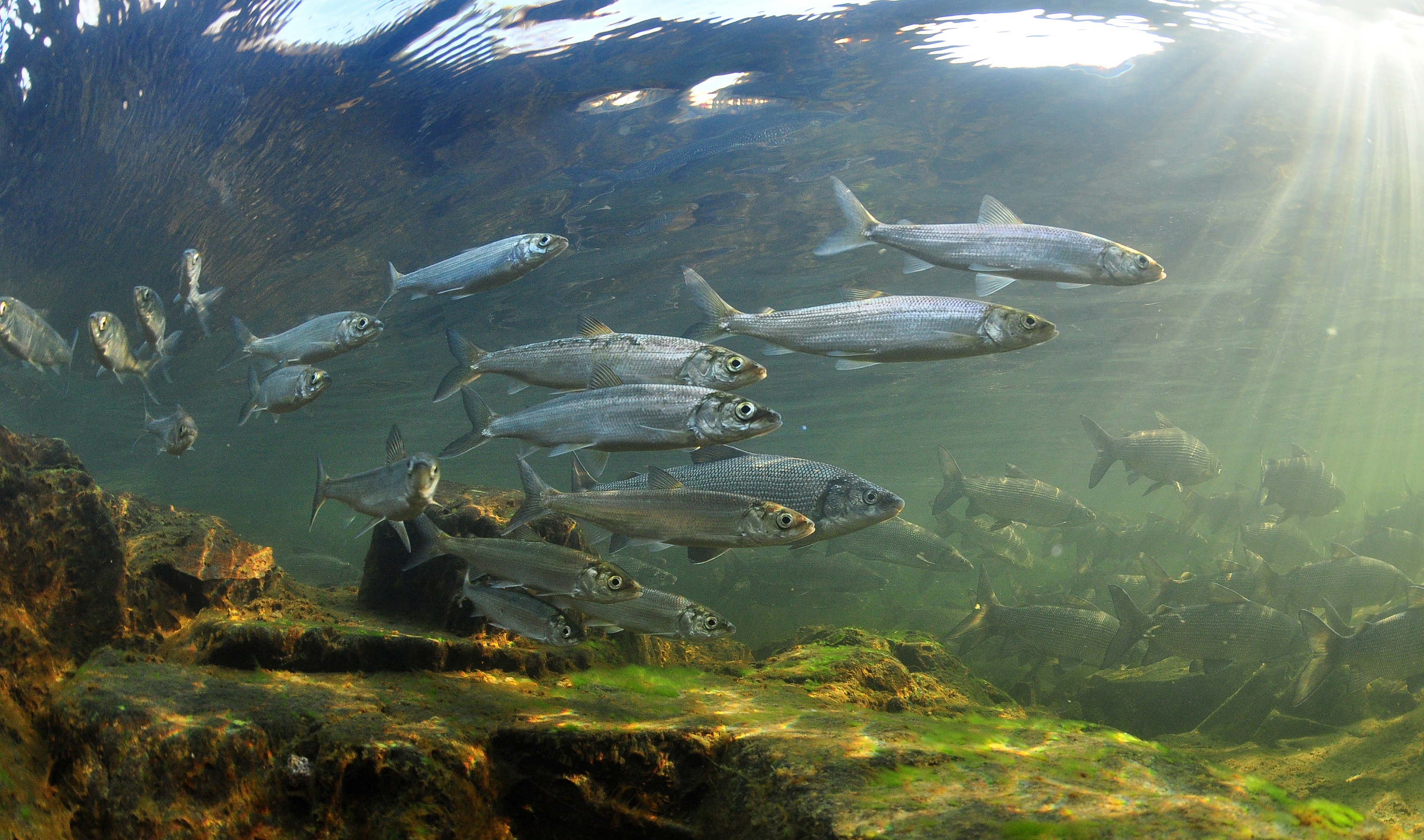
For fish, a river is more than water. It is a pathway connecting the places they need to feed, find cover and reproduce. When that pathway is blocked, even a healthy stream can’t give fish everything they need.
On Huzzah Creek in Crawford County, three aging crossings at Willhite Road, Seller’s Ford and John Coleman Road had long interrupted the river’s natural flow. Working with the Crawford County Commission, U.S. Fish and Wildlife Service, U.S. Forest Service and Natural Resource Damage Assessment and Restoration, The Nature Conservancy helped replace those crossings with bridges that are higher above the water, allowing the creek to move freely beneath them.


People see three bridge replacements. What we see is more than 100 miles of connected river where fish can once again move freely to find the habitat they need.
But the benefits reach beyond wildlife. During heavy rains and flooding, low-water crossings can become impassable, disrupting travel for nearby communities. The new bridges provide more reliable access for people and services that depend on them, while allowing the river to function naturally.
“As we look at the future, we’re not just replacing bridges,” Pulliam says. “We’re creating connections that make rivers healthier and communities more resilient.”
Room for Bison to Roam
On the prairies of northern Missouri, movement shapes the landscape. Bison evolved to roam across large landscapes, following fresh forage and shaping the grasslands as they go. Their constant movement creates a patchwork of habitat that benefits everything from prairie wildflowers to grassland birds.
At Dunn Ranch Prairie, one county road stood between the herd and an additional 600 acres of grazing habitat. To reconnect that landscape, TNC worked with partners and local stakeholders to install a bison underpass beneath the road, creating a safe passageway between the two areas.


The tunnel allows bison to move freely without crossing the path of traffic, reducing the risk of vehicle collisions while opening access to new grazing grounds. Those additional acres will support the herd to grow, improve the animals’ health and expand the ecological benefits bison bring to the prairie.
“When people think about conservation, they often think about protecting land,” says Brett Perkins, TNC’s grazing and grasslands coordinator. “But wildlife also need a way to move through it. This underpass reconnects part of the prairie and gives bison access to the space they need to thrive.”
Like the bridges on Huzzah Creek, the underpass may seem simple. By creating a new route for both wildlife and people, it helps restore the natural connections that have long sustained Missouri’s landscapes.
Restoring Movement
Whether it’s a small fish swimming upstream in an Ozark creek, a bison crossing beneath a road to reach new grazing grounds, or a prairie-chicken following a path through tall grass, each journey depends on connection. Wildlife passages may differ based on whether they offer a route above, below or within the landscape, but they share the same goal—removing barriers and restoring movement.
At a time when habitat fragmentation threatens species across the globe, reconnecting landscapes is one of conservation’s most powerful tools. Every stream made passable, every acre made accessible and every corridor restored helps stitch together the pathways wildlife have relied on for generations. By making room for movement again, we are doing more than helping individual species—we are rebuilding the connections that keep entire ecosystems alive.
More From Missouri

Protecting and Restoring Missouri's Rivers
TNC has been working to protect Missouri’s rivers and streams since 1956. With our partners, we’re dedicated to ensuring these irreplaceable resources are available for generations to come.

Protecting the Meramec River
Learn how The Nature Conservancy is working with partners on the Meramec River to restore habitats, protect wildlife and increase water quality for future generations.

Bridges to Biodiversity
Restoring Stream Connectivity in Ozark Waterways