


Proactive Relocation Away from Rising Waters
What can we do for Massachusetts communities on the front lines of flood risk to set them up for a safer, more resilient future?
TNC is taking meaningful action to slow climate change and address its impacts in Massachusetts.

What we do between now and 2030 will determine whether we can slow warming enough to avoid climate change’s worst impacts. We must drastically cut emissions and, at the same time, remove the carbon we’ve already put into the atmosphere. Fortunately, trees, plants, soils and the ocean naturally absorb and store carbon, making nature one of our best tools to remove carbon pollution.

metric tons of CO2 emissions removed per year.

reduction of emissions from the 1990 baseline.

people helped from climate-related emergencies.
We are rapidly scaling up natural climate solutions strategy to avoid the most catastrophic impacts of climate change on people and nature, and we are supporting decarbonization through advocacy and shaping policy around climate funding and renewable energy.
Despite the efforts we have made, the impacts of climate change are already touching down in our communities, making adaptation another critical part of our strategy. The Nature Conservancy in Massachusetts is working with communities and partner organizations to advance nature-based solutions for minimizing climate change impacts and strengthening communities’ defenses and safety.
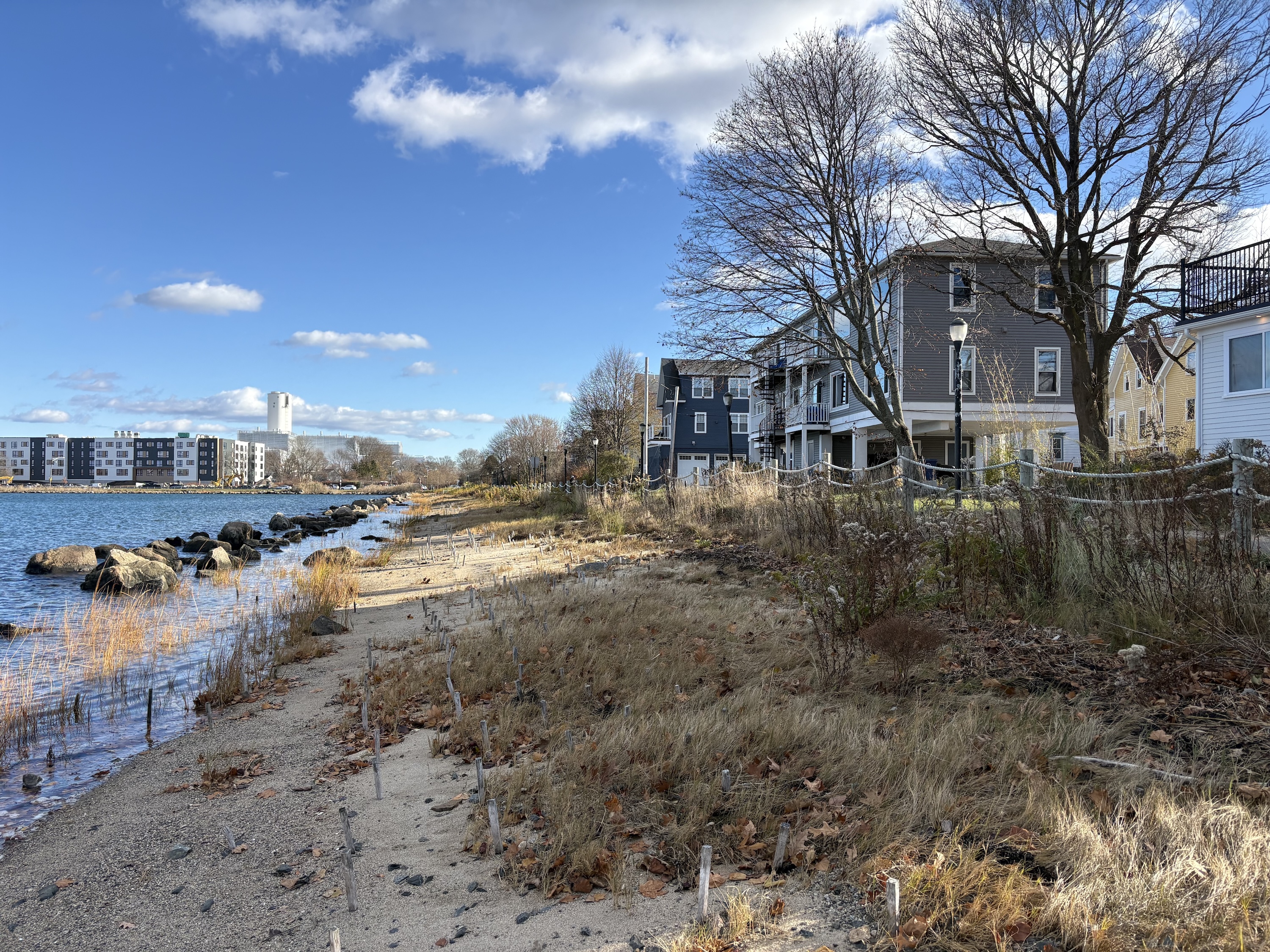
Using nature or natural systems, on their own or in conjunction with traditional built infrastructure, can solve challenges like flooding, pollution, water quality, erosion and more. These solutions work with nature to help communities adapt to the climate-caused challenges they're experiencing.
Protecting natural systems—especially forests in Massachusetts—is the most efficient natural climate solution, since clearing and developing these lands both releases the carbon they store and destroys their ability to continually remove carbon from the air. See how TNC in Massachusetts is using nature-based solutions to reduce carbon pollution.

clean air and water while supporting biodiversity.
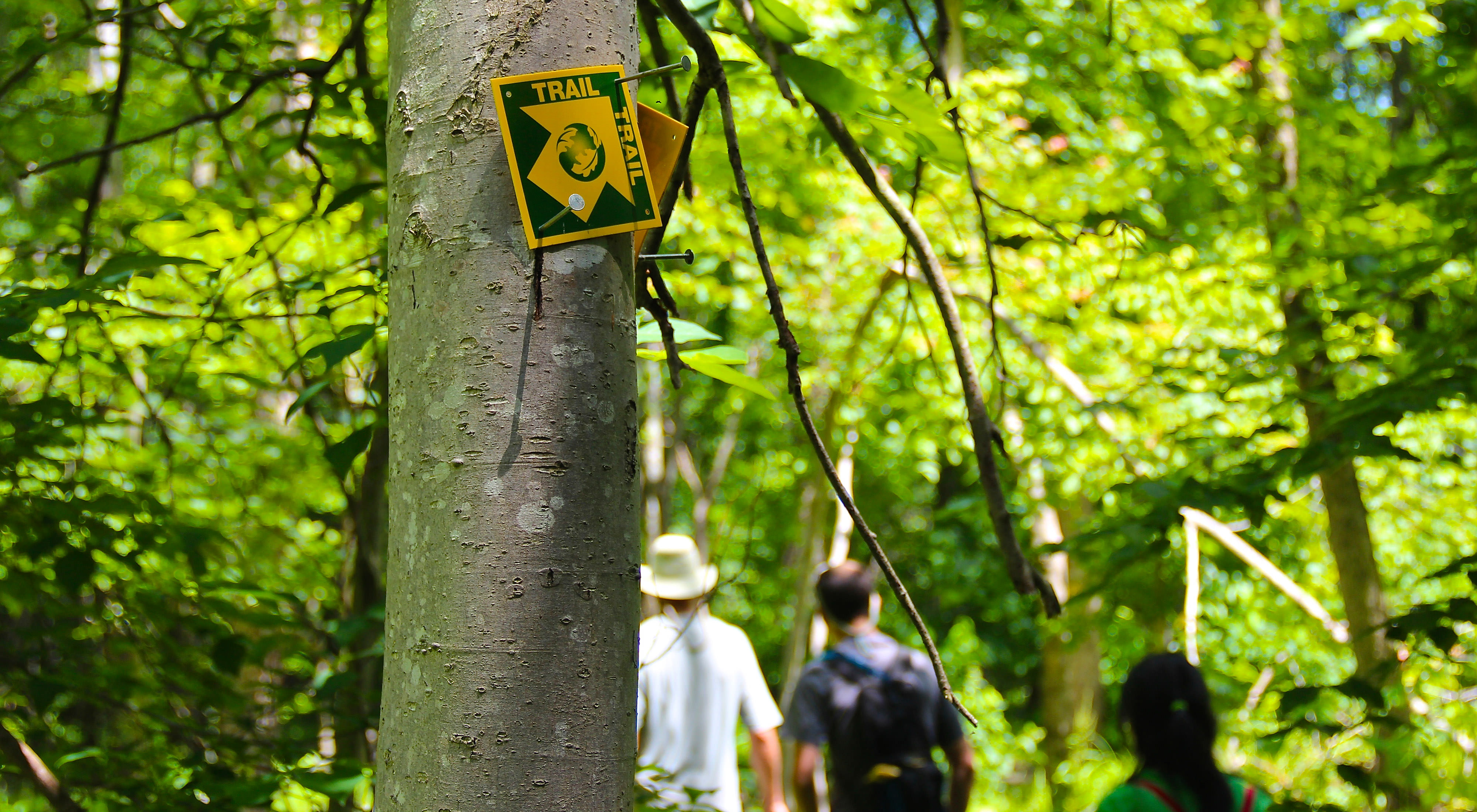
flood protection and recreational opportunities for nearby communities.
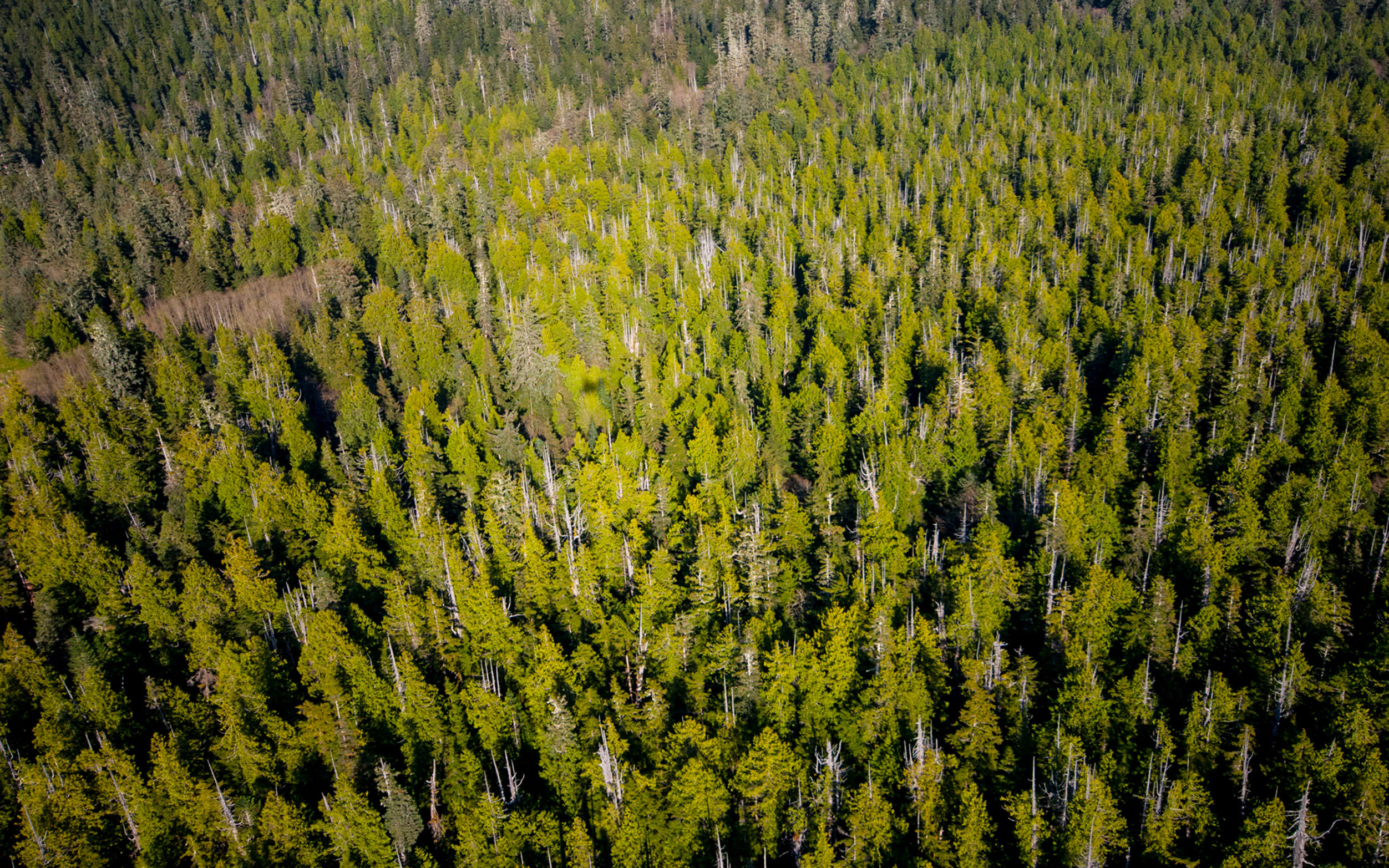
carbon dioxide from the atmosphere and store it long term.
Much of TNC in Massachusetts' contribution from natural climate solutions is via protecting, managing and restoring forests, because these lands have the most potential for carbon sequestration and storage in the state. However, there are opportunities around wetlands and agricultural soils too.

See more examples of how we're using nature to tackle climate impacts.


