

Markham Shkode Prairies
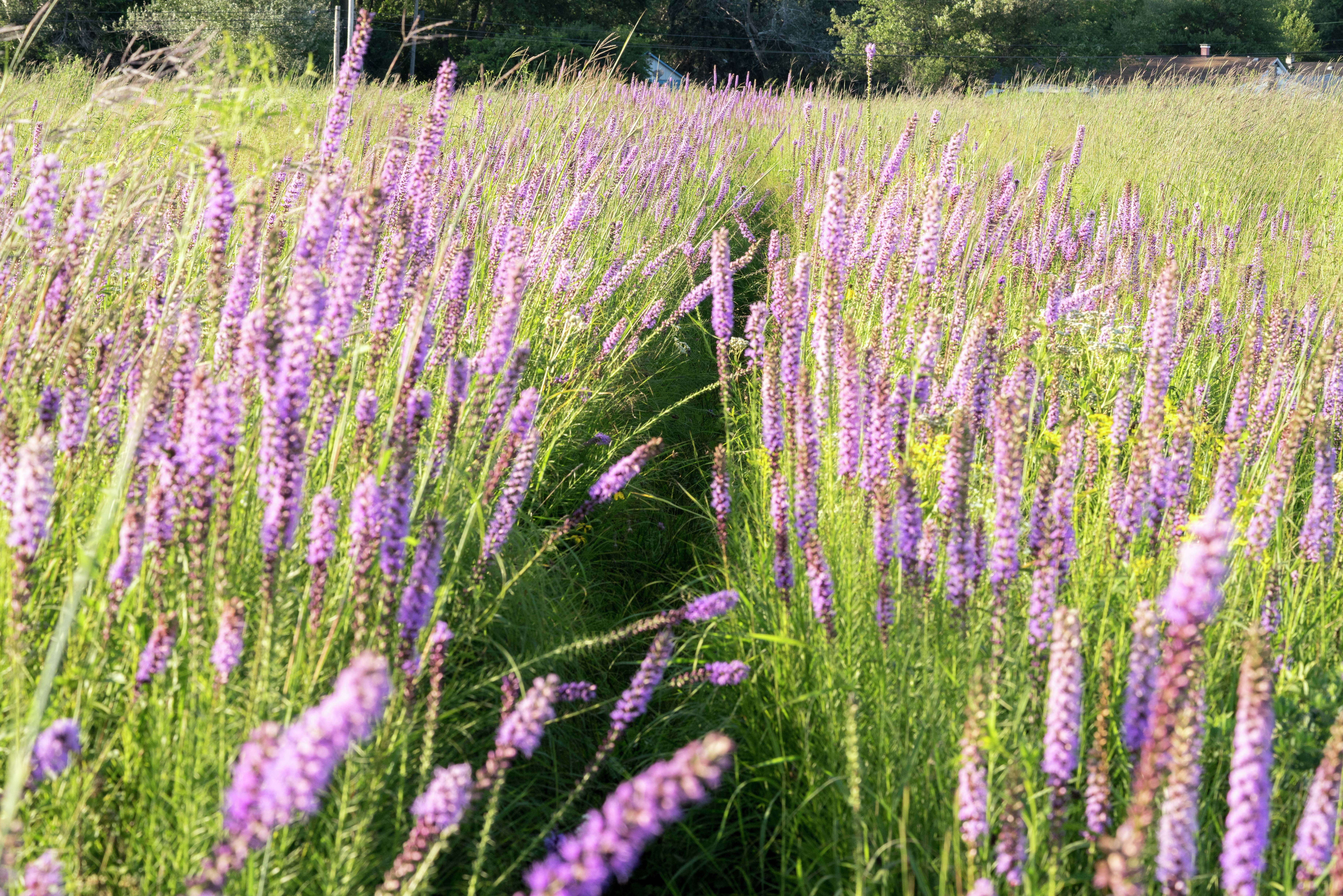
The four prairies that make up this preserve contain some of the highest-quality prairie habitat in the world.

Markham Shkode Prairies, formerly known as Indian Boundary Prairies, was renamed following an in-depth community-informed process.
Just 20 miles south of downtown Chicago, The Nature Conservancy (TNC) protects some of the last remaining sections of native prairie in Illinois. Grasslands are particularly rare ecosystems and in Illinois only 1% remain. They provide numerous benefits, such as soaking up storm water, capturing carbon and supporting biodiversity. In Markham, the prairies also offer natural spaces for people to connect with nature and learn more about the unique benefits of grasslands.
“Shkode” is the Potawatomi word for “fire.” It is also the root word for fire in other Anishinaabe languages. TNC pronounces “shkode” as “SHKOH-day.” Variations in pronunciation may arise depending on the Indigenous dialect. Listen to an example from the Potawatomi Dictionary.
Stewarded by TNC and other partners for the past 55 years, the preserves in Markham, Illinois, now have a new name—Markham Shkode Prairies. The new name coincides with a chapter of renewed community engagement with the site.
Formerly known as Indian Boundary Prairies, the name change was announced in May 2026. TNC consulted a diversity of stakeholders during the multi-year community-informed renaming process.
Even in modern times, the “Indian Boundary Line” is commonly referenced as a distance marker in legal land descriptions on both the north and south sides of Cook County, including in Markham. However, in 2022 TNC started exploring whether the preserve name should be reconsidered. Led by Marne Smiley, facilitator for the Chicago American Indian Community Collaborative, a committee of diverse stakeholders was formed to gather information and make recommendations on the name. This committee included Markham Alderman Joseph Bertrand Jr.; Hope McKinnins, a Markham community member who has volunteered at the preserve in the past, Jordan Gurneau, past American Indian Center Board Member and prairie researcher; Karl Gnaedinger, TNC site manager at the preserve, Emilie Pfeiffer, TNC prairie ecologist, and Daniel Misch, TNC Illinois ecological restoration director, met regularly to create a thoughtful review process, which included research, community surveys and community fesedback sessions. After much discussion, the committee decided that the prairies deserved a new name.
“Markham Shkode Prairies is a name shaped through community input and chosen with care. It reflects the prairies’ identity and the people connected to this place, and it reinforces a long-term commitment to stewardship, learning and connection.”
—Marne Smiley, facilitator for the Chicago American Indian Community Collaborative
“Markham” and “Prairies” were selected to ground the preserve name in its location and ecosystem. “Shkode” is the root word for “fire” in Anishinaabemowin, the ancestral language of the Anishinaabe people. Three distinct Anishinaabe peoples, the Ottawa, Ojibwe and Potawatomi make up an alliance known as the Council of Three Fires in the Great Lakes region. The new name pays homage to these people that were most impacted by the Indian Boundary Line. Furthermore, applying fire to the landscape is an Indigenous land stewardship practice which TNC champions in its restoration practices, deepening the connection to “shkode.”
“I think that the 'Markham Shkode Prairies' name is going to be really unique and help break down that barrier of the Indian Boundary Line,” says Misch. The history of the preserve’s name will be acknowledged in planned educational signage on site.
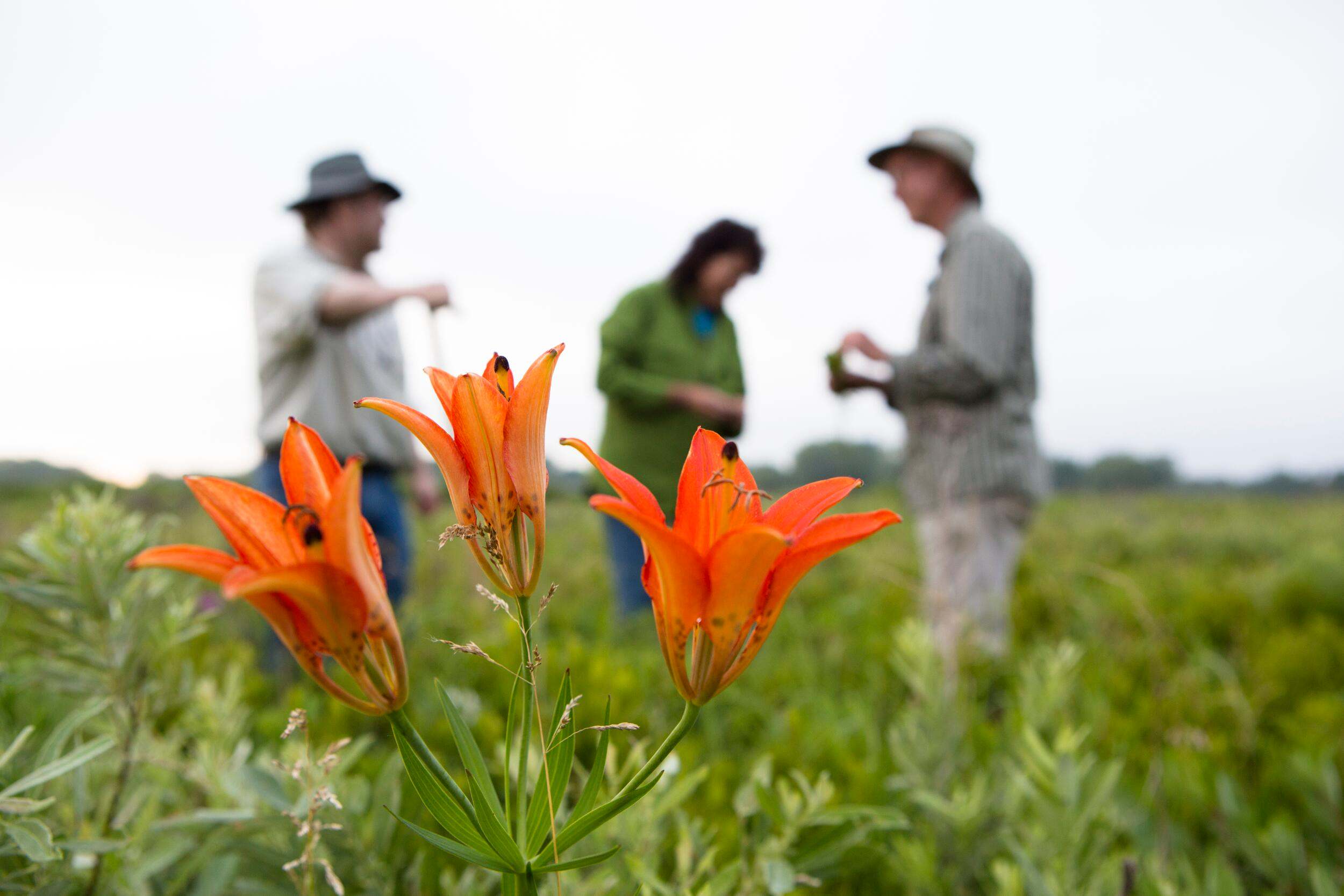
Plan your visit to Markham Shkode Prairies and learn more about all grasslands can do.

