


Pine Forest Aerial view of a restored shortleaf pine forest in southern Arkansas. © Route 3 Films

Shortleaf pine forests once covered vast stretches of Arkansas, shaping open, sunlit woodlands where fire was a natural and necessary force. These forests supported a rich diversity of plants and wildlife, creating habitats that were as beautiful as they were essential to the health of the ecosystem. But over the past 30 years, these landscapes have changed dramatically. Today, only about 10% of their historic range remains in the United States.


The decline began when fire stopped shaping these landscapes. Decades of fire suppression interrupted the natural cycle that kept these forests open and thriving. Without fire, hardwoods and faster-growing species crowded out shortleaf pine. Add in land conversion and the absence of active management, and the result is a fragmented ecosystem struggling to survive.
Shortleaf pine forests support some of the most important habitats in Arkansas. Their open structure creates the sunlight‑rich conditions needed by many native grasses and wildflowers, which in turn sustain a wide variety of insects and pollinators. They provide critical habitat for species like the red-cockaded woodpecker, which depends on mature pine stands for nesting. They also support a wide range of birds, mammals and pollinators, all of which contribute to the health of Arkansas’ natural heritage.
Shortleaf Pine Initiative
The Shortleaf Pine Initiative unites partners to reverse the decline of shortleaf pine ecosystems through collaborative leadership, science-driven conservation and the biennial Shortleaf Pine Conference. Learn more.
Reforestation Efforts
The Nature Conservancy is working to reverse this trend. In partnership with federal and state agencies, TNC has focused on restoring shortleaf pine in the Ouachita and Ozark National Forests—two of the most important remaining landscapes for this species. These forests are resilient and ecologically significant, making them ideal for large-scale restoration.
Over the past decade, collaborative efforts have restored or enhanced more than 1.5 million acres of shortleaf pine habitat within its western range. The strategy combines prescribed fire, sustainable timber management and reforestation. Fire is central to this work. By reintroducing controlled burns, we can mimic the natural processes that shaped these forests for centuries. Fire reduces competition, opens the canopy and allows native grasses and wildflowers to return. The result is a mosaic of habitats that supports everything from pollinators to endangered species.
The single best opportunity for reforestation is on private land, largely within the historic range of the shortleaf pine.
The work doesn’t only help wildlife. Healthier forests are less likely to have big, destructive wildfires, and they do a better job of protecting clean water for the communities that depend on them. In the end, restoration is about bringing back the conditions shortleaf pine needs while still supporting the people who rely on these forests.
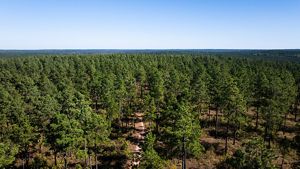
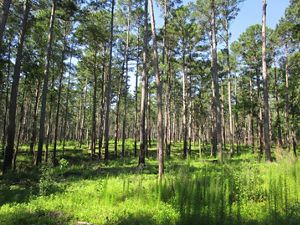
Pine Landscape: A bird’s-eye view of shortleaf pine forests stretching across Southern Arkansas © Route 3 Films
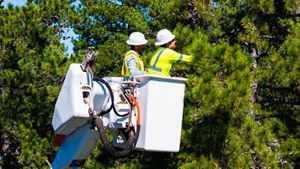
High in Pines: Collecting cones from the upper branches of a shortleaf pine in Poison Springs State Forest. © Route 3 Films
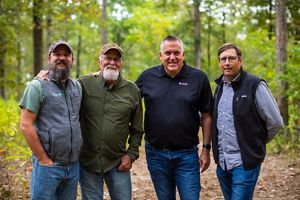
Team Effort: A group of dedicated partners working together to restore Arkansas’ shortleaf pine forests. © Route 3 Films
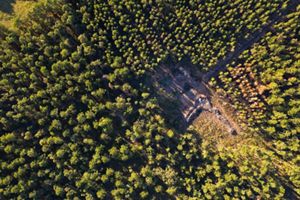
Forest View: Aerial shot looking straight down on a restored shortleaf pine forest in southern Arkansas. © Route 3 Films
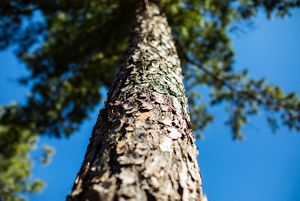
Standing Tall: Old shortleaf pines can reach 100 feet in height with the lower two thirds of the trunk devoid of branches. © Route 3 Films
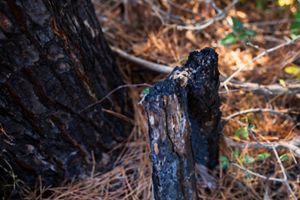
Prescribed Fire: Prescribed burns are essential for managing shortleaf pine forests, as they remove competing plant species and allow the shortleaf pine to re-establish. © Route 3 Films
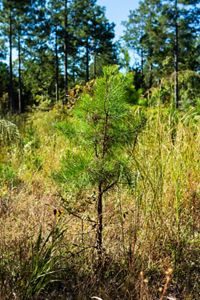
New Growth: A freshly planted shortleaf pine tree stands in the sunlight on a restored site. © Route 3 Films
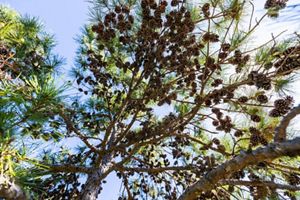
Pine Canopy: View from the forest floor looking up at shortleaf pine branches and cones against the sky. © Route 3 Films
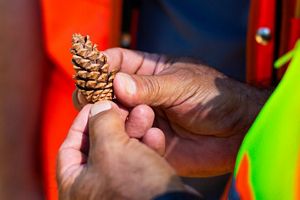
Harvested Cone: Collected cones will provide the seeds needed to grow strong, locally adapted seedlings. © Route 3 Films
Shortleaf Pine: Old shortleaf pines can reach 100 feet in height with the lower two thirds of the trunk devoid of branches. © TNC

One Million Seeds Gathered
This fall, TNC Arkansas did something that’s never been done here before: a wild shortleaf pine seed harvest.
This fall marked a major milestone for shortleaf pine restoration in Arkansas. For the first time, TNC and partners launched a large-scale seed collection effort, and it was a success.
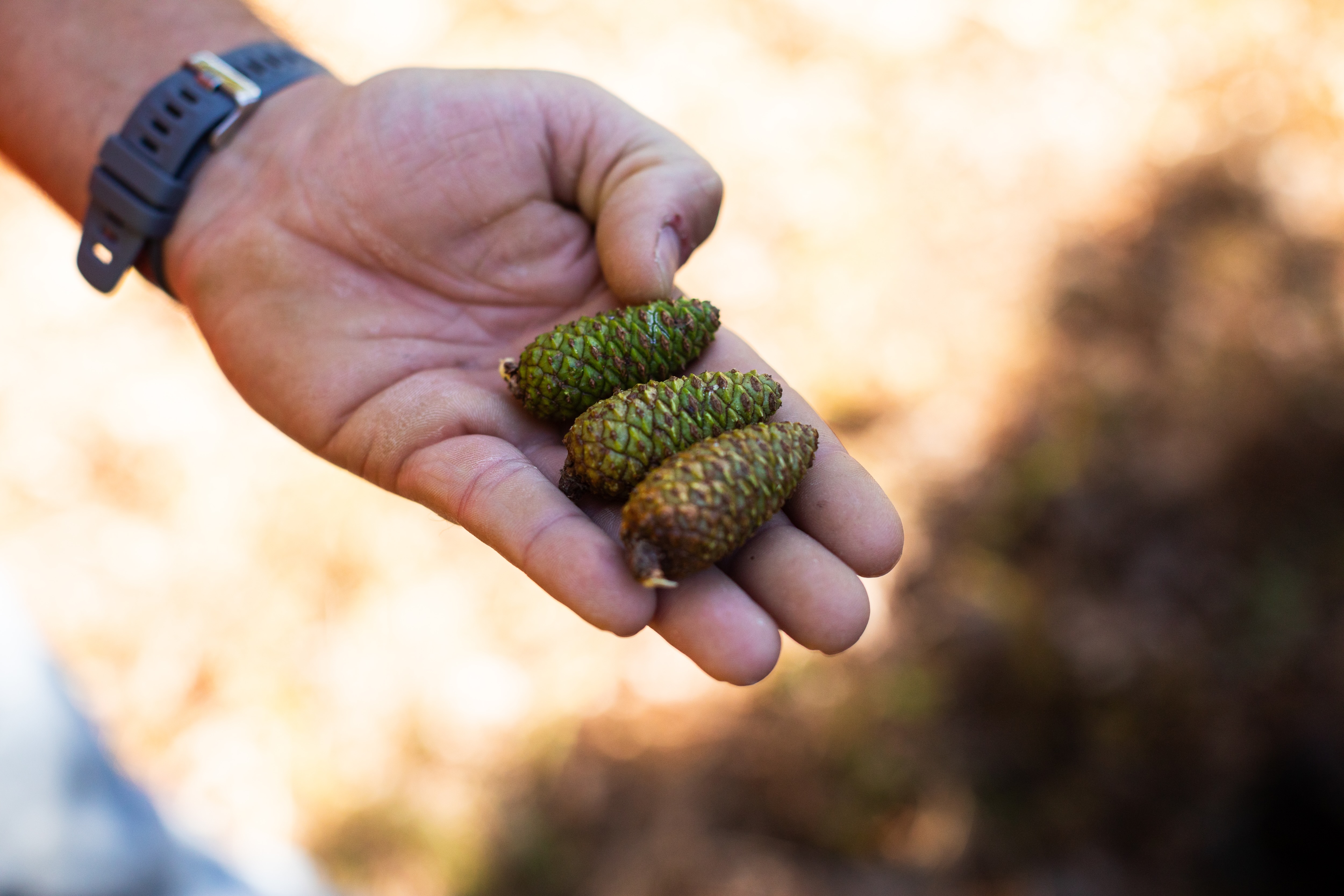
In Poison Springs State Forest, teams gathered an incredible one million seeds, a big step toward boosting seedling production for reforestation across the coastal plain in southern Arkansas.
Once collected, seeds are cleaned and stored before being sent to nurseries. There, they are nurtured into strong seedlings ready for planting. This process is critical. Without a reliable supply of high-quality seedlings, large-scale restoration would not be possible. From nurseries to planting crews, each step supports the larger goal of restoring shortleaf pine forests.
TNC works with state nurseries and other partners to make sure seedlings are available when and where they are needed. Timing is everything. Planting often follows prescribed burns or site preparation to give seedlings the best chance to grow. It’s a step‑by‑step process that starts with a cone and supports the return of a healthy forest.
Seed Collecting in Action
TNC recently completed a shortleaf pine seed collection at Poison Springs State Forest, a big step toward boosting seedling production for reforestation across the coastal plain in southern Arkansas.
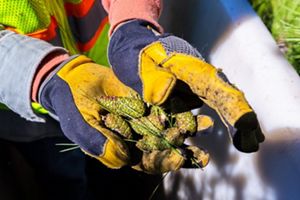
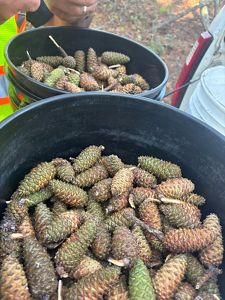
Cone Harvest: These cones hold the seeds that will become Arkansas’ next generation of shortleaf pine. © Route 3 Films
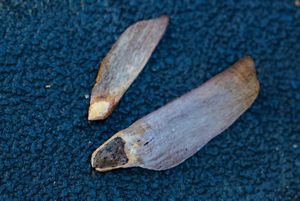
Shortleaf Pine Seeds: Close-up of shortleaf pine seeds just harvested. © Route 3 Films
Seed Harvest: Shortleaf pine cones gathered in a bucket during Arkansas’ first large-scale seed harvest. © Clint Harris / TNC
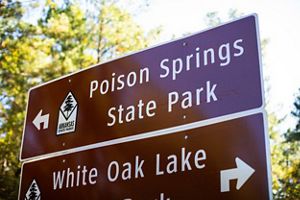
Poison Springs State Park: Poison Springs Battleground State Park is an Arkansas state park located southeast of Bluff City. © Route 3 Films

Nature's stories. Straight to your inbox.
Sign up to receive monthly conservation news and updates from Arkansas. Get a preview of Arkansas' Nature News email
Explore the Reforestation Hub
The Reforestation Hub is a free, web-based mapping tool that brings together the best available science to identify feasible reforestation opportunities across the United States.
Explore the Hub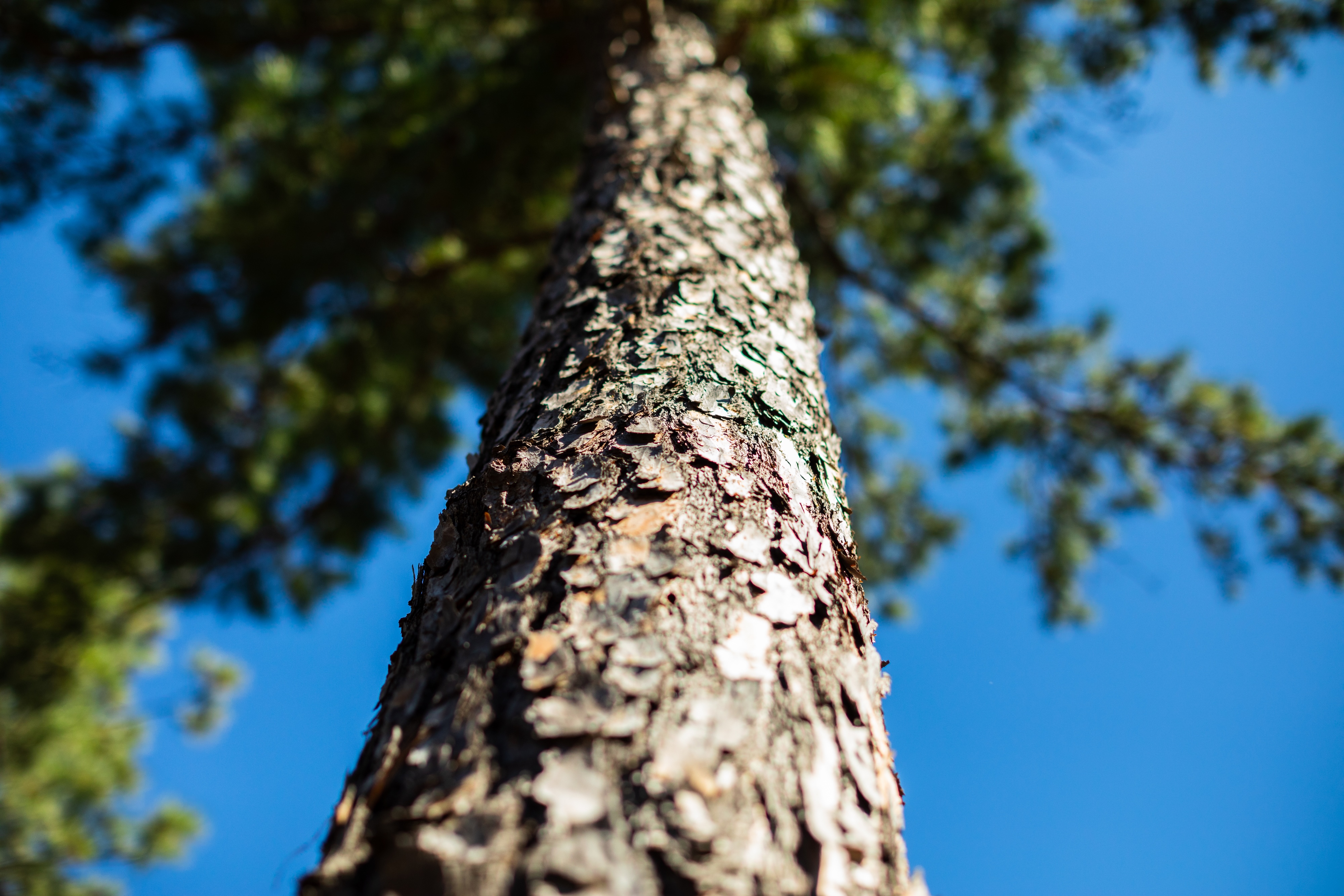
More Forest Stories

The Power of Forests
When forests thrive, we thrive. Learn how you can preserve the power of our planet's forests for generations to come.

Reforestation Hub
The Reforestation Hub identifies up to 169 million acres of total opportunity for reforestation, which could capture up to 311 million metric tons of carbon dioxide a year.

Reforesting the U.S. for People and Nature
Reforestation—planting trees or allowing trees to regrow—is a tried-and-true natural climate solution with a variety of benefits for landowners.