

Prescription for a Healthy Forest
Prescribed fire helps to restore and support healthy forests across Louisiana, Mississippi and Alabama.

For thousands of years, fire has shaped the landscapes of Louisiana, Mississippi and Alabama. Today, professionally trained fire managers use prescribed fire to mimic this natural process, restoring forest health, improving wildlife habitat and reducing the buildup of vegetation that can fuel severe wildfires.


It's part of our natural history.
Fire’s history as a part of our Southern landscape is deep. Fossils of red-cockaded woodpeckers (Picoides borealis) indicate fire’s presence in the longleaf pine and open savanna landscape more than 120,000 years ago. Historically, lightning caused many of these fires.
Indigenous peoples also burned areas to clear land for agriculture, improve forage for game species, and to stimulate berry and acorn production. Over tens of thousands of years, many native plants and animals became dependent on periodic fires for their reproduction, growth and survival.
Over the past century, fire suppression and the development of towns, roads and farmlands have prevented fire from moving across the land as it once did. As a result, fire-sensitive trees and shrubs have expanded into the forest’s midstory and canopy to encroach upon once open, sunlight-flooded savannas and woodlands. This has led to an increase in woody debris that fuels larger, more intense wildfires that threaten communities.
Current science indicates that the best way to reduce the risk of catastrophic wildfire is to restore forests to their natural state with prescribed burns that mimic historic patterns. Recognizing the natural benefits of fire, The Nature Conservancy uses prescribed burning as a proven conservation tool to restore and protect targeted landscapes.

It's working.
Across Louisiana, Mississippi and Alabama, conducting prescribed burns has brought new life to rare plants and animals. Carnivorous plants, such as the Alabama canebrake pitcher plant and the green pitcher plant, are surviving in the wild only because their habitats are managed with prescribed fire intended to mimic historic natural burning.
With prescribed burning, longleaf pine ecosystems have rebounded at places such as Splinter Hill Bog Preserve in Alabama, CC Road Savanna Preserve in Louisiana and Old Fort Bayou in Mississippi. These and many other examples demonstrate the effectiveness of prescribed fire to preserve habitat for rare plants and animals and maintain our natural heritage. Much more prescribed burning is needed for the Southern Deltas’ unique fire dependent ecosystems to survive.
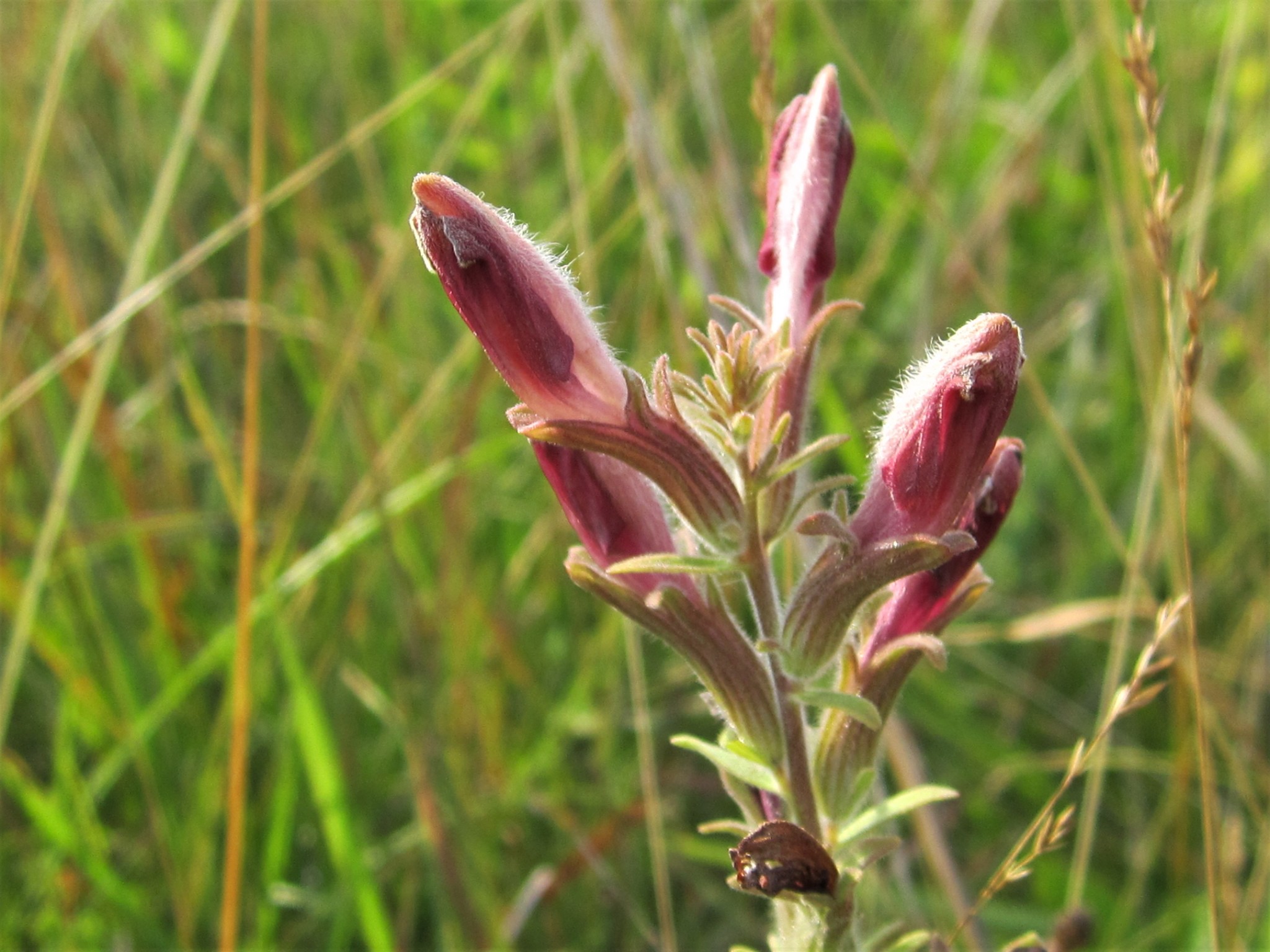
Louisiana: American Chaffseed
Federally endangered American chaffseed (Schwalbea americana) not only benefits from periodic burning, it requires fire. Once widely common in pine-dominated forests across the Atlantic and Gulf seaboard, it represents one of the rarest root-parasite species of flowering plants in the southeastern United States. (This unique perennial herb also draws nutrients from the roots of other plants through an appendage called a haustoria.) Today, fewer than 45 populations are protected in this region and only 20 of these are considered “self-sustaining." This rarity is mostly due to the plant’s reliance on regular, low-intensity fires known to fuel the region’s longleaf pine forests.
While this plant continues to decline, TNC is working at its CC Road Savanna Preserve and in other parts of Louisiana to protect and restore at least 10,000 acres of key longleaf pine forest and savanna habitat to ensure the long-term viability of American chaffseed, as well as habitat for gopher tortoises, red-cockaded woodpeckers and the many other plant and animal species supported by this important native ecosystem.

Mississippi: Dusky Gopher Frog
Prescribed fire is essential in maintaining habitat at The Nature Conservancy's Mike’s Pond Preserve. This preserve is home to the critically endangered Dusky gopher frog, (Lithobates sevosus), one of North America's rarest amphibians, endemic to fire-maintained longleaf pine savanna ecosystems in the Southeastern United States. Mississippi is one of only a handful of places where they are found. Specifically, these frogs require open pine woods with small, grassy seasonal ponds that only hold water part of the year. They also often reside within gopher tortoise burrows. Regular fire enables these conditions without other trees and shrubs taking over.
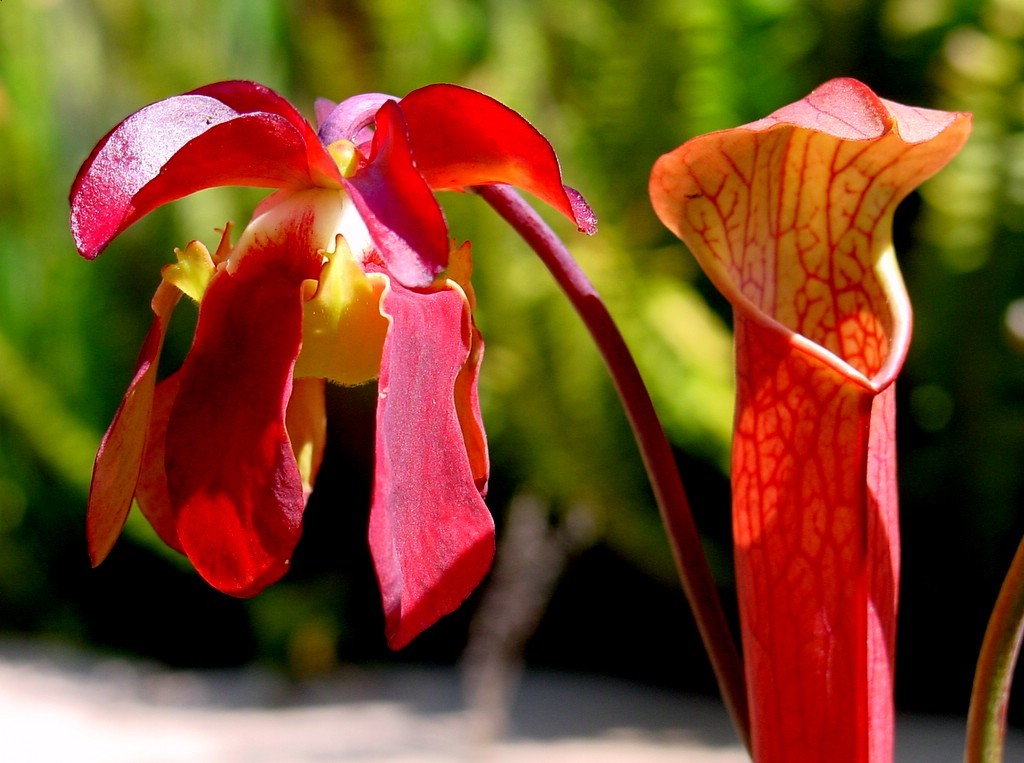
Alabama: Pitcher Plants
TNC’s Splinter Hill Bog Preserve boasts longleaf pine forests and seepage bogs that support 12 species of carnivorous plants, including an exceptionally large and unique pitcher plant subspecies, Wherryi's sweet red pitcher plant (Sarracenia rubru Wherryi). These plants, unique in the Southeastern United States, require periodic fire to clear the area of brush and to enable seed germination and the release of essential nutrients into the soil.
In 2024, TNC acquired an eight-acre parcel within the heart of the preserve. TNC had previously managed that parcel with the permission of the previous owners. Now more than 3,000 acres, the preserve supports this globally unique habitat type, which is thriving thanks to TNC’s management with prescribed, low-intensity fire.


The Facts Behind the Flames
-
Prescribed fires, also known as controlled burns, are purposefully set by professionally trained land managers with the aim of restoring native habitats that depend on high fire return intervals. These prescribed fires are meant to mimic historical fire occurrences across Louisiana, Mississippi and Alabama that occurred before European settlement suppressed that activity.
-
Fire is a natural force dating back hundreds of thousands (probably millions) of years. Many native habitats depend upon regular intervals of fire. Historically, these landscapes burned every one to three years, on average, from lightning strikes or fires set by indigenous peoples for agriculture, to stimulate berry and acorn production, and to make it easier to move and hunt. Prescribed fires mimic those historic fires, favoring some plant species over others through evolved adaptations such as thick bark, dense tufts of needles and the ability to re-sprout after being top-killed. Many such adapted plants will also not vigorously flower or set seed without being burned first. Prescribed fires also prevent fire-sensitive hardwoods and shrubs from growing into the forest canopy, which jeopardizes species, such as the northern bobwhite quail and the black pine snake, that have adapted to thrive in an open, grassy woodland landscape supported by direct sun and frequent fire.
-
TNC’s prescribed burns are conducted by trained professionals who have studied fire behavior and fire control techniques to ensure the safety of the burn crew, nearby residents and private property.
-
The key to a safe and effective burn is planning. Before fire is applied to the land, land managers and fire crews go through a rigorous planning process to determine the acceptable conditions under which the burn will be conducted. The conditions are written in a document called the prescription, which includes expected fire intensity, relative humidity levels, wind speeds and directions, air temperature and dryness of the vegetation, along with a description of how the fire will be ignited and contained. If weather conditions are unacceptable on the day of a planned fire, it is considered “out of prescription” and the burn will be postponed. The prescription planning process ensures that the fire is approved by fire control authorities, and all burning permits have been obtained. By following a prescription, fire managers accomplish their objectives and provide for public safety.
-
Managing smoke is an important part of every prescribed burn. Before the fire is set, fire managers conduct smoke screening by reviewing the areas they plan to burn and the proximity of houses, roads and other smoke-sensitive sites. This information is incorporated into the burn prescription so that the fire will only be set when predicted winds are favorable to move smoke up and away from populated areas and keep smoke off highways. Periodic prescribed burns prevent heavy brush accumulation, which would send a larger amount of smoke into the air if a wildfire were to occur.
-
Fire was once a dominant process in shaping tens of millions of acres across Louisiana, Mississippi and Alabama, including shortleaf pine woodlands, coastal and blackland prairies, and coastal marshes. Frequent, low-intensity fire is also key to the health of the longleaf pine forest and open savanna ecosystem that once covered 90 million acres across the South. In favorable conditions, longleaf pine trees can survive 250 years or more. Occasional, low intensity fire improves the longleaf pine forest by removing competing trees and invasive species, clearing debris and preparing the soil for optimum growth.
After 20 or 30 years of growth, planted longleaf pine trees reproduce by seeds spread by wind and squirrels, birds, mice and other wildlife. If routinely burned, an open, diverse savanna or woodland eventually appears with grasses and flowering forbs abundant on the ground. Numerous species, including federally endangered gopher tortoises, red cockaded woodpeckers and American chaffseed depend on a healthy longleaf pine forest. Removing fire from any ecosystem with which it was historically associated can have a negative effect on a region’s biodiversity.
-
In a way, a prescribed fire re-sets a site. It provides nature with a blank slate. Fire clears away overgrowth and debris, prompting a fresh opportunity for the hardiest and most diverse native species to grow and thrive. Within weeks of a prescribed burn, native plants are re-sprouted, vigorously growing, and often robustly flowering and later seeding. It’s not long before insects, birds and other critters—many of which only briefly left the area because of the fire—return to the new growth.
Continue Exploring

Why We Work With Fire
The Nature Conservancy is well known for conducting controlled burns to restore health and diversity to natural lands. But that's not the whole story.

Longleaf Pine Forests—A Tree for Our Time
Throughout nine states in the U.S. southeast, TNC is working together to restore and manage longleaf pine forest from Texas to Virginia.

Southern Deltas
Stretching across the southeastern United States, the floodplains, rivers, streams and swamps of the Southern Deltas are among the most socially and ecologically diverse places on the planet.