

Northern Rangelands The Nature Conservancy, through the Africa Biodiversity Collaborative Group—a coalition of seven conservation organizations made possible with funding from USAID—launched a pilot project to control the spread of sickle bush that was dominating about 75 percent of grazing land in Selela and Lemooti villages, and over 18,500 acres in Randilen Wildlife Management Area. © Roshni Lodhia
On Earth Day 2006, TNC announced its first commitment to work in Africa. We began in the picture-postcard savannas of Kenya and Tanzania, supporting nomadic herders in conserving the plains where their livestock shared space with some of the planet’s most iconic wildlife.
Twenty years later, we have a footprint across 21 African countries, spanning from the Atlantic to the Indian Ocean and from the Congo Basin to Cape Town. Across watersheds, rivers, rangelands, forests, lakes, and oceans, we've supported African-led initiatives to conserve the natural systems that sustain life and livelihoods, and we're contributing to the shared ambition for a prosperous and wild African continent.
Since the decision to invest on the continent was made 20 years ago, TNC's commitment to Africa has been shaped by our globally proven approach, which holds that people and nature thrive when local leadership, robust science, sustainable financing, and smart policies are integrated to achieve conservation impact at scale.

From Decision to Impact (2006 - 2026)
TNC's decision for Africa was grounded in science, partnerships and locally led conservation, recognising from the outset that lasting outcomes depend on collaboration with the people and institutions closest to nature.
Over the past two decades, through more than 200 partnerships we've forged across Africa, the dedication of our purpose-driven team and the support of those who believed in and funded our work, we've achieved remarkable progress. That shared progress has been rooted in science, shaped by community-led decision-making, and sustained by government action.
We have seen more than 1 million people's livelihoods strengthened by nature-based opportunities, and over 2.5 million people have benefited from natural climate solutions. Conserved, restored, or under improved management: +21M hectares of land; +256K hectares of freshwater; +46M hectares of marine areas; +3K km of rivers.

Why Nature Matters Here
In Africa and around the world, forests help regulate rainfall, nourishing farms and supporting hydropower. Rivers, wetlands, and catchments supply cities and rural communities with water, energy, and food. Rangelands sustain people and livestock, even in arid regions. Coastal and marine ecosystems support fisheries and blue economies.
Africa is a continent where development and climate resilience depend on healthy natural systems, and where hundreds of millions of people rely directly on nature for their daily needs. It is also a place where rapid population and economic growth, along with rising demand for food, water, and energy, are placing increasing strain on ecosystems.
We have come to view these dynamics not as a threat but as an opportunity, consistently asking difficult questions and innovating. How can we apply our approach to support local communities, governments, and businesses as they develop new ways and adapt old ones to sustainably prosper from Africa’s natural riches?
What underpins it all is trust in people’s hard-won understanding of what works best where they are, coupled with a commitment to bring what we can to complement and sustain that understanding.
Communities at the Center
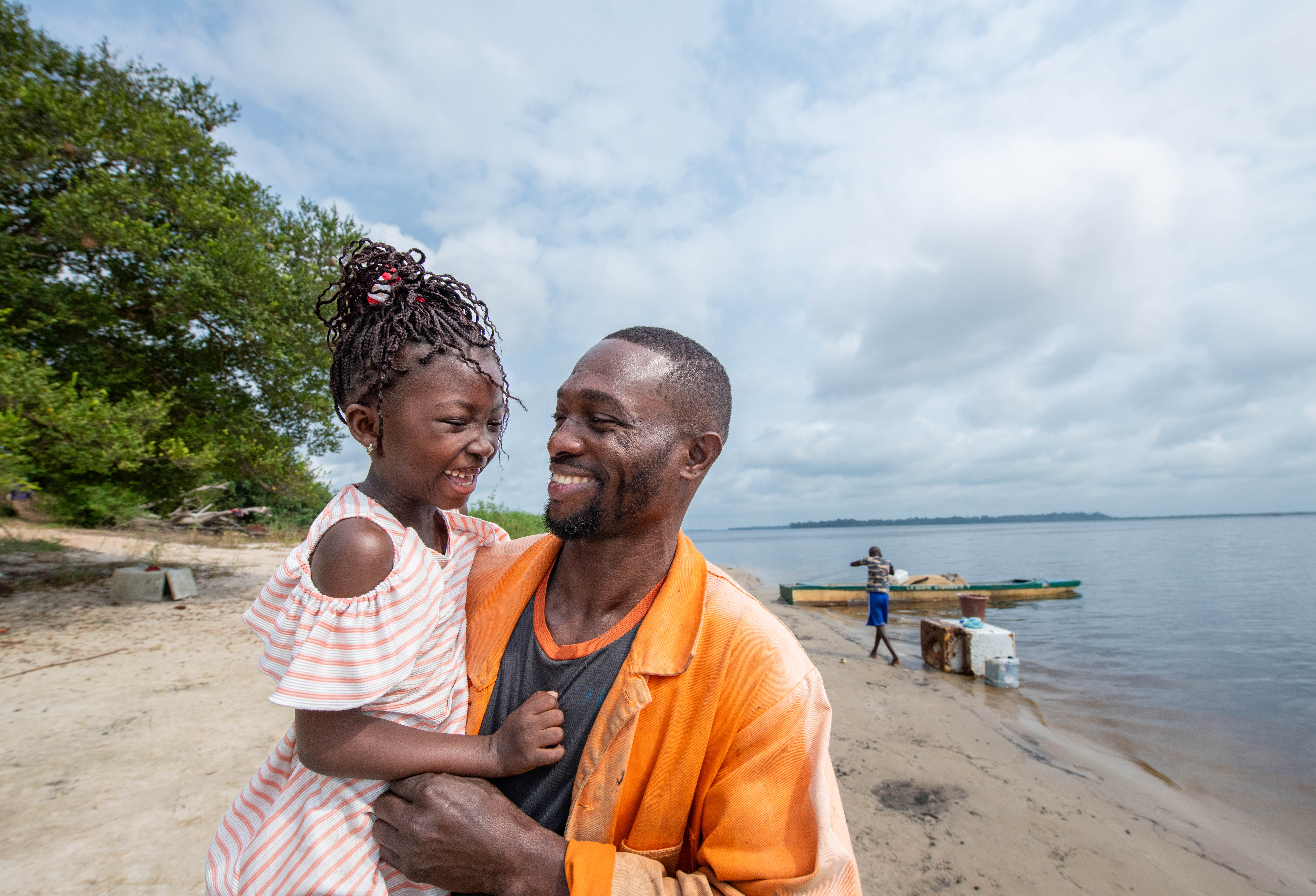
Whether you take a bottom-up approach by partnering directly with communities or a top-down approach by sharing expertise in policies and best practices with governments or the private sector, conservation endures when local communities shape decisions.
We have seen this in Seychelles, where artisanal and industrial fishers' participation in consultations on new national marine protected areas, funded by our first debt-for-nature conversion in Africa in 2016, has ensured the initiative's longevity and enabled the country to now protect 30% of its ocean, up from just 0.04%.
Together with our partners, we’ve seen it in river catchments supported by Water Funds across Africa. Since its inception, the Greater Cape Town Water Fund has helped replenish an estimated 36.37 billion liters of water annually across priority catchments through invasive species clearing and improved land management. Upstream of Nairobi, we worked with more than 260,000 farmers to improve crop yields while keeping the rivers that supply 95% of the city’s water cleaner and healthier.
We’ve seen it in Gabonese rainforest lakes, in rivers in Angola that feed the Okavango Delta, and on the beaches of Lake Tanganyika and Lamu in Kenya, where our partners have established cooperatives to help communities sustainably manage their fisheries, forests, and farms. Nature-based entrepreneurs are shaping tomorrow’s local business leaders.
We’ve seen it across the vast community-based natural landscapes surrounding national parks and preserves in Kenya, Tanzania, and Zambia. There, we continue the work we began in 2006 by strengthening local organizations and helping Indigenous Peoples and local communities secure their rights, manage their land sustainably, and realize greater returns on their generations-long stewardship of key wildlife areas.
Together, our work in Africa so far has protected, restored, or improved 21.7 million hectares of land and 46 million hectares of marine ecosystems. It has avoided or sequestered 7.3 million tons of carbon emissions through nature-based solutions. It has mobilized more than half a billion U.S. dollars for conservation and climate action, benefiting at least 3.7 million Africans.
More from Community Conservancies
Youth: The Future of Conservation
Young people are central to conservation on Kenya’s rangelands, and they are seeing the benefits of community conservancies.
A Space Where Wildlife Thrive
In Maasai Mara’s community conservancies, people prosper and wildlife flourish.
Restoring Kenya's Grasslands
Healthy grass sustains livelihoods in Kenya’s rangelands.
Generations of Conservation
To create lasting change for people and nature, elders and youth share in the benefits of community conservancies.
Partnerships, Policy, and Finance
None of this would have been possible without our partners: the community-based groups, scientists and researchers, celebrities and influencers, donors, conservation organizations, and the government administrators and leaders we have worked with.
Little of it would have been possible without smart, nature-positive policies and robust governance, the frameworks that sustain good conservation work, or without sustainable, fair, and adequate finance, the fuel that drives it forward.
Over the past 20 years, TNC has helped pioneer conservation finance approaches across Africa that move beyond short‑term funding and can be scaled to directly protect nature. These include water funds, sustainable finance mechanisms, nature bonds, and ocean debt conversions.
We have guided, facilitated, or strengthened policy reforms that better recognize Indigenous stewardship of nature and foster authentic partnerships with local communities. We’ve leveraged technology and innovation to improve transparency in industrial fishing, strengthen freshwater and fisheries governance, and align food systems and carbon markets with biodiversity and climate goals. We’ve also worked to inspire the next generation of conservation leaders.
Download
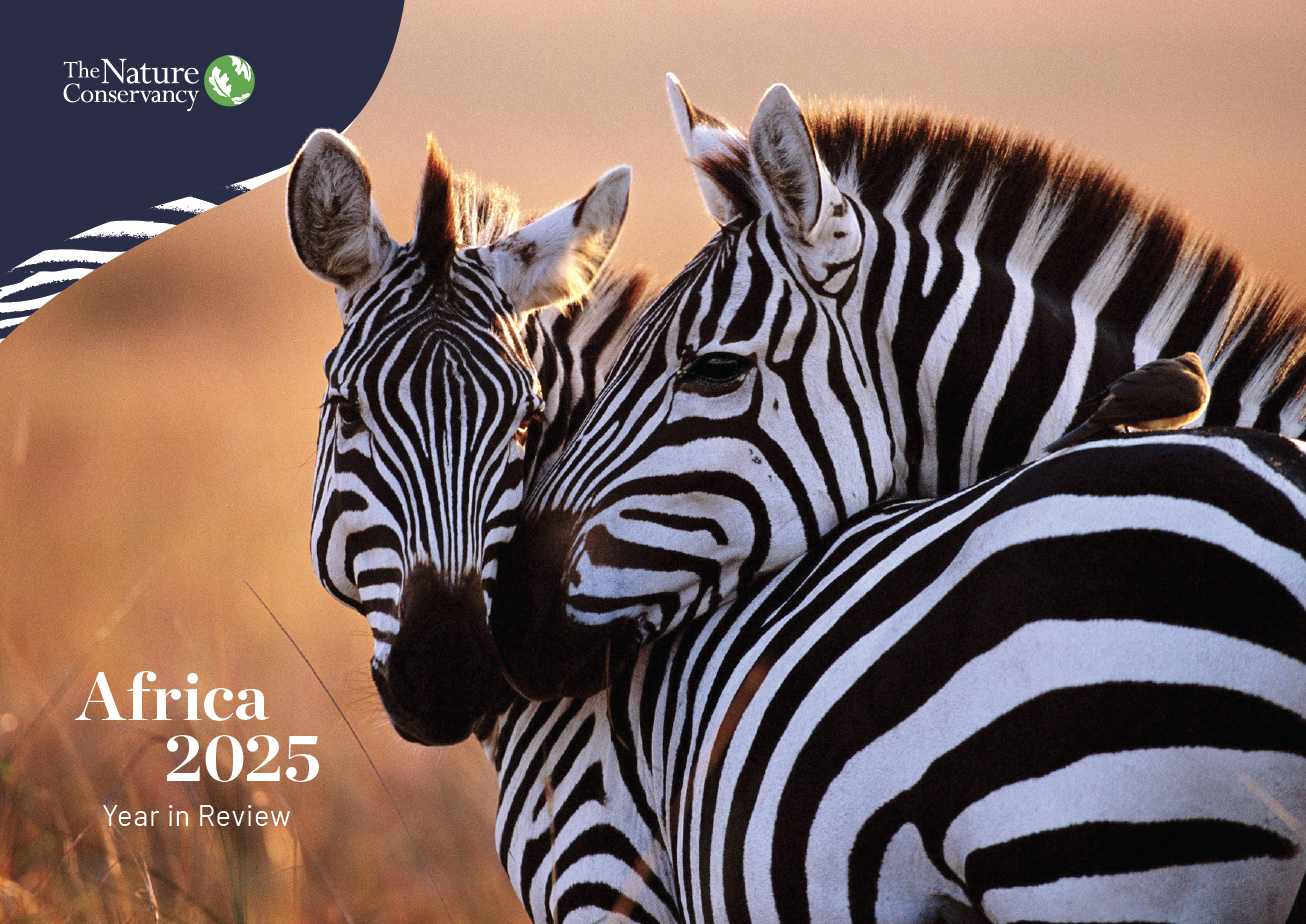
See what we achieved together. Take a look at the biggest milestones from the Africa Region in 2025.
Download
Looking Ahead
As we look ahead, the next chapter addresses scale and permanence. We are now focused on Africa’s Big Five Irreplaceable Landscapes, where healthy ecosystems sustain large-scale economies and livelihoods. These include the Blue Benguela, the continent's most productive marine area, which hosts a current that supports fisheries relied on by tens of millions of people; and the Congo Basin, a globally significant rainforest that regulates climate and rainfall.
The Greater Kavango Zambezi Transfrontier area (KAZA) is among the planet’s largest internationally shared conservation regions and is home to half of Africa's elephants. The Kenya-Tanzania Rangelands sustain major, ancient wildlife migrations, and the Lake Tanganyika Basin contains nearly 20% of the world’s unfrozen freshwater and supports more than 12 million people. All five landscapes are rich in biodiversity and offer opportunities to strengthen community-led approaches to biodiversity conservation, resilience, and human well-being.
We have tested and know what has worked over the past 20 years across many projects. What's new is our laser focus on achieving conservation outcomes at the system-wide scale. What remains constant is what has driven our progress so far: listening to and working with local communities, building resilience to climate change, and conserving nature through science-led planning, long-term partnerships, and the flexibility to adapt to emerging opportunities and challenges.
We Can’t Save Nature Without You
Sign up to receive monthly conservation news and updates from Africa.

Related Stories

Africa 2025 Year in Review
Take a look at the biggest milestones from the Africa Region in 2025.

2025 Global Annual Report
Our 2025 annual report highlights our conservation work around the world in fiscal year 2025, including a financial overview. Read or download the report.

Our Goals for 2030
Our planet faces interconnected crises of rapid climate change and biodiversity loss. The TNC 2030 goals aim to help slow and reverse these trends.