
Overview
You’re invited for two opportunities to hear from TNC’s experts. From sea turtle protection in the Solomon Islands in the Pacific and to land conservation in Mongolia, join to learn what support like yours is making possible.
Match expires at midnight GIVE NOW
interstitialRedirectModalMessage
Wednesday, March 25
4 p.m. ET/1 p.m. PT
The Solomon Islands span a volcanic chain of more than 900 islands across nearly 1,000 miles of the South Pacific. Near the chain’s western end lie the Arnavon Islands, home to the largest hawksbill turtle rookery in the region. Hunted to near extinction for their beautiful shell, the hawksbill sea turtle is listed as endangered under the Endangered Species Act.
In the mid-nineties, TNC helped local communities establish the largest and first community-managed marine protected area in the Solomon Islands. Since, hawksbill populations have shown encouraging signs of recovery. The Arnavons now stand as a model of community-led conservation and a sanctuary for critically endangered turtles. Learn how community-led conservation and on-the-ground research has resulted in critical protections for these incredible creatures.
Wednesday, June 10
7 p.m. ET/4 p.m. PT
Join us to hear firsthand how The Nature Conservancy is helping Mongolia achieve its goal of protecting 30 percent of its remarkable lands by 2030, including new protected areas, effective management of existing protected areas, and community-led conservation spanning over 100 million acres. This bold land protection effort is part of Enduring Earth, a scaled collaboration launched by TNC and fellow conservation groups that aims to steward nearly 1.5 billion acres of lands, ocean, and fresh water.
Through this presentation, you will see footage of keystone species found in this historically and biologically rich landscape, including the snow leopard, argali sheep, saiga antelope and white-naped crane—wildlife that will benefit from strengthened land and freshwater protection made possible through the Enduring Earth collaboration.
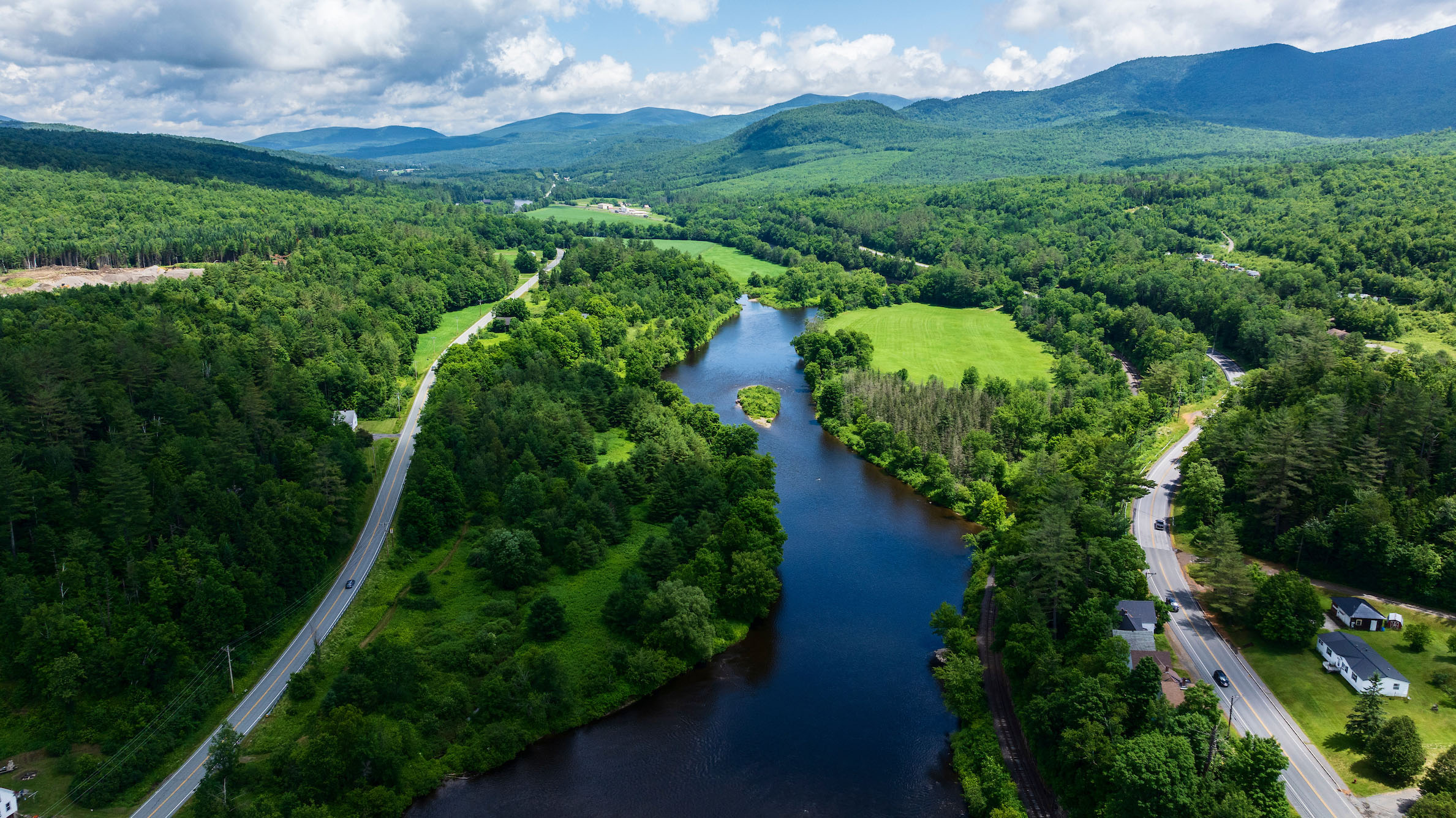
November 19, 2025 | The Appalachian region—stretching from Alabama to eastern Canada—is one of the most climate-resilient, biologically diverse, and carbon-rich landscapes in the world. Its rivers are teeming with life. Yet rivers in Appalachia are fragmented by outdated road culverts and tens of thousands of dams—many obsolete and dangerous. Learn how The Nature Conservancy is working to restore the health of rivers and hear from our experts on how we’re scaling these strategies all along the eastern U.S.
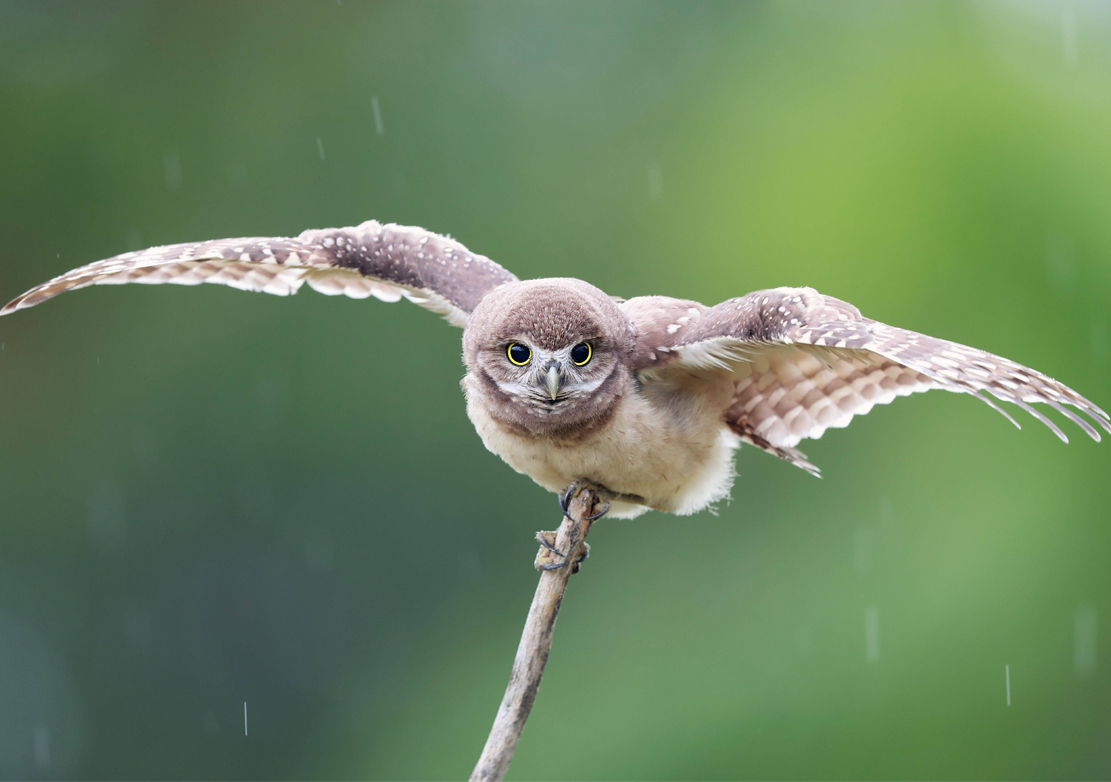
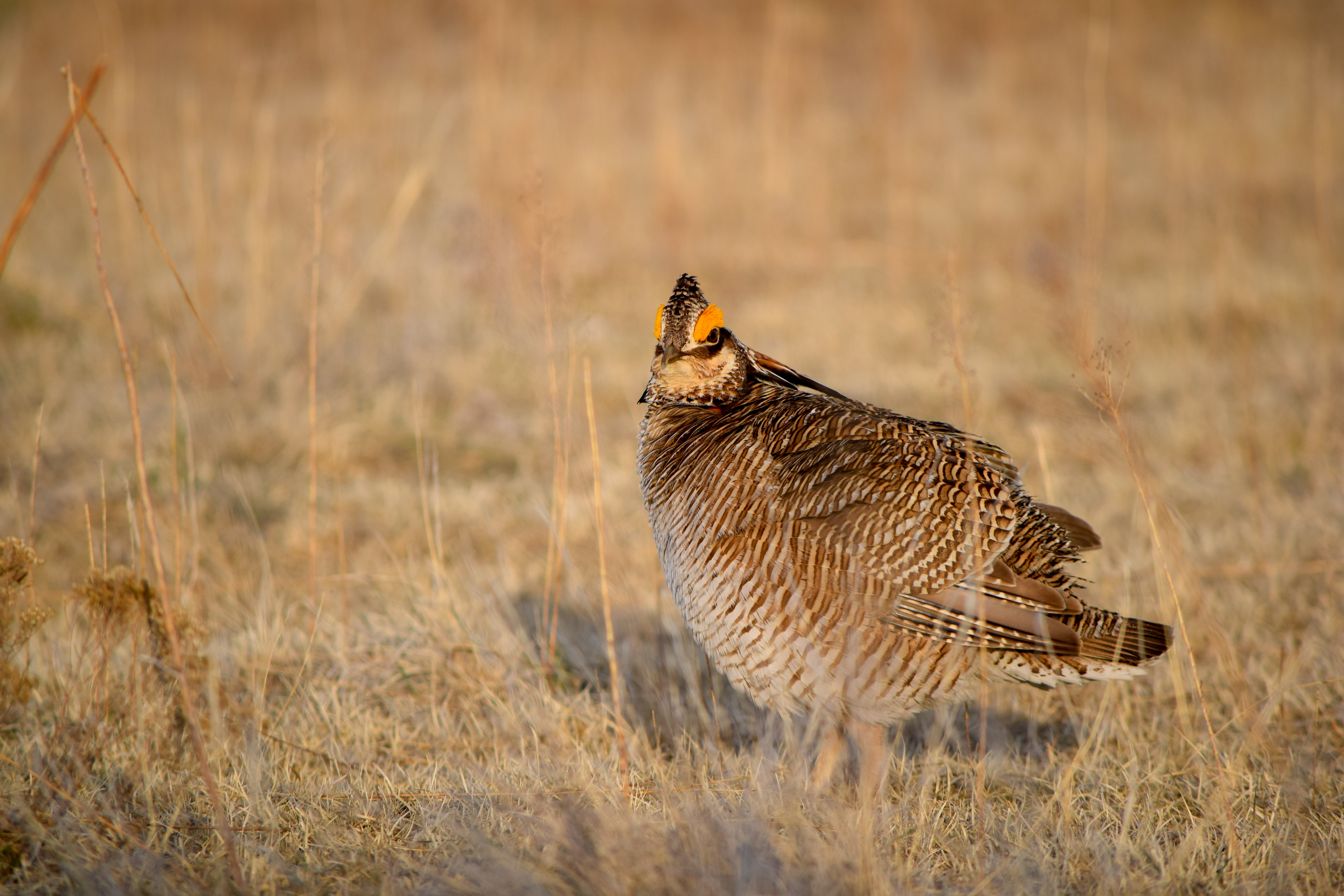
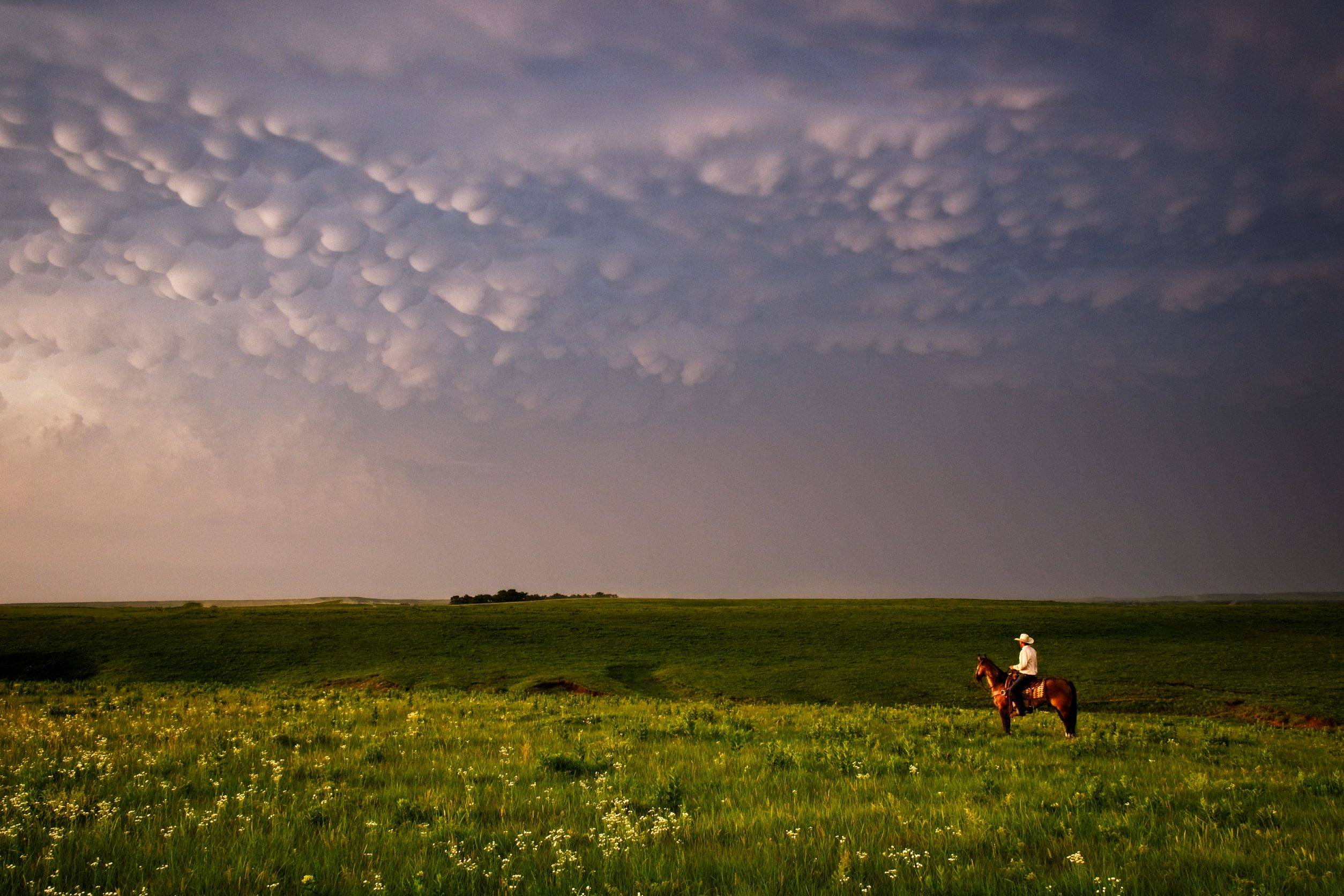
September 17, 2025 | Learn how owls and prairie conservation go hand-in-hand at the Matador Ranch in Montana where TNC and partners are studying birds like the burrowing owls and conserving the stunning Big Sky landscape through efforts ranging from wildlife-friendly fencing, community cattle grazing, and stream and grassland restoration projects. In addition, TNC’s team in Montana is leveraging a unique conservation agreement program for sage-grouse and other declining grassland birds.
May 08, 2025
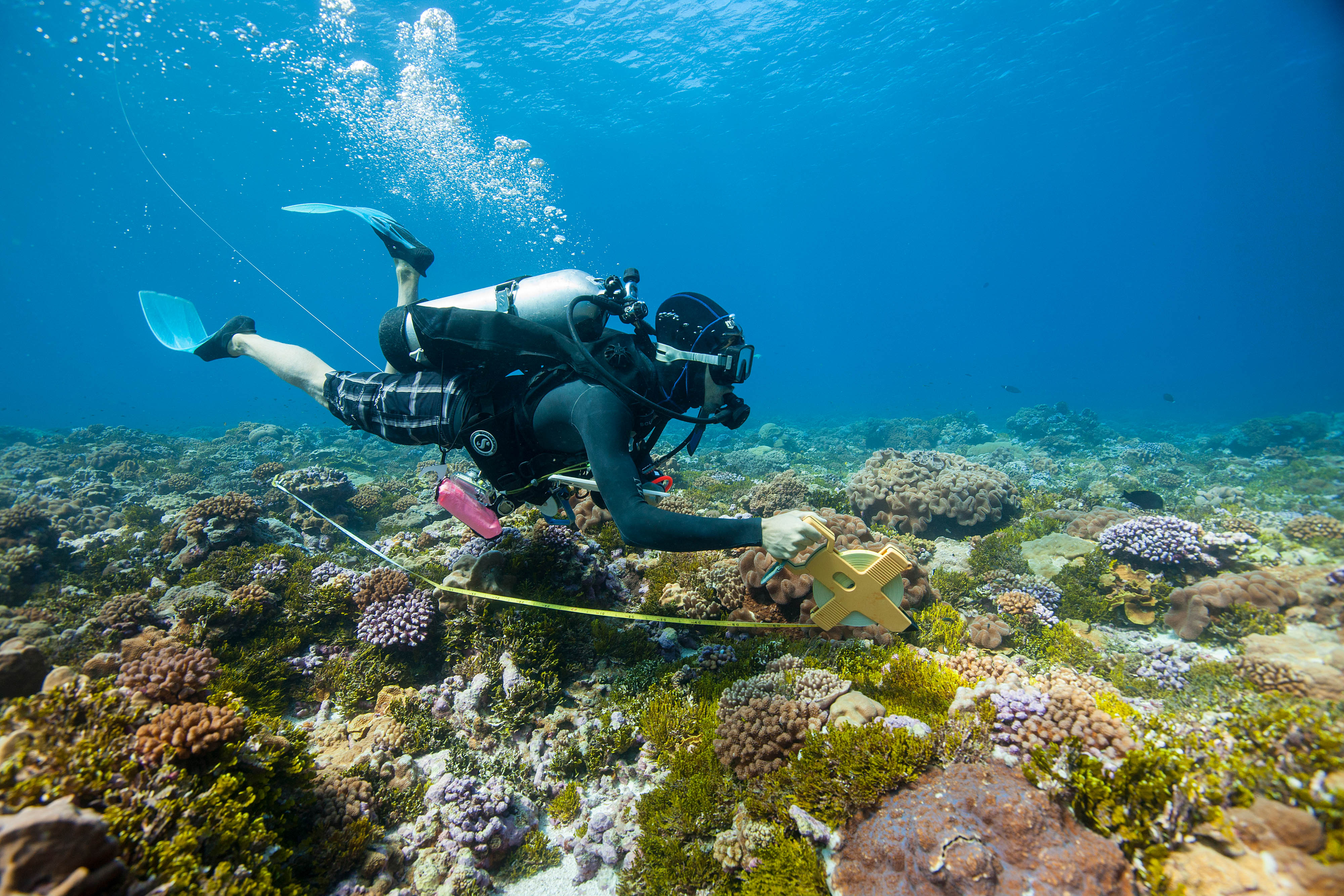
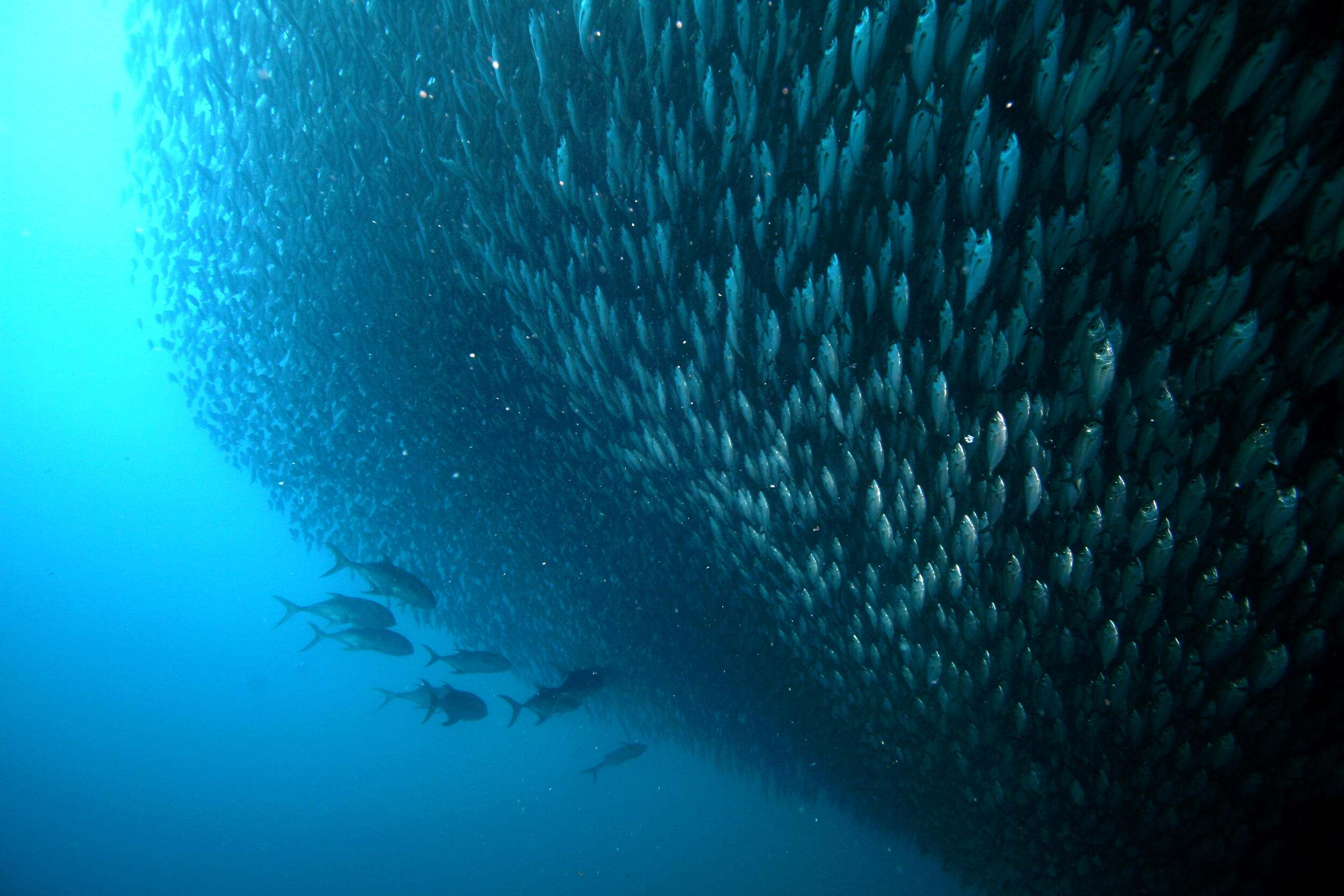
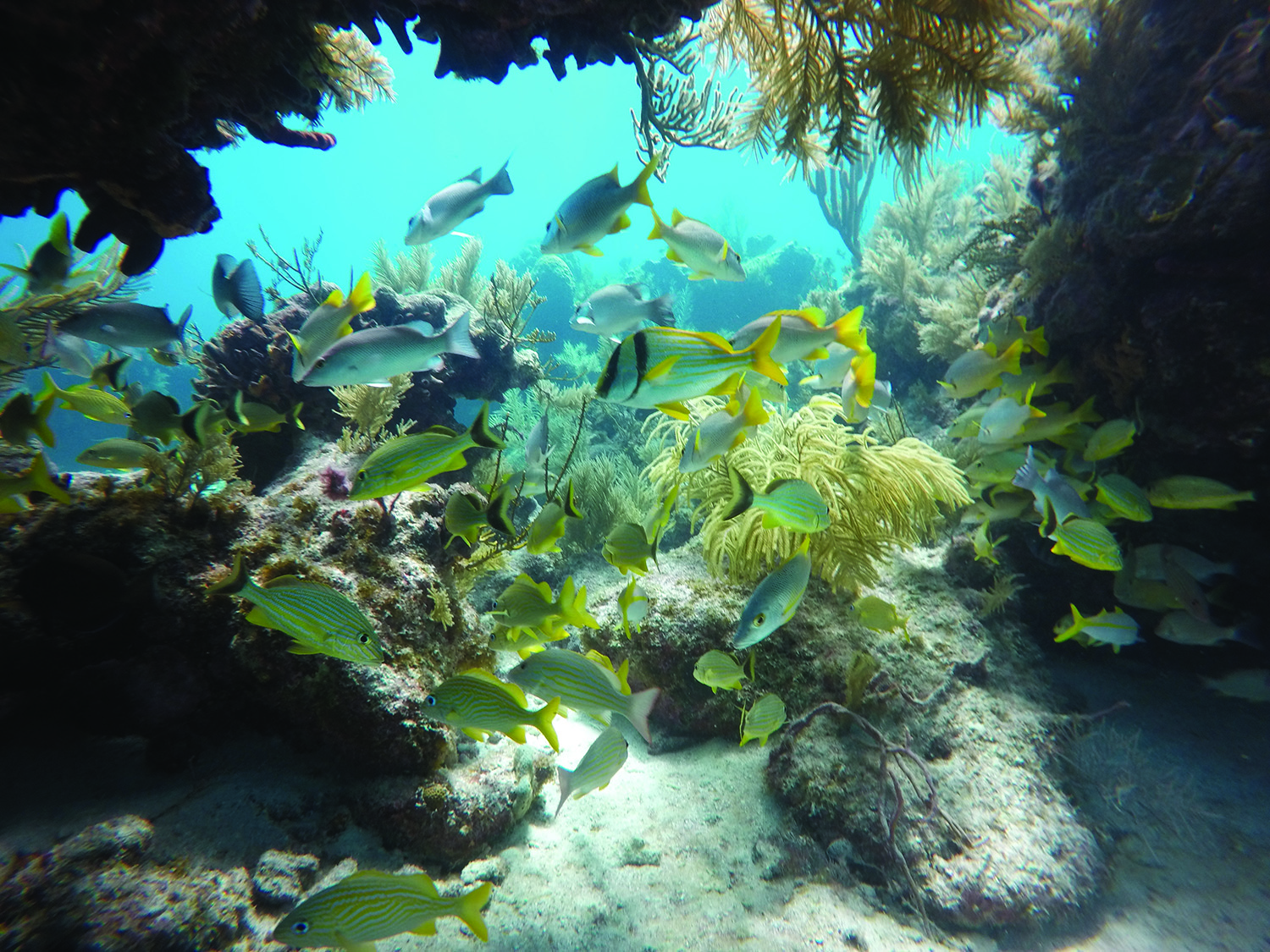
Dive beneath the surface into one of our most threatened ecosystems on the planet—coral reefs—and see how TNC is protecting and restoring vital reef areas during this critical window of opportunity. Watch Now
Mar 26, 2025
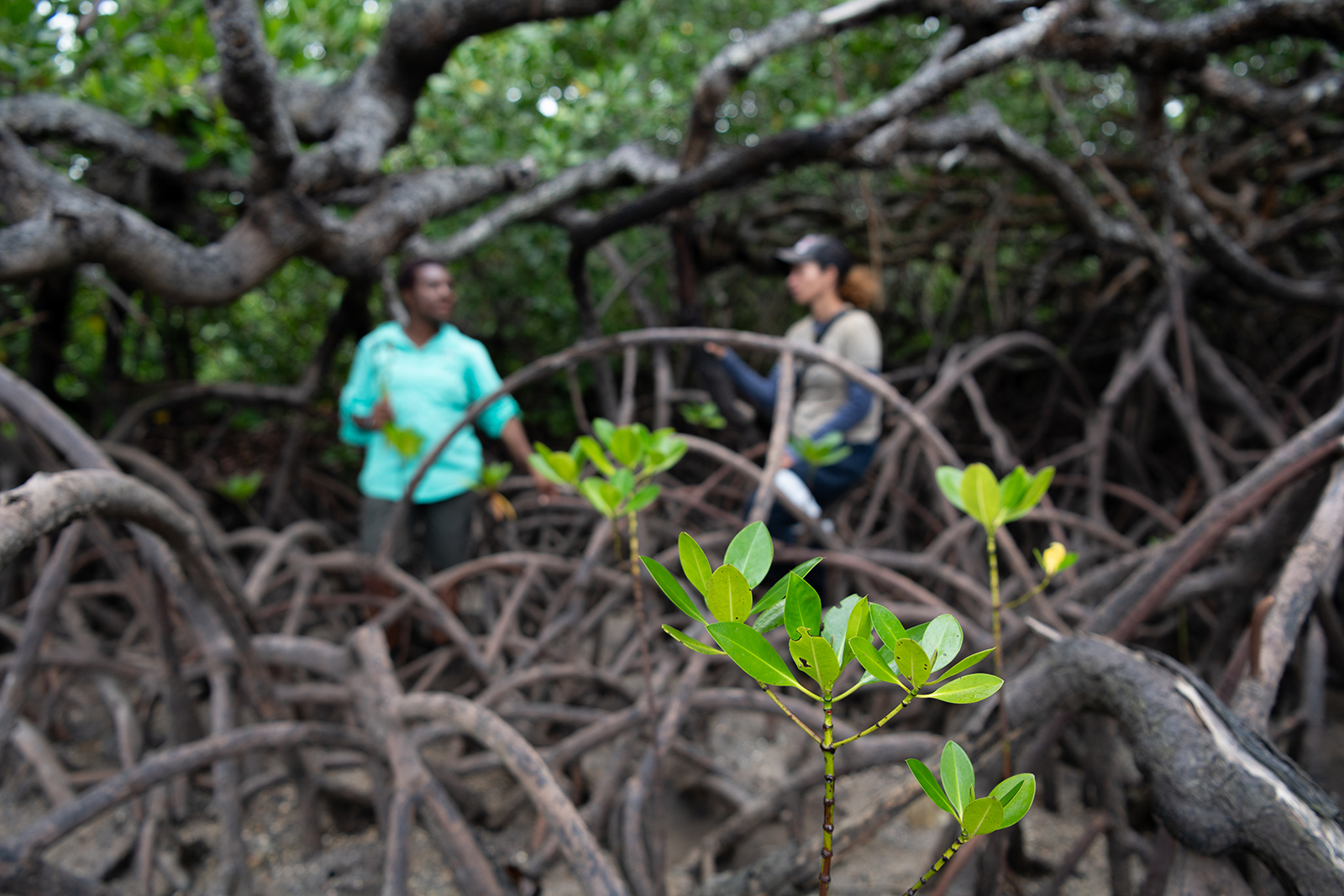
Learn how TNC uses science to show where nature can make a difference for mitigating climate change and hear firsthand about an on-the-groun project in Papua New Guinea. Watch Now
Mar 12, 2025
Learn about one of TNC’s fist conservation programs in Latin American and how TNC Mexico is charting a vibrant future by working across borders to conserve and restore ecosystems. Watch Now
Oct 30, 2024
Learn about the race to save North America’s iconic trees and hear about work in action in Maine and beyond how TNC is rising to the challenge with innovative tree breeding program and other tools. Watch Now
Oct 16, 2024
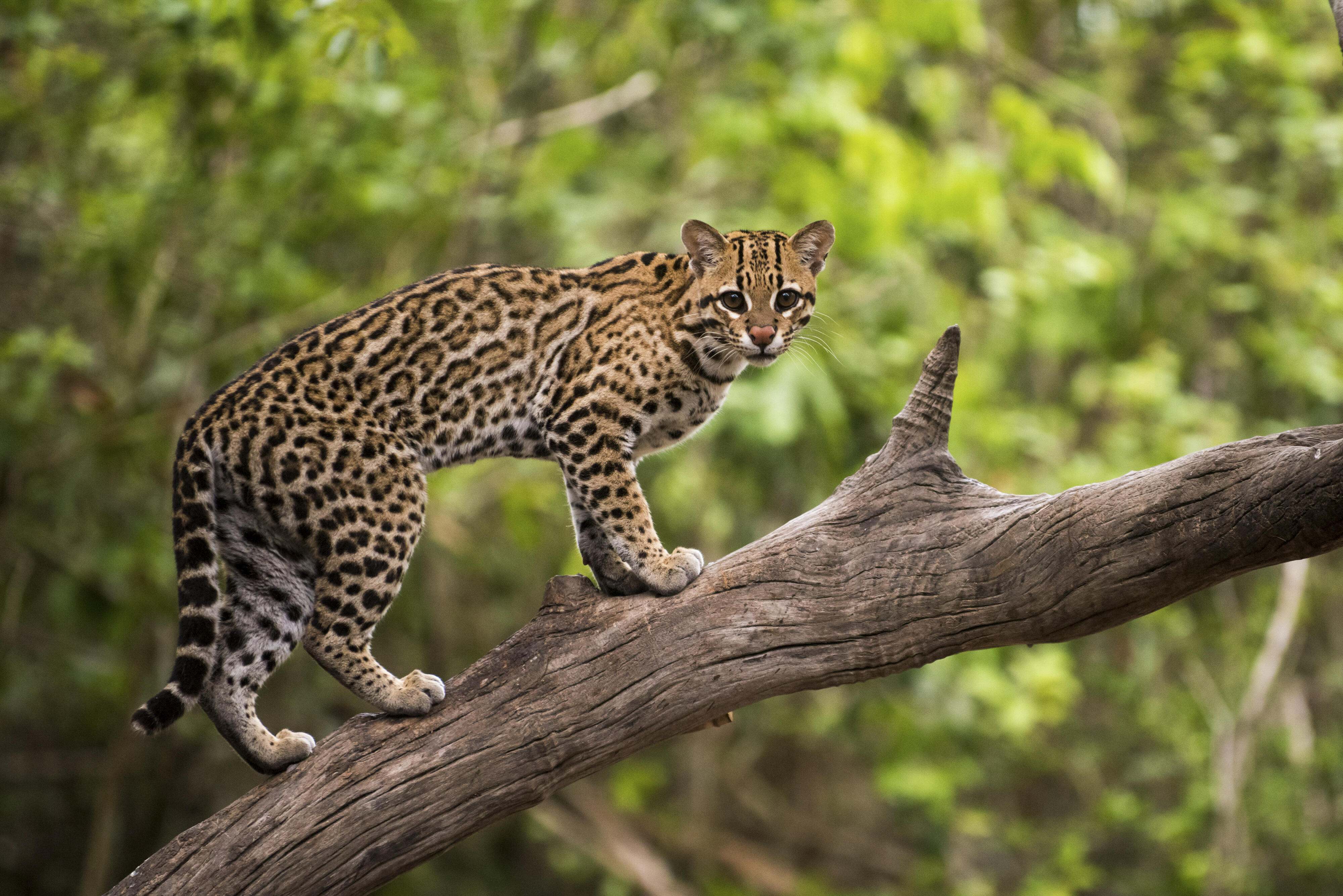
Learn from TNC experts about their efforts working in an ever-urbanized environment to safeguard populations fo bobcats in New Jersey, and ocelots in South Texas. Watch Now
Jun 10, 2024

Step virtually into this fire-dependent forest with TNC experts to see how TNC is protecting what’s left and reclaiming what’s been lost. Watch Now
Mar 20, 2024
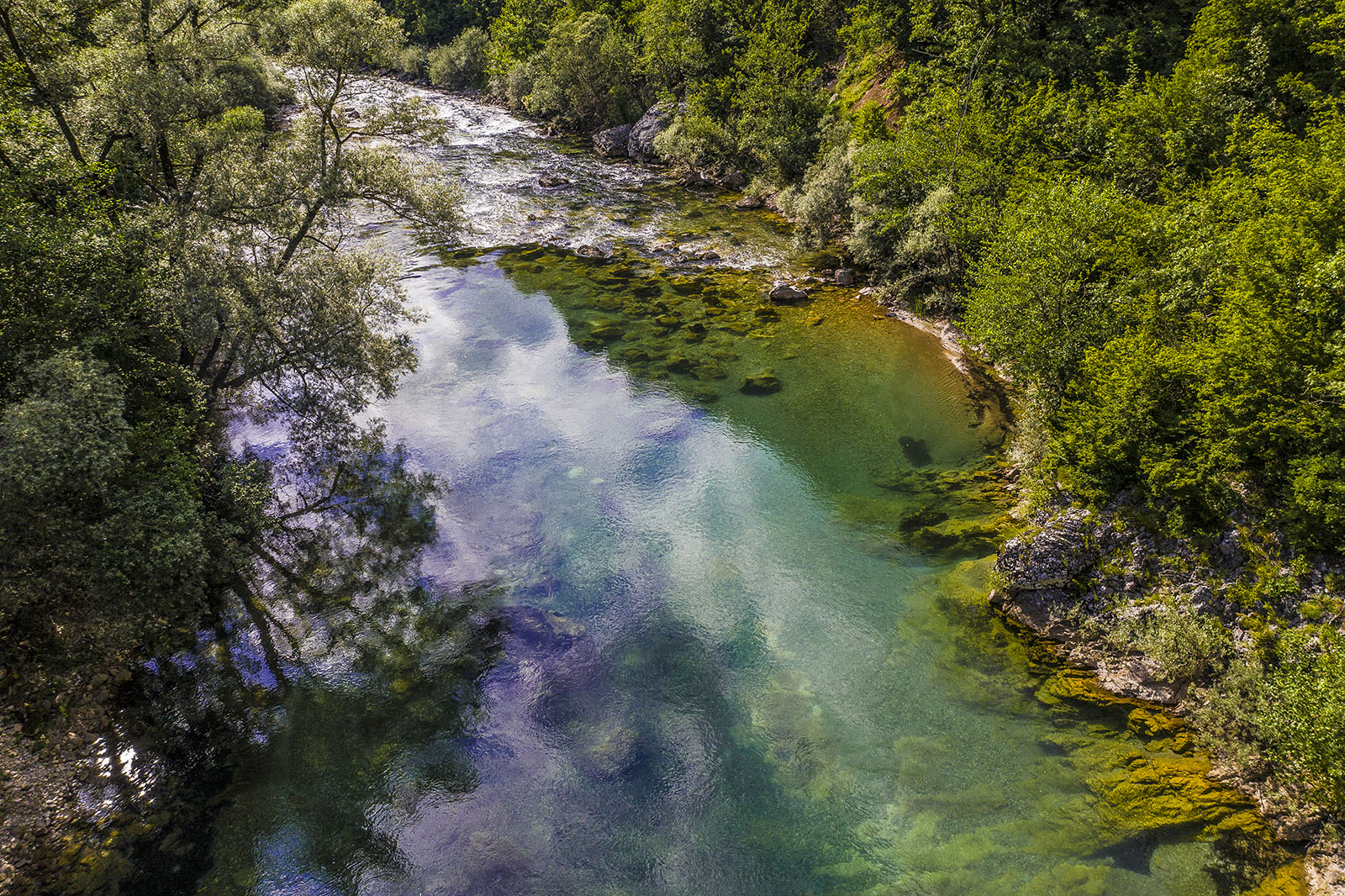
From dam removal and river protection in Croatia and Montenegro, to energy siting in Serbia, or water security strategies in the UK, learn from TNC conservation experts how our work and team is growing and how sharing expertise around the world makes Watch Now
Mar 06, 2024
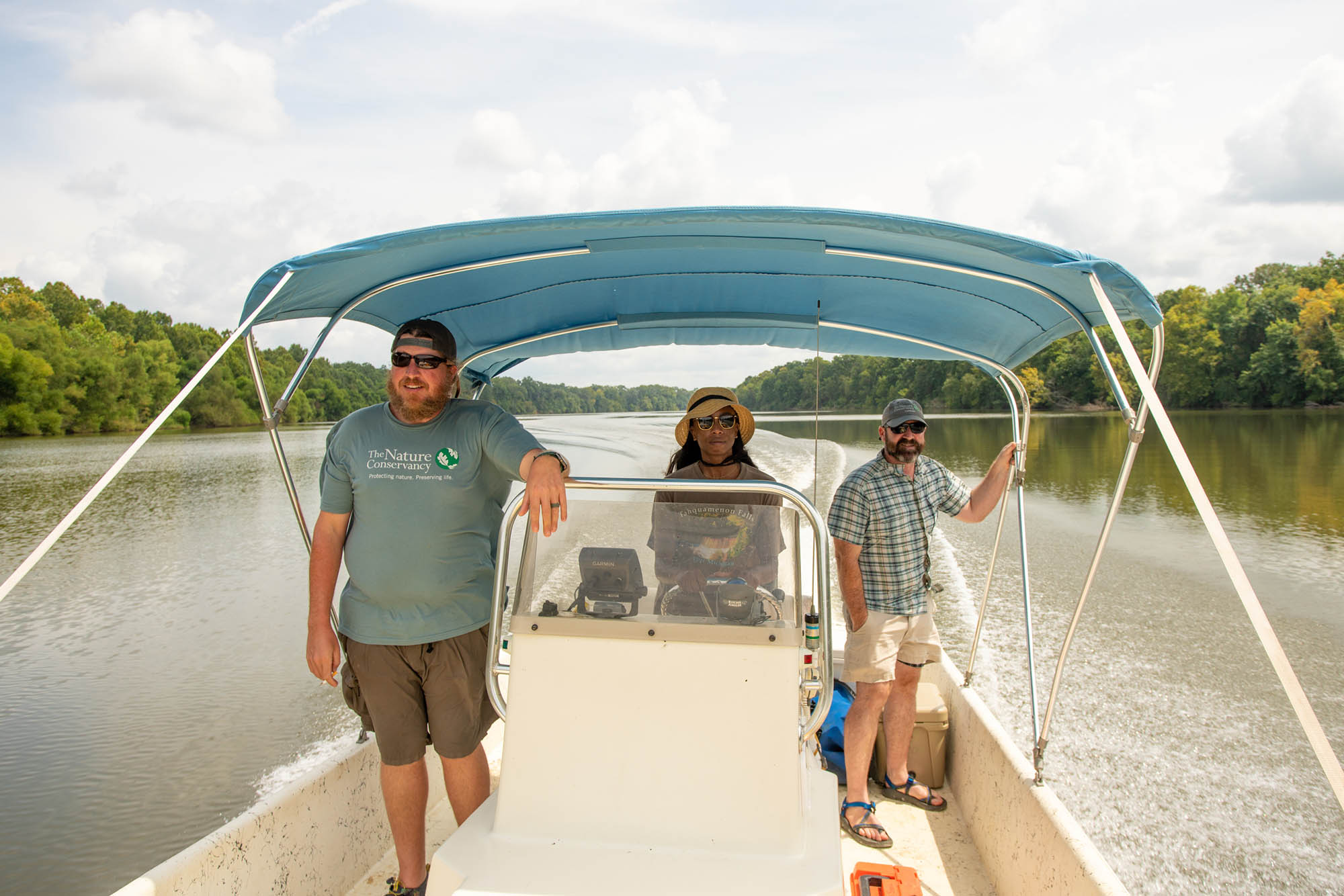
Learn about the policy and science that is underpinning our conservation work to protect the Alabama and Cahaba Rivers. Watch Now
Nov 01, 2023
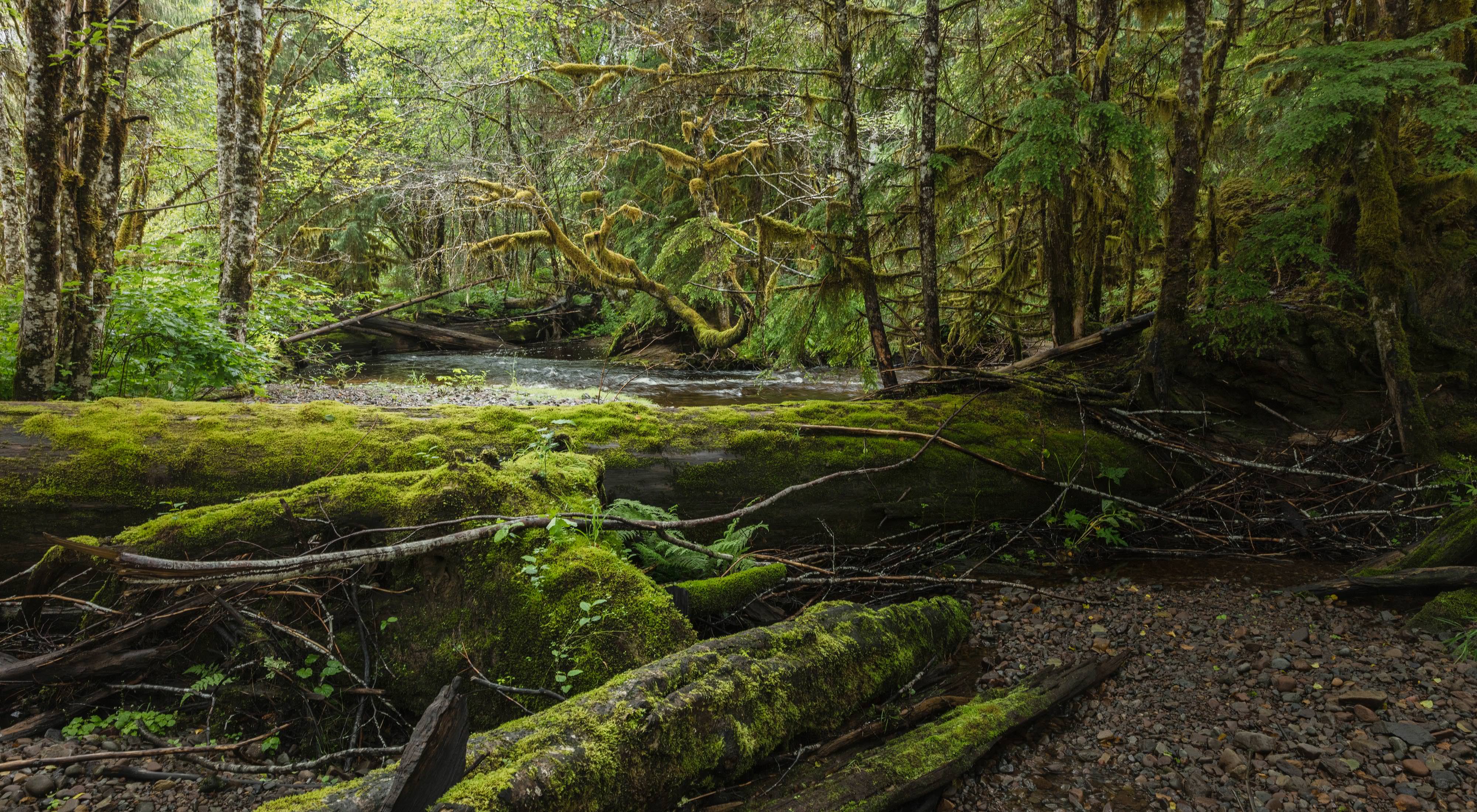
Learn about TNC's work in the heart of the largest temperate rain forest on Earth, where we're leveraging our strengths in collaboration, partnership and science to support a brighter future for the region and the the world. Watch Now
Oct 16, 2023
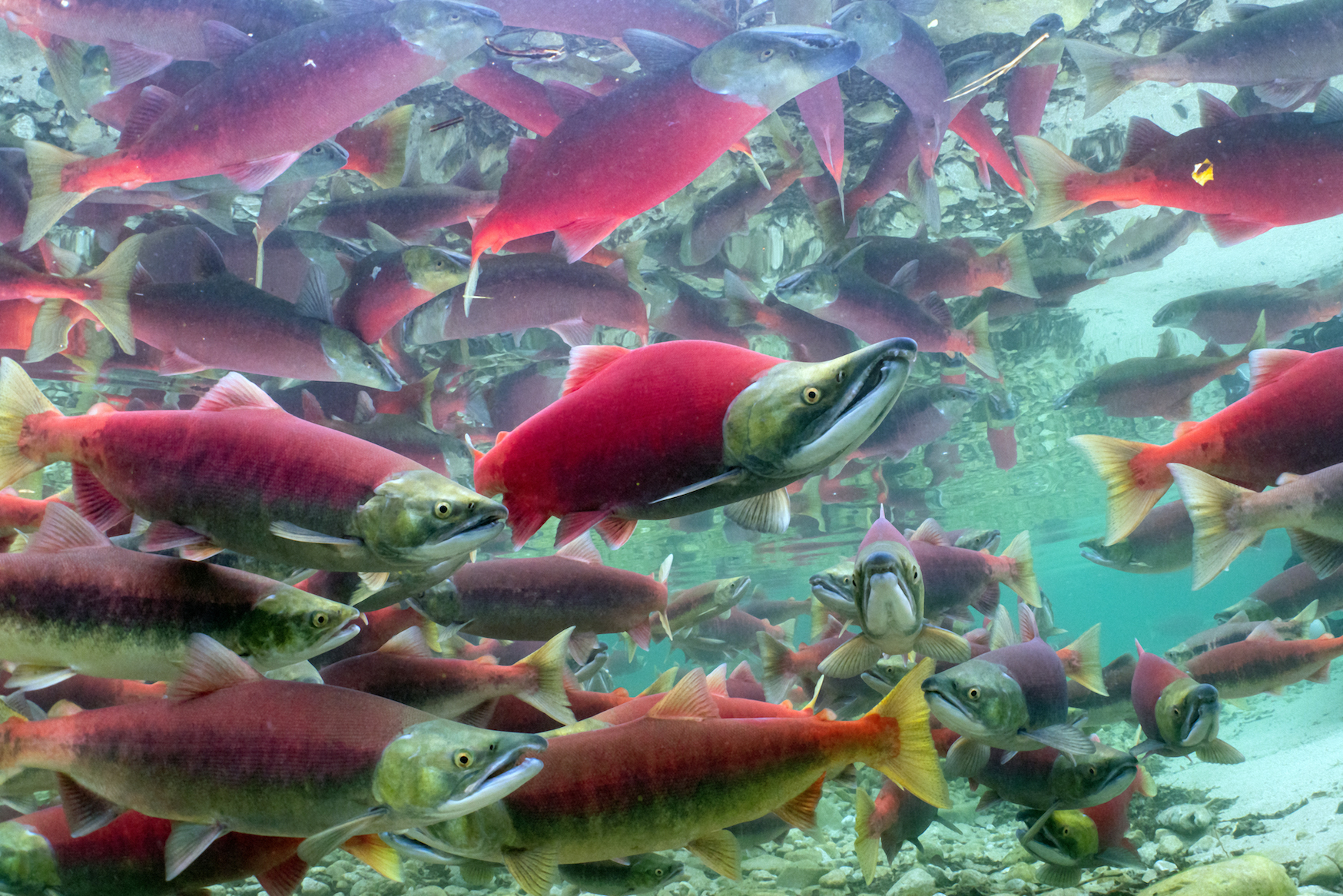
Take a trip across Bristol Bay's vast landscape of braided rivers swollen with salmon and learn about how TNC's Alaska program is helping support the people, wildlife and landscapes in this remarkable watershed. Watch Now
May 16, 2023
Join us as we explore the wild coasts, estuarine waters and offshore reefs of some of the places our marine conservation work touches down to discover the connections between these habitats. Watch Now
Mar 27, 2023
Meet and learn from TNC conservation experts who will share how we’re leveraging the latest research, science and traditional stewardship practices to manage grasslands in North and South America. Watch Now
Mar 13, 2023
Learn about how grasslands foster biodiversity, the species grasslands sustain, and the conservation policy tools TNC uses to protect these vibrant landscapes in North and South America for nature and people. Watch Now
Can't get enough of our webinar series for loyal TNC supporters? Check out our playlist!
Learn how TNC is collaborating with local ranchers inspires partnerships in education and conservation benefiting owls and other species.
Dive beneath the surface into one of our most threatened ecosystems on the planet—coral reefs.
Learn how TNC uses science to show where nature can make a difference for mitigating climate change.