
Places We Protect

Ormond Beach

Ormond Beach Wetlands with dunes covered in yellow flowers.
Ormond Beach One of Southern California’s most important wetland restoration projects, designed for people and nature. © Peter Dixon

One of Southern California’s most important wetland restoration projects, designed for people and nature

Overview

Description

Tucked between Oxnard’s sandy beaches and Point Mugu State Park, Ormond Beach’s two miles of wetlands and dunes are considered by experts to present one of the most important wetland restoration opportunities in Southern California, as well as being a world-class destination for birdwatchers. Although these wetlands have been significantly altered by development over the past century, Ormond Beach remains one of few places in the region with intact connections between coastal dunes, salt marsh and upland habitats. Recognizing the significance of Ormond Beach for both nature and local communities, a major restoration plan is now underway with construction slated for 2027.

Access

OPEN TO THE PUBLIC

Explore our work in California

A Plan for Protection

The Ormond Beach Restoration and Access Plan will protect and restore rare coastal habitats such as sand dunes, salt marsh and salt panne, supporting more than 30 special-status species while buffering the coastal community against the impacts of sea-level rise and improving public access.

A least tern parent stands next to its chick on a pebbly beach.
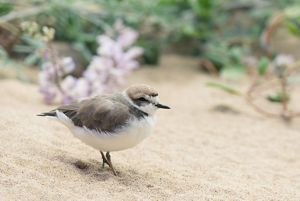
A western snowy plover stands on sand.
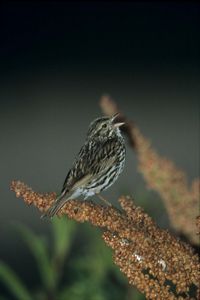
Portrait of an endangered belding's savannah sparrow in song from its perch on a mullein plant.
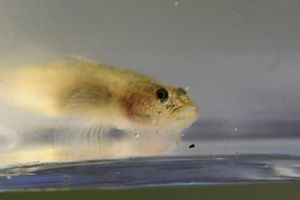
Closeup of a northern tidewater goby.
Salt Marsh Birds Beak close up.

For more than 20 years, The Nature Conservancy (TNC), the California State Coastal Conservancy and the City of Oxnard have been working to protect and conserve this area. Since 2009, we have collaborated on the development of the Ormond Beach Restoration and Access Plan (OBRAP). With the ultimate goal of connecting the OBRAP project area with 1,500 acres of historic wetlands at Point Mugu lagoon, the OBRAP project will help buffer the coastal community against sea-level rise and flooding. It also includes new opportunities for public access and outdoor education, welcoming local community members and travelers to experience this special place. By successfully addressing these many needs, it is our hope that Ormond Beach will serve as a beacon across California for what coastal resiliency in an urban area can look like.

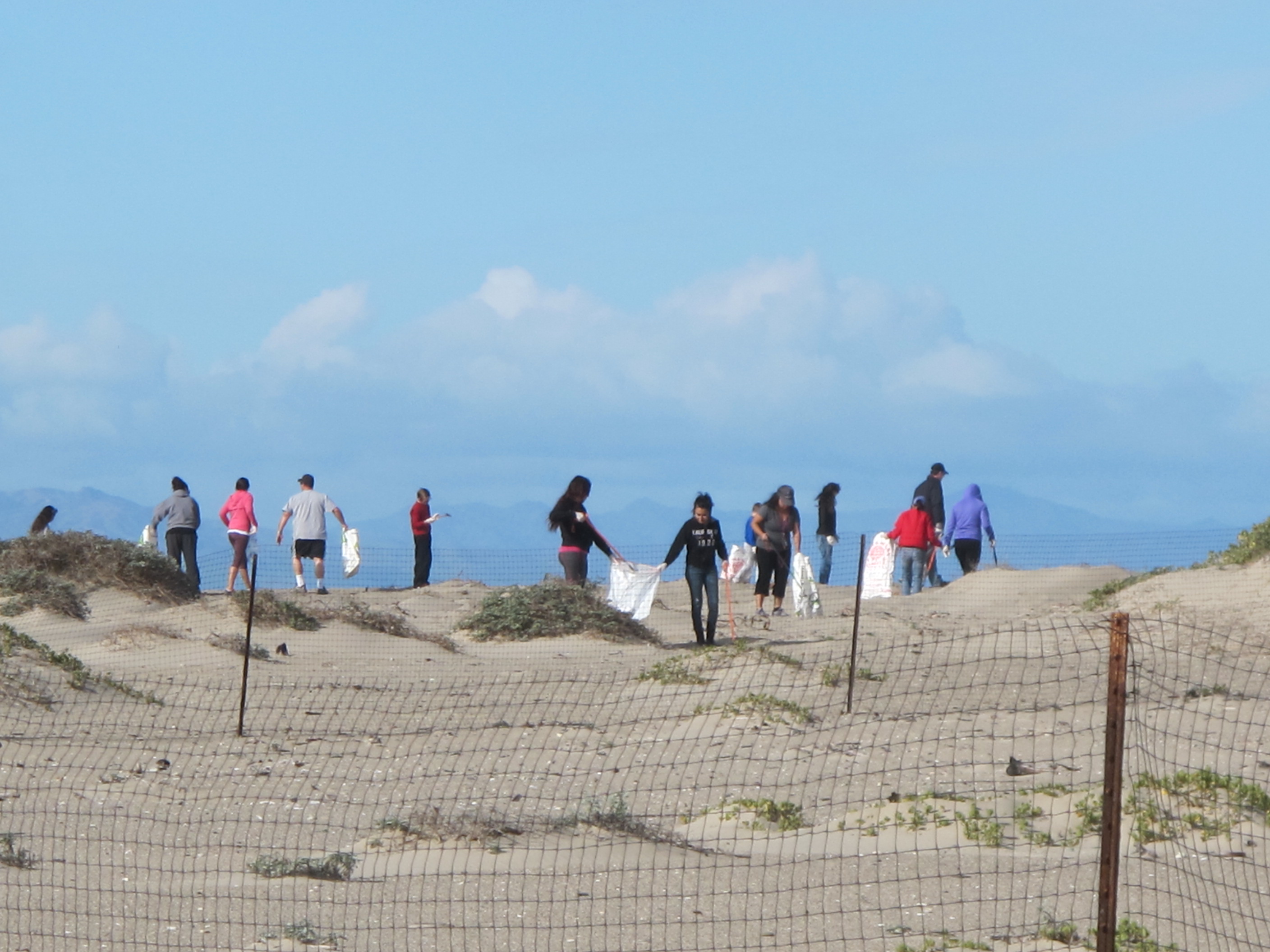
People picking up trash on Ormond Beach.
Ormond Beach Clean up on Ormond Beach. © TNC

A History of Change

Like much of the California coast, people have left their mark on Ormond Beach. Wetlands have been drained, filled and degraded, and decades of industrial development have left behind contamination in the area. At various times there were proposals for a marina, a resort, industrial development and a liquified natural gas terminal here. However, thanks to the vision of local community members and the mobilization of TNC and the Coastal Conservancy, Ormond Beach’s remaining precious habitats were protected instead.

Designing the Future

State agencies, a panel of expert scientists, local partners, community members and conservation organizations, including TNC, have worked together for decades to craft a shared vision for the future of Ormond Beach. The Ormond Beach Restoration and Access Plan (OBRAP) was created after considerable community input on the perceived priorities and attitudes regarding the area. Thanks to a monumental financial investment from the state, the restoration project will soon break ground in a critical moment that encapsulates the energy of the last 20 years.

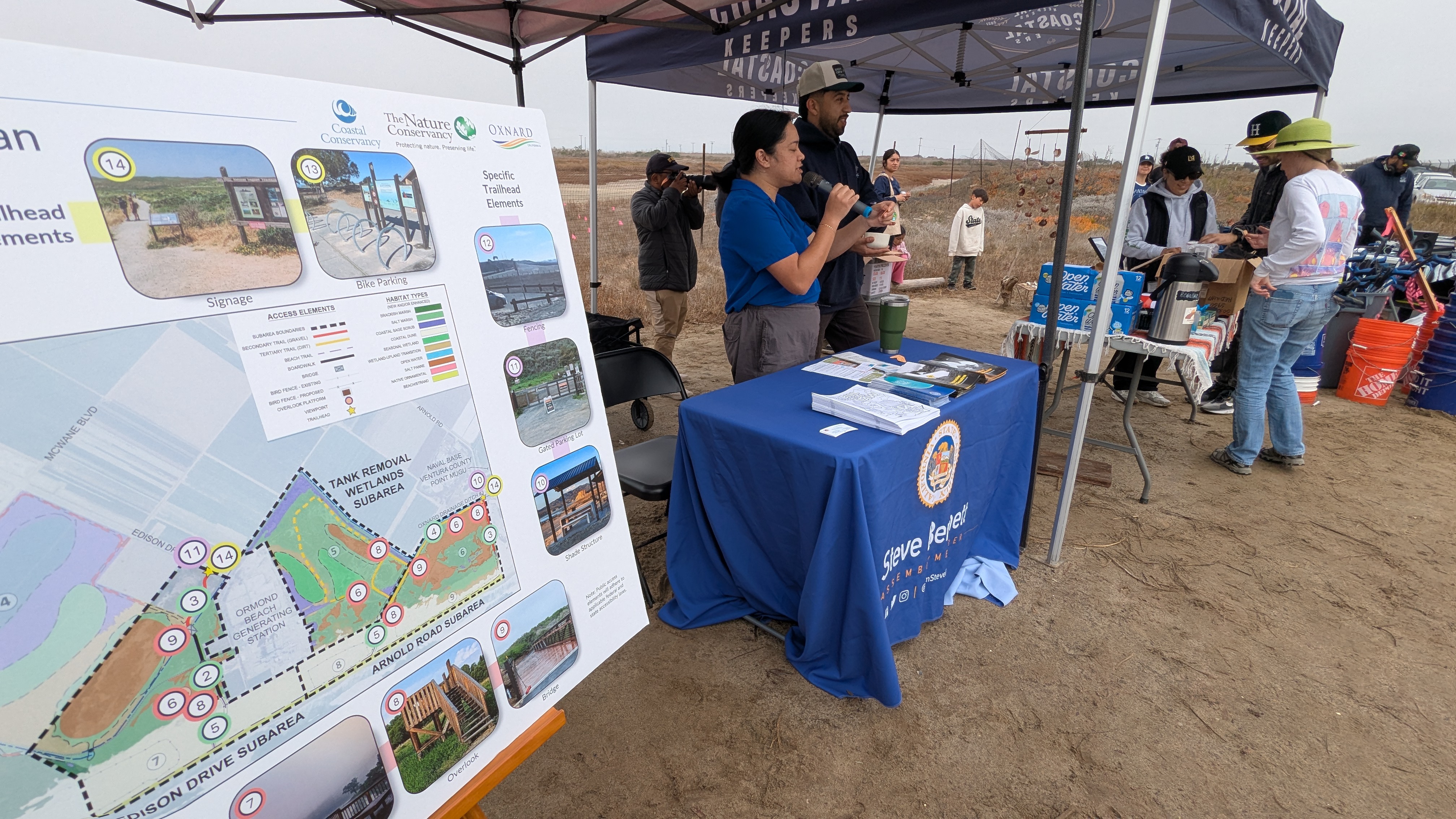
A booth on Ormond Beach with a map on the restoration of the site.
Ormond Beach Restoration is designed to enhance habitat resilience to climate change and sea level rise, establishing a mosaic of habitats that can naturally adapt to the changing seashore © TNC

Getting to Work

Because of the scale of the site and cost opportunities, the plan provided different phases of work that could be implemented. In this first phase, TNC and partners are working to restore the natural ebb and flow of water by moving approximately 140,000 cubic yards of fill, which will help return vegetated wetlands and salt panne to Ormond Beach. These changes are designed to further enhance habitat throughout the existing degraded wetland, marsh, upland and dunes to benefit endangered shorebirds and other native coastal species. Restoration is designed to enhance habitat resilience to climate change and sea-level rise, establishing a mosaic of habitats that can naturally adapt to the changing seashore.

A core design feature of this effort is the use of adaptive management principles that allow us to change any given management or maintenance approach based on ongoing assessments. Many aspects of the Phase 1 implementation are first-of-their-kind restoration, so utilizing flexible, responsive adaptive management is the best way to create a truly resilient project.

Shorebird Recovery

Habitat at Ormond Beach will support the California least tern, Western snowy plover and more birds, including more than 200 migratory bird species that stop here as they travel the Pacific Flyway.

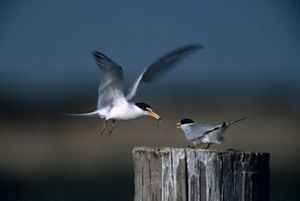
An adult California least tern (Sternula antillarum brownii) feeds its young.
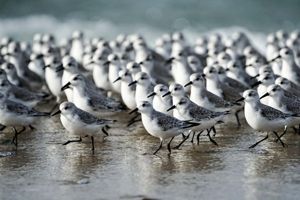
Sanderlings scurrying in unison, back and forth with the tide, looking for crabs.
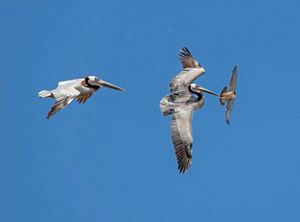
A falcon intercepts two pelicans that flew too close to its nest.
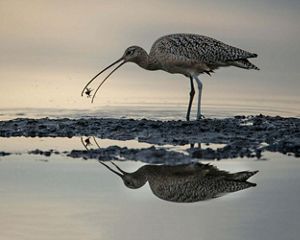
A Long-Billed Curlew flips and eats a clam it dug from tidal flats.
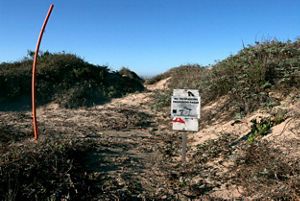
Posted amidst sand dunes, a No Trespassing sign alerts Ormond Beach patrons to the nesting grounds and coastal wetlands that protect the endangered, western snowy plover.

Ventura Audubon Society has been monitoring shorebirds at Ormond Beach for more than 20 years and is currently leading the Shorebird Recovery Program, supported by funding from TNC. Efforts to support birds include installing habitat protection fencing for endangered shorebirds as well as additional measures to deter predators, reduce threats and increase the likelihood of successful nesting and the survival of new chicks.

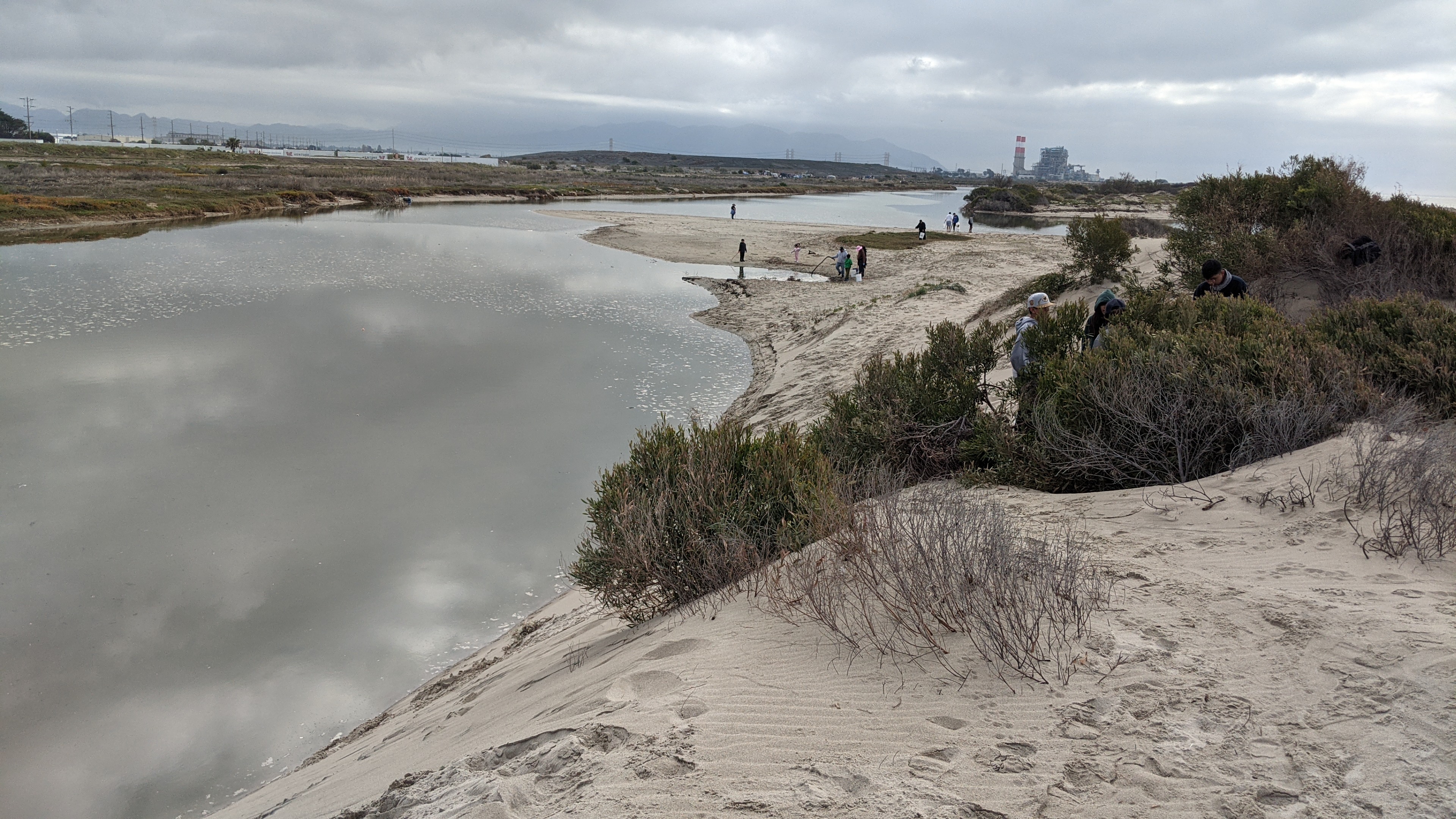
View of the lagoon at Ormond Beach.
Ormond Beach Lagoon We are restoring a mosaic of habitats, including upland habitats across an array of topographies. © TNC

Adapting to Sea-Level Rise

California wetlands play a critical role in mitigating the effects of climate change. These ecosystems demonstrate the power of nature-based climate solutions, which are ways we protect, manage and restore nature to sequester carbon and defend against harmful climate impacts, like rising seas. Benefits from wetlands include cleaning our water, absorbing floodwaters, buffering against storms and sequestering carbon. Given the projected potential of sea level to rise by as much as 4.8 ft by 2100, it’s critical that we're designing projects that can adapt to future conditions—and help our communities adapt as well.

We’re putting that theory into practice at Ormond Beach. By restoring a mosaic of habitats, including upland habitats across an array of topographies, the restoration provides migration space for wetlands like salt marsh and panne to adapt into as sea levels rise. This allows resilience for coastal habitats as well as improving water quality and buffering coastal communities, infrastructure and farmland from flooding.

Our vision for a climate-resilient coast stretches far beyond these dunes and wetlands. As part of the Wetlands for Climate Partnership, TNC is working to accelerate and scale wetland restoration on our coasts and deltas as a key strategy in protecting California’s unique habitats, wildlife and communities against climate change.

Students on Ormond Beach.
Students on Ormond Beach Many organizations utilize Ormond Beach as an outdoor classroom to engage students in learning about coastal systems and the power of stewardship. © TNC

Restoration that Serves People 

As we work to restore natural systems, we’re also committed to creating a new future for Ormond Beach that welcomes people to this special place. TNC worked with the Central Coastal Alliance United for a Sustainable Economy to engage with the Oxnard community to co-develop this vision for restoration and improved coastal access. The plan includes trailhead improvements, elevated trails, boardwalks, bridges, bird blinds and wildlife viewing overlooks to provide visitors with recreation opportunities while also protecting nature.

Already, our partners and many other independent organizations utilize Ormond Beach as an outdoor classroom to engage students in learning about coastal systems and the power of stewardship. As access is expanded, we're also working with community members and tribal partners on interpretive bilingual signage and community outreach so that visitors can learn more about the ecology, culture and history of the area.