

Even small-scale wetlands make a significant impact on reducing excess nutrients and sediment from our water. Along Big Walnut Creek, a 26-acre project will improve water quality for Central Ohioans due to its direct connection to Hoover Reservoir, which provides water to more than 500,000 Columbus residents.
“Ohio EPA’s Biological and Water Quality Study has identified agricultural and urban runoff as a main source of impairment to Big Walnut Creek’s water quality. This project is close to Hoover Reservoir, so it’s one of the last lines of defense for improving water quality,” says Michelle Pressel, project lead and restoration ecologist for The Nature Conservancy (TNC) in Ohio.



Discover more wins for nature
Get nature’s best stories delivered monthly to your inbox with our Nature News.
This Delaware County restoration project, funded by H2Ohio, is located on privately owned land. While the program’s projects often take place on public preserves and parks, it was important to these landowners—Kevin and Dale Wirick—to give back. The land was also previously agricultural land.
“All the farms around us have been developed into housing and shopping centers. On our farm, we want to expand and improve native woodlands and streams so future generations can have the natural experiences we had growing up. The statewide H2Ohio program will accomplish our long-term vision in two years instead of taking decades, so we will see the benefits of the transformation in our lifetimes,” say the Wiricks.

On our farm, we want to expand and improve native woodlands and streams so future generations can have the natural experiences we had growing up.
Working with private landowners allows TNC and other groups to accomplish water quality goals around the state.
“Over 90% of Ohio is privately owned. So, working with private landowners is a necessity for the future of conservation, especially if we want to hit long-term goals for ecological and economic resilience through imposed water quality using nature-based solutions,” says Pressel.
Construction of the wetland and riparian buffer concluded in October 2026. Native planting, including trees and pollinator plants, began soon after and will be completed in spring of 2027. Construction, plantings and re-growth are the stages that help create this restored wetland habitat.


“A secondary goal of H2Ohio projects is creating diverse native habitat for Ohio species. Most of the property will be restored to wetlands and floodplain forest, which support a variety of species,” says Pressel.
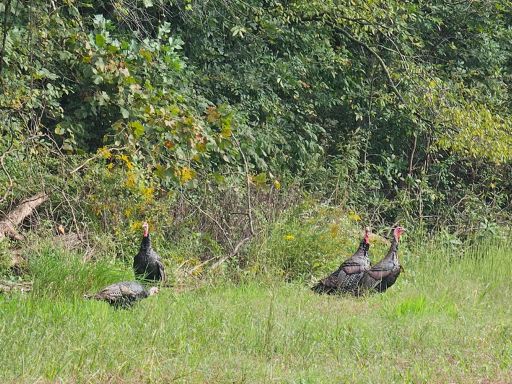
Shortly after construction was completed, native species were already using the site—including wild turkey. The soon-to-be-planted native pollinator plants will also encourage biodiversity for species such as birds, monarchs and bees.
This project is creating a lasting impact for both people and nature—improving water quality, reducing flooding and increasing biodiversity. This wetland project may be smaller in scale than others, but its impact will be seen across Central Ohio for years to come.
With your help we have accomplished many goals toward a clean, healthy, thriving Ohio.
There is still more to do, but we can't do it without you.
Explore our Work in Ohio

Securing Clean Water for Ohio
From the shores of Lake Erie to the banks of the Ohio River, water sustains us. Learn how TNC is helping safeguard clean water so people and nature can thrive.

Big Darby Corridor Treatment Project
The Big Darby Corridor Treatment Project is using funding from H2Ohio to restore 217 acres of wetlands in central Ohio.

Ohio Stream and Wetland In-Lieu Fee Mitigation Program
The Nature Conservancy’s Ohio Stream and Wetland In-Lieu Fee Mitigation Program (OMP) restores and protects streams and wetlands for future generations.