

The Nature Conservancy has an ambitious set of 2030 goals—which includes a mission to build sustainable food systems for both people and nature.
The Nebraska row crop team thinks about what this means on the farm—a lot. The team consists of Jacob Fritton who directs the program and strategy, Nick Arneson leading on-the-ground relationships with farmers and partners, and Sara Cahill maintaining operational efficiency.
Together with partners, the team has led five different projects over the last 12 years, all designed to support farmers who want to adopt new conservation practices:
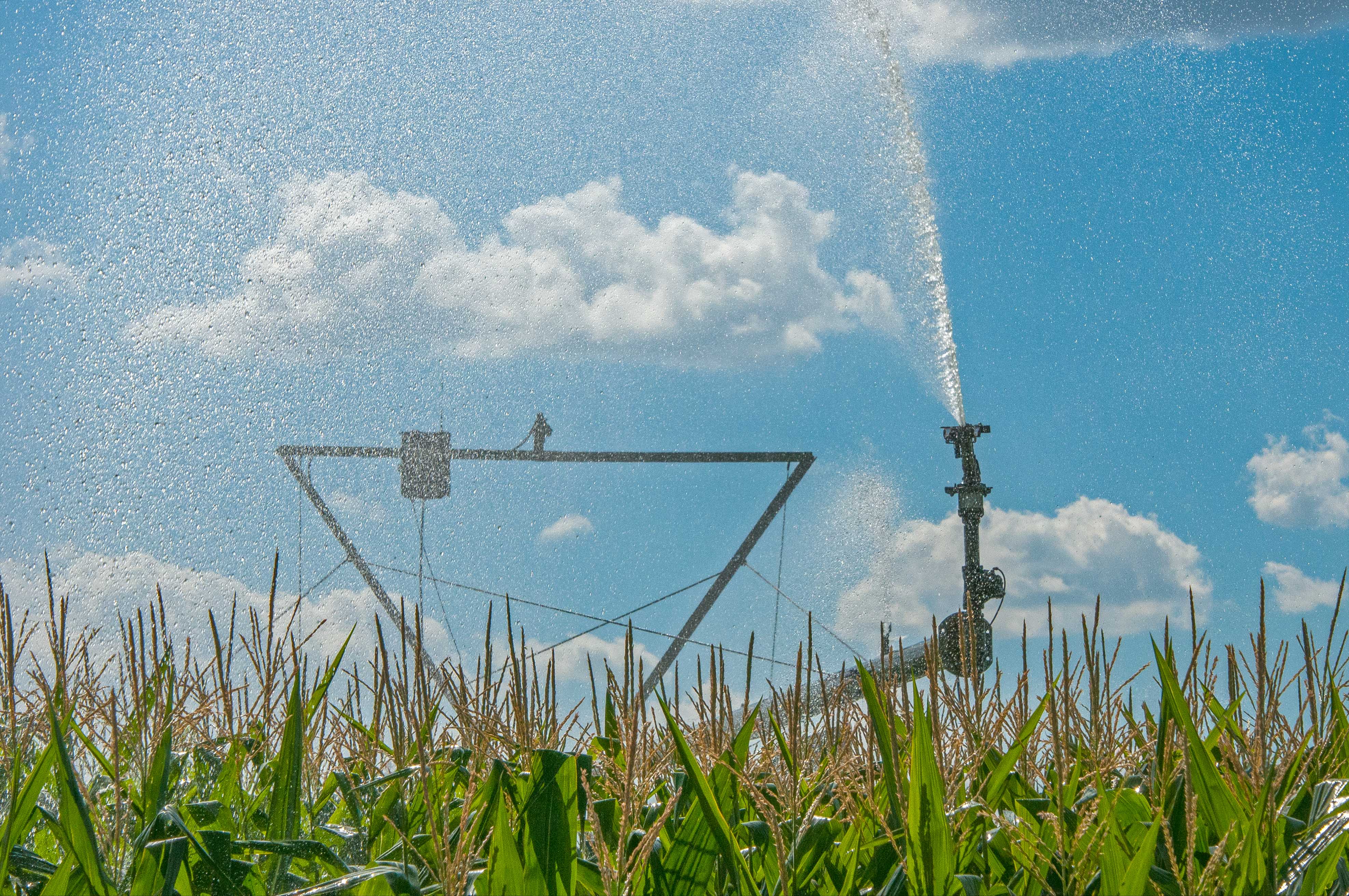
The Western Nebraska Irrigation Project (WNIP)
In 2014, TNC recruited stakeholders from Coca-Cola, John Deere, McDonald’s, and the World Wildlife Fund to contribute resources to launch this project along a 20-mile stretch of the South Platte River Valley west of Ogallala. Jacob provided training to 11 farmers on how to use soil moisture probes, pivot telemetry and weather stations. They learned how to fine-tune irrigation across their fields, enabling them to reduce pumping by about 20% on 8,000 acres.
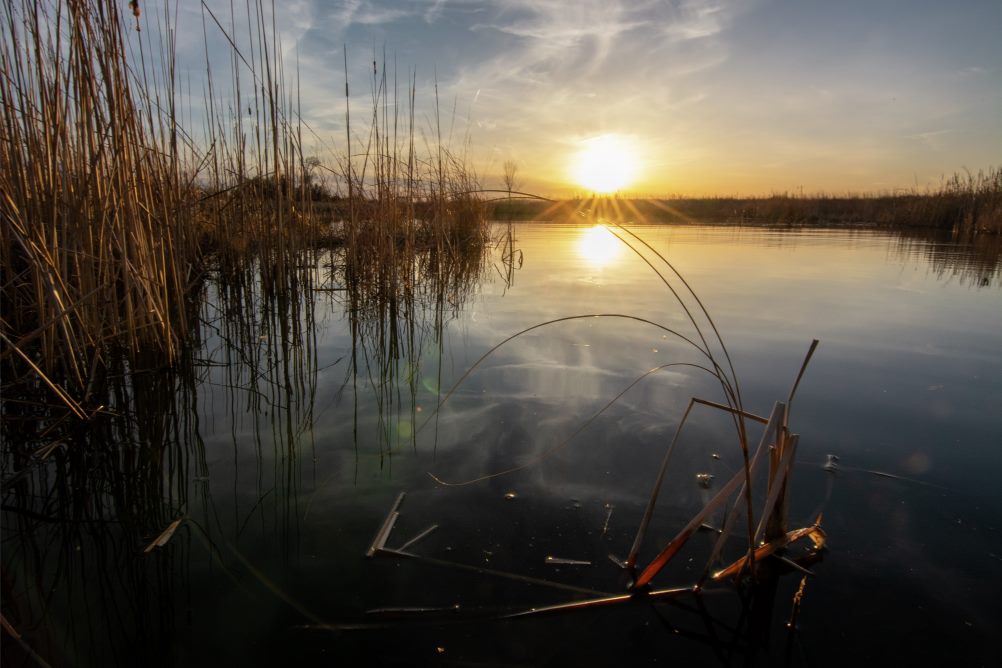
The Central Nebraska Irrigation Project (CNIP)
Taking lessons learned from WNIP, CNIP was launched in 2018. It was a collaboration with Nestlé-Purina, Cargill, the Central Platte Natural Resources District and 50 producers in Nebraska’s Central Platte Valley, aimed to reduce water use intensity in the beef supply chain. CNIP provided farmers with a suite of irrigation technology: flowmeters, weather stations, pivot telemetry and soil moisture probes. Just as importantly, TNC and the Central Platte NRD provided technical support, training and a platform for peer-to-peer information exchange and mentoring. This project impacted 6,500 acres.
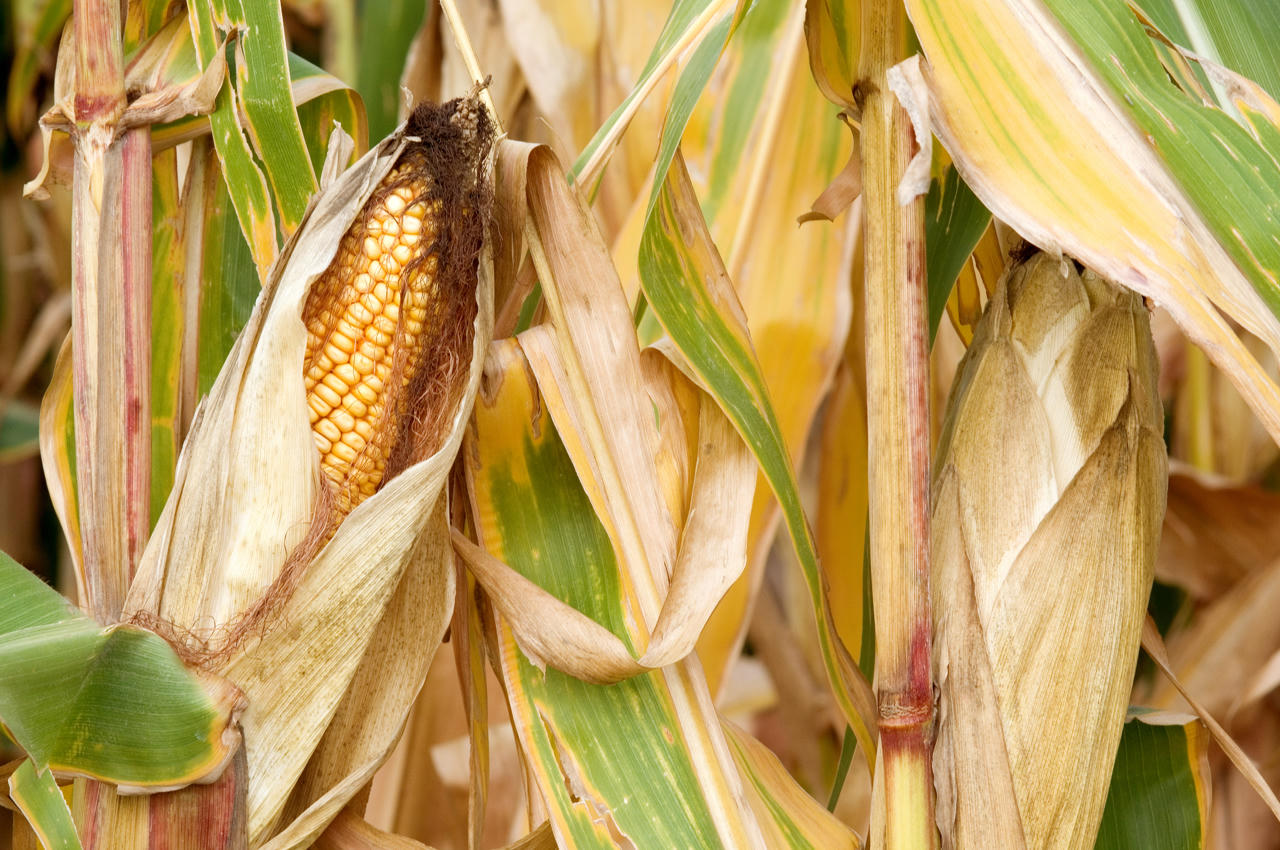
The Upper Big Blue Soil Health Project
This effort leveraged funds from Kellogg’s and the Nebraska Environmental Trust to collaborate with Nebraska Extension and Upper Big Blue Natural Resources District to expand the program’s portfolio of projects into the soil health realm. The project enrolled 11 farmers into UNL’s on-farm research network to better understand the effects of interseeding cover crops (the practice of planting into standing corn at an early stage of development).
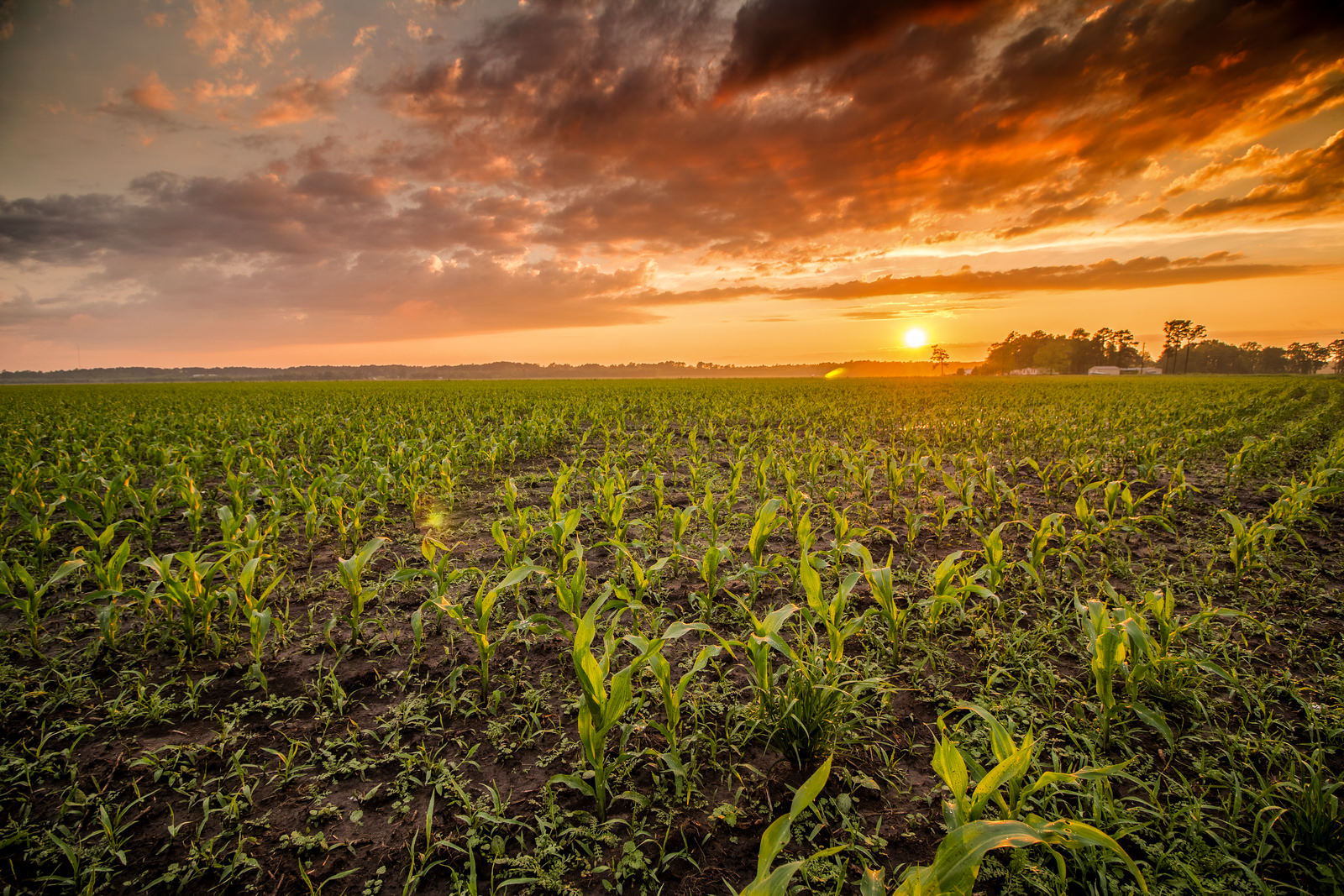
Current Programs
The Nebraska Soil Carbon Project
Launched in 2021, the Nebraska Soil Carbon Project is a Nature Conservancy-led public/private collaboration with the Natural Resources Conservation Service (NRCS), the Upper Big Blue and Central Platte Natural Resource Districts, the Ecosystem Services Market Consortium (ESMC), Cargill, Target and
McDonald’s. The goal is to work with 100 Nebraska farmers to understand how adoption of no-till, diversified rotations, and/or cover crops impacts carbon storage while unlocking opportunities for local farmers through corporate sustainability efforts. Practices have been implemented on 35,000 acres throughout central Nebraska croplands.
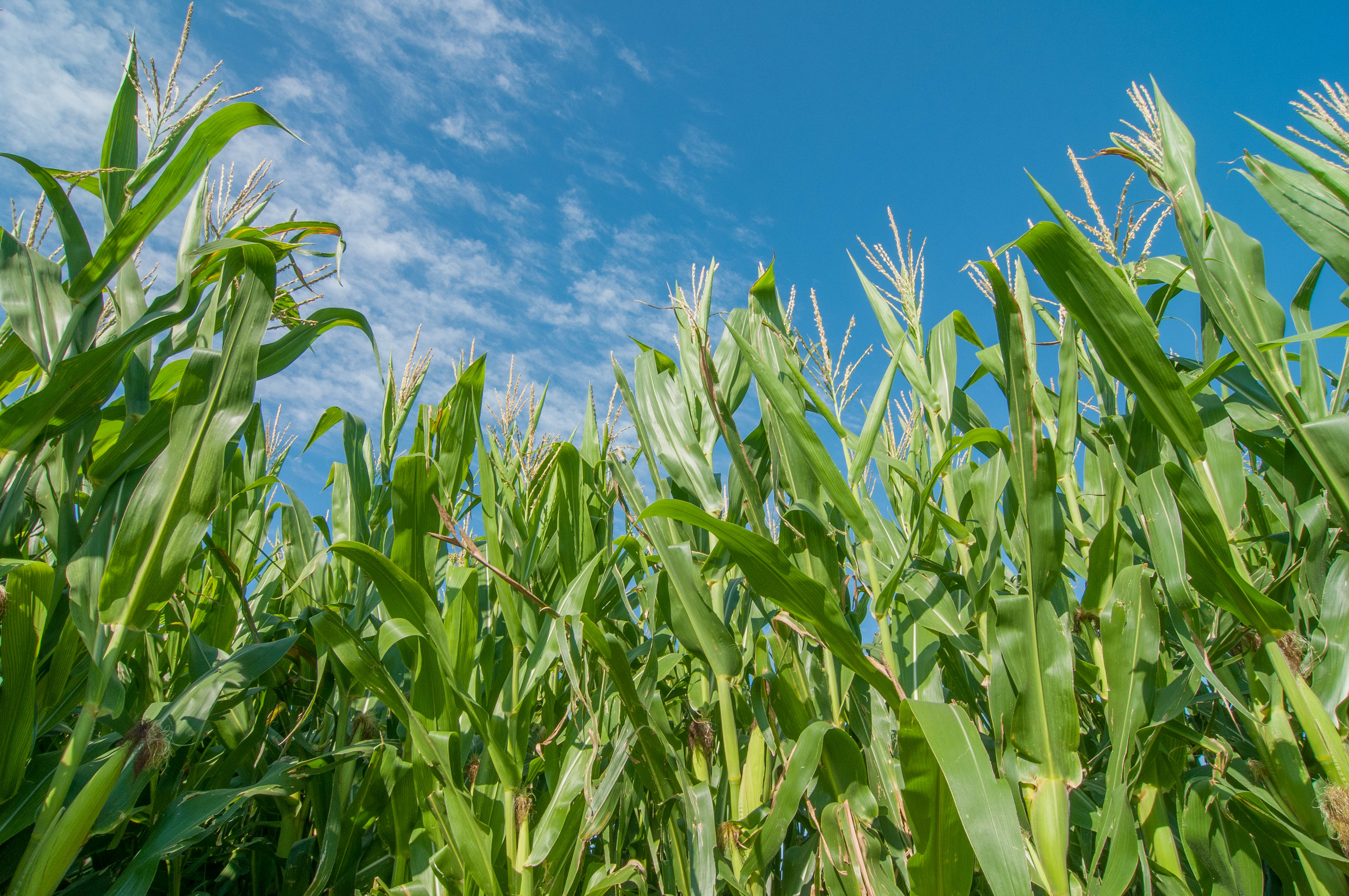
Farming for the Blue River
The Farming for the Blue River project is a partnership between the Little Blue Natural Resources District (NRD), Lower Big Blue NRD, the National Fish & Wildlife Foundation and The Nature Conservancy. The goal of this project is to co-learn with 30 farmers to develop nutrient management plans to reduce nitrogen losses and improve nitrogen use efficiency across 4,800 acres. Project partners work with farmers to create a nutrient management plan in line with the plant’s nitrogen needs, provide farmers technical assistance in adopting precision nutrient management, and participate in a peer-to-peer learning network to scale practices regionally. TNC’s presence on the ground working on nitrogen management with farmers has enabled influence on state-wide nutrient stewardship policy providing additional support for farmers to meet the pressing need of addressing water quality.
This Is “The Why”
“Farmers are among our greatest conservation allies. We are proud to work side-by-side with the families who care for our natural resources, so that as rapid change comes, there are tested tools at the ready,” says Fritton.
One of those farmers, Hank McGowan, was recently recognized with a statewide Outstanding Soil Conservation Award. Hank is enrolled in the Nebraska Soil Carbon Project.
“These things will test your faith,” says McGowan of cover crops and no-till practices. “It’s been working better than I expected it to. I was told it would take five years before I saw improvement, but it’s not true. I saw some benefits immediately.”
“With the price of farm ground being what it is, topsoil is expensive. Try to keep it. That’s what we’re doing,” says McGowan.
Related Articles

Provide Food & Water
The Nature Conservancy is fostering innovations in technology, collaborating with communities to use resources more efficiently and promoting policies that enable sustainability.

North America Regenerative Crop Systems
The Nature Conservancy is committed to building a resilient food system that benefits both people and the planet.

Nebraska
Our mission is to protect the lands and waters on which all life depends, and we're working in Nebraska to do just that.